
154 Bash Road RR 1 Box 143, Commodore, PA 15729
To contact a resident: (724) 254-1120
For more information about senior living options: (866) 208-4318
Bash's Personal Care Home Costs & Pricing
Bash's Personal Care Home offers competitive pricing for its residents, with both 1-bedroom and semi-private rooms available at a monthly rate of $1,800. This cost stands in sharp contrast to the average expenses in Indiana County, where similar accommodations range from $2,482 for semi-private rooms to $3,430 for 1-bedroom units. When compared to the broader landscape of Pennsylvania, which sees rates soaring to approximately $4,006 for a private room and $3,542 for semi-private facilities, Bash's provides a significant value proposition. This pricing structure not only highlights the home's affordability but also reinforces its commitment to accessible personal care services within the community.
| Floor plans | Bash's Personal Care Home | Indiana County | Pennsylvania |
|---|---|---|---|
| 1 Bedroom | $1,800 | $3,430 | $4,006 |
| Semi-Private | $1,800 | $2,482 | $3,542 |
Assisted Living communities with a similar price nearby
-
About the same
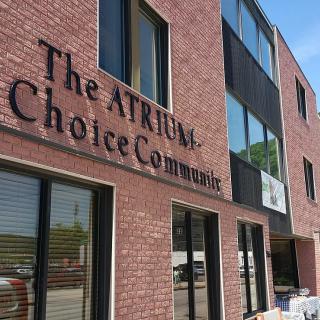
The Atrium, A Choice Community
$1,807 to $2,277 / month25.0 miles away -
from -$300 / mo
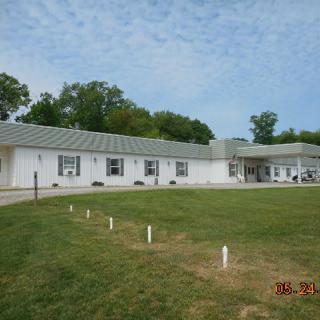
Country Manor
$1,500 / month23.6 miles away -
from -$200 / mo
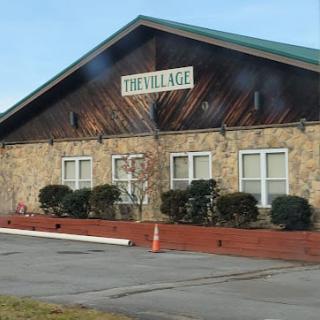
The Village of Nanty Glo
$1,600 to $2,200 / month17.9 miles away -
from +$115 / mo
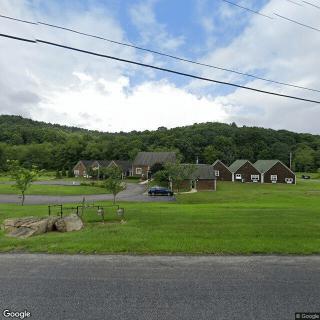
Maple Valley Personal Care Hm
$1,915 to $3,000 / month17.5 miles away
Overall Review of Bash's Personal Care Home
Pros
 The sister returned home with pictures, suggesting positive memories from the experience.
- A staff member gave a tour and provided information, reflecting helpfulness.
- The room was described as a tad larger than a closet, offering a bit more space.
Cons
 Feces were smeared on the bathroom walls.
- Men and women shared the same bathrooms, and there was urine on the toilet seats from elderly gentlemen who could not aim.
- She wound up in a hospital from a breakdown.
- They never returned her clothing or personal effects, not even her marriage or birth certificates.
- Her room was only slightly larger than a closet.
- She is described as a total witch.
- The reviewer warned others not to go there, saying anywhere else is better than this place.
Review
Bash's Personal Care Home in Commodore, PA is best suited for absolutely no one who expects reliable, respectful senior care. Given the reviews, this facility would only be considered by families with extremely limited options and little tolerance for care shortcomings. The prevailing impression is that safety, cleanliness, privacy, and dependability are not assured, making this a choice that should be avoided by anyone who values basic dignity and consistent oversight.
The most troubling threads in the feedback describe unsanitary conditions and careless handling of residents’ belongings. Accounts recount feces on bathroom surfaces, urine on toilet seats, and bathrooms shared by male and female residents, all of which signal serious lapses in daily hygiene and safety. Compounding these concerns is a pattern of belongings and important documents going missing after a resident moves out, clothing, personal effects, and essential records such as marriage or birth certificates. In at least one account, a resident’s well-being deteriorated to the point of a hospital visit, underscoring how quickly conditions can escalate when care standards are not met. The living space described also appears cramped, with rooms characterized as barely larger than a closet, amplifying the sense of deprivation and lack of personal dignity.
On the few occasions a visitor observed the operation, the impressions were sparse and far from reassuring. A single staff member was seen during a tour, and that limited exposure yielded little reassurance about daily routines, staff responsiveness, or resident monitoring. The absence of visible staff engagement outside those brief interactions raises questions about supervision, individualized attention, and the ability to address emergent needs promptly. In short, the limited staffing presence noted in reviews aligns with a broader pattern of neglect that far overshadows any minimal conveniences the facility might claim.
The few potential positives are so modest as to be inconsequential in light of the core issues. Without strong evidence of consistent, attentive care, reliable sanitation, or respectful handling of residents’ possessions, any minor conveniences do not offset the primary risks. Families should not search for silver linings here; the cons significantly undermine safety, dignity, and peace of mind. When weighed against the need for clean environments, properly maintained private spaces, and trustworthy staff, this facility’s strengths, if any, fail to provide a meaningful counterbalance to the demonstrated deficiencies.
Families should explicitly consider alternatives if the priority is genuine safety and quality of life. Those with loved ones requiring reliable supervision, clean and properly maintained facilities, and clear policies on belongings and documents should look elsewhere. For decision-making, prioritize facilities with transparent inspections, solid staffing ratios, positive resident interactions, and a track record of prompt issue resolution. Prospective buyers of care services should visit multiple options, request recent inspection reports, speak directly with current residents or families, and demand concrete evidence of ongoing staff training, sanitation protocols, and meticulous handling of personal effects before making a commitment.
In summary, Bash's Personal Care Home presents a pattern of serious quality and safety concerns that substantially outweigh any incidental benefits. For families evaluating assisted living options, this facility is not a viable match for those who prioritize dignity, safety, and predictable care. The prudent course is to move on to alternatives that offer clean, well-maintained environments, attentive staff, and clear, enforceable policies protecting residents’ belongings and well-being. A careful, evidence-based comparison will reveal options that support families in delivering secure, respectful care to their loved ones.
 Assisted Living
 Cats allowed
 Dogs allowed
 Activities on-site
 Devotional services off-site
 Indoor common areas
 Outdoor common areas
 Respite or short term stays offered
 Ambulatory care
 Diabetic care
 Incontinence care
 Medication management
 Meals provided



 Funding and Affording Assisted Living: A Thorough Overview
 Assisted Living Expenses and Long-Term Care Insurance: A Comprehensive Exploration
 Securing Financial Support for Assisted Living: A Comprehensive Overview