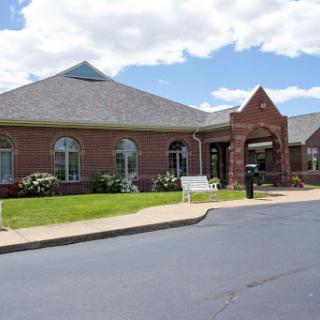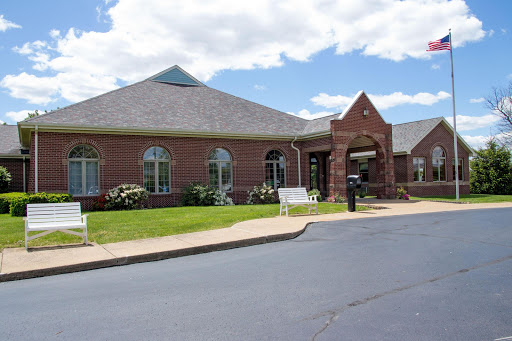
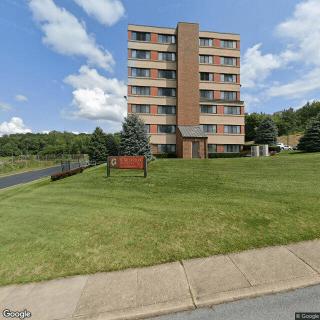
1675 Saltsburg Avenue, Indiana, PA 15701
For more information about senior living options: (866) 208-4318
Overall Review of Communities At Indian Haven
Pros
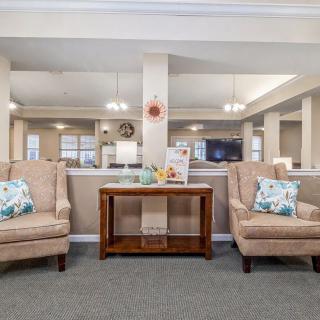
 The facility was spotless, well-maintained, and welcoming, creating a calming environment for residents and visitors.
- The staff were friendly, professional, and genuinely caring, making everyone feel comfortable and at ease.
- It was heartwarming to see how much they value the well-being of their residents.
- The staff were incredibly friendly and appreciative, expressing genuine gratitude for the massages.
- The whole event was a wonderful reminder of the importance of kindness and care.
- There were no complaints about the facility.
Cons
 They were instructed by an RN to lie on a fall report or be fired.
- The resident had been yelling for help and ringing while the CNA closed the door to the pantry area and scrolled on her phone.
- They alleged that the paperwork required to say the resident toileted recently and that the call bell was in reach, or the staff member would lose their job.
- They stated the LPN pay rate was the lowest they’ve ever seen.
- They were disappointed that rooms do not provide telephones, forcing residents to rely on the front office for calls.
- They noted it may take hours to get a phone to a resident, since the front office must handle it.
- They described the place as a joke and advised not to bring loved ones to the dementia unit.
Review
Communities At Indian Haven is best suited for families prioritizing a clean, calm, and welcoming environment with a strong emphasis on everyday kindness and general well-being. The facility earns praise for its spotless presentation, well-maintained spaces, and staff who come across as genuinely caring in routine interactions. For residents who respond well to a steady routine, accessible programming, and a setting that feels orderly and home-like, Indian Haven can deliver a reassuring daily experience. The emphasis on creating a serene atmosphere, combined with activities and events that emphasize resident comfort, makes it appealing to families seeking warmth and tangible attentiveness in a community that projects a stable, low-stress vibe.
Those who should consider alternatives are families for whom the ability to quickly and consistently respond to calls, falls, and changing needs is non-negotiable. Several reviews raise red flags about communication and accountability, especially in the dementia unit, where expectations for prompt assistance and clear, reliable follow-through appear to fall short for some families. The absence of in-room telephones is a recurring frustration, highlighting the challenge of maintaining timely connections with loved ones, particularly during times when in-person visits are restricted. Prospective residents who demand transparent staffing, easy access to staff for updates, and a demonstrable track record of timely escalation may want to compare other communities with stronger documented responsiveness and communication systems.
On the upside, the strongest pro is the environment itself: a clean, calming setting where staff are described as friendly, professional, and attentive in day-to-day care. Several accounts celebrate a culture of genuine kindness and residents feeling supported, underscored by event experiences like a free massage program that highlights staff appreciation and resident well-being. When care teams demonstrate visible warmth and a willingness to engage with residents beyond routine tasks, families gain confidence that their loved ones are surrounded by people who value comfort and dignity. The overarching care ethos, when combined with quality housekeeping, can translate into meaningful quality of life for many residents and reassurance for families about a well-managed living space.
The most troubling downsides center on perceived gaps in accountability and communication. Several reviewers recount troubling incidents suggesting pressure on staff to alter or misreport fall events, and reports of delayed or inadequate response to call bells, with doors closed or routines interrupted. Pay and staffing concerns compound these issues, painting a picture of limited resources at times that may strain caregivers and undermine reliability. The repeated critique that “anything you want done, you have to ask multiple times” and the sentiment that important needs are not consistently prioritized create real hesitation for families who cannot accept anything less than dependable responsiveness. Add in-room phone limitations and concerns about dementia-specific care, and the risk profile shifts toward a setting where clear escalation channels and daily accountability are essential.
Yet the pros can offset the cons for families who weigh serenity, daily comfort, and visible kindness alongside the trade-offs in responsiveness. The calmer environment and the evident care culture may sustain residents who require less intensive supervision or who benefit from steady, predictable routines. When staff interactions feel warm and genuine, and when operational integrity, like cleanliness and program offerings, remains strong, families may decide that a few procedural gaps are tolerable given the overall quality of life and the reassurance of a well-kept setting. For some residents, this balance is more than acceptable; for others, especially those needing rapid, reliable assistance and crystal-clear communication, the drawbacks could be deal-breakers.
For families seriously considering Communities At Indian Haven, a practical due-diligence plan is essential. Schedule a focused tour of both the general floors and the dementia unit, and observe firsthand how call bells are answered, how quickly staff respond, and whether doors or barriers impede assistance. Probe current staffing levels, turnover, and any recent quality improvement efforts, then speak directly with administrators about fall-report procedures and transparency in documentation. Demand clarity on telecommunication options for residents and families, whether rooms can be equipped with phones or if alternative solutions exist, and obtain a concrete explanation of how care plans for cognitively impaired residents are managed day-to-day. In the end, this community offers a compelling combination of cleanliness, warmth, and active resident engagement, but families that require unambiguous accountability, rapid responsiveness, and consistent in-room communication may find stronger alignment elsewhere.
 108 resident community capacity
 Skilled Nursing Facility
 Air-conditioning
 Beauty salon
 Cable or satellite TV
 Computer center
 Dining room
 Fitness room
 Fully furnished
 Gaming room
 Garden
 Housekeeping services
 Kitchenette
 Move-in coordination
 Outdoor space
 Private bathrooms
 Restaurant-style dining
 Small library
 Telephone
 Wellness center
 Wi-Fi/high-speed internet available
 Community operated transportation
 12-16 hour nursing
 24-hour call system
 Activities of daily living assistance
 Assistance with bathing
 Assistance with dressing
 Assistance with transfers
 Diabetes diet
 Medication management
 Mental wellness program
 Special dietary restrictions
 Concierge services
 Planned day trips



 Recognizing the Journey: Understanding and Navigating Anticipatory Grief
 Encouraging Participation in Adult Day Care: A Guide to Supporting a Hesitant Parent
 Comprehensive Exploration of Living Wills and Other Advance Directives