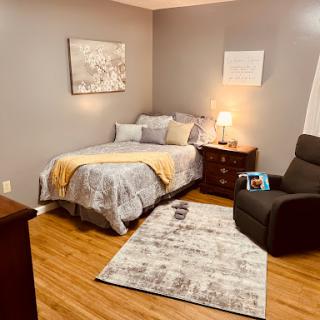
At Indiana Square, residents enjoy competitive pricing compared to both Indiana County and the broader Pennsylvania market. The cost for a studio apartment is set at $2,950 per month, significantly lower than the county average of $3,657 and the state average of $3,737. This offers prospective tenants an appealing value proposition. For those considering one-bedroom options, Indiana Square's monthly rate stands at $4,200 - slightly above the county's rate of $3,430 but still below the Pennsylvania average of $4,006. Overall, Indiana Square provides attractive living arrangements that help strike a balance between quality and affordability in a vibrant community setting.
Floor plans
Indiana Square
Indiana County
Pennsylvania
Studio
$2,950
$3,657
$3,737
1 Bedroom
$4,200
$3,430
$4,006
Memory care communities with a similar price nearby
Residents and families consistently describe staff members as caring, professional, and responsive.
Across many reviews, residents and family members highlight staff kindness and follow-through, including being attentive to requests and keeping loved ones updated. Several also describe staff as knowledgeable and professional, while still feeling friendly and respectful. A number of reviewers say they chose the community because of the care, and that experience has matched what they expected during visits.
common14 reviews mention this
Clean, well-kept environment
Multiple reviews mention a very clean, well-maintained building.
Cleanliness shows up repeatedly, with reviewers describing an immaculate or spotless facility, including lobbies, halls, and overall upkeep. Several call out the space as bright and inviting, and some mention renovations that left the building looking improved. Reviewers also connect the clean environment with feeling comfortable and confident in the care they observed.
common4 reviews mention this
Meals get positive comments
Dining is a frequent point of feedback, with most reviewers saying the food is good.
Several reviewers report that meals are delicious and plentiful, and one family member specifically mentions enjoying daily food and snacks. Another reviewer describes having the option of dining in the room or going to the dining room, along with restaurant-style choices they tried outside the community. One review is more critical of food freshness and personal preferences, but it is the only one that stands out as a dissatisfaction.
common2 reviews mention this
Activities help residents stay engaged
Residents describe activities and social time as part of daily life.
At least a couple of reviews mention regular activities, including something like daily fun events. Another reviewer also recalls games and arts-and-crafts style programming during their time there. Together, these comments suggest activities are offered consistently enough for residents to notice them.
How we summarize
Counts show how many written reviews mention each theme; a review can touch several themes, and only frequently mentioned themes are displayed.
Features
Types of Care
Assisted Living
Memory Care
Amenities
Activities on-site
Cable or satellite TV
Devotional services off-site
Indoor common areas
Wi-Fi/high-speed internet available
Care Services
Ambulatory care
Diabetic care
High acuity care
Medication management
Dining
Low / no sodium
Meals provided
No Sugar
Activities
Activities on-site
BBQs or picnics
Bible study group
Devotional activities offsite
Live musical performances
Sensory-based programs
Nearby Places of Interest
This part of Indiana, Pennsylvania, offers a convenient and diverse range of amenities for seniors looking to settle in the area. With various dining options such as Burger King, Chipotle, and Perkins nearby, there are plenty of choices for meals. Additionally, there are reputable physicians and pharmacies within close proximity for medical needs. The presence of places of worship like the Indiana Church Of The Brethren and Amplify Church caters to spiritual needs. For recreation, Mack Memorial Park provides a peaceful outdoor space for leisurely walks. In terms of healthcare facilities, Indiana Regional Medical Center is easily accessible. Overall, this area offers a combination of convenience, services, and recreational opportunities that may appeal to seniors considering senior living in Indiana County.
Restaurants
Burger King (0 miles)
Teerak Thai Restaurant (0.1 miles)
Chipotle Mexican Grill (0.1 miles)
Perkins Restaurant and Bakery (0.1 miles)
Valley Dairy (0.2 miles)
McDonald's (0.3 miles)
Arby's (0.6 miles)
Physicians
Union Orthotics and Prosthetics (0.1 miles)
Joseph Lamantia (0.2 miles)
Dr. Paul Clement, Optometrist, and Associates - Indiana (0.6 miles)
Joseph E Ambrose Do (0.8 miles)
Ahmed, Durre Ahmed and Ahmed Medical Group (0.8 miles)
Neuropsychiatric Associates PC (1 miles)
Michael R Stever (1 miles)
Pharmacies
Martin's Pharmacy (0.2 miles)
Giant (0.3 miles)
Diamond Drugs (0.4 miles)
Diamond Pharmacy Services (0.4 miles)
Diamond Medical Supply (0.4 miles)
CVS Pharmacy (0.8 miles)
Diamond Drugs (1 miles)
Places of Worship
Wayne A. Yost Coaching and Consulting Services (0.3 miles)
At Indiana Square, residents enjoy competitive pricing compared to both Indiana County and the broader Pennsylvania market. The cost for a studio apartment is set at $2,950 per month, significantly lower than the county average of $3,657 and the state average of $3,737. This offers prospective tenants an appealing value proposition. For those considering one-bedroom options, Indiana Square's monthly rate stands at $4,200 - slightly above the county's rate of $3,430 but still below the Pennsylvania average of $4,006. Overall, Indiana Square provides attractive living arrangements that help strike a balance between quality and affordability in a vibrant community setting.
Indiana Square's medication management system ensures that residents receive their prescribed medications on time and in the correct dosages, which is crucial for maintaining their overall health and stability. This structured approach reduces the risk of confusion or missed doses often experienced by individuals with cognitive impairments, thereby promoting a sense of security. Additionally, sensory-based programs engage residents through activities that stimulate the senses--sight, sound, touch, taste, and smell--helping to evoke memories and enhance emotional well-being. By catering to individual preferences and needs, these programs encourage social interaction and cognitive engagement while providing moments of joy and comfort in a supportive environment tailored for those living with dementia or Alzheimer's disease.
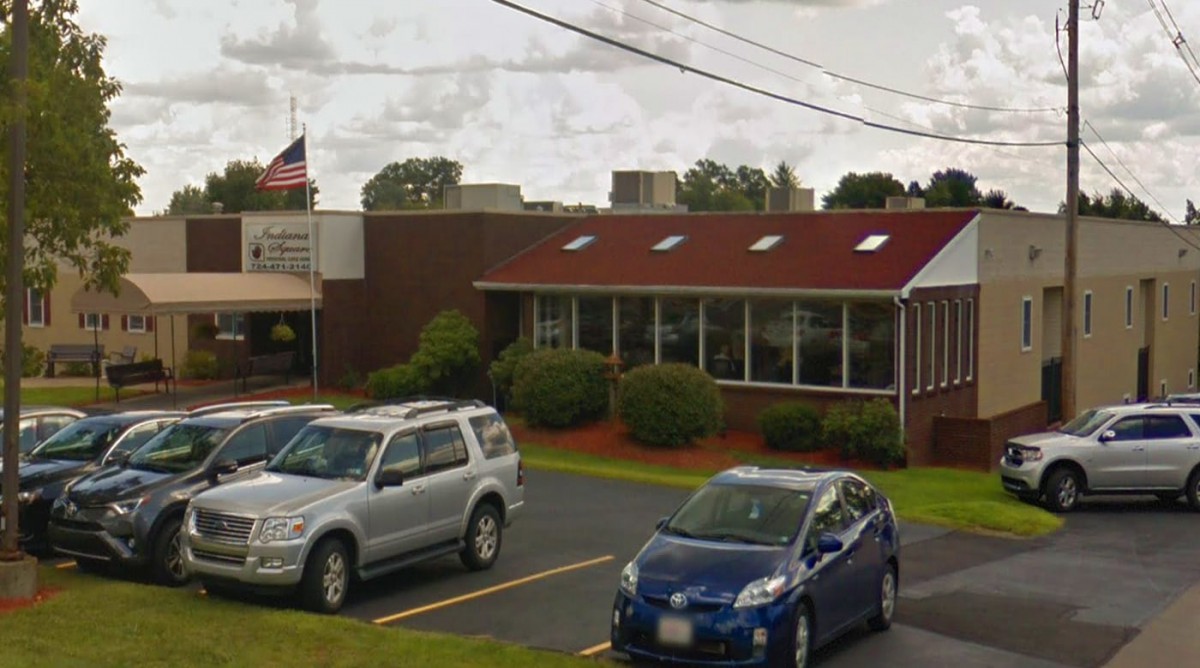
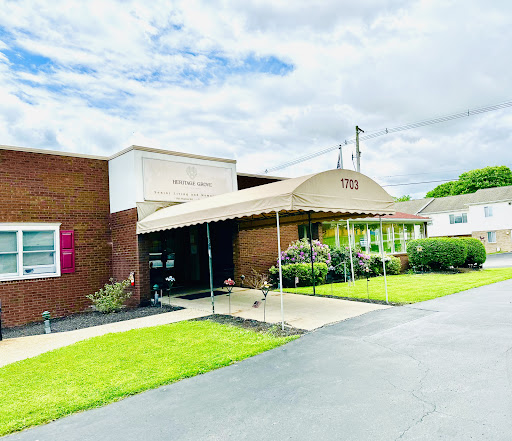
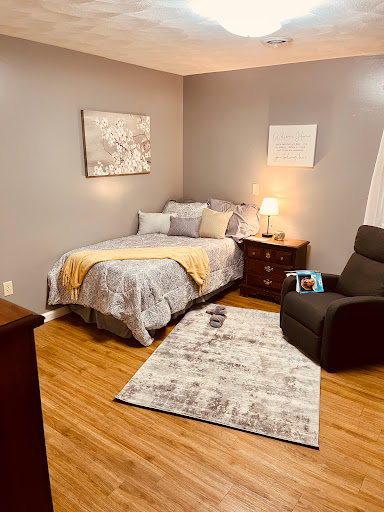
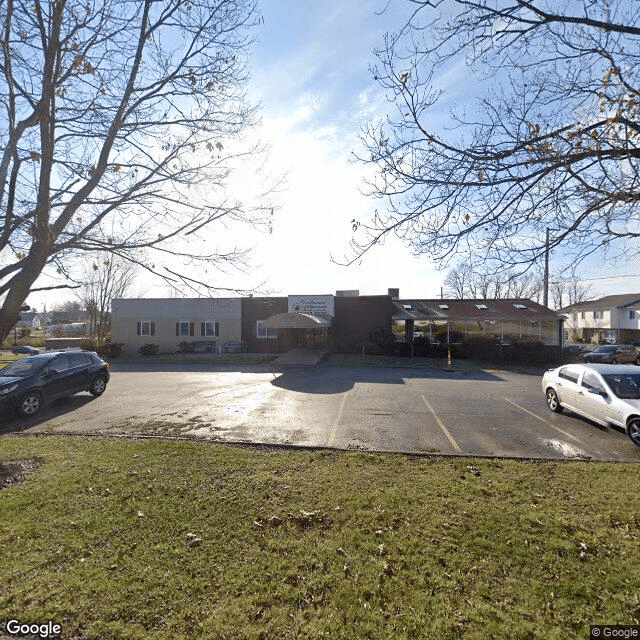
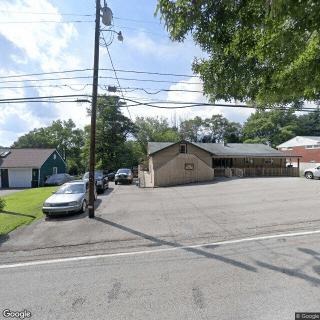
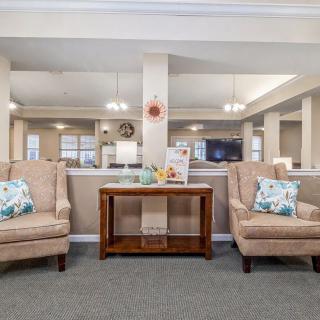
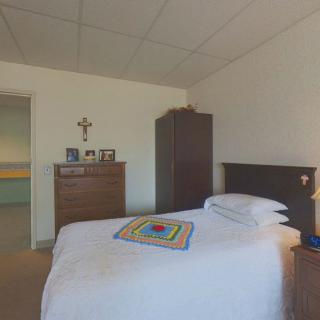
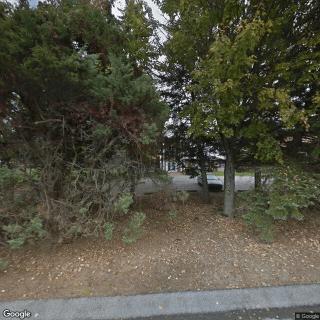
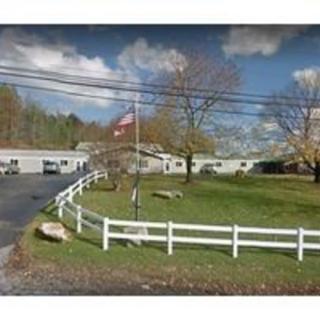
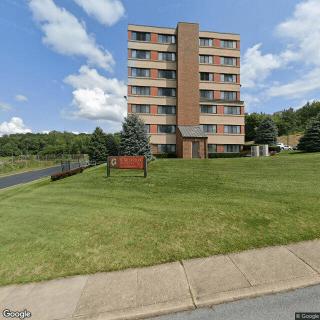
Indiana Square on seniors.fyi includes 4 photos including images showing landscaping, bedroom, building, brick exterior, windows, architecture, outdoor, road, and more.
Nearby Communities
Indiana Square Personal Care Home
Indiana, PA
4.8 from 39 reviews
24-hour supervision and diabetes care, with restaurant-style dining and fully furnished rooms.
Communities At Indian Haven
Indiana, PA
4 from 12 reviews
Extensive on-site amenities and 24/7 support (salon, dining, fitness, transportation, activities, medication management, wellness programs).
Moorehead Place
Indiana, PA
4.6 from 55 reviews
$3,375 to $6,050 / month
Friendly, compassionate staff and a bright, well-maintained environment that supports social engagement.
St Andrews Village
Indiana, PA
4.2 from 17 reviews
Beautiful, well-maintained facility with engaging activities and caring staff.
Village At Heatherbrae
Indiana, PA
1 from 3 reviews
Helpful on-site staff and a resilient, supportive resident community.
Bethany Place
Indiana, PA
4.5 from 11 reviews
$3,000 to $3,800 / month
Caring staff and responsive management with engaging activities.
Clairvaux Commons Inc
Indiana, PA
4.7 from 6 reviews
Vibrant independent living with abundant nearby amenities (cafes, parks, dining, healthcare, transportation, worship, and entertainment).
Erdley S Sunnyside Personal Care Home
Kittanning, PA
3 from 2 reviews
Clean, well-maintained facility with attentive staff and engaging activities.
Melody Manor
Kittanning, PA
3.8 from 8 reviews
$1,600 to $2,000 / month
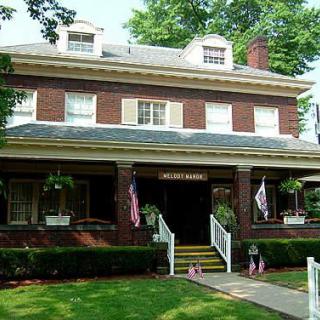
Homey, Victorian charm with attentive staff, clean facilities, and a welcoming atmosphere.
The article compares assisted living and skilled nursing facilities, detailing their differing levels of assistance, medical support, cost structures, and day-to-day experiences. It emphasizes that assisted living is for those needing help with daily activities while maintaining independence, whereas skilled nursing facilities provide intensive medical care with 24-hour staff supervision.
Vibrant Senior Living emphasizes active senior living communities that promote independence and engagement through diverse amenities and activities, fostering wellness and social interaction among older adults. These communities range from independent to assisted living, with a focus on personal growth, family involvement, financial planning, and leveraging technology to enhance residents' experiences.
Assisted living provides moderate support for seniors seeking independence, while memory care offers specialized support for individuals with dementia or cognitive impairments through structured routines and trained staff. Key differences include care approaches, environment security measures, staff training levels, activity types, and cost considerations.
Get PricingAsk A QuestionSchedule A TourContact Senior Advisor
By clicking submit, you agree to our Partner's Terms of Use. You
also consent to receive calls and texts, which may be autodialed, from our Partner. Your consent is not a condition to
using our Partner's service. Please visit our Partner's Privacy Policy for information about their privacy practices.



 Assisted Living
 Memory Care
 Activities on-site
 Cable or satellite TV
 Devotional services off-site
 Indoor common areas
 Wi-Fi/high-speed internet available
 Ambulatory care
 Diabetic care
 High acuity care
 Medication management
 Low / no sodium
 BBQs or picnics
 Bible study group
 Live musical performances
 Sensory-based programs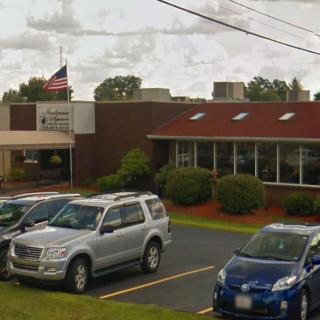
 24-hour supervision and diabetes care, with restaurant-style dining and fully furnished rooms.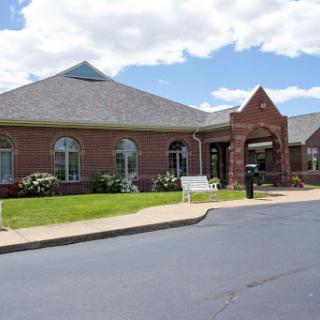

 Exploring the Contrasts Between Assisted Living and Skilled Nursing
 Vibrant Senior Living: A Comprehensive Guide for Active Older Adults
 Assisted Living and Memory Care: Understanding Their Core Differences