Overall Review of Chestnut Ridge Retirement Living
common16 reviews mention this
Facility cleanliness stands out
Residents and visitors repeatedly describe the community as clean and well maintained.
Cleanliness is one of the most consistent themes across reviews, with multiple people calling out spot-on housekeeping and a facility that is well maintained. Several reviewers mention tidy rooms, no unusual smells in hallways, and careful attention from the environmental services team. A few comments add contrast by mentioning issues like roaches, but most describe a consistently maintained building and living spaces.
common9 reviews mention this
Activities and social time
Many reviewers say there are regular activities and resident engagement.
Reviews frequently describe scheduled activities and social time, including residents having things to do daily and staff interacting with residents often. Visitors also mention seeing residents outside greeting people and taking part in trips and errands. One review about a weekend outing expectation suggests there may be limits or uncertainty around taking seniors out on weekends, depending on how families are informed.
common8 reviews mention this
Dining feels restaurant-like
Dining comes up often, including restaurant-style presentation in reviews.
Several reviewers describe dining as restaurant-like, including meal setup comparable to a restaurant menu and choices available to residents. Others mention enjoying the food and the dining experience during visits. There’s also at least one contrast point in memory care, where one reviewer says memory care meals are not the same as personal care meals and that the memory care experience costs more.
caveat3 reviews mention this
Communication can be inconsistent
Some families report difficulty reaching management or getting follow-up.
While some reviewers praise prompt responses from specific staff, other comments describe trouble getting back after leaving messages or placing calls to speak with a manager. One review says it became frustrating not to receive responses despite numerous attempts, and another reports repeated calls without a callback. Overall, the feedback suggests responsiveness can vary depending on the situation and who’s contacted.
common2 reviews mention this
Memory care is specifically noted
Memory care is singled out for both support and meal differences.
Two reviews specifically mention the memory care unit, one describing compassionate and patient nurse aides and recommending memory care. Another reviewer compares memory care to personal care by saying memory care meals and amenities are less than what personal care residents receive, despite memory care costing more. Together, the comments suggest memory care staff support stands out, while meal parity and overall value are an area to ask about directly.
How we summarize
Counts show how many written reviews mention each theme; a review can touch several themes, and only frequently mentioned themes are displayed.
Features
Housing
130 resident community capacity
Types of Care
Assisted Living
Independent Living
Respite Care
Skilled Nursing Facility
Amenities
Air-conditioning
Beauty salon
Cable or satellite TV
Computer center
Dining room
Fitness room
Fully furnished
Gaming room
Garden
Housekeeping services
Kitchenette
Move-in coordination
Outdoor space
Private bathrooms
Restaurant-style dining
Small library
Telephone
Wellness center
Wi-Fi/high-speed internet available
Transportation
Philadelphia International (7 miles away)
New Castle County (18 miles away)
Community operated transportation
Transportation arrangement
Transportation arrangement (non-medical)
Transportation to doctors appointments
Care Services
12-16 hour nursing
24-hour call system
24-hour supervision
Activities of daily living assistance
Assistance with bathing
Assistance with dressing
Assistance with transfers
Diabetes diet
Meal preparation and service
Medication management
Mental wellness program
Special dietary restrictions
Dining
Diabetes diet
Special dietary restrictions
Activities
Community-sponsored activities
Concierge services
Fitness programs
Planned day trips
Resident-run activities
Scheduled daily activities
Nearby Places of Interest
Restaurants
Wendy's (1.1 miles)
Wing Hing Chinese Restaurant (1.1 miles)
Chick-Fil-A (1.5 miles)
Cracker Barrel (2.4 miles)
McDonald's (4.1 miles)
McDonald's (4.7 miles)
Wendy's (4.8 miles)
Pharmacies
CVS Pharmacy (1.1 miles)
Walgreens (1.2 miles)
CVS Pharmacy (1.4 miles)
CVS Pharmacy (2.6 miles)
Rite Aid (2.9 miles)
CVS Pharmacy (3.3 miles)
GIANT Pharmacy (4.4 miles)
Cafes
320 Market Cafe (1.5 miles)
Starbucks (8 miles)
Styer's Garden Cafe (8.9 miles)
Hospitals
Riddle Hospital (4.5 miles)
Lankenau Medical Center (9.8 miles)
Philadelphia VA Medical Center (10.2 miles)
Veterans Administration Community Living Center (10.3 miles)
Parks
Market Square Memorial Park (4.7 miles)
Ellson Glen Park (5.4 miles)
Ridley Creek State Park (6.7 miles)
Shipley Heights Park (10.3 miles)
Transportation
Terminal A West (6.1 miles)
Philadelphia International Airport (PHL) (6.2 miles)
The Centurion Lounge (6.2 miles)
Philadelphia International Airport, Terminal A - East (6.3 miles)
Baggage Claim A (6.3 miles)
Taxiway N (6.3 miles)
Dollar Rent A Car (6.3 miles)
Physicians
Dr Madonna's Family Practice (6.8 miles)
Mid Atlantic Retina (8.4 miles)
Total Care Physicians (8.6 miles)
Pulmonary Consultants (8.9 miles)
Christiana Care: Concord Medicine And Pediatrics (9.3 miles)
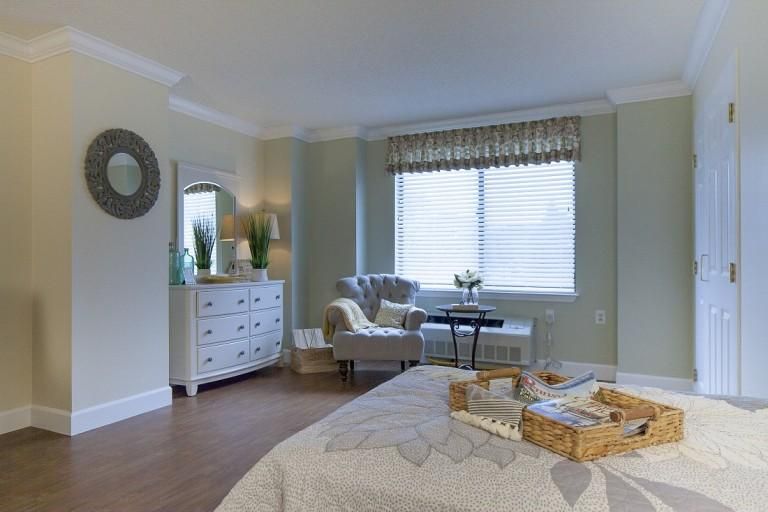
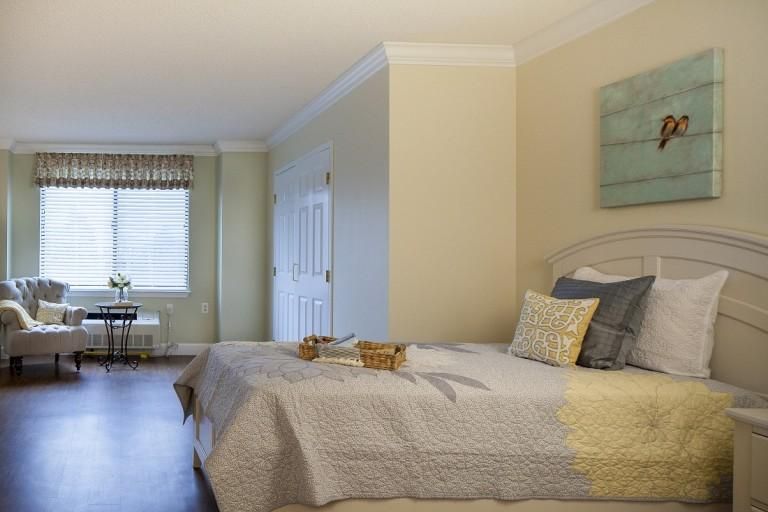
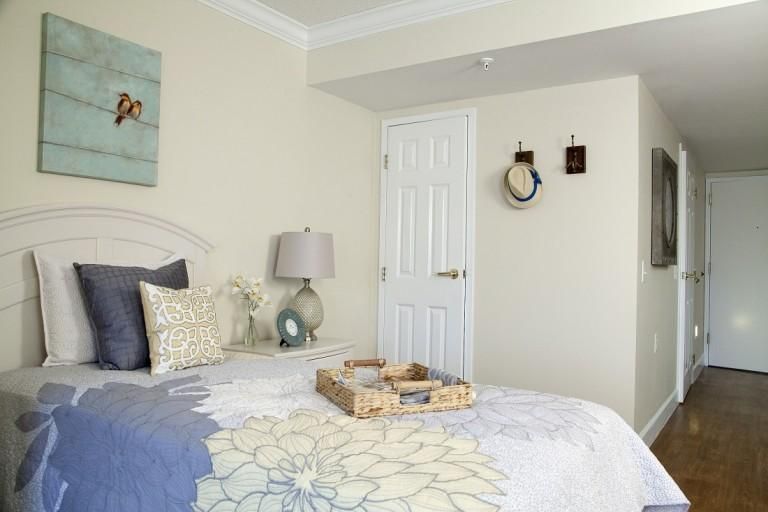
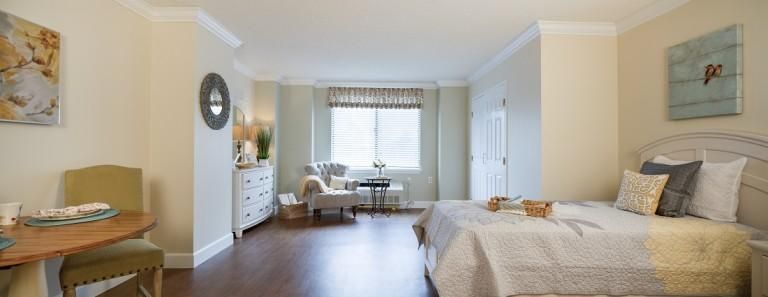
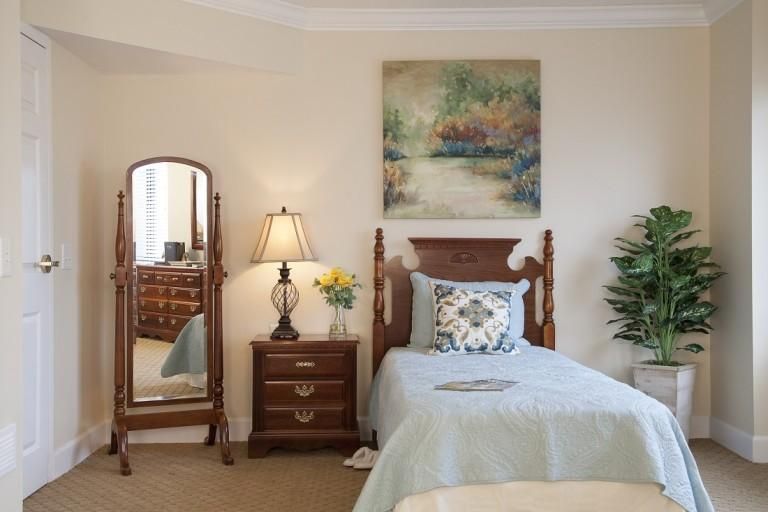
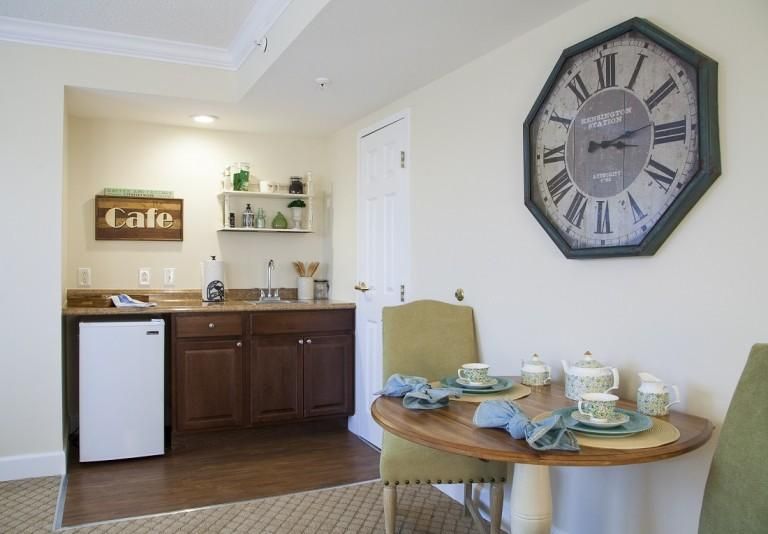
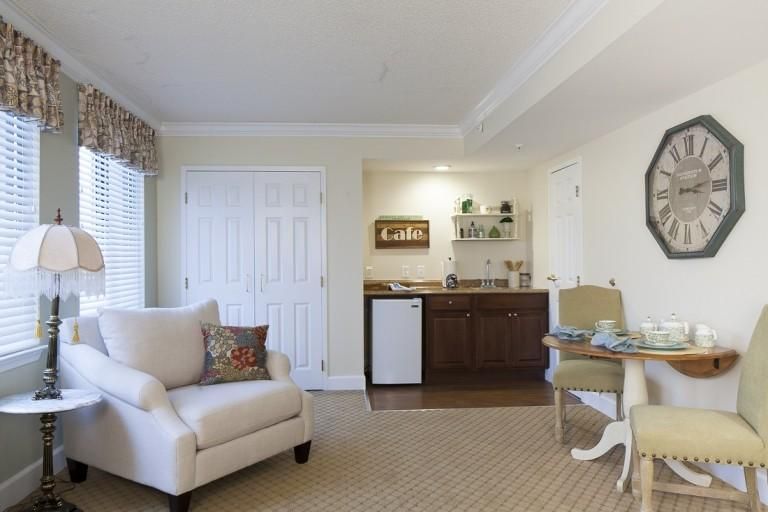
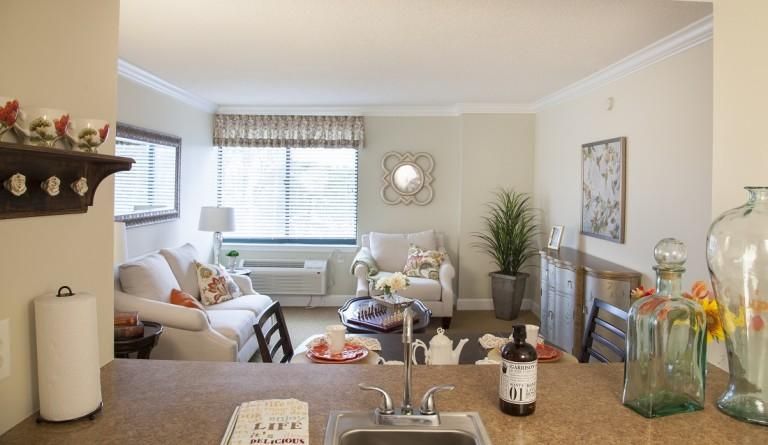
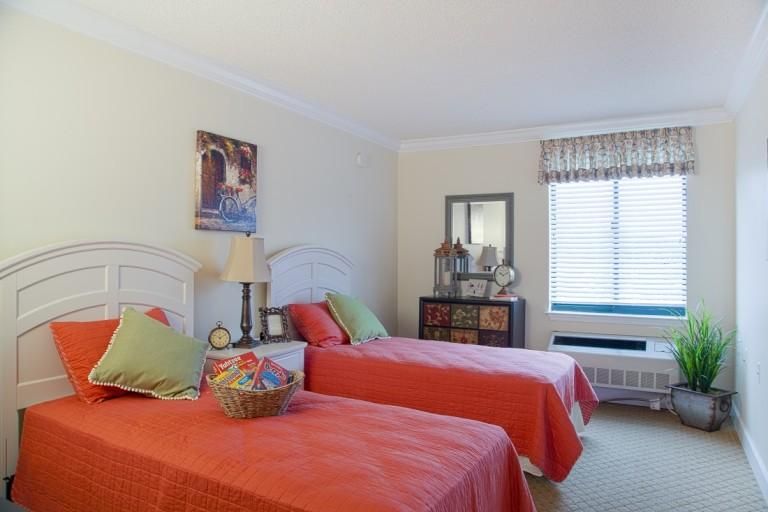
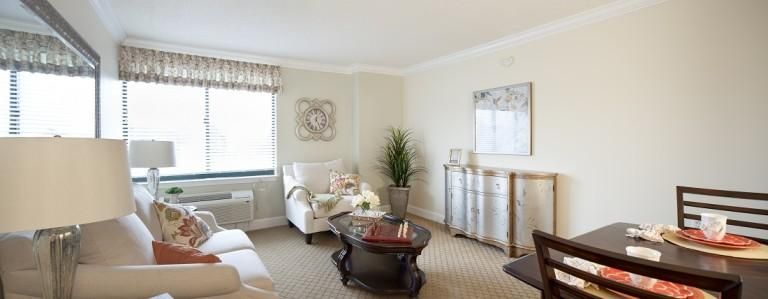
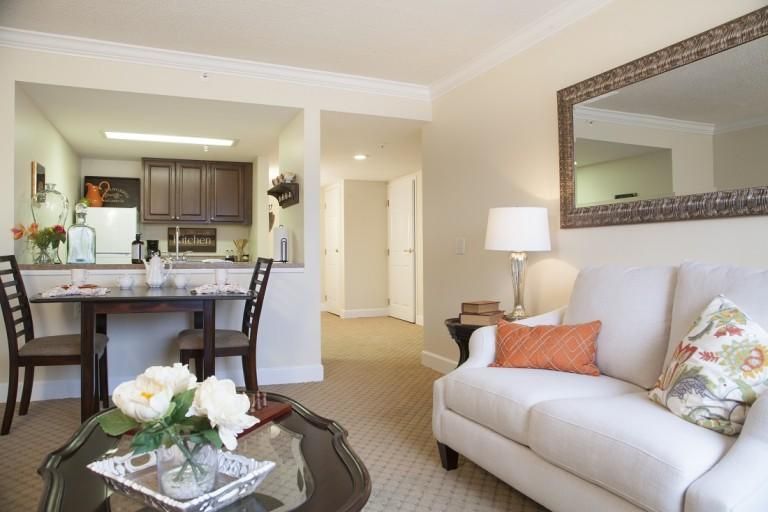
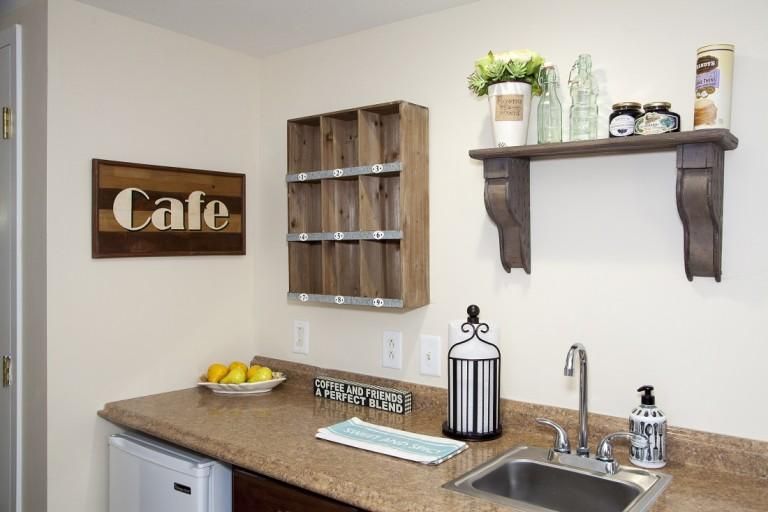
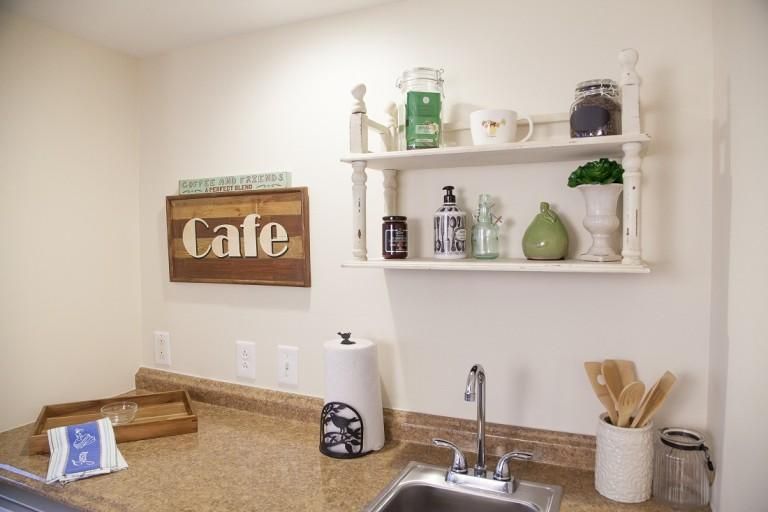
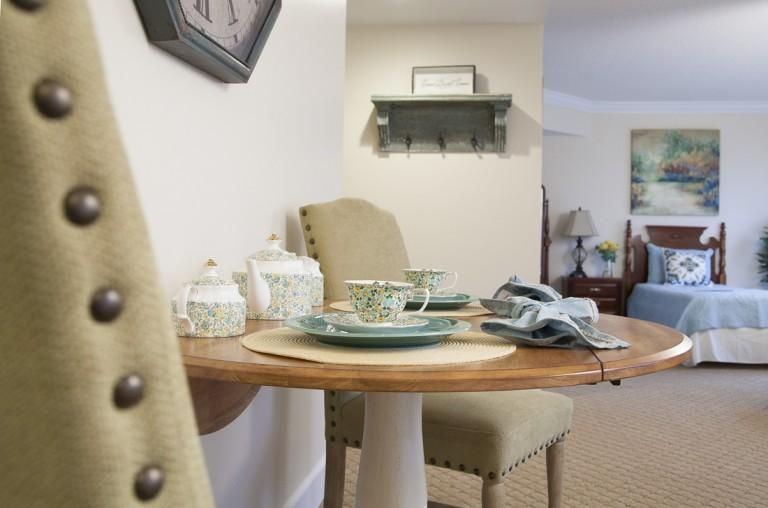
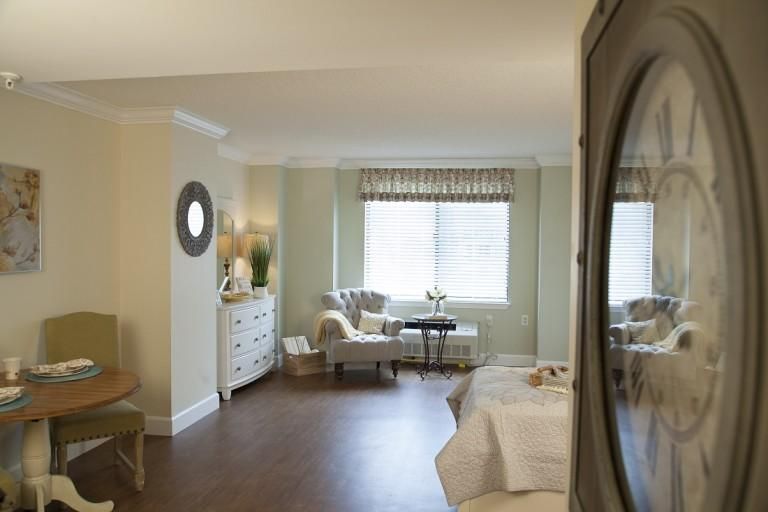
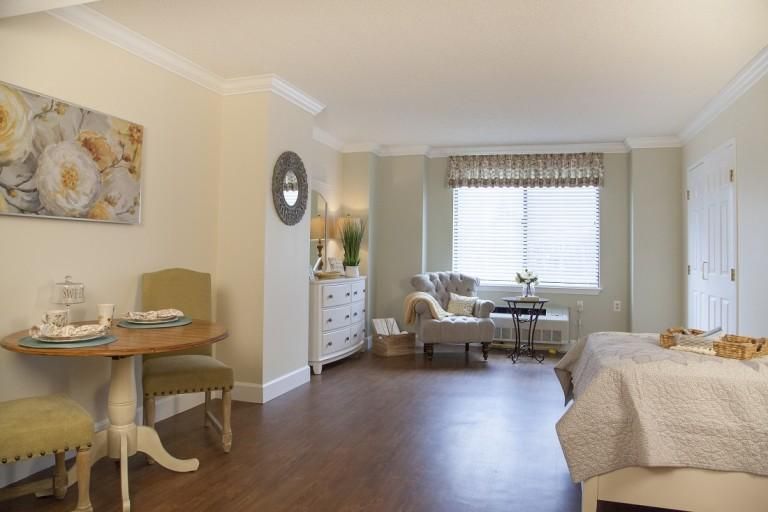
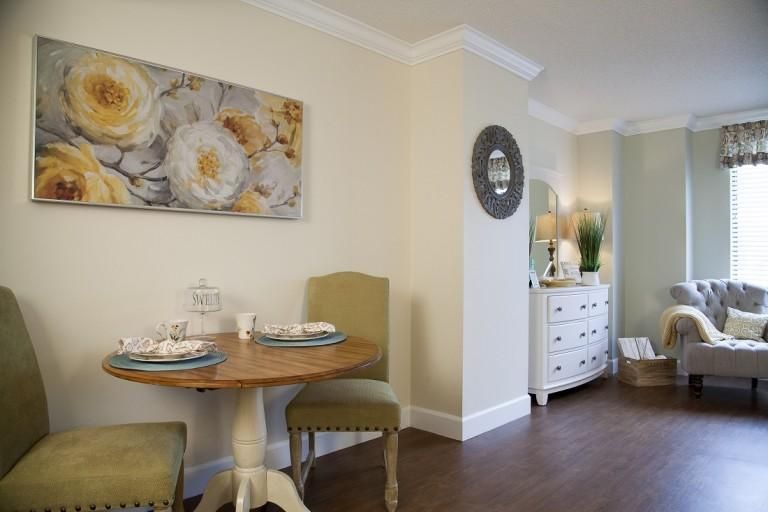
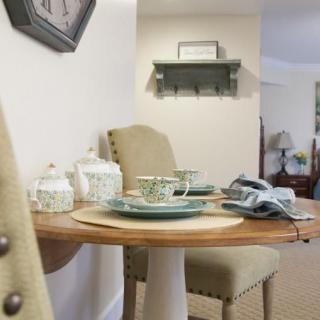
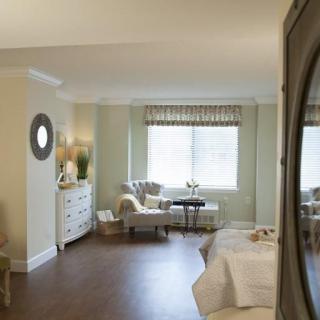
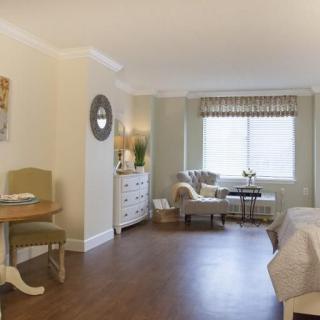
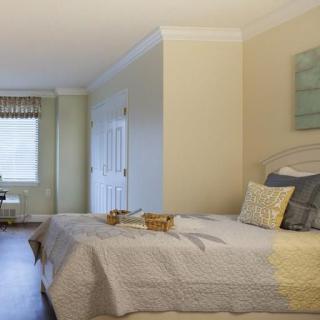
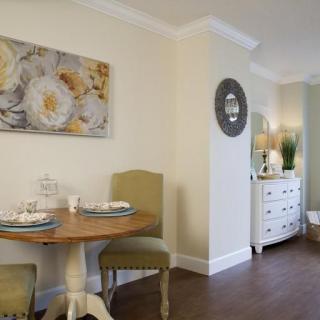
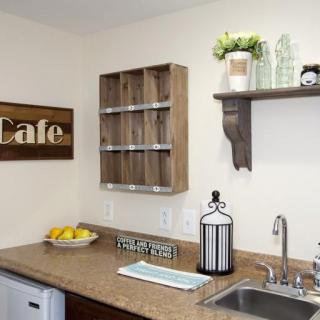
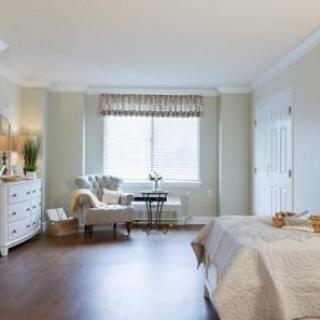
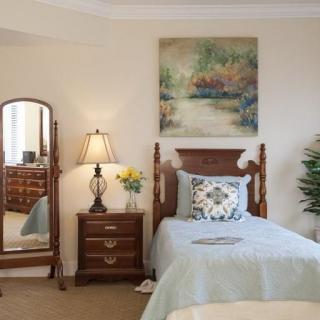
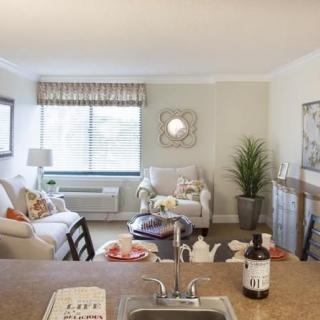
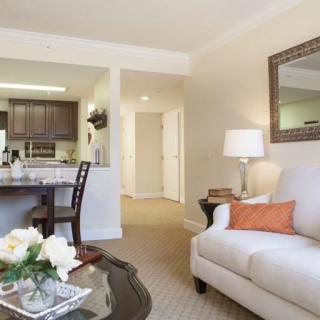
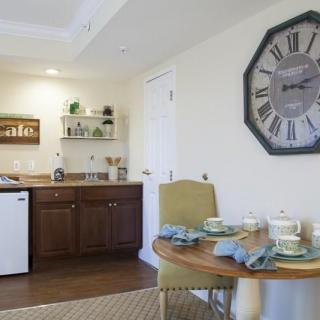
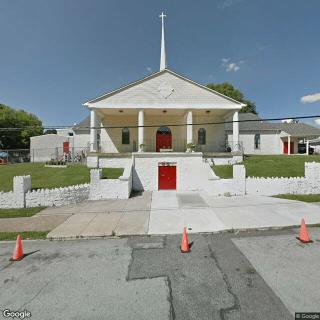
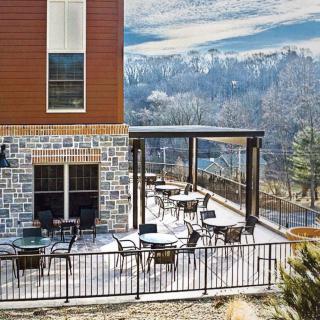
Chestnut Ridge Retirement Living on seniors.fyi includes 19 photos including images showing decor, interior, bedroom, living room, windows, kitchen, natural light, dining, and more.
Nearby Communities
Chestnut Ridge Wallingford
Wallingford, PA
4.2 from 111 reviews
$3,090 / month
Friendly staff, clean surroundings, and good dining options.
The Belvedere
Chester, PA
4.4 from 135 reviews
$635 to $2,970 / month
Caring staff who know residents by name, strong family communication, and a clean, active community.
St James Place
Chester, PA
Excellent access to nearby dining, parks, cafes, pharmacies, and medical services.
Universal Health Recovery Center
Chester, PA
24/7 supervision with ADL support, meals, meds, and medical transport
Hosana Home Health
Woodlyn, PA
4.2 from 21 reviews
Caring, family-like in-home care prioritizing safety and well-being.
Traditions at Ridley Creek
Brookhaven, PA
4.2 from 5 reviews
Personalized care with meal service and dietary accommodations, plus reliable Wi-Fi and convenient amenities.
Pentecostal Square
Chester, PA
4.1 from 21 reviews
$549 to $624 / month
Very affordable rent compared to Delaware County and PA averages; on-site and off-site activities.
Plush Mills Senior Living
Wallingford, PA
4.5 from 93 reviews
$4,400 to $6,600 / month
Caring, attentive staff and a warm, social community.
Truewood By Merrill, Glen Riddle
Glen Riddle, PA
4.1 from 122 reviews
$3,200 to $4,000 / month
Friendly, long-tenured staff in a warm, clean, community-focused setting with engaging activities.
The transition from assisted living to skilled nursing care is often prompted by complex medical needs that assisted living cannot meet, with key indicators including frequent health declines, increased falls, severe memory issues, and caregiver burnout. Families should recognize these signs early to discuss options with healthcare providers and prepare for the emotional and logistical aspects of moving to a facility that offers comprehensive medical support.
Vibrant Senior Living emphasizes active senior living communities that promote independence and engagement through diverse amenities and activities, fostering wellness and social interaction among older adults. These communities range from independent to assisted living, with a focus on personal growth, family involvement, financial planning, and leveraging technology to enhance residents' experiences.
Transitioning from assisted living to memory care is driven by an individual's cognitive decline and specific needs, requiring careful evaluation of indicators like increased confusion and wandering. The process involves consulting medical professionals, researching suitable communities, considering financial and legal aspects, and ensuring effective communication for personalized care plans.
Get PricingAsk A QuestionSchedule A TourContact Senior Advisor
By clicking submit, you agree to our Partner's Terms of Use. You
also consent to receive calls and texts, which may be autodialed, from our Partner. Your consent is not a condition to
using our Partner's service. Please visit our Partner's Privacy Policy for information about their privacy practices.






 130 resident community capacity
 Assisted Living
 Independent Living
 Respite Care
 Skilled Nursing Facility
 Air-conditioning
 Beauty salon
 Cable or satellite TV
 Computer center
 Dining room
 Fitness room
 Fully furnished
 Gaming room
 Garden
 Housekeeping services
 Kitchenette
 Move-in coordination
 Outdoor space
 Private bathrooms
 Restaurant-style dining
 Small library
 Telephone
 Wellness center
 Wi-Fi/high-speed internet available
 Philadelphia International (7 miles away)
 Community operated transportation
 12-16 hour nursing
 24-hour call system
 Activities of daily living assistance
 Assistance with bathing
 Assistance with dressing
 Assistance with transfers
 Diabetes diet
 Medication management
 Mental wellness program
 Special dietary restrictions
 Concierge services
 Planned day trips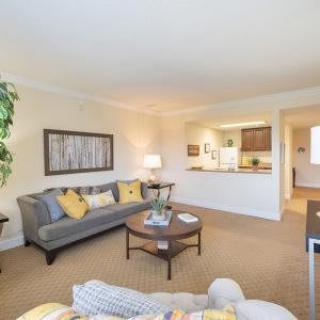
 Friendly staff, clean surroundings, and good dining options.


 8 Key Indicators That Suggest It May Be Time to Transition from Assisted Living to Skilled Nursing Care
 Vibrant Senior Living: A Comprehensive Guide for Active Older Adults
 When to Transition from Assisted Living to Memory Care: Key Indicators, Steps, and Finding the Right Community