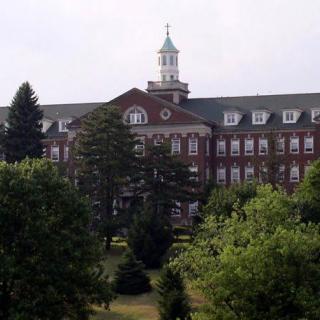
North Strabane Retirement Village in Canonsburg, PA

Save

  • Interior

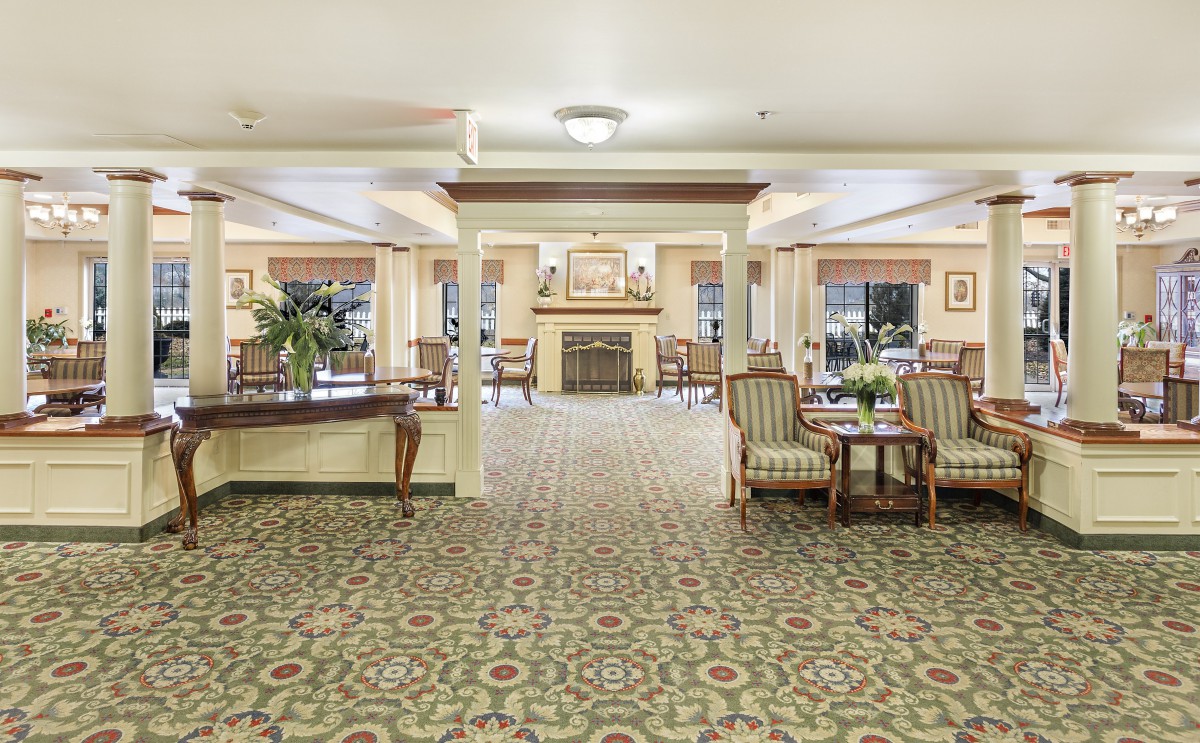
    A spacious and elegantly decorated lobby area with comfortable seating arrangements.
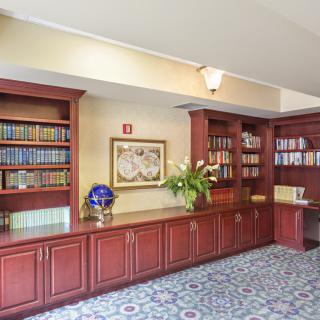
  • Decor

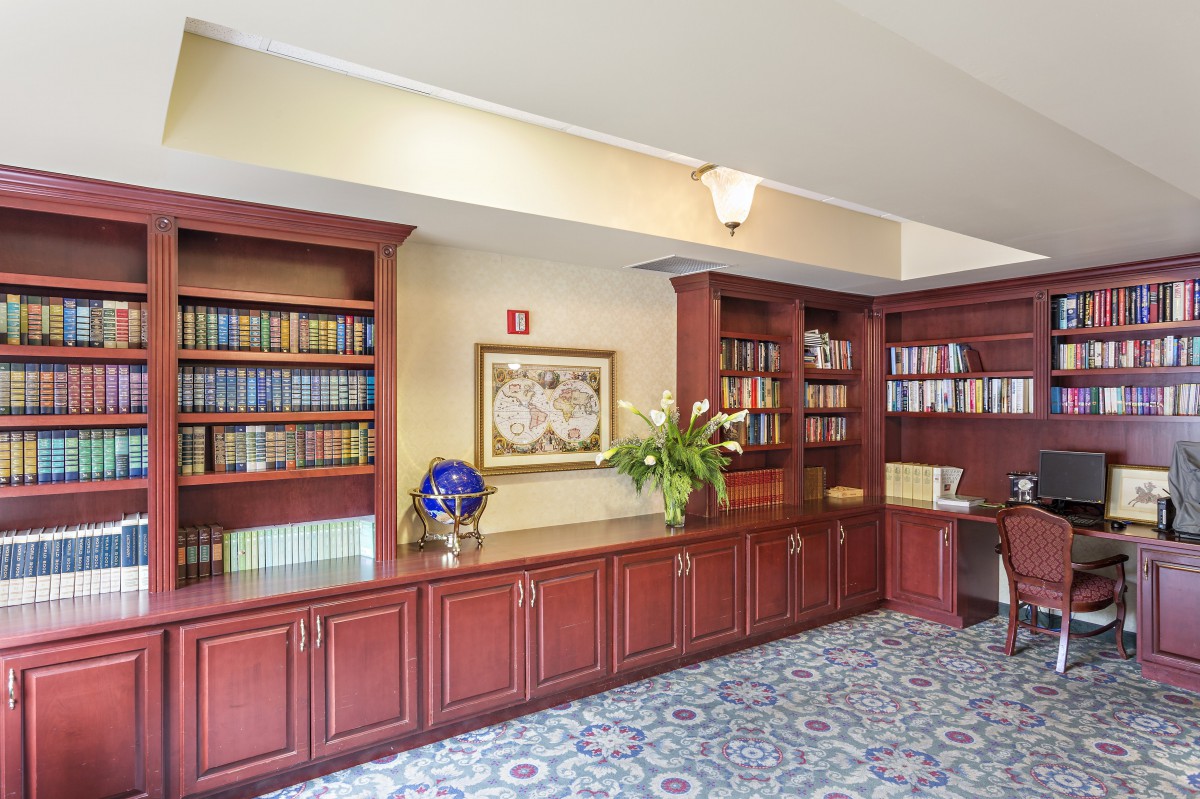
    A cozy library corner with wooden bookshelves filled with books, a vase of flowers, and decorative items on the cabinets.
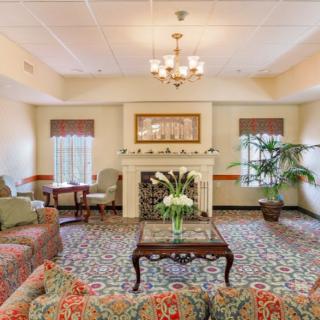
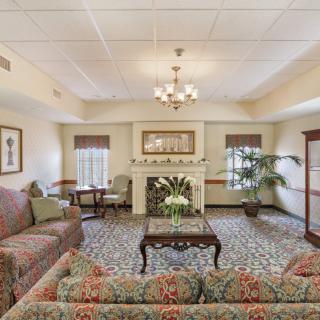
  • Living Room

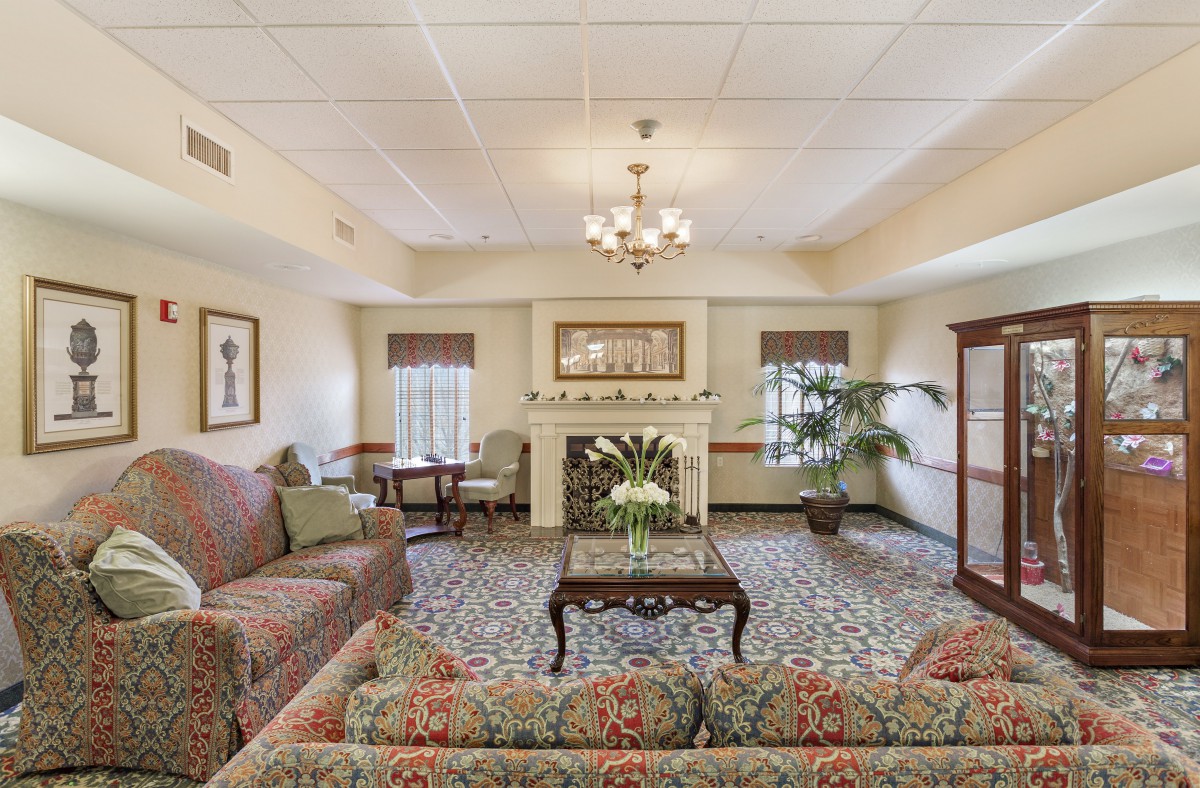
    A cozy and elegantly decorated living room with a fireplace, sofas, and a chandelier.
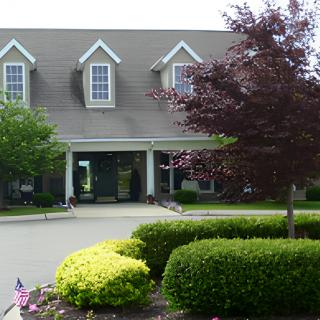
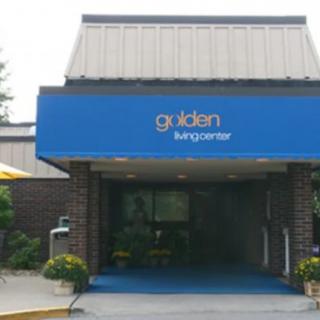
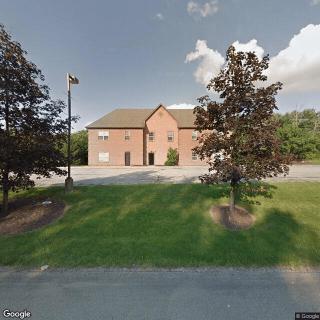
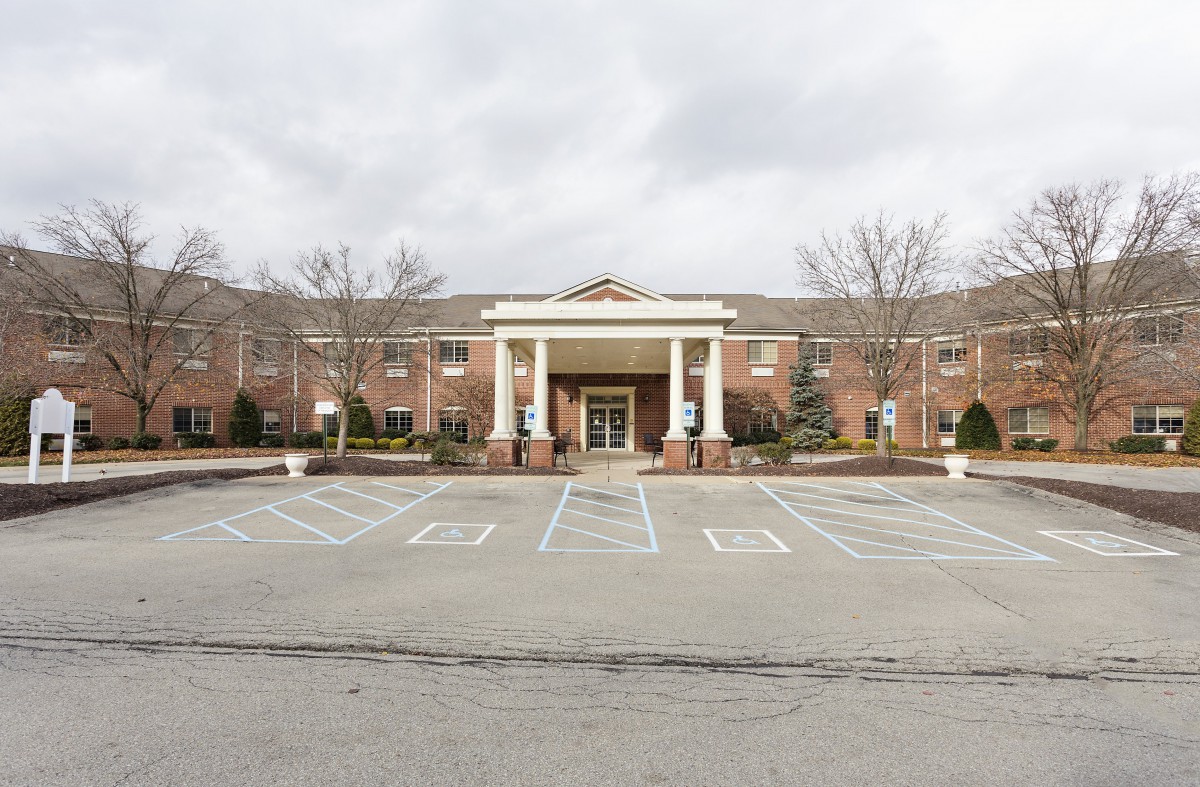
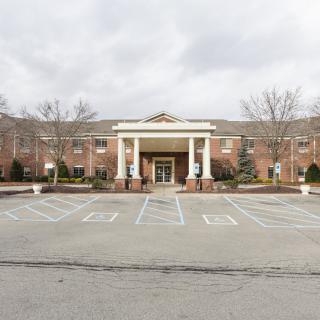
  • Building

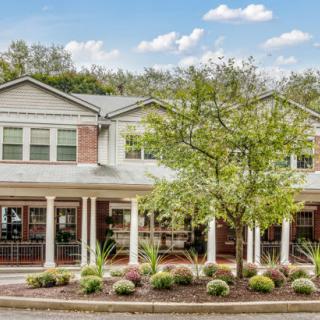
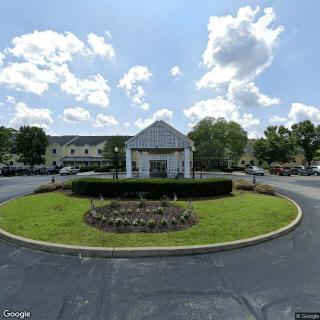
    A brick building with columns at the entrance and an adjacent parking lot.
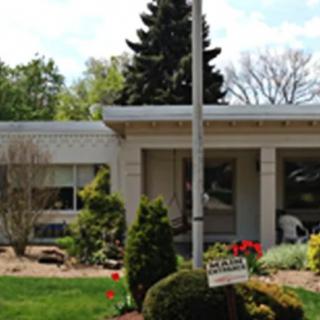
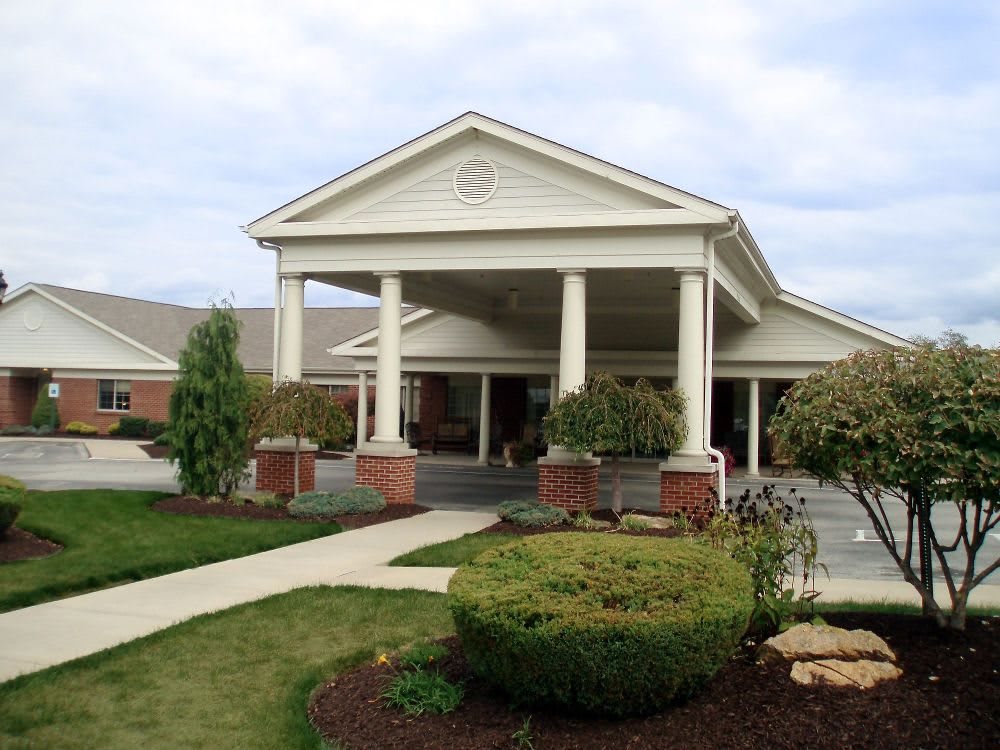
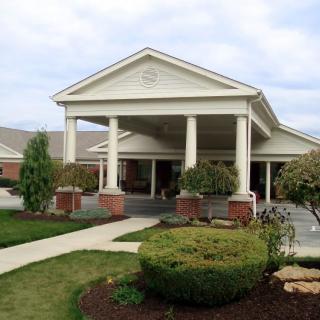
  • Architecture

    A view of a building entrance featuring columns and landscaped surroundings.
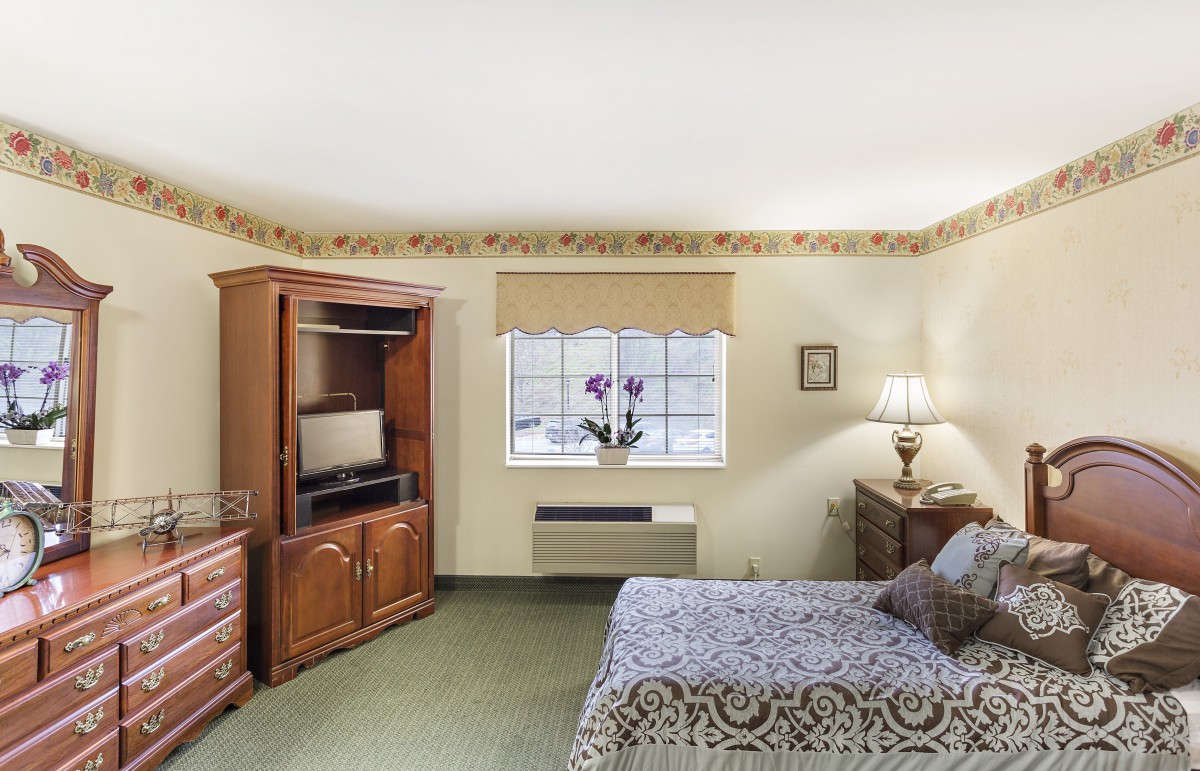
  • Bedroom

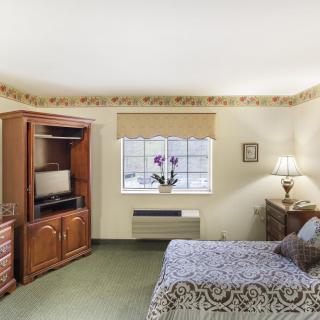
    A cozy bedroom with a wooden cabinet, a TV, a large window, and a bed decorated with patterned bedding.
  • Windows

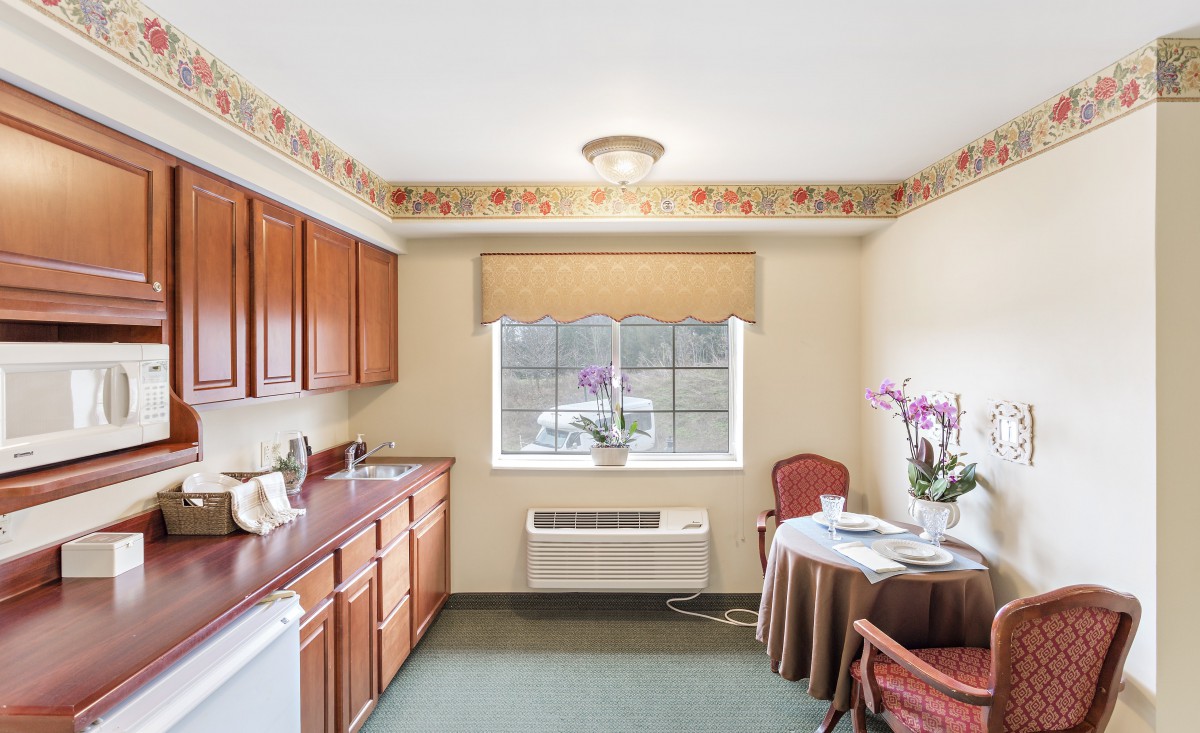
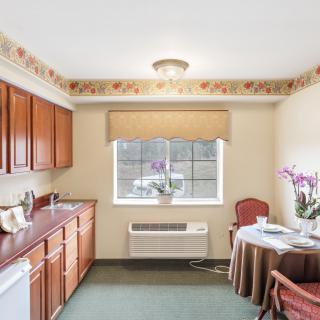
    A cozy kitchen area with wooden cabinets, a small table and chairs, a window with flowers, and a neutral color palette.
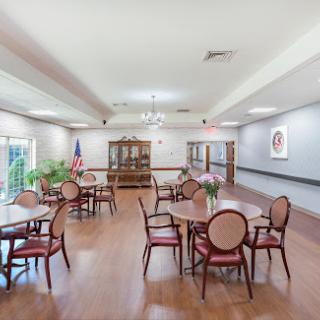
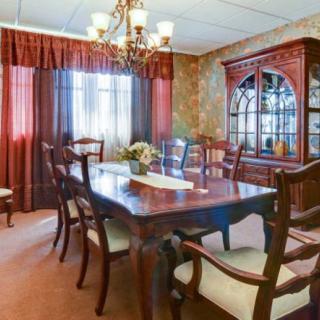
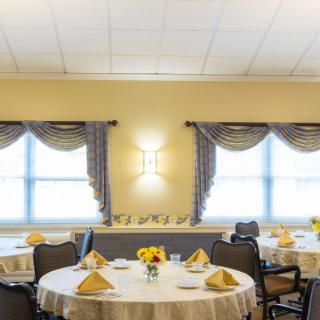
  • Dining

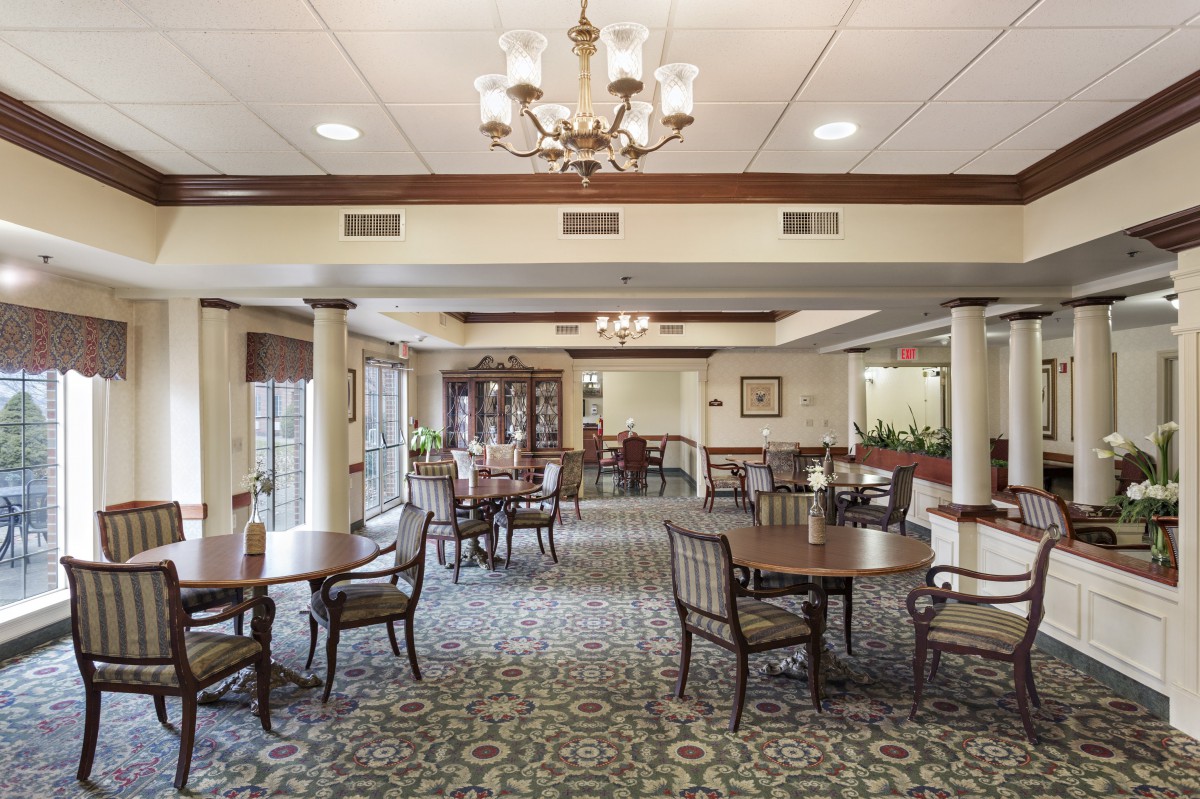
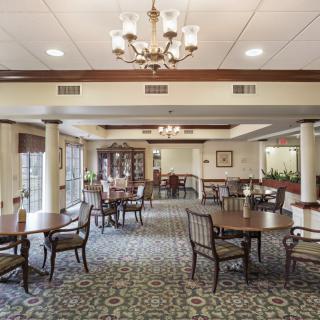
    A spacious dining area with elegant furniture and a chandelier.
  • Lighting

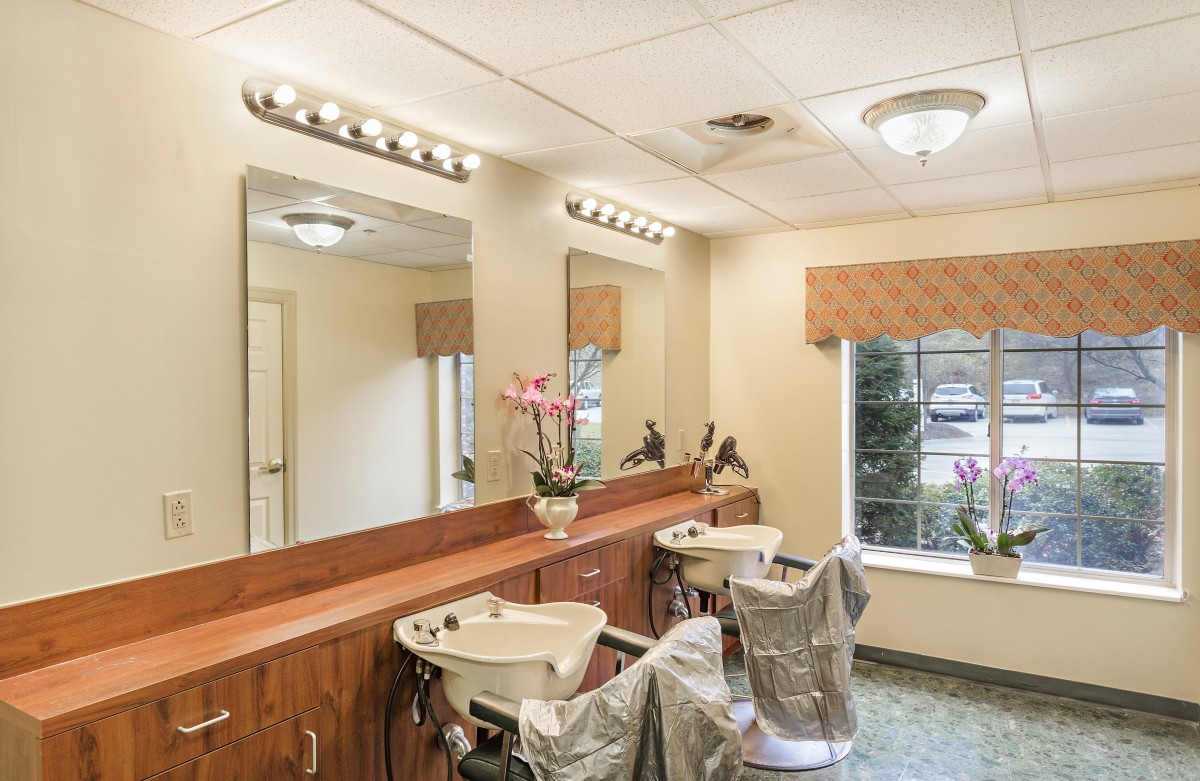
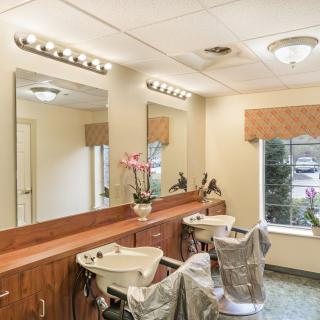
    A well-lit hair salon interior with chairs and sinks.
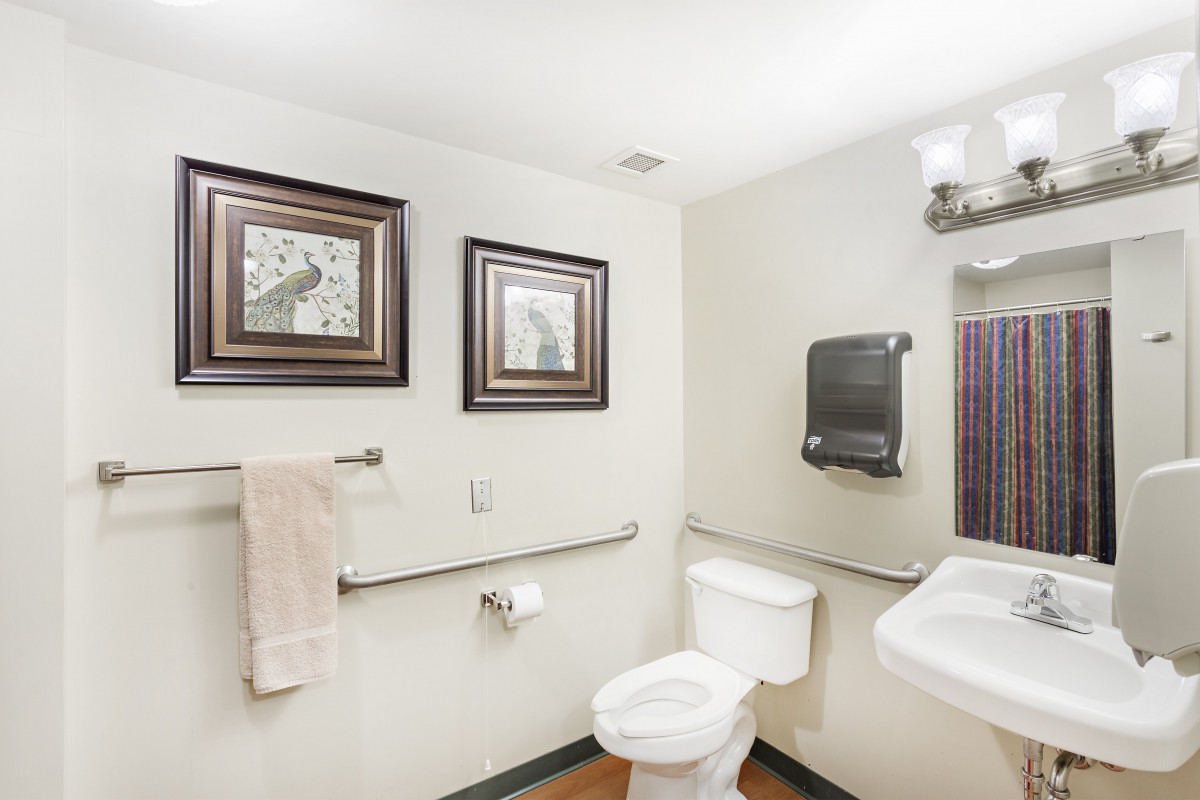
  • Artwork

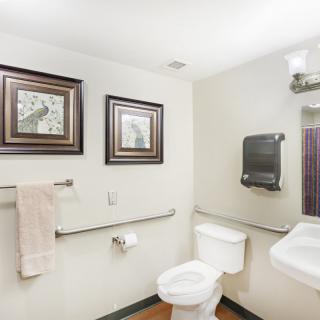
    A clean, well-lit bathroom with framed artwork and modern fixtures.

North Strabane Retirement Village in Canonsburg, PA

200 Tandem Village Rd, Canonsburg, PA 15317

For more information about senior living options: (844) 490-3973

3.1 from 10 reviews
5 stars
3
4 stars
2
3 stars
1
2 stars
1
1 stars
3

Assisted Living

North Strabane Retirement Village Costs & Pricing

At North Strabane Retirement Village, the monthly costs for various room types reflect a competitive pricing structure within both Washington County and Pennsylvania as a whole. For a semi-private room, residents can expect to pay $3,330, slightly above the county average of $3,185 but below the state average of $3,542. The one-bedroom units are priced at $4,260, which is higher than both local and state averages, indicating a premium for the additional privacy. Two-bedroom accommodations are available for $4,590 - again surpassing county figures ($3,502) while remaining reasonably aligned with state expectations ($4,242). Finally, those seeking studio apartments will find a rate of $4,950 at North Strabane Retirement Village; this cost is notably above the averages in both Washington County ($3,389) and Pennsylvania ($3,737), suggesting that these studios offer unique features or amenities that justify their higher price point. Overall, while some costs exceed local averages, others remain competitive or even favorable when compared to regional benchmarks.

Floor plansNorth Strabane Retirement VillageWashington CountyPennsylvania
Semi-Private$3,330$3,185$3,542
1 Bedroom$4,260$3,659$4,006
2 Bedrooms$4,590$3,502$4,242
Studio$4,950$3,389$3,737

Overall Review of North Strabane Retirement Village

Pros

  • pro The facility provides good care and has a new administration.
  • pro The experience at North Strabane has been excellent.
  • pro Everything is going really well there.
  • pro The transition for their loved one was made very smooth.
  • pro The facility is a lovely place that treats residents very well.
  • pro There are always activities throughout the day and scheduled outings.
  • pro The facility is well kept and clean, and the staff are friendly.

Cons

  • pro The facility is severely understaffed and overworked.
  • pro Care is inconsistent and problems take forever to be resolved.
  • pro The food quality is very poor, often described as slop or substandard.
  • pro There have been incidents of vomit on floors and feces in bathrooms, with cleaning issues.
  • pro They do not follow the diabetic diet.
  • pro Dentures have been lost and not replaced.
  • pro Communications are poor; calls are not returned and issues go unresolved.
  • pro A resident with dementia was left in the hospital alone for two days.
  • pro The administration is seen as profit-driven, prioritizing money over resident welfare.
  • pro The facility operates on a provisional license and is considered substandard.

Review

North Strabane Retirement Village in Canonsburg, PA is best suited for seniors who want a warm, social environment and can navigate uneven staffing at times, with a willingness to tolerate some care gaps in exchange for friendly staff, accessible activities, and a homey setting. It is not the right fit for residents who require consistent, high-acuity nursing, intensive memory care, or flawless dietary management. Families should consider alternatives if memory support, reliable response times, and demonstrable adherence to medical or dietary plans are nonnegotiable. In short, NSRV works well for those who prize community spirit and personal interaction over absolute care uniformity.

On the positive side, several reviews highlight genuine warmth from aides who are capable when not stretched too thin, and a welcoming, well-maintained environment. When administration is stable and engaged, transitions can be smooth, and care teams can deliver meaningful daytime activities and outings that keep residents engaged. The facility is described as clean and well-kept, and in some cases families report that staff truly improves the resident experience through hands-on, attentive service. For residents who can thrive with regular programming and a sociable pace, these strengths translate into meaningful daily life and personal connection.

Yet the most persistent and disruptive issues revolve around staffing pressures and the consequences. The community is repeatedly portrayed as chronically understaffed, with aides who are overworked and sometimes unavailable when needed. Communication breakdowns are common, with calls not returned or care requests responding slowly. Instances of unsafe or substandard conditions - such as lingering messes, inconsistent assistance, and noticeable lapses in routine tasks - underscore the vulnerability created by limited staffing. The most serious concerns extend to medical and daily living needs, including failure to follow specialized diets, loss of dentures without timely replacement, and disconnections between family oversight and what happens in the building.

Food quality also stands out as a major, ongoing fault line. Several reviews describe meals as subpar or inconsistent, with complaints about preference, preparation, and taste persisting despite changes in kitchen staff. For families, this is not a minor comfort issue but a core component of daily well-being and mood. Combined with the staffing and communication gaps, inconsistent meals can compound a resident's dissatisfaction and undermine trust in the care team. The absence of dementia-specific programming or memory-care pathways further complicates the picture for families of residents who develop cognitive impairment, making NSRV a less viable option for long-term memory support.

Financial and governance signals appear in some critiques as well. A few families perceive a shift in ownership or management that prioritizes revenue over responsive care, which can exacerbate anxieties about consistency and accountability. The result is a facility that sometimes feels reactive rather than proactive, where problems linger because the leadership team is perceived as slow to act or unwilling to invest in needed staff or program enhancements. These perceptions matter to families seeking predictability, clear lines of communication, and a transparent path to improvement.

Ultimately, families weighing NSRV must balance the bright spots - caring staff when available, engaging activities, and a tidy campus - with the frequent, serious caveats around staffing, safety, and memory-care readiness. If the priority is a vibrant social environment and personal warmth, NSRV can deliver meaningful day-to-day life. If the priority is consistently reliable care, strict dietary adherence, rapid problem resolution, and robust dementia support, alternatives with firmer staffing models and proven memory-care programming should be explored. Prospective residents should insist on current staffing ratios, concrete care protocols, and a plan for memory-support services before making a commitment.

Features

Types of Care

  • Assisted Living Assisted LivingAssisted living facilities provide crucial support and care for seniors who may need help with daily tasks such as medication management, bathing, and meal preparation. These communities offer a safe and comfortable environment where seniors can maintain their independence while receiving the assistance they need to thrive in their golden years.

Pets

  • Cats allowed Cats allowed"Pet friendly" senior living communities are important for seniors because pets provide companionship, reduce feelings of loneliness and depression, promote physical activity and mental stimulation, and offer a sense of purpose and responsibility. Pets can improve overall well-being and quality of life for seniors in many ways.
  • Dogs allowed Dogs allowed"Pet friendly" senior living communities are important for seniors because pets provide companionship, reduce feelings of loneliness and depression, promote physical activity and mental stimulation, and offer a sense of purpose and responsibility. Pets can improve overall well-being and quality of life for seniors in many ways.

Amenities

  • Activities off-site Activities off-siteEngaging in off-site activities is crucial for seniors to maintain social connections, stay active, and stimulate their minds. It promotes overall well-being and helps combat feelings of isolation and loneliness.
  • Activities on-site Activities on-siteActivities on-site are important for seniors because they provide opportunities for socialization, mental stimulation, physical activity, and overall well-being. Engaging in activities can help seniors stay active, maintain their independence, and improve their quality of life.
  • Air-conditioning Air-conditioningAir conditioning is important for seniors as they are more vulnerable to heat-related illnesses and may have underlying health conditions that make it difficult for them to regulate their body temperature. It helps to keep them comfortable, safe, and healthy in hot weather.
  • Beautician on-site Beautician on-siteHaving a beautician on-site at a senior living community is important for seniors as it allows them to easily access grooming and personal care services, boosting their self-esteem and overall well-being. It also provides convenience and helps seniors maintain their sense of independence and personal style.
  • Cable or satellite TV Cable or satellite TVCable or satellite TV is important for seniors because it provides entertainment, news, and companionship, helping to combat loneliness and boredom. It also offers a wide range of programming options tailored to different interests and preferences.
  • Devotional services off-site Devotional services off-siteDevotional services off-site are important for seniors as they provide spiritual nourishment, social engagement, and a sense of community outside of the senior living facility. This can enhance overall well-being and help combat feelings of isolation and loneliness often experienced by older adults.
  • Devotional services on-site Devotional services on-siteDevotional services on-site provide seniors with spiritual support and a sense of community, as well as an opportunity for reflection and guidance during their senior living experience. This can promote emotional well-being and connection to others, leading to a more fulfilling and enriching lifestyle in their later years.
  • Ground floor units Ground floor unitsGround floor units are important for seniors because they provide easy accessibility, reduced risk of falls and injuries, and convenience for those with mobility issues. Seniors can avoid climbing stairs or using elevators, making daily tasks and activities more manageable and enjoyable.
  • Handicap accessible Handicap accessible"Handicap accessible" amenities are crucial for seniors to ensure they can easily navigate and access facilities, services, and activities without barriers or limitations due to physical impairments. This promotes independence, safety, and inclusivity for seniors in senior living communities.
  • Indoor common areas Indoor common areasIndoor common areas are crucial for seniors as they provide a space for socialization, recreation, and community engagement, promoting overall well-being and reducing feelings of isolation and loneliness.
  • Kitchenette KitchenetteKitchenettes are important for seniors living in senior living communities because they provide the convenience and independence of being able to prepare simple meals and snacks in the comfort of their own living space. This can help promote a sense of autonomy and well-being for seniors, allowing them to maintain some level of control over their dietary choices and daily routines.
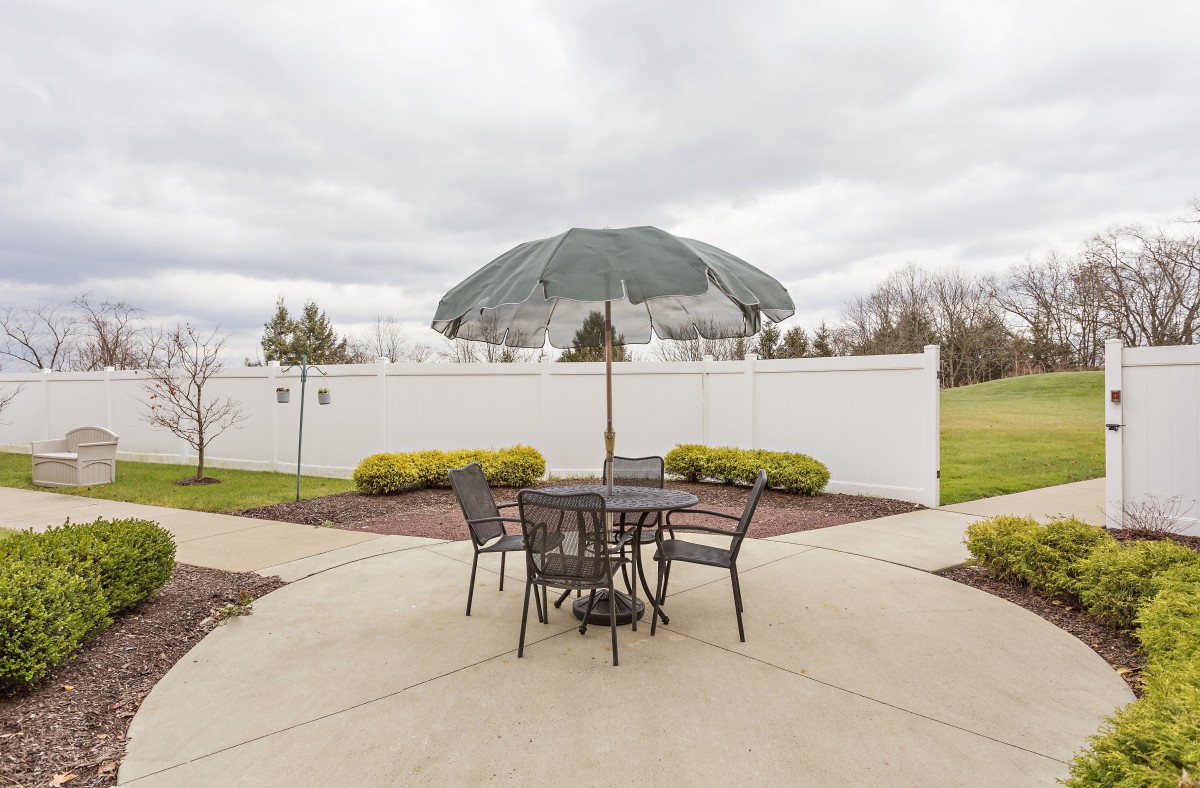
  • Outdoor common areas Outdoor common areasOutdoor common areas are important for seniors as they provide a space for socialization, physical activity, and relaxation. Being outside in nature can improve mood and overall well-being, while also encouraging movement and engagement with others. These spaces can help combat feelings of isolation and promote a sense of community among residents.
  • Respite or short term stays offered Respite or short term stays offeredRespite or short term stays provide seniors with a temporary solution when their regular caregiver is unavailable, offering them the opportunity to receive additional care and support during times of need, while also giving caregivers a chance to rest and recharge.
  • Wi-Fi/high-speed internet available Wi-Fi/high-speed internet availableWi-Fi/high-speed internet is important for seniors to stay connected with loved ones, access online resources, and participate in virtual activities to combat feelings of loneliness and isolation. It also allows them to easily manage healthcare needs, access entertainment, and engage in lifelong learning opportunities.

Transportation

  • Pittsburgh International (17 miles away) Pittsburgh International (17 miles away)

Care Services

  • Diabetic care Diabetic careDiabetic care is crucial for seniors as they are more susceptible to developing diabetes due to aging and other health conditions. Proper management of diabetes can help prevent complications such as heart disease, vision loss, and nerve damage, improving the overall quality of life for seniors in senior living communities.
  • Incontinence care Incontinence careIncontinence care is essential for seniors to maintain their dignity, hygiene, and overall quality of life. By addressing incontinence issues promptly and effectively, seniors can enjoy a sense of independence and comfort in their daily activities.
  • Medication management Medication managementMedication management is crucial for seniors to ensure they are taking the right medications at the correct dosages and times. This helps prevent adverse drug interactions, reduces the risk of medication errors, and promotes overall health and well-being. Proactive management also allows for adjustments as needed based on changing health conditions or new prescriptions.

Dining

  • Guest meals Guest mealsGuest meals are important for seniors living in senior living communities because they provide an opportunity for socialization and companionship. Sharing a meal with friends, family, or new acquaintances can help combat feelings of loneliness and isolation, promote a sense of community, and enhance overall well-being. Additionally, guest meals allow seniors to enjoy delicious food in a comfortable setting without the hassle of cooking or cleaning up, making dining a pleasurable and stress-free experience.
  • Low / no sodium Low / no sodiumLow/no sodium options are important for seniors because excessive sodium intake can lead to high blood pressure, heart disease, and other health issues commonly experienced by older adults. By choosing low/no sodium foods, seniors can better manage their health and reduce their risk of developing these conditions.
  • Meals provided Meals provided"Meals provided" are crucial for seniors in assisted living communities as it ensures they have access to nutritious, balanced meals without the stress of meal planning and preparation. This can help promote overall health and well-being for seniors who may have limited mobility or cognitive abilities.
  • No Sugar No SugarNo sugar diets are important for seniors because they can help prevent or manage chronic conditions such as diabetes, heart disease, and obesity. Sugar can also contribute to cognitive decline and inflammation in the body, so reducing sugar intake can lead to overall improved health and well-being in older adults.
  • Restaurant style dining Restaurant style diningRestaurant style dining is important for seniors as it offers them a social and enjoyable dining experience, promotes healthy eating habits, and provides personalized menu options to cater to their dietary needs and preferences. This type of dining setting can enhance their overall quality of life and create a sense of community within the senior living facility.
  • Special dining programs Special dining programsSpecial dining programs are important for seniors because they provide nutritious meals tailored to their dietary needs and preferences. These programs also offer socialization opportunities, promote overall health and well-being, and can help prevent malnutrition.

Activities

  • Art classes Art classesArt classes are important for seniors because they provide a creative outlet, improve cognitive function, reduce stress and anxiety, promote socialization, and enhance overall well-being and quality of life.
  • Catholic services Catholic servicesCatholic services are important for seniors because they provide spiritual support, a sense of community, and opportunities for social interaction that can enhance overall well-being and quality of life in their later years.
  • Cooking classes Cooking classesCooking classes are important for seniors as they provide opportunities for social interaction, enhance cognitive skills, promote healthy eating habits, and boost confidence in the kitchen.
  • Day trips and outings Day trips and outingsDay trips and outings are important for seniors as they provide opportunities for socialization, mental stimulation, physical activity, and a break from daily routines. These experiences can enhance overall well-being and quality of life for older adults living in senior communities.
  • Devotional activities offsite Devotional activities offsiteDevotional activities offsite are important for seniors because they provide social engagement, spiritual growth, and a sense of community outside of their living environment. This can improve overall well-being, mental health, and combat feelings of isolation or loneliness.
  • Devotional activities on-site Devotional activities on-siteDevotional activities on-site provide seniors with a sense of community, spiritual fulfillment, and emotional support, promoting overall well-being and a positive sense of purpose in their lives.
  • Happy hour Happy hourHappy hour is important for seniors as it provides a social activity that promotes camaraderie and reduces feelings of loneliness or isolation. It also offers an opportunity for older adults to relax, unwind, and enjoy some drinks or snacks in a fun and welcoming atmosphere.
  • Karaoke KaraokeKaraoke provides seniors with a fun and social activity that can boost mood, confidence, and cognitive function. It encourages social interaction, physical movement, and creative expression, making it an important form of entertainment for senior living communities.
  • Live dance or theater performances Live dance or theater performancesLive dance or theater performances are important for seniors because they provide opportunities for socialization, mental stimulation, and emotional engagement. These performances can help combat feelings of isolation and loneliness, while also offering a sense of connection to the arts and culture. Additionally, watching live performances can bring joy and create lasting memories for seniors in their later years.
  • Live musical performances Live musical performancesLive musical performances can provide seniors with a sense of joy, nostalgia, and connection. Music has the power to evoke emotions and memories, improve mood and cognitive function, and foster social interaction among seniors. It can also serve as a form of therapy and stress relief for older adults, making it an important activity to include in senior living communities.
  • Live well programs Live well programs"Live well programs are essential for seniors as they provide opportunities for physical activity, social engagement, and mental stimulation, ultimately promoting overall health and well-being in later years."
  • Visiting chaplain or priest Visiting chaplain or priestHaving a visiting chaplain or priest at a senior living community is important for seniors because it provides spiritual support, comfort, and guidance during a time of life that can be challenging and uncertain. Their presence can help seniors feel connected to their faith, find peace of mind, and cope with the emotional and mental struggles they may face in their later years.

Description

The North Strabane Retirement Village is a premier assisted living community located in Canonsburg, PA. Our community offers a range of amenities and care services to ensure the comfort and well-being of our residents.

Residents can enjoy a variety of activities right on-site, including cooking classes, happy hour, karaoke, live dance or theater performances, and live musical performances. For those seeking spiritual nourishment, we offer devotional services both on-site and off-site. Our outdoor common areas provide a peaceful space for residents to relax and socialize with friends.

Our community is committed to providing quality healthcare for our residents. We offer incontinence care and medication management services to ensure that each resident's individual needs are met. Our dedicated staff members are trained to handle these sensitive matters with compassion and respect.

We understand the importance of dining options for our residents. That's why we provide restaurant-style dining with special dining programs available. Our meals are carefully prepared with consideration for dietary restrictions such as low/no sodium and no sugar options.

Conveniently located near various amenities, including cafes, parks, pharmacies, physicians, hospitals, and restaurants, our community offers easy access to everything our residents may need.

At North Strabane Retirement Village, we strive to create a warm and inclusive environment where seniors can thrive. With an emphasis on activities, care services, dining options, and nearby amenities, we provide the perfect place for assisted living in Canonsburg, PA.

Nearby Places of Interest

Located in the charming town of Canonsburg, Pennsylvania, this area offers a variety of amenities perfect for senior living. Enjoy a wide selection of restaurants including Grande Italian Restaurant and Bean Curd Chinese Restaurant, along with convenient access to healthcare providers such as South Hills Dermatology and Waterdam Family Practice. Nearby parks like Peters Lake Park provide the opportunity for outdoor recreation, while cafes like Starbucks offer a cozy spot to relax and socialize. With convenient transportation options such as the South Hills Village Trolley Stop and entertainment venues like Chartiers Valley Stadium 18 close by, seniors will find plenty to explore and enjoy in this vibrant community.

Restaurants

  • Grande Italian Restaurant (0.6 miles)
  • Bean Curd Chinese Restaurant (0.7 miles)
  • Mad Mex (1 miles)
  • Capstone Grill (1 miles)
  • Juniper Grill (1.1 miles)
  • Applebee's (1.1 miles)
  • Ichiban Hibachi Steakhouse & Sushi Bar (1.2 miles)

Physicians

  • South Hills Dermatology (0.6 miles)
  • Complete Family Care (0.7 miles)
  • Waterdam Family Practice (0.7 miles)
  • Slomiany W Paul MD (2.3 miles)
  • Bachner Darla Pediatric South Peters (3.2 miles)
  • Eye Gallery The (3.6 miles)
  • Tri State Surgery Center (5.1 miles)

Pharmacies

  • Rite Aid (0.7 miles)
  • CVS Pharmacy (1.4 miles)
  • Walgreens (1.4 miles)
  • Walgreens (1.7 miles)
  • Target Pharmacy (6.4 miles)
  • Rite Aid (6.5 miles)
  • Walmart Pharmacy (6.6 miles)

Hospitals

  • St Clair Hospital Outpatient Center (1.3 miles)
  • Washington Hospital (2.3 miles)
  • Washington Hospital (7.4 miles)
  • Washington Health Care Services (7.5 miles)
  • UPMC South Hills (7.8 miles)

Parks

  • Peters Lake Park (1.5 miles)
  • Boyce-Mayview Park (5 miles)
  • Washington Park (7.3 miles)
  • Mingo Creek County Park (7.5 miles)
  • 7th Ward Playground (7.9 miles)

Cafes

  • Starbucks (1.7 miles)
  • OTB Bicycle Cafe at Hastings (5.3 miles)
  • Al's Cafe (5.6 miles)
  • Panera Bread (6.4 miles)
  • Starbucks (6.9 miles)
  • De Lallo's Fort Couch Cafe (7.4 miles)
  • Starbucks (7.5 miles)

Places of Worship

  • St Louise De Marillac Church (5.5 miles)
  • Calvary Full Gospel Church (6.3 miles)
  • First Christian Church (7.2 miles)

Transportation

  • South Hills Village Trolley Stop (7.5 miles)

Theaters

  • Chartiers Valley Stadium 18 (7.9 miles)

Frequently Asked Questions

How much does it cost to live at North Strabane Retirement Village in Canonsburg, PA?
Where is North Strabane Retirement Village?
Does North Strabane Retirement Village allow residents to have pets?
What photos are available for North Strabane Retirement Village in Canonsburg, Pennsylvania?

Nearby Communities

  • Consulate Retirement Village Of North Strabane

    Consulate Retirement Village Of North Strabane

    Canonsburg, PA

    2.5 from 4 reviews
     

    pro Comprehensive amenities and 24/7 supervision with varied care services.

  • North Strabane Rehabilitation And Wellness Center

    North Strabane Rehabilitation And Wellness Center

    Canonsburg, PA

    3.5 from 40 reviews
     

    pro Pleasant setting with extensive amenities and activity options for resident life.

  • South Hills Rehabilitation And Wellness Center

    South Hills Rehabilitation And Wellness Center

    Canonsburg, PA

    3.6 from 13 reviews
    $6,813 to $7,137 / month

    pro Extensive amenities and 24/7 care options.

  • Brightstar of Washington and Greene Counties

    Brightstar of Washington and Greene Counties

    Canonsburg, PA


    pro Excellent proximity to cafes, parks, pharmacies, physicians, restaurants, places of worship, and hospitals.

  • Manorcare Health Services-Peters Township

    Manorcare Health Services-Peters Township

    Mcmurray, PA

    3.5 from 2 reviews
     

  • Mcmurray Hills Manor

    Mcmurray Hills Manor

    Mcmurray, PA

    3 from 37 reviews
     

    pro Skilled staff delivering high-quality care in a clean, homey environment with engaging activities.

  • Townview Health And Rehabilitation Center

    Townview Health And Rehabilitation Center

    Canonsburg, PA

    3.7 from 19 reviews
     

    pro Compassionate dementia care from dedicated staff, with clean facilities and engaging activities.

  • Bridgeville Rehabilitation & Care Center

    Bridgeville Rehabilitation & Care Center

    Bridgeville, PA

    4.1 from 101 reviews
     

    pro Caring staff in a clean, comfortable facility with engaging activities.

  • Strabane Woods Of Washington

    Strabane Woods Of Washington

    Washington, PA

    4.3 from 9 reviews
    $2,176 to $2,893 / month

    pro Visually appealing, clean environment with friendly, attentive staff.

Related Resources

  • assisted living for disabled adultsComprehensive Residential Support and Assisted Living Solutions for Individuals with Disabilities

    The article examines the complexities of assisted living for individuals with disabilities, emphasizing the need for tailored care solutions that enhance quality of life and social inclusion, while addressing financial challenges and advocating for community integration. It discusses various housing options, the importance of financial assistance through public benefits, and highlights trends towards integrated and technology-driven solutions in disability-focused housing.

  • assisted living for disabled adultsComprehensive Supportive Living Arrangements for Adults with Disabilities

    Assisted living for adults with disabilities has transformed to provide personalized care and support services aimed at improving residents' quality of life while balancing independence and assistance. However, low-income individuals often face challenges in affording these services, requiring navigation of various financial resources and advocacy for better policies and solutions.

  • how to pay for assisted livingFunding and Affording Assisted Living: A Thorough Overview
    Assisted living facilities provide support for older adults needing help with daily activities without extensive medical care, but their costs can be high and vary by location and services offered. Families often seek various funding options and financial strategies to manage these expenses effectively while considering future needs and potential price increases.