CONCORDIA LUTHERAN HEALTH AND HUMAN CARE LU
Save134 MARWOOD ROAD, Cabot, PA 16023
For more information about senior living options: (844) 490-3973
A wide range of experiences surrounds Concordia Cabot, painting a picture of a community that can feel like a sanctuary for some families and a source of real frustration for others. On one hand, several residents and families recount years of compassionate care, thoughtful staff, and a welcoming, engageable atmosphere that makes a difficult transition into aging life feel supported rather than daunting. On the other hand, a recurring thread in multiple accounts points to staffing shortages, inconsistencies in care, and communication gaps that can leave wounds unaddressed, pain not managed promptly, and families unsure of what is happening behind the scenes.
In longstanding family traditions, Concordia Cabot is described as a place where care can feel deeply personal. One reviewer spoke of a father who received respectful and compassionate care across a broad spectrum of situations, and a grandmother whose experience in the facility's care was described as "amazing." The praise extended to the people who worked with her: nurses and aides who were attentive, and therapists who contributed to her well-being. The sense of trust extended beyond clinical tasks to the quality of daily life - clear communication with staff, a reassuring presence, and a continuity that made families feel their loved ones were in capable hands. The campus's broader ethos also came through in these accounts, with references to maintenance and environment contributing to a sense of safety and care.
Other reviews center on the personal-care and skilled-nursing teams, where families repeatedly highlighted positive interactions with specific staff members. The care described as "friendly, caring, and skilled" is paired with gratitude for the social workers, admissions teams, and particularly the activities staff, whose work helps residents stay engaged and connected. Families applauded the wide range of services, from therapy to social programming, and many noted that staff seemed to know each resident's preferences well - adding a sense of warmth to the clinical routine. The appreciation for the activities team stood out, with examples of concerts, zoo visits, hymns, and other events that helped residents feel a sense of community and purpose.
Yet, alongside these strong positives, there are repeated concerns about staffing levels and the ripple effects of being short-staffed. Several reviewers observed that not enough hands are on deck, with staff often described as hustling to attend to multiple needs at once. In some cases, families reported that important tasks - like changing bandages after surgeries, assisting with personal care, or simply checking in - were delayed. One family noted that bandages had not been changed for days during a patient's recovery, and another described a stronger pattern of delayed pain medication, sometimes waiting half an hour to 45 minutes. In several accounts, the inconsistency of care or the unevenness among staff left families uncertain about who was responsible for a given task on any particular day.
Communication and coordination also appear as significant points of friction in a number of stories. A few families described situations where questions or concerns were met with defensiveness or a feeling that their input was not being heard, including experiences where asking for clarification or feedback led to responses that felt dismissive. Some reviewers explicitly referenced problematic interactions with medical staff or administrative policies, such as statements about not being the "right fit" for feedback, which contributed to a sense that families might be marginalized or discouraged from raising concerns. These experiences contrasted with the repeated praise for staff who were described as genuinely caring and responsive, highlighting how the message received about care can vary dramatically from one caregiver to another.
There are also stories that draw attention to the broader environment and culture of Concordia Cabot. One resident, Bud Sears, wrote about life at the Haven campuses in a way that celebrates independence, community, and the abundance of opportunities available to seniors. He described a campus rich with activities, volunteers, and practical amenities - gardening, a woodshop, social events, and transportation - that can help residents feel engaged and autonomous. That same tone of appreciation for a vibrant, supportive community appears in many reviews that emphasize connection, safety, and a sense that the facility offers more than just a place to live, but a place to thrive.
Taken together, these accounts present a facility capable of extraordinary care and community when staffing is adequate and communication flows smoothly, but vulnerable to significant gaps when staffing is stretched thin. Families who highlight the facility's strengths point to compassionate caregivers, reliable routines, and meaningful activities that give residents dignity and joy. Others warn that delays in wound care, inconsistent administration of medications, and uneven responsiveness can pose real risks, including hospital readmissions or infections. For prospective families, the message is clear: Concordia Cabot can be a wonderful home with a caring culture, but it's important to have explicit conversations about staffing levels, care protocols, wound-management practices, and channels for raising concerns to ensure that care stays consistently aligned with a loved one's needs.
Concordia Lutheran Health and Human Care LU in Cabot, PA is an assisted living community that offers a range of services and amenities to its residents. Located in a peaceful neighborhood, this community provides a comfortable and caring environment for seniors who require assistance with their daily activities.
With two pharmacies nearby, residents have convenient access to medication and prescription services. This ensures that their healthcare needs are met promptly and efficiently. Additionally, having three physicians in close proximity allows for regular check-ups and easy access to medical care when needed.
Residents at Concordia Lutheran Health and Human Care LU can enjoy dining out at one of the four nearby restaurants. These establishments offer a variety of cuisine options, giving residents the opportunity to experience different flavors and enjoy social outings with friends or family.
Transportation is readily available with two options nearby, making it convenient for residents to travel to appointments, run errands, or simply explore the surrounding area. Whether they prefer public transportation or private car services, these options ensure that seniors have the freedom to maintain an active lifestyle.
For spiritual wellness, there is a place of worship located close to the community. This allows residents to attend religious services or seek spiritual guidance according to their beliefs and preferences.
Lastly, having a hospital nearby provides peace of mind knowing that immediate medical attention is easily accessible in case of emergencies or unforeseen health issues.
Overall, Concordia Lutheran Health and Human Care LU in Cabot, PA offers an assisted living community with various amenities conveniently located nearby. Residents can feel confident that their healthcare needs will be met while enjoying convenient access to dining options, transportation services, spiritual support, and emergency medical care when required.
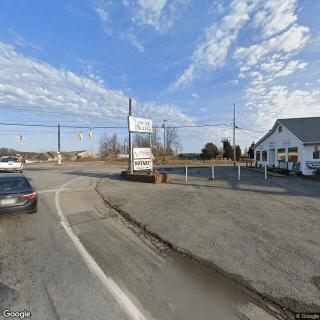
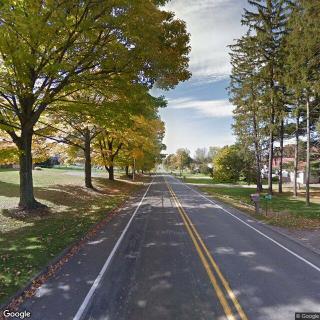
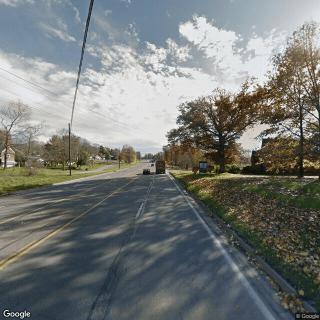
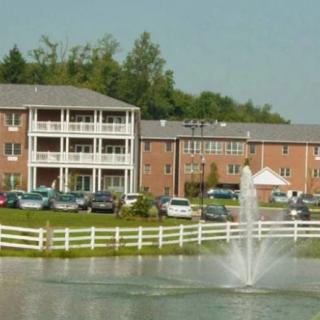
CONCORDIA LUTHERAN HEALTH AND HUMAN CARE LU is located at 134 MARWOOD ROAD, Cabot, PA 16023 in Butler County, Pennsylvania
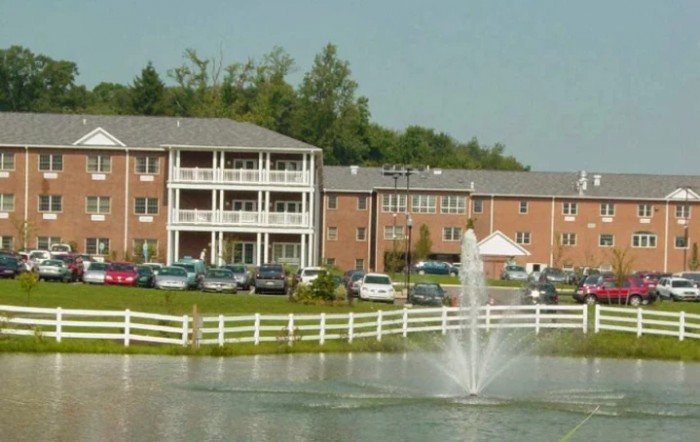
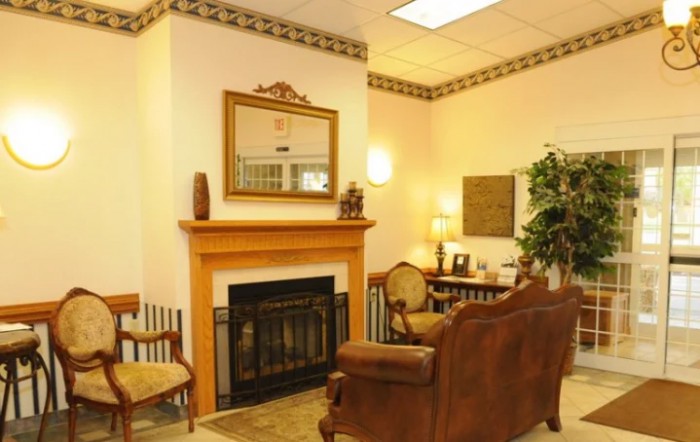
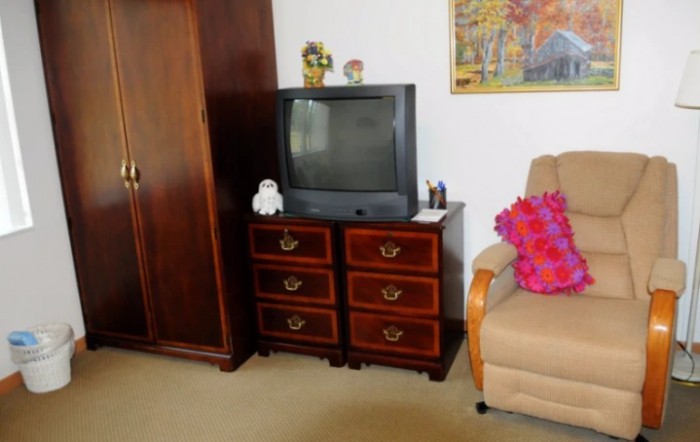
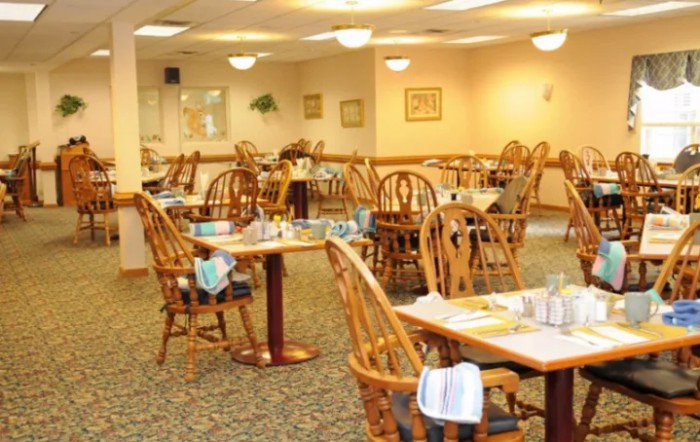
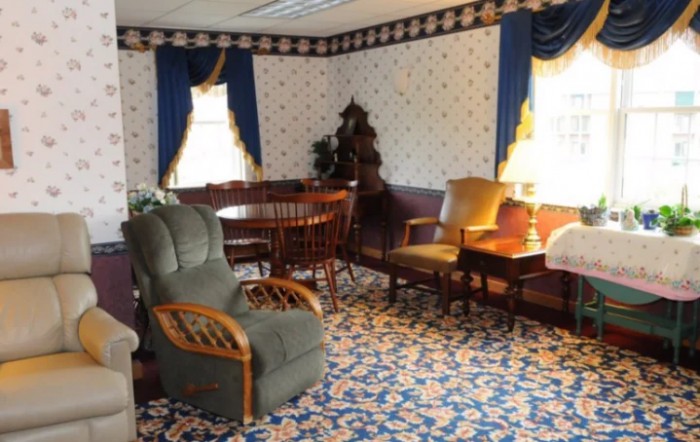
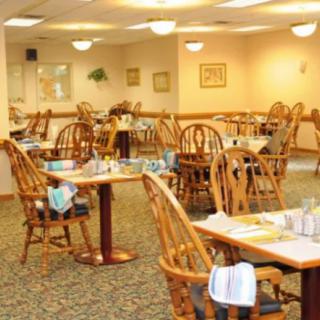
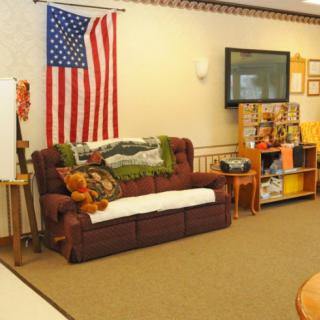
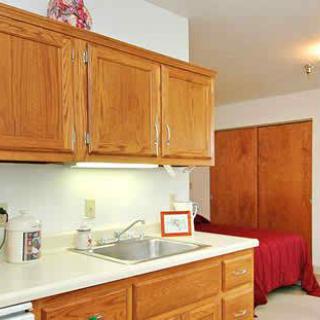
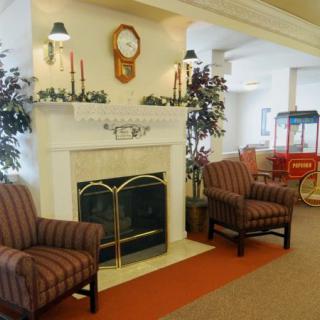
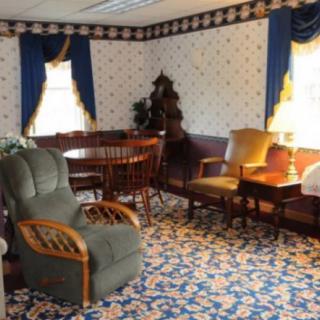
CONCORDIA LUTHERAN HEALTH AND HUMAN CARE LU on seniors.fyi includes 5 photos including images showing living room, dining, interior, traditional decor, television, decor, lighting, dining table, and more.
Concordia Lutheran Ministries Oertel Building
Cabot, PA
24-hour care with private rooms and restaurant-style dining.
Concordia Lutheran Ministries Oertel Building reviews
Concordia Lutheran Ministries Oertel Building images
Concordia Haven Apartment
Cabot, PA
Visually appealing, clean, and friendly staff.
Concordia Haven Apartment costs
Concordia Haven Apartment reviews
Concordia Haven Apartment images
Magnolia Place of Saxonburg
Saxonburg, PA
Compassionate staff in a clean, well-maintained facility with engaging activities and a secure garden.
Magnolia Place of Saxonburg costs
Magnolia Place of Saxonburg reviews
Magnolia Place of Saxonburg images
Fawn Personal Care Home
Tarentum, PA
Small family-style setting with attentive medication care, transportation to appointments, and on-site grooming in a peaceful rural setting.
Fawn Personal Care Home costs
Fawn Personal Care Home reviews
Concordia at the Orchard
Butler, PA
Welcoming staff and residents in a well-maintained, appealing environment.
Concordia at the Orchard reviews
Concordia at the Orchard images
Recognizing the Journey: Understanding and Navigating Anticipatory Grief

Anticipatory grief is an emotional response to the impending loss of a loved one, characterized by complex emotions such as sadness and anger, and involves navigating stages similar to those identified by Kübler-Ross. Coping strategies are vital for managing this process, emphasizing compassionate communication, self-care, and support groups while recognizing the cultural influences on grieving.
Encouraging Participation in Adult Day Care: A Guide to Supporting a Hesitant Parent
Adult day care programs offer essential support and activities for older adults, yet many hesitate to participate due to concerns about independence and stigma. To alleviate these apprehensions, families should facilitate open discussions, explore financial resources, suggest trial visits, and collaborate with healthcare providers to highlight the benefits of such services for both the participants and their caregivers.
Comprehensive Exploration of Living Wills and Other Advance Directives

Living wills and advance directives are crucial legal documents that outline an individual's healthcare preferences when they cannot make decisions themselves, enhancing patient autonomy and alleviating family stress during medical crises. The article emphasizes the need for these documents to be personalized, legally valid, and regularly updated, while also encouraging communication about end-of-life wishes among family members and healthcare providers.