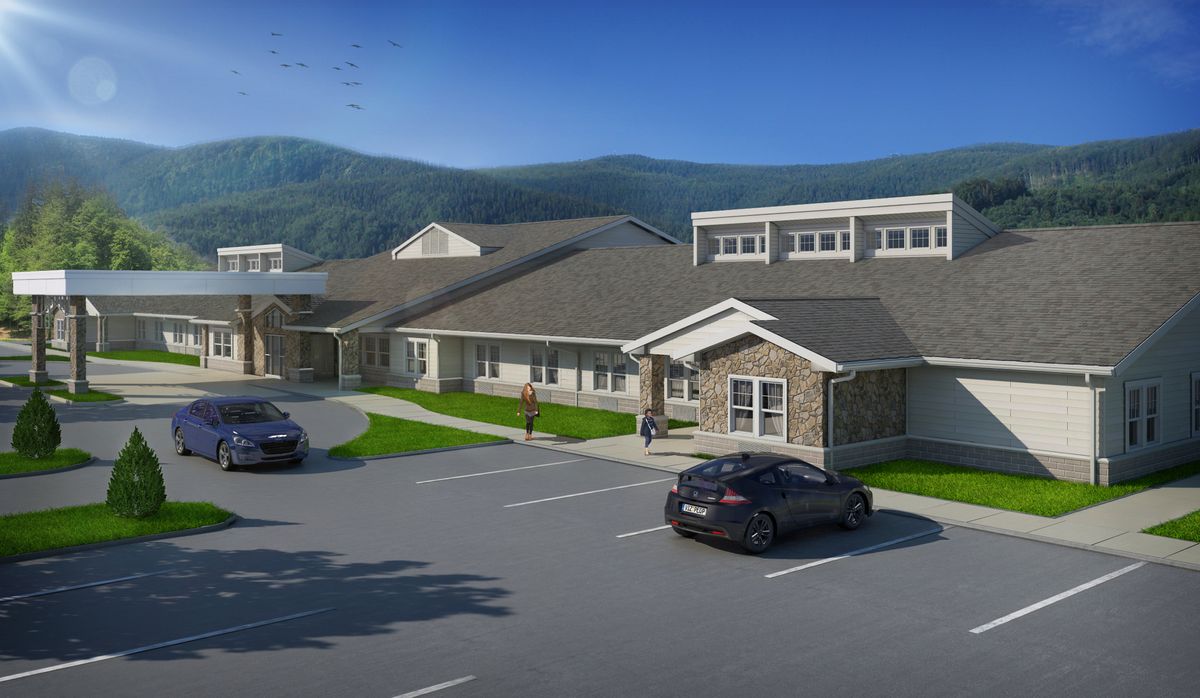
294 Discovery Drive, Boalsburg, PA 16827
For more information about senior living options: (866) 208-4318
Overall Review of Wynwood House at Nittany Valley
Pros
 The building is clean.
- The facility and its staff are warm and friendly, and residents seem happy.
- The environment is warm and welcoming, and it caters to the individual needs of each resident.
- The staff are kind, detail-oriented, and genuinely care about what they do.
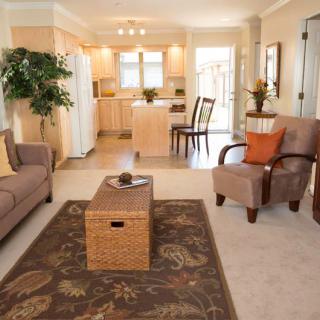
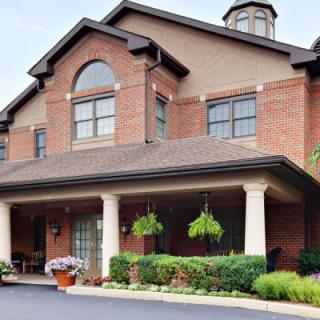
- The facility is small, easy to maneuver, and feels homey and cozy.
- The care is very good, with engaging activities like crafts and puzzles, and a variety of food.
- The facilitator and staff are outstanding, polite, and highly accommodating, with easy communication for visits and setup.
Cons
 The family felt the facility showed no compassion.
- There were significant flaws in the building design and the location of the AC vents.
- The building was kept too cool, with cold air pouring into residents' rooms.
- The laundry was not done properly, and clothes smelled of urine.
- Staff placed waterproof underwear over the resident's sweatpants.
- The facility was understaffed.
- Toilet and bed were not initially equipped for elderly/disabled residents.
- Medical oversight was questioned when a blood sugar reading of 300+ was deemed acceptable.
Review
Wynwood House at Nittany Valley is best suited for families seeking a compact, home-like assisted living option in Boalsburg, where a resident can enjoy a warm, personable team and a neighborhood feel. This community shines for seniors who value easy navigation, the ability to have a room that feels personal through decorating, and frequent, welcoming contact with staff. It is ideal for lighter medical needs and for those who want to stay close to family, visits feel simple, routine, and low-stress. Those who require robust on-site medical oversight, a large campus with many amenities, or specialized memory-care design should look elsewhere, because the homey footprint and staffing model may not align with higher acuity demands.
The strongest positives are tangible: staff consistently come across as kind, attentive, and genuinely invested in residents, and the environment itself feels intimate and welcoming. Families repeatedly note the ease of getting questions answered and the sense that care can be individualized rather than delivered with a one-size-fits-all approach. Activities and engagement, craft rooms, puzzle tables, and a varied menu, help residents stay connected, entertained, and comfortable in a setting that respects routine and familiarity. The ability to choose a more affordable suite arrangement and to visit often without bureaucratic hurdles adds practical value for households managing tight budgets and busy schedules.
However, several red flags warrant serious consideration. A reviewer recounted a perceived lack of compassion after a loved one’s death, highlighting the importance of consistent, transparent family communication and emotional sensitivity alongside medical care. Facility design and climate control also drew critique: vents positioned near room entrances can blow cool air directly onto residents, creating discomfort that can aggravate chronic conditions. Laundry practices were described as subpar in a troubling instance, including smells and handling issues, which speaks to broader questions about hygiene protocols and staff training. These concerns, plus reports of understaffing and at times uneven critical equipment preparation, suggest risk points that families should probe before committing.
To separate good intentions from real-day realities, families should seek concrete assurances during tours and in written agreements. Ask how staff-to-resident ratios are maintained across shifts, what contingency plans exist when a nurse or key caregiver is unavailable, and how quickly health changes trigger medical review. Inquire about temperature control systems, maintenance responsiveness, and current pest and laundry handling procedures. Request a recent incident log and a clear description of how concerns are escalated to administrators, as well as how families receive ongoing updates about medically sensitive changes. Confirm that the facility’s practice aligns with desired levels of medical oversight, dementia care protocols, and daily programming.
Alternatives make sense for residents who require stronger medical resources or more intensive memory-care structures. If the priority is a higher acuity mix, predictable hospital-to-home oversight, or a campus with larger clinical staffing, shifts to a bigger community or a dedicated memory-care setting should be considered. For families worried about climate comfort or consistent housekeeping, compare HVAC design, maintenance response times, and cleanliness records across options. Those who place a premium on a high-touch, small-community vibe with always-available family access may find Wynwood House compelling enough to investigate further, provided the current concerns are clarified and assurances secured.
The bottom line is practical and straightforward: Wynwood House at Nittany Valley delivers warmth, personalized attention, and a genuinely home-like ambiance that many families prize. Yet the experiences described, questions about compassion at tough moments, potential HVAC discomfort, laundry lapses, and periods of understaffing, underscore the need for thorough due diligence. For residents with modest medical needs who prize proximity to family and a close-knit community, this can be a strong match if leadership can demonstrate stable staffing and reliable operations. For those with higher care requirements or anxieties about maintenance and consistent medical oversight, pursuing alternatives with clearer medical protocols and stronger facility infrastructure is prudent.
 40 resident community capacity
 3-bedroom apartments
 Assisted Living
 Respite Care
 Cats allowed
 Dogs allowed
 Activities on-site
 Beautician on-site
 Cable or satellite TV
 Devotional services off-site
 Dining room
 Fully furnished
 Garden
 Housekeeping services
 Indoor common areas
 Kitchenette
 Laundry
 Move-in coordination
 Outdoor space
 Restaurant-style dining
 Small library
 Telephone
 Wi-Fi/high-speed internet available
 University Park (6 miles away)
 Transportation & parking
 24-hour call system
 Ambulatory care
 Assistance with bathing
 Assistance with dressing
 Assistance with transfers
 Diabetes diet
 Diabetic care
 Medication management
 Mental wellness program
 Special dietary restrictions
 English

 Assisted Living Expenses and Long-Term Care Insurance: A Comprehensive Exploration
 Securing Financial Support for Assisted Living: A Comprehensive Overview
 Social Security Benefits and Assisted Living: Navigating Options Across the U.S.