William Penn Healthcare And Rehabilitation Center Costs & Pricing
At William Penn Healthcare and Rehabilitation Center, the cost for a semi-private room stands at $5,250 per month. This figure is notably higher than both the average rates in Mifflin County, which are approximately $3,457, and the broader state average of $3,542 for similar accommodations. The premium pricing at William Penn reflects its comprehensive range of services and dedication to quality care, positioning it as a more specialized option within the local landscape. While residents may face higher monthly expenses compared to their counterparts elsewhere in Mifflin County and Pennsylvania, many families find that the additional investment translates into enhanced support for their loved ones' health and well-being.
Floor plans
William Penn Healthcare And Rehabilitation Center
Mifflin County
Pennsylvania
Semi-Private
$5,250
$3,457
$3,542
Skilled Nursing Facilities with a similar price nearby
Overall Review of William Penn Healthcare And Rehabilitation Center
common12 reviews mention this
Cleanliness stands out
Residents and visitors repeatedly describe a clean facility with no unpleasant smells.
Many reviewers point to cleanliness as a consistent strength, mentioning how clean the place looked and how orderly rooms felt. Several also specifically comment on odor, saying it didn’t have an institutional smell or “did not smell” like a rehab or nursing home. A few visitors also connect cleanliness with feeling reassured about resident care.
common5 reviews mention this
Staff communication eases families
Families mention clear, timely communication when care changes or questions come up.
Reviewers describe staff as responsive when they called for help, and they note that families receive updates promptly. Several also say staff communication is efficient and reassuring, including explanations around paperwork and medications during admission. In day-to-day visits, people mention being able to ask questions and being directed or supported without feeling left waiting.
differentiator4 reviews mention this
Skilled rehab and clinical support
Residents receive hands-on rehab and nursing support, including medication review and therapy help.
A number of reviews mention therapy and skilled nursing experiences, including physical therapy and rehab that felt tailored to what they needed. Others describe clinical attention such as nurses being attentive to needs and an RN reviewing medications and vaccinations during intake. One review also specifically references wound care and IV antibiotic therapy, reinforcing that skilled medical support is part of the experience.
common2 reviews mention this
Activities keep residents engaged
Residents appear to have regular opportunities to take part in activities.
Several reviewers highlight that the facility offers things for residents to engage with, including resident joys from fun activities. One review also notes that there were “several things to engage” patients, linking that activity to a more positive overall experience during visits.
caveat2 reviews mention this
Caution about staffing at times
Some reviews raise concerns about staffing levels and response times.
While many reviewers praise attentive care, a couple describe situations where residents had to wait longer after using the call bell. One also notes a concern that attendants or nursing help can be stretched, and another review suggests the nursing team may be short staffed. These comments are limited, but they are recurring enough to stand out against the general praise.
How we summarize
Counts show how many written reviews mention each theme; a review can touch several themes, and only frequently mentioned themes are displayed.
Features
Housing
121 resident community capacity
Types of Care
Skilled Nursing Facility
Pets
Cats allowed
Dogs allowed
Amenities
Air-conditioning
Beauty salon
Cable or satellite TV
Computer center
Dining room
Fitness room
Fully furnished
Gaming room
Garden
Housekeeping services
Kitchenette
Move-in coordination
Outdoor space
Private bathrooms
Restaurant-style dining
Small library
Telephone
Wellness center
Wi-Fi/high-speed internet available
Transportation
University Park (22 miles away)
Community operated transportation
Transportation arrangement
Transportation arrangement (non-medical)
Transportation to doctors appointments
Care Services
12-16 hour nursing
24-hour call system
24-hour supervision
Activities of daily living assistance
Assistance with bathing
Assistance with dressing
Assistance with transfers
Diabetes diet
Meal preparation and service
Medication management
Mental wellness program
Special dietary restrictions
Dining
Diabetes diet
Special dietary restrictions
Activities
Community-sponsored activities
Concierge services
Fitness programs
Planned day trips
Resident-run activities
Scheduled daily activities
Nearby Places of Interest
This part of Lewistown, Pennsylvania offers a variety of amenities that may appeal to seniors looking for a convenient and comfortable living environment. With hospitals such as Family Health Associates and Mifflin County Community Surgery Center in close proximity, you can have peace of mind knowing that medical care is easily accessible. Additionally, there are several physicians' offices nearby, including Juniata Valley Occupational Health and Vallemont Surgical Associates, providing convenient healthcare options. Places of worship like Rhodes Memorial United Methodist Church offer spiritual support, while parks like Derry Township Community Park provide opportunities for outdoor recreation. Restaurants such as Tokyo Japanese Restaurant and cafes like East End Coffee Co. offer dining options for socializing with friends or family. Pharmacies like GIANT Pharmacy and transportation services like the nearby bus stop and Amtrak station ensure convenience for daily needs. Overall, this area provides a blend of essential services and recreational options that could make it a suitable choice for senior living.
Hospitals
Family Health Associates (0.1 miles)
Mifflin County Community Surgery Center (0.1 miles)
Endoscopy Center of PA (0.3 miles)
Mt Nittany Medical Center (7.4 miles)
Brookline Manor (11 miles)
The Meadows Behavioral Health Treatment Facility (15.1 miles)
Physicians
Juniata Valley Occupational Health (0.1 miles)
Carlos Recalde (0.1 miles)
Tri-County Oral Facial Surgeons (0.2 miles)
University Orthopedics Center (0.3 miles)
Vallemont Surgical Associates (0.3 miles)
Juniata Valley Gastroenterology Associates (0.3 miles)
Geisinger (1.5 miles)
Places of Worship
Rhodes Memorial United Methodist (0.2 miles)
Yeagertown & Rhodes Memorial Church Office (0.2 miles)
First United Pentecostal Chr (0.9 miles)
Bible Baptist Church (1 miles)
Church of God (1.2 miles)
Freedom Avenue United Methodist Church (1.3 miles)
Centre Union Church (1.3 miles)
Parks
Derry Township Community Park (0.3 miles)
Mifflin County Youth Fair (3.4 miles)
Greenwood Furnace State Park (10 miles)
Restaurants
McDonald's (0.4 miles)
Tokyo Japanese Restaurant (0.5 miles)
The Original Italian Pizza & Restaurant (0.5 miles)
At William Penn Healthcare and Rehabilitation Center, the cost for a semi-private room stands at $5,250 per month. This figure is notably higher than both the average rates in Mifflin County, which are approximately $3,457, and the broader state average of $3,542 for similar accommodations. The premium pricing at William Penn reflects its comprehensive range of services and dedication to quality care, positioning it as a more specialized option within the local landscape. While residents may face higher monthly expenses compared to their counterparts elsewhere in Mifflin County and Pennsylvania, many families find that the additional investment translates into enhanced support for their loved ones' health and well-being.
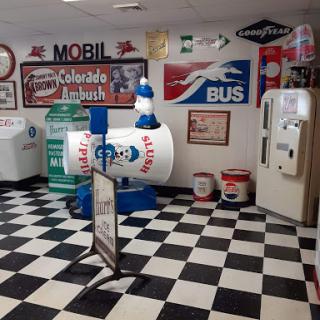
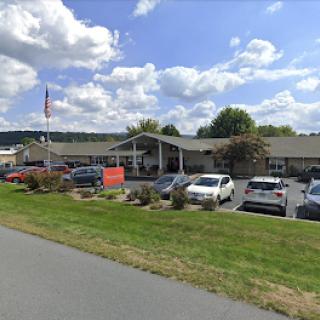
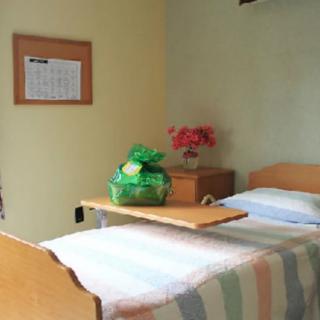
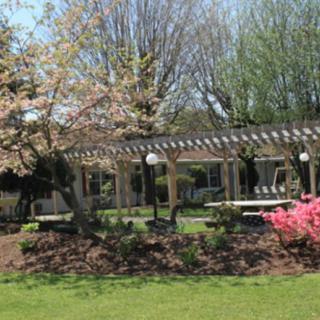
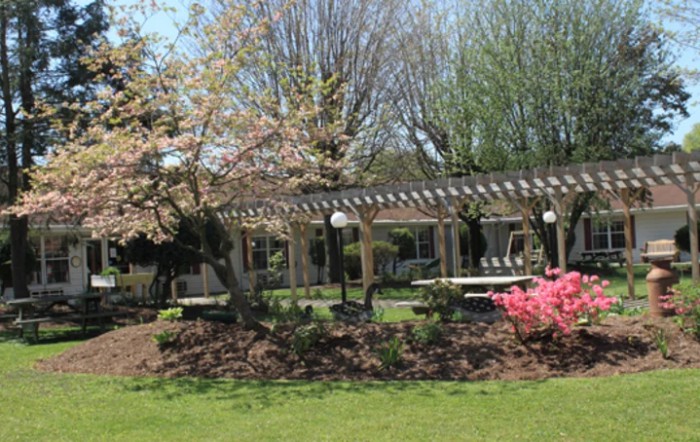
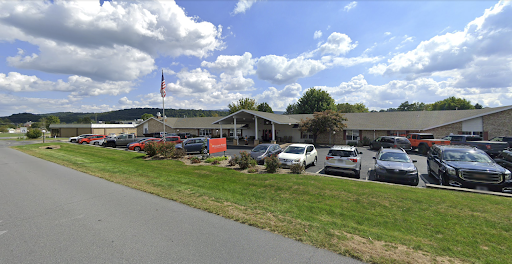
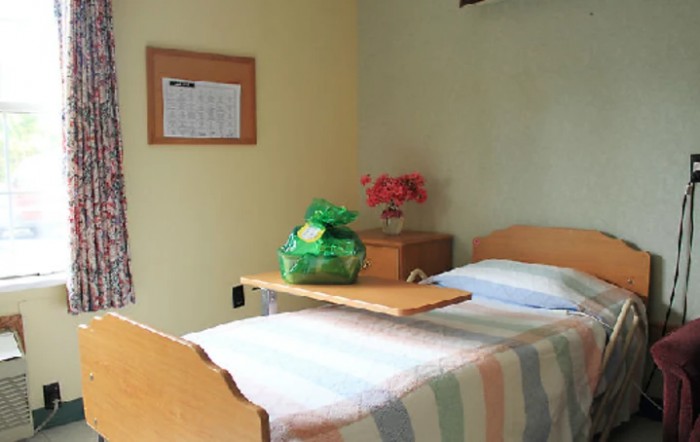
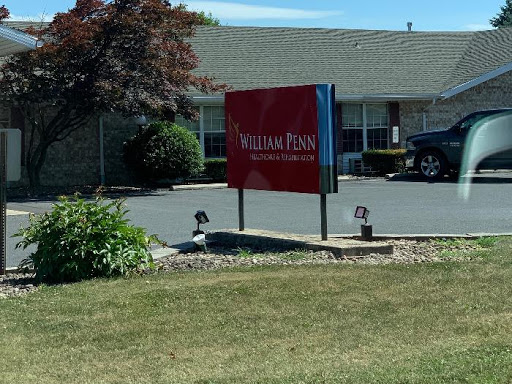
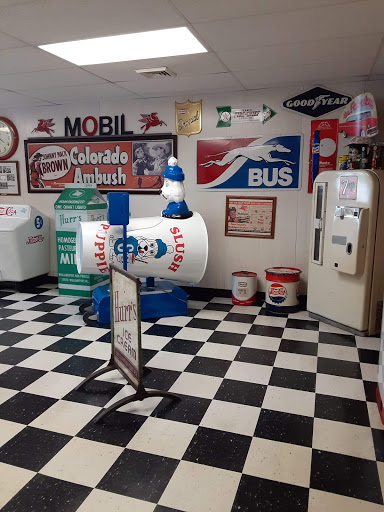
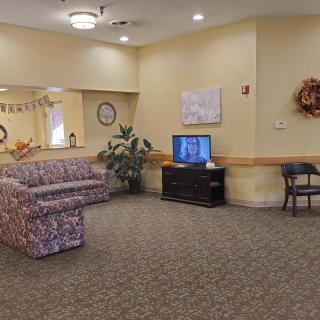
William Penn Healthcare And Rehabilitation Center on seniors.fyi includes 6 photos including images showing landscaping, building, garden, trees, pergola, bedroom, parking, grass, and more.
Nearby Communities
Ohesson Manor
Lewistown, PA
3.7 from 68 reviews
$2,450 / month
Affordable studio pricing with strong amenities.
Ohesson
Lewistown, PA
3.7 from 63 reviews
$685 / month
Affordable pricing with extensive on-site dining and activity options.
Kish Apartments
Lewistown, PA
3.6 from 8 reviews
Excellent access to nearby amenities and healthcare.
Celebration Villa of Reedsville
Reedsville, PA
4.6 from 56 reviews
$3,372 to $4,175 / month
Friendly staff, clean environment, and a variety of activities.
Malta Home
Granville, PA
1 from 1 review
Homelike skilled nursing with dedicated diabetic care.
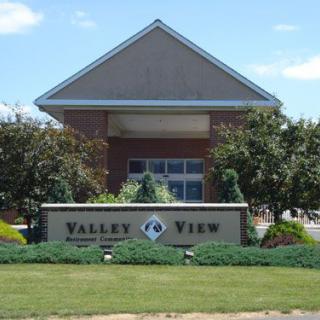
Valley View
Belleville, PA
4.5 from 96 reviews
Comprehensive continuum of care (CCRC) with multiple levels and robust on-site amenities.
Wynwood House at Nittany Valley
Boalsburg, PA
4.2 from 9 reviews
Small, homey setting with accommodating staff and customizable rooms.
Mount Nittany Residences
State College, PA
4.1 from 19 reviews
$3,900 / month
Competitive private-room price ($3,900/month) with diabetes care available.
Hearthside Rehab Center
State College, PA
3.1 from 77 reviews
Caring, attentive nursing and support staff that treat residents well.
Caregiver burnout is a common issue resulting from the intense physical, emotional, and mental demands of caregiving, leading to symptoms like fatigue and social withdrawal. To prevent burnout, caregivers should recognize early warning signs and implement self-care strategies, seek support, and prioritize their own well-being alongside that of those they care for.
Caregiver exhaustion, or burnout, stems from the relentless demands of caregiving, leading to emotional and physical depletion characterized by stress, frustration, and neglect of personal needs. Addressing this burden is essential to prevent long-term consequences, with early recognition and support being crucial for caregivers to maintain balance and implement self-care.
Hospice care at home provides specialized end-of-life support that focuses on comfort and dignity for individuals with life-limiting illnesses, offering a range of services including medical management, emotional and spiritual support, and logistical assistance tailored to the family's needs. It involves collaboration to create individualized care plans and extends to bereavement support after a loved one's passing.
William Penn Healthcare And Rehabilitation Center photos
×
Decor
Building
Bedroom
Trees
Landscaping
Decor and Vintage
Bedroom
Landscaping
Building
Trees, Garden, and Pergola
Outdoor
Flag, Parking, and Grass
Get PricingAsk A QuestionSchedule A TourContact Senior Advisor
By clicking submit, you agree to our Partner's Terms of Use. You
also consent to receive calls and texts, which may be autodialed, from our Partner. Your consent is not a condition to
using our Partner's service. Please visit our Partner's Privacy Policy for information about their privacy practices.

 121 resident community capacity
 Skilled Nursing Facility
 Cats allowed
 Dogs allowed
 Air-conditioning
 Beauty salon
 Cable or satellite TV
 Computer center
 Dining room
 Fitness room
 Fully furnished
 Gaming room
 Garden
 Housekeeping services
 Kitchenette
 Move-in coordination
 Outdoor space
 Private bathrooms
 Restaurant-style dining
 Small library
 Telephone
 Wellness center
 Wi-Fi/high-speed internet available
 University Park (22 miles away)
 Community operated transportation
 12-16 hour nursing
 24-hour call system
 Activities of daily living assistance
 Assistance with bathing
 Assistance with dressing
 Assistance with transfers
 Diabetes diet
 Medication management
 Mental wellness program
 Special dietary restrictions
 Concierge services
 Planned day trips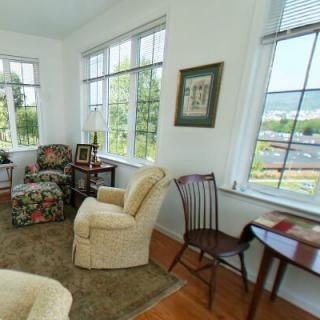
 Affordable studio pricing with strong amenities.

 Caring for Those Who Care: Recognizing, Understanding, and Overcoming Caregiver Burnout
 Caregiver Exhaustion: Recognizing the Signs and Restoring Your Well-Being
 Understanding Hospice Care at Home: Comprehensive Services, Key Benefits, and Eligibility