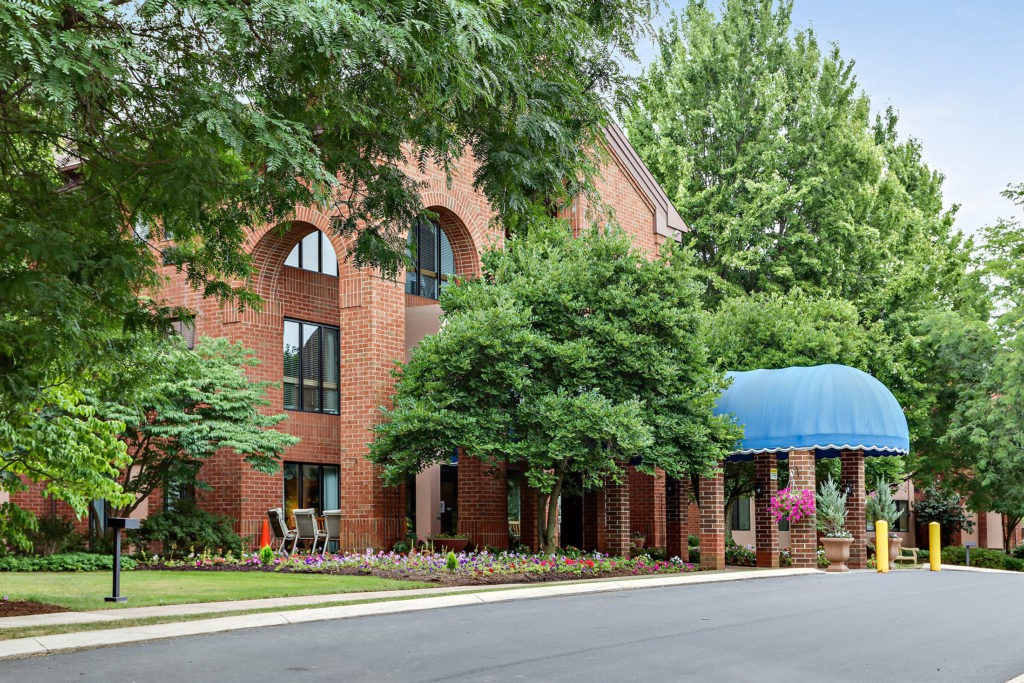
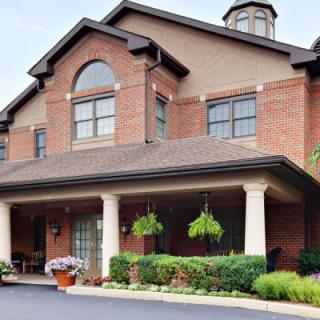
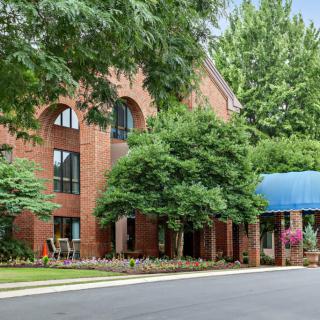
Brookline Rehabilitation and Skilled Nursing at Juniper Village in State College, PA

Save
Brookline Rehabilitation and Skilled Nursing at Juniper Village

Brookline Rehabilitation and Skilled Nursing at Juniper Village in State College, PA

1950 Cliffside Dr, State College, PA 16801

For more information about senior living options: (844) 490-3973

4.2 from 41 reviews
5 stars
26
4 stars
7
3 stars
2
2 stars
1
1 stars
5

Continuing Care Retirement Community (CCRC) Independent Living Skilled Nursing Facility

Overall Review of Brookline Rehabilitation and Skilled Nursing at Juniper Village

Pros

  • pro The staff's attentiveness and patience show that resident comfort is their top priority.
  • pro The facility is consistently clean, and residents enjoy the meals.
  • pro Kristin's kindness and sensitivity leave a lasting impression on families.
  • pro The staff is friendly, competent, caring, and compassionate, with 24/7 nursing coverage.
  • pro The administrative team makes admissions and discharges stress-free.
  • pro The facility offers daily activities and is well kept, with a beautiful porch and patio.
  • pro The housekeeping team is highly responsive, maintaining cleanliness and genuine friendliness.
  • pro The rehab team provides one-on-one therapy with care for residents' abilities.
  • pro The campus feels like home, with a beautiful setting and devoted staff.

Cons

  • pro The facility was severely understaffed for the level of care residents needed.
  • pro One aide was extremely rude and disrespectful to residents.
  • pro Residents were treated like inmates and quarantined in their rooms without cause.
  • pro The dining room was chaotic with late meals and insufficient staff to assist those needing help.
  • pro There were hours-long delays before a nurse responded after a resident pressed the call button.
  • pro The quality of care has decreased drastically within the past year.
  • pro A bladder infection progressed to sepsis, resulting in the resident's death.

Review

Brookline Rehabilitation and Skilled Nursing at Juniper Village is best suited for families seeking a warm, hands-on skilled-nursing and post-acute rehab environment where genuine staff kindness, cleanliness, and personal attention are core strengths. The setting works well for residents recovering from surgery or injury who need around-the-clock nursing oversight, targeted rehabilitative therapy, and a home-like atmosphere that emphasizes comfort and daily engagement. It also appeals to families who value proactive family communication, a well-maintained campus, and a visible commitment to resident well-being. Those who want a lighter assisted-living experience with fewer medical needs may not find Juniper Village the best fit, and those who require highly consistent, ultra-rapid responses or standout dining experiences may want to explore other options.

The strongest positives revolve around the caregiving frame and environment. Families repeatedly praise attentive, compassionate staff and nurses who are present around the clock, with several accounts citing staff who treated residents with patience and genuine kindness. Cleanliness and upkeep are consistently highlighted, alongside appealing common areas, a pleasant outdoor space, and a campus that feels welcoming and orderly. The rehab and therapy teams receive praise for thorough, goal-oriented work, and admissions and discharge processes are described as smooth or stress-reducing when coordinated by capable staff. The facility's integrated services - activities, connection efforts to engage residents, and a centralized supply operation - help residents participate in daily life rather than merely receive care.

From the resident and family perspective, several concrete strengths emerge: robust daily programming and social engagement, reliable meal service, and on-site therapy that emphasizes personalized attention. Positive anecdotes about specific care team members - nurses, therapists, and admissions staff - underscore a culture of accessibility and dedication. The first-impression appeal - described as "phenomenal" with a home-like campus - supports a sense of comfort for families during transitions, while a Bronze National Quality of Commitment to Quality of Care Award signals a recognized commitment to quality. For families seeking a facility that feels like a real community where staff invest in relationships, Juniper Village frequently delivers.

However, a salient portion of feedback centers on real, varied challenges that cannot be ignored. Undoubtedly, some reviews describe understaffing and inconsistent care, including delayed responses to calls or concerns and questions about the attentiveness of aides during demanding shifts. Dining experiences diverge, with testimonials ranging from highly positive to critiques of meal quality or dietary handling, including concerns about allergy accommodations and cross-contamination. Communication gaps and occasional misalignment between families and staff appear in several accounts, and a few reviews warn about dramatic declines in perceived care quality or even serious treatment concerns. The most alarming messages recount experiences of neglect, cruel treatment in rare cases, or medical escalation delays; while these are not universal, they cannot be dismissed outright.

In practical terms, these pros and cons translate into a clear decision framework. Juniper Village is a strong choice for families prioritizing a compassionate, clean environment with solid rehab services and a collaborative, family-centered approach to care. The downsides - intermittent understaffing, variable dining quality, and reports of inconsistent response times - matter most for residents with high acuity needs, stringent safety expectations, or heightened sensitivity to meal service and day-to-day responsiveness. Pros offset many concerns when the loved one's needs align with skilled nursing and rehabilitation, but for those who require near-perfect consistency or specialized therapeutic routines with guaranteed staffing levels, alternatives should be explored.

Bottom line: this community earns its reputation as a trustworthy, warmly run option for many families in State College seeking post-acute rehab and long-term skilled nursing in a clean, engaging setting. It frequently delivers on the essentials - nursing presence, compassionate care, active programming, and a homey campus atmosphere - while acknowledging that staffing variability and mixed dining experiences can affect consistency. Families should plan a focused tour, ask pointed questions about current staffing ratios, therapy hours, and dietary protocols, and seek up-to-date input from several residents and families. If those checks align with expectations, Juniper Village represents a solid, practical choice; if the responses raise red flags, expanding the search to other nearby facilities is a prudent next step.

Features

Housing

  • 21 resident community capacity 21 resident community capacity

Types of Care

  • Continuing Care Retirement Community (CCRC) Continuing Care Retirement Community (CCRC)Continuing Care Retirement Communities (CCRCs) are important for seniors because they provide a range of housing options and care services all in one location. This allows seniors to age in place and receive the level of care they need as their health changes, without having to move to a new facility. CCRCs provide a sense of security and peace of mind for seniors and their families, knowing that they will be taken care of no matter what the future holds.
  • Independent Living Independent LivingIndependent living communities are important for seniors because they offer a safe and supportive environment where older adults can live independently while still having access to amenities and services that enhance their quality of life. These communities provide social opportunities, recreational activities, and assistance with daily tasks, promoting overall well-being and allowing seniors to maintain their independence for as long as possible.
  • Skilled Nursing Facility Skilled Nursing FacilitySkilled Nursing Facilities are crucial for seniors as they provide round-the-clock medical care, rehabilitation services, and assistance with daily activities. These facilities ensure that seniors receive the specialized care they need to maintain their health and well-being as they age.

Amenities

  • Beauty salon Beauty salonBeauty salons are important for seniors because they provide a space for them to feel pampered, socialize, and maintain their personal grooming and hygiene. Regular visits to a beauty salon can help boost seniors' self-esteem and overall well-being.
  • Cable or satellite TV Cable or satellite TVCable or satellite TV is important for seniors because it provides entertainment, news, and companionship, helping to combat loneliness and boredom. It also offers a wide range of programming options tailored to different interests and preferences.
  • Dining room Dining roomDining rooms are important for seniors as they provide a space for socialization, connection, and nutritious meals. They offer opportunities for residents to bond over shared meals, foster a sense of community, and promote healthy eating habits. Dining rooms also ensure that seniors have access to well-balanced meals tailored to their dietary needs and preferences.
  • Fully furnished Fully furnishedFully furnished senior living communities are important for seniors because they provide convenience, comfort, and a hassle-free moving experience. Seniors can easily settle into their new living space without the stress of having to buy and move furniture. This allows them to focus on enjoying their new home and community.
  • Garden GardenGardens are important for seniors as they provide a peaceful and therapeutic environment for relaxation, physical activity, and socialization. Being in nature has been shown to reduce stress, improve mood, and promote overall well-being. Gardens also offer opportunities for seniors to engage in gardening activities, which can improve mobility, flexibility, and cognitive function. Additionally, gardens create a sense of community and connection with others who share a passion for plants and outdoor spaces.
  • Housekeeping services Housekeeping servicesHousekeeping services are important for seniors because they help maintain a clean and safe living environment, promote independence, and reduce the risk of accidents or illnesses. Additionally, having assistance with household chores can alleviate physical strain and allow seniors to focus on other aspects of their well-being.
  • Kitchenette KitchenetteKitchenettes are important for seniors living in senior living communities because they provide the convenience and independence of being able to prepare simple meals and snacks in the comfort of their own living space. This can help promote a sense of autonomy and well-being for seniors, allowing them to maintain some level of control over their dietary choices and daily routines.
  • Move-in coordination Move-in coordinationMove-in coordination is important for seniors because it helps ease the transition into their new living environment. It ensures that all logistics, such as packing, organizing movers, and setting up utilities are taken care of, allowing seniors to focus on settling in and adjusting to their new home. Having a smooth move-in process can alleviate stress and anxiety, making the transition smoother and more enjoyable for seniors.
  • Outdoor space Outdoor spaceOutdoor spaces are important for seniors as they provide opportunities for physical activity, social interaction, exposure to natural light and fresh air, and a sense of connection to nature. Having access to outdoor spaces can improve overall well-being and quality of life for older adults living in senior communities.
  • Telephone TelephoneTelephones are important for seniors as they provide a lifeline for communication with loved ones, emergency services, and healthcare providers. They offer a sense of security and independence, enabling seniors to stay connected and access assistance when needed.
  • Wi-Fi/high-speed internet available Wi-Fi/high-speed internet availableWi-Fi/high-speed internet is important for seniors to stay connected with loved ones, access online resources, and participate in virtual activities to combat feelings of loneliness and isolation. It also allows them to easily manage healthcare needs, access entertainment, and engage in lifelong learning opportunities.

Transportation

  • University Park (4 miles away) University Park (4 miles away)

Care Services

  • 24-hour call system 24-hour call system24-hour call systems are important for seniors because they provide peace of mind and immediate assistance in case of emergencies. This technology ensures that help is always available, promoting safety and security for elderly individuals living alone or in assisted living facilities.
  • 24-hour supervision 24-hour supervision24-hour supervision is important for seniors to ensure their safety, well-being, and access to immediate assistance in case of emergencies or health issues. This constant support provides peace of mind for both seniors and their loved ones, allowing them to age in place with dignity and security.
  • Activities of daily living assistance Activities of daily living assistanceActivities of daily living assistance are important for seniors because they provide essential support with tasks such as eating, bathing, dressing, and mobility. This assistance helps seniors maintain their independence, dignity, and overall quality of life as they age.
  • Assistance with bathing Assistance with bathingAssistance with bathing is crucial for seniors as it helps maintain personal hygiene, prevents infections, and ensures their overall well-being and comfort. It also provides a sense of dignity and independence for seniors who may struggle with this task on their own.
  • Assistance with dressing Assistance with dressingAssistance with dressing is important for seniors because it helps maintain their independence, promotes personal hygiene, prevents accidents and injuries, and improves overall quality of life. This service ensures that seniors can continue to dress comfortably and confidently, despite any physical limitations they may have.
  • Assistance with transfers Assistance with transfersAssistance with transfers is crucial for seniors as it helps prevent falls and injuries, maintains their independence, and ensures they can safely navigate their living environment. It also provides peace of mind for both seniors and their loved ones.
  • Coordination with health care providers Coordination with health care providersCoordination with health care providers is crucial for seniors to ensure proper medical care, medication management, and overall well-being. This collaboration helps prevent overlapping treatments, track progress more effectively, and provide comprehensive support tailored to individual needs.
  • Diabetes diet Diabetes dietA diabetes diet is crucial for seniors as it helps manage blood sugar levels, reduce risks of complications, and improve overall health and well-being. By following a balanced and nutritious diet tailored to their specific needs, seniors can better control their diabetes and enhance their quality of life.
  • Meal preparation and service Meal preparation and serviceMeal preparation and service are crucial for seniors as they may have limited mobility or energy to cook nutritious meals. Having access to healthy and convenient food options can ensure they are getting the proper nutrition needed to maintain their overall health and well-being.
  • Medication management Medication managementMedication management is crucial for seniors to ensure they are taking the right medications at the correct dosages and times. This helps prevent adverse drug interactions, reduces the risk of medication errors, and promotes overall health and well-being. Proactive management also allows for adjustments as needed based on changing health conditions or new prescriptions.
  • Mental wellness program Mental wellness programMental wellness programs are essential for seniors as they promote cognitive stimulation, emotional support, and social engagement. These programs help prevent isolation, depression, and cognitive decline, ultimately enhancing the overall quality of life for older adults.
  • Special dietary restrictions Special dietary restrictionsSpecial dietary restrictions are important for seniors because age-related changes in metabolism and health conditions can make it difficult for their bodies to process certain foods. By following a diet tailored to their specific needs, seniors can maintain their overall health and well-being, manage chronic conditions, and reduce the risk of complications such as malnutrition or food interactions with medications.
  • Transportation arrangement (medical) Transportation arrangement (medical)Transportation arrangements for medical purposes are essential for seniors as they may have difficulty driving themselves to appointments or accessing public transportation. Having reliable and safe transportation options ensures that seniors can receive timely medical care and maintain their health and well-being.
  • Transportation to doctors appointments Transportation to doctors appointmentsTransportation to doctors' appointments is crucial for seniors as it ensures they have access to necessary medical care and support for their health needs. Without reliable transportation, seniors may struggle to attend important appointments, leading to potential delays in treatment and health complications. Providing transportation services helps seniors maintain their overall well-being and quality of life.

Dining

  • Diabetes diet Diabetes dietA diabetes diet is crucial for seniors as it helps manage blood sugar levels, reduce risks of complications, and improve overall health and well-being. By following a balanced and nutritious diet tailored to their specific needs, seniors can better control their diabetes and enhance their quality of life.
  • Special dietary restrictions Special dietary restrictionsSpecial dietary restrictions are important for seniors because age-related changes in metabolism and health conditions can make it difficult for their bodies to process certain foods. By following a diet tailored to their specific needs, seniors can maintain their overall health and well-being, manage chronic conditions, and reduce the risk of complications such as malnutrition or food interactions with medications.

Activities

  • Community-sponsored activities Community-sponsored activitiesCommunity-sponsored activities are important for seniors as they provide opportunities for social interaction, mental stimulation, and physical activity. These activities can help improve overall well-being, combat loneliness and isolation, and promote a sense of belonging and purpose among older adults.
  • Resident-run activities Resident-run activitiesResident-run activities are important for seniors as they encourage social interaction, creativity, and a sense of autonomy. These activities empower seniors to stay engaged and active in their community while fostering meaningful connections with their peers.
  • Scheduled daily activities Scheduled daily activitiesScheduled daily activities are important for seniors because they provide structure, socialization, mental stimulation, and physical activity. Engaging in regular activities can improve overall well-being and quality of life for seniors living in a community setting.

Description

Brookline Rehabilitation and Skilled Nursing at Juniper Village in State College, PA is an assisted living community that offers a range of care services and amenities to support the needs of its residents. The community provides both Independent Living and Skilled Nursing Facility options for seniors looking for a supportive environment.

Residents at Brookline Rehabilitation and Skilled Nursing can enjoy the comforts of home with amenities such as cable or satellite TV, fully furnished accommodations, a dining room, a garden, housekeeping services, a kitchenette, move-in coordination assistance, outdoor space, telephone access, and Wi-Fi or high-speed internet.

The community also offers 24-hour supervision to ensure the safety and well-being of its residents. Trained staff members are available to provide assistance with activities of daily living such as bathing, dressing, and transfers. They also coordinate with healthcare providers to ensure continuity of care for each resident.

A focus on wellness is evident at Brookline Rehabilitation and Skilled Nursing with specialized programs available for mental well-being and diabetes management. Special dietary restrictions are accommodated in the dining services which provide delicious meals prepared by skilled chefs. Medication management services are also offered to residents.

Transportation arrangement assistance is provided for medical purposes as well as transportation to doctors' appointments for convenience.

In terms of location, there are numerous amenities nearby including cafes, parks, pharmacies, physicians' offices, restaurants, places of worship, and hospitals. This allows residents to easily access necessary resources and engage in recreational activities within close proximity to the community.

Overall, Brookline Rehabilitation and Skilled Nursing at Juniper Village in State College, PA offers a comfortable and supportive assisted living experience with various care services and convenient amenities for seniors seeking a vibrant lifestyle in their retirement years.

Nearby Places of Interest

Physicians

  • Tlc Laser Eye Centers (0.2 miles)
  • Parag Parekh, MD - ClearView Eye Consultants (0.2 miles)
  • Nittany Eye Associates - Windmere (0.2 miles)
  • Oral and Maxillo Facial Surgery (0.3 miles)
  • University Orthopedics Center (0.4 miles)
  • Mount Nittany Physician Group - Reconstructive & Cosmetic Surgery (0.5 miles)
  • Mount Nittany Medical Center (0.5 miles)

Pharmacies

  • Rite Aid (0.3 miles)
  • CVS Pharmacy (0.4 miles)
  • Caresite Pharmacy (0.6 miles)
  • Geisinger Community Pharmacy (0.6 miles)
  • Rite Aid (1.3 miles)
  • Boalsburg Apothecary (1.5 miles)
  • McLanahan Drug Store (1.5 miles)

Restaurants

  • McDonald's (0.3 miles)
  • Taco Bell (0.3 miles)
  • Chen's Mongolian Buffet (0.4 miles)
  • IHOP (0.4 miles)
  • Meyer Dairy Store (0.4 miles)
  • KFC (0.4 miles)
  • Plaza Mexican Bar And Grill (0.5 miles)

Hospitals

  • Mount Nittany Health Center for Wound Care (0.5 miles)
  • Mount Nittany Physician Group Ear, Nose & Throat (1.5 miles)
  • Mount Nittany Physician Group Cardiology – Vein & Vascular Clinic (2.3 miles)

Parks

  • Dalevue Park (0.6 miles)
  • Oak Hall Regional Park (1.7 miles)
  • Millbrook Marsh Nature Center (1.7 miles)
  • Alumni Pond (1.8 miles)
  • Orchard Park (2.1 miles)
  • Spring Creek Park (2.2 miles)
  • Sunset Park (2.6 miles)

Places of Worship

  • State College Access Church (1.2 miles)
  • Holy Trinity Orthodox Church (2 miles)
  • State College Alliance Church (2.3 miles)

Cafes

  • Sowers Harvest Café (1.5 miles)
  • Café Lemont (1.5 miles)
  • WC Clarke's The Cheese Shoppe (1.6 miles)
  • Panera Bread (1.7 miles)
  • Starbucks (1.8 miles)
  • Pump Station Cafe (2 miles)

Frequently Asked Questions

Where is Brookline Rehabilitation and Skilled Nursing at Juniper Village?

Nearby Communities

  • Juniper Village at Brookline

    Juniper Village at Brookline

    State College, PA

    4.3 from 39 reviews
    $3,995 to $5,845 / month

    pro Bright, welcoming assisted living with strong staff and extensive on-site amenities.

  • Mount Nittany Residences

    Mount Nittany Residences

    State College, PA

    4 from 17 reviews
    $3,900 / month

    pro Competitive private-room price ($3,900/month) with diabetes care available.

  • Foxdale Village

    Foxdale Village

    State College, PA

    4.9 from 37 reviews
    $6,000 / month

    pro Charming, well-maintained community with comprehensive care options and rich on-site amenities.

  • Hearthside Rehab Center

    Hearthside Rehab Center

    State College, PA

    3.1 from 72 reviews
     

    pro Caring, attentive nursing and support staff that treat residents well.

  • Arnold Addison Court

    Arnold Addison Court

    State College, PA


    pro Excellent access to nearby cafes, parks, pharmacies, physicians, restaurants, transit, places of worship and hospitals.

  • Juniper Village Wellspring at Brookline

    Juniper Village Wellspring at Brookline

    State College, PA

    4.8 from 38 reviews
    $6,445 to $9,585 / month

    pro Compassionate staff and engaging memory-care programs in a warm, home-like setting.

  • Wynwood House at Nittany Valley

    Wynwood House at Nittany Valley

    Boalsburg, PA

    4.2 from 9 reviews
     

    pro Small, homey setting with accommodating staff and customizable rooms.

  • William Penn Healthcare And Rehabilitation Center

    William Penn Healthcare And Rehabilitation Center

    Lewistown, PA

     
    $5,250 / month

    pro Extensive amenities and care services.

  • Ohesson

    Ohesson

    Lewistown, PA

     
    $685 / month

    pro Affordable pricing with extensive on-site dining and activity options.

Skilled Nursing Facility in Nearby Cities

Related Resources

  • does medicare cover hospiceComprehensive Guide to Medicare Coverage for Hospice Care

    Hospice care focuses on providing comfort and support for individuals nearing the end of life, with Medicare Part A covering services like nursing care and counseling for patients with a terminal illness and a life expectancy of six months or less. While most hospice services are low-cost for eligible patients, families should be aware that certain expenses, such as room and board, may not be covered.

  • caregiver burnoutCaring for Those Who Care: Recognizing, Understanding, and Overcoming Caregiver Burnout

    Caregiver burnout is a common issue resulting from the intense physical, emotional, and mental demands of caregiving, leading to symptoms like fatigue and social withdrawal. To prevent burnout, caregivers should recognize early warning signs and implement self-care strategies, seek support, and prioritize their own well-being alongside that of those they care for.

  • caregiver burnoutCaregiver Exhaustion: Recognizing the Signs and Restoring Your Well-Being
    Caregiver exhaustion, or burnout, stems from the relentless demands of caregiving, leading to emotional and physical depletion characterized by stress, frustration, and neglect of personal needs. Addressing this burden is essential to prevent long-term consequences, with early recognition and support being crucial for caregivers to maintain balance and implement self-care.