

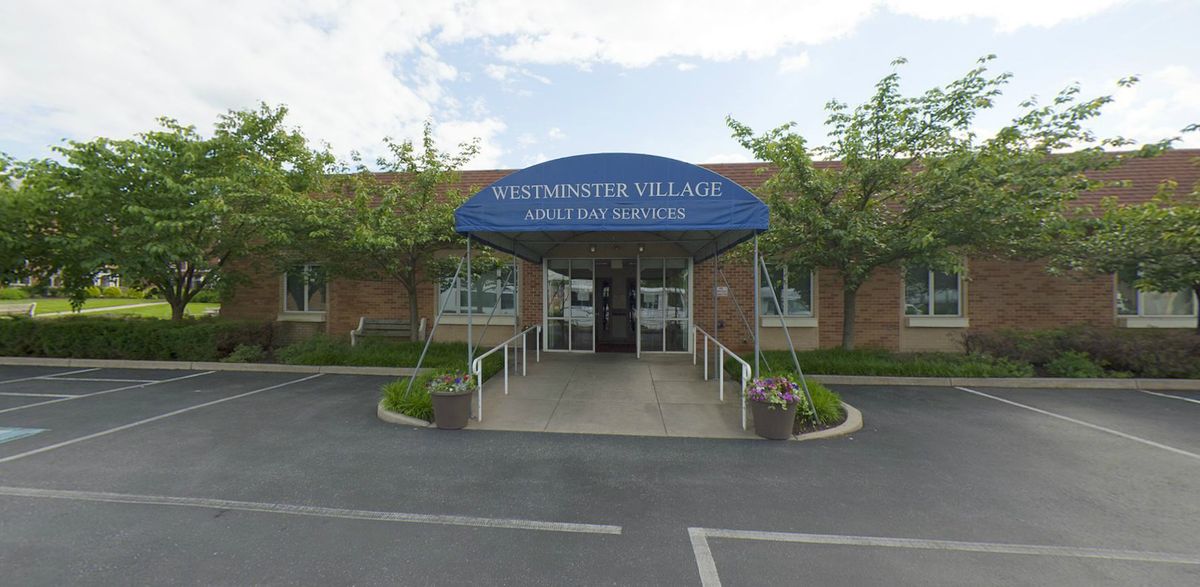



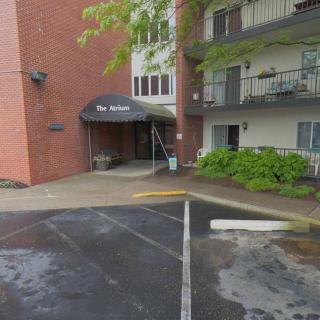


803 North Wahneta Street, Allentown, PA 18109
For more information about senior living options: (866) 208-4318
Overall Review of Westminster Village
Pros
 It’s clean with big rooms, and the staff is great.
- It’s a real nice place.
- They have good people there.
- There is a beauty and barber shop, and all sorts of games and activities like bingo.
- The 3rd floor staff showed so much compassion toward her and the family during this difficult time.
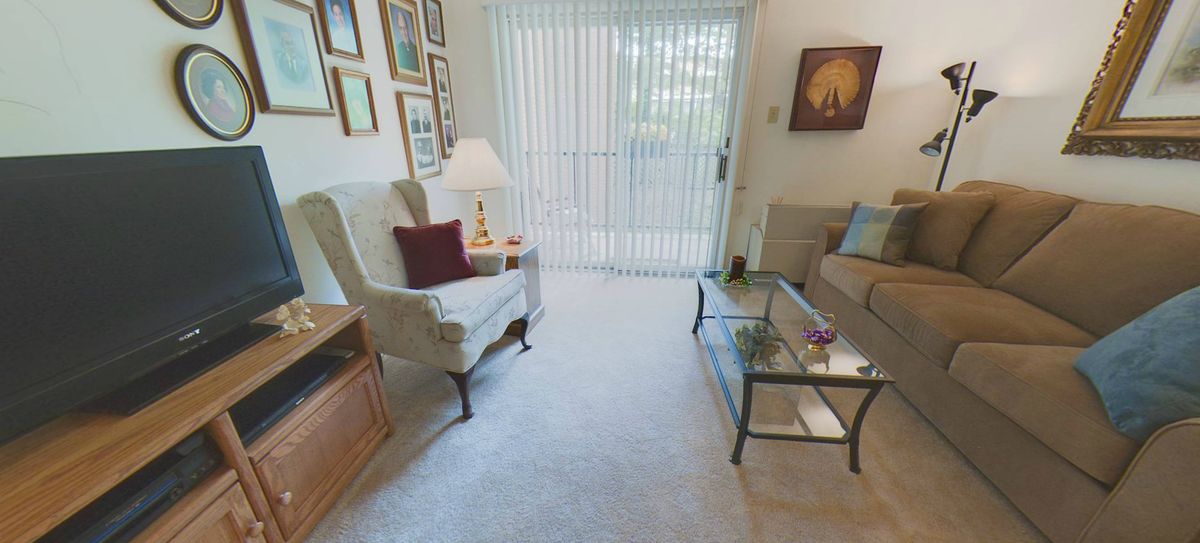
- The 1- and 2-bedroom units were very nice, with balconies and plenty of light.
Cons
 The facility was absolutely horrible, mistreating residents in their final days and failing to provide proper care.
- The rehab center was negligent, failing to treat a urinary tract infection, which led to sepsis and death.
- The facility was dirty, with trash in hallways and rooms, never emptied, and sheets rarely changed.
- Nurses never answered calls or checked on patients, and families were not informed.
- Food was always cold and not edible; water was provided only once a day.
- Senior staff did not know what was written in their operations manual.
- The center admitted to dropping the ball on treatment, indicating poor care.
- DO NOT GO THERE FOR REHAB.
Review
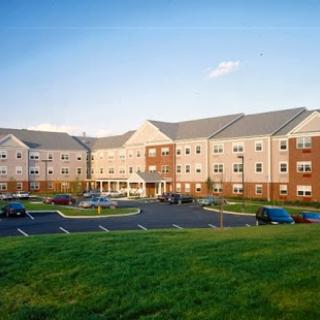
Westminster Village in Allentown is best suited for seniors who want a comfortable, socially active living environment with respectable apartment-style space and accessible amenities, and who can rely on moderate assisted living support rather than intensive medical or post-acute rehab services. The property features large rooms, balconies on some layouts, and conveniences like a beauty/barber shop and on-site activities, which make day-to-day life appealing for residents who value independence with light support. It is not a guaranteed fix for fragile health or complex care needs, but it can serve as a solid home for those who prioritize quality of life, social engagement, and continuity of familiar routines.
Those most likely to want alternatives are families prioritizing consistent, high-touch medical oversight and reliable rehab performance. Several reviews highlight serious lapses in nursing responsiveness, neglected care, and subpar rehab outcomes that led to infections and rushed, unsatisfactory discharges. Cleanliness and housekeeping issues also recur in the negative accounts, along with inconsistent communication from management. For anyone with a recent or ongoing need for skilled nursing, post-acute rehabilitation, or meticulous daily care, Westminster Village should be weighed against other communities with stronger, more transparent medical governance.
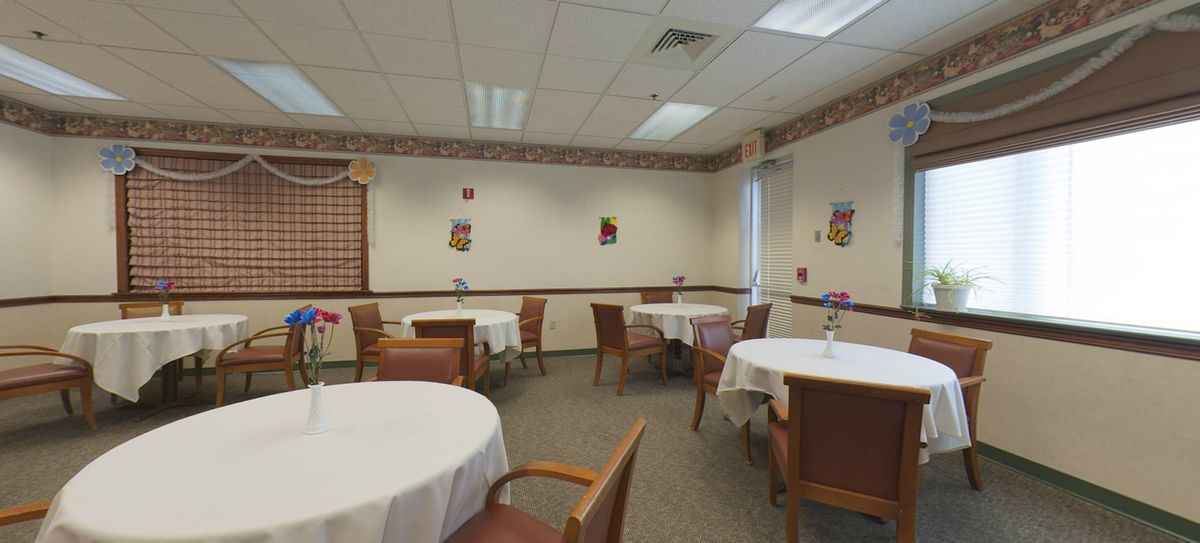
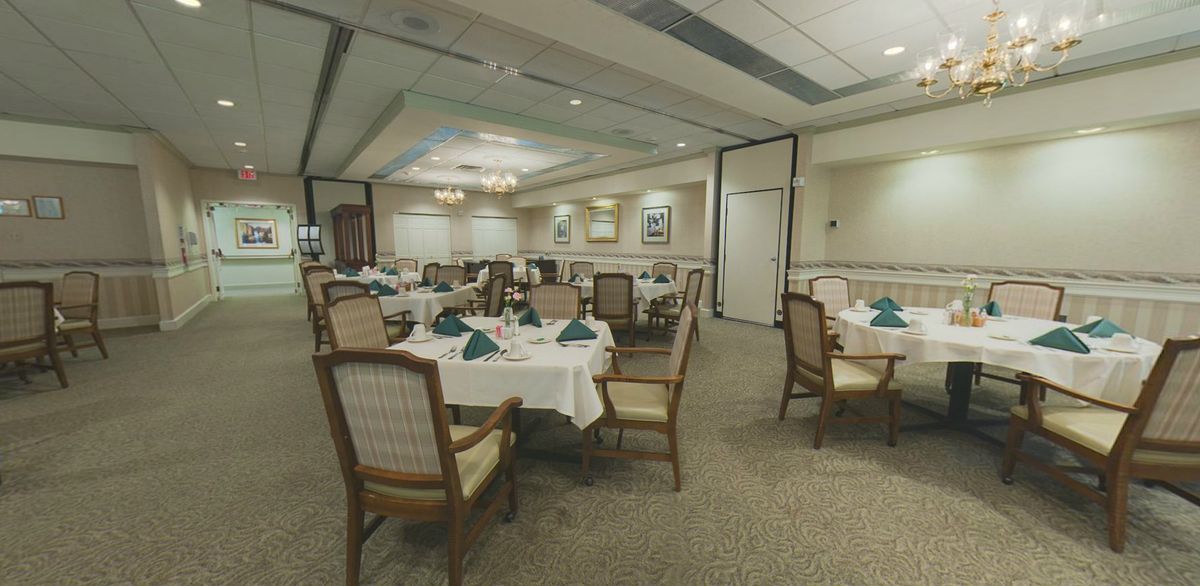
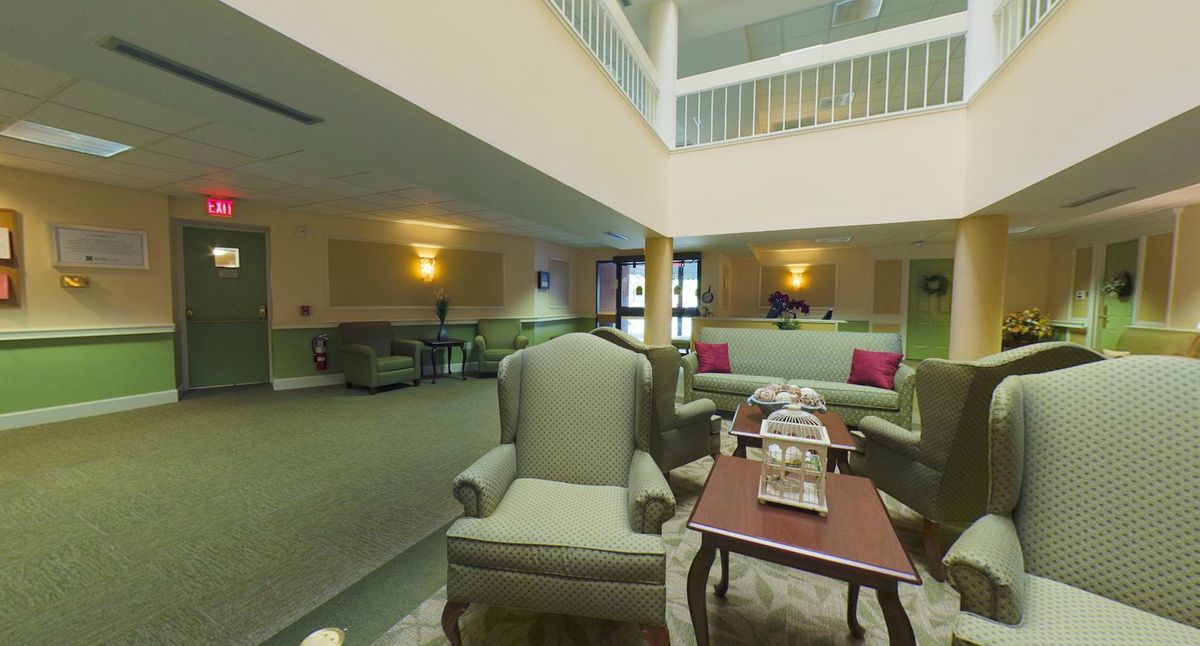
The strongest positives here are tangible in living space and social infrastructure. Reviewers note clean, roomy accommodations with light-filled common areas and private balconies, plus in-house services like a beauty shop and a range of activities that support engagement and quality of life. In some experiences, staff on certain floors delivered genuine compassion, and tours highlighted well-appointed rooms with potential for a comfortable, home-like atmosphere. These elements create real value for residents who can enjoy independence with occasional assistance, and for families seeking a reassuring, lively environment rather than a clinical, high-intensity setting.
Yet the weight of the negatives cannot be ignored, and they significantly narrow Westminster Village’s appeal for certain families. The most troubling issues revolve around mid- to long-term care quality: reports of missed nurse calls, delayed responses, and overall concerns about the standard of medical attention. The care atmosphere described in several accounts, untidy hallways, unchanged linens, meals that arrive cold, and limited hydration, tells a story of operations that do not consistently meet basic expectations for safety and comfort. When these deficiencies exist alongside stories of serious health missteps, the risk calculus shifts decisively away from the facility for residents who require dependable, proactive healthcare.
From a practical standpoint, families weighing Westminster Village should conduct a rigorous diligence process. Insist on current, objective indicators of care quality, state inspection results, staffing ratios, and a candid conversation with the director of nursing or the administrator about accountability and response times. Visitation should extend beyond common spaces to patient rooms and the rehab gym to assess cleanliness, equipment, and adherence to daily care routines. Ask for concrete examples of how care plans are executed, how family communication is handled, and what guarantees exist for timely nurse calls and medication administration. In short, the decision hinges on whether the positives, space, amenities, and social programming, are enough to offset a pattern of medical oversight concerns.
In the end, Westminster Village is a reasonable fit for families prioritizing comfort, community, and moderate assistance, provided medical needs remain modest and the care team demonstrates reliable accountability. For those whose priority is medical reliability, rapid response, and problem-free post-acute rehabilitation, alternatives with stronger clinical oversight will likely deliver greater peace of mind. The wise path combines a clear-eyed assessment of personal care needs with a thorough on-site evaluation and conversations with current residents and families, then choosing the community that best aligns with the required level of medical vigilance and daily living expectations.
 90 resident community capacity
 1-bedroom apartments
 Assisted Living
 Continuing Care Retirement Community (CCRC)
 Independent Living
 Memory Care
 Respite Care
 Skilled Nursing Facility
 Air-conditioning
 Beautician on-site
 Cable or satellite TV
 Computer center
 Dining room
 Fitness room
 Fully furnished
 Gaming room
 Garden
 Guest parking
 Housekeeping services
 Kitchenette
 Move-in coordination
 Outdoor space
 Party space
 Private bathrooms
 Restaurant-style dining
 Small library
 Telephone
 Wellness center
 Wi-Fi/high-speed internet available
 Lehigh Valley International (2 miles away)
 Community operated transportation
 24-hour call system
 Activities of daily living assistance
 Assistance with bathing
 Assistance with dressing
 Assistance with transfers
 Companion care
 Diabetes diet
 Hospice care
 Medication management
 Physical therapy
 Special dietary restrictions
 Arts and crafts
 Concierge services
 Cooking club
 Educational speakers / life long learning
 Games
Games Live musical performances
 Planned day trips
 Religious services
 Stories
 English



 Dementia Behaviors: In-Depth Understanding and Effective Coping Strategies
 5 Early Indicators of Dementia and What You Can Do
 8 Important Indicators That Memory Care May Be Necessary