Bethlehem Manor Memory Care in Bethlehem, PA

Save

  • Interior

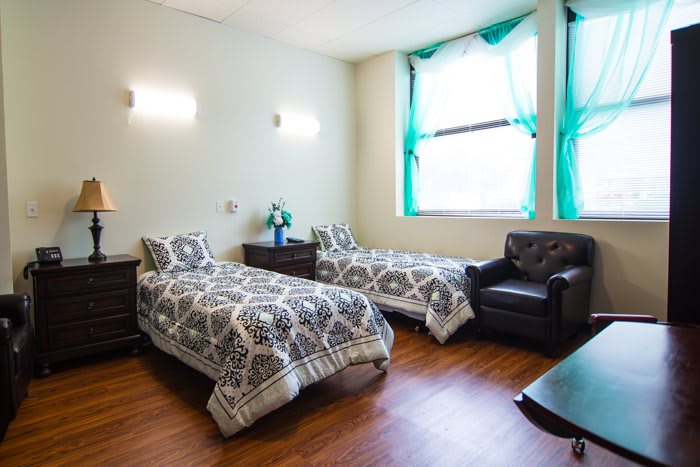
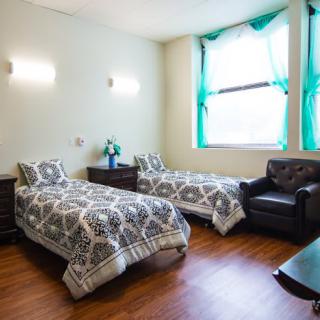
    A cozy bedroom with two twin beds, a window with green curtains, and comfortable furniture.
  • Outdoors

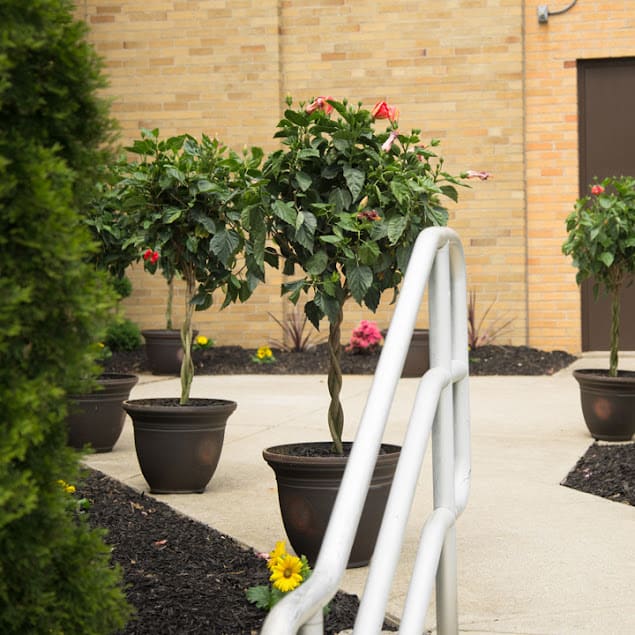
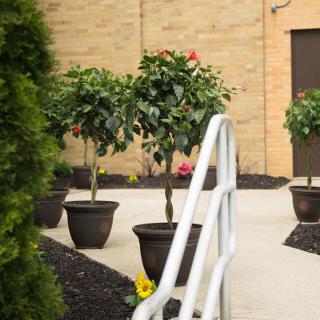
    A small garden area with potted plants and flowers along a concrete walkway.
  • Decor

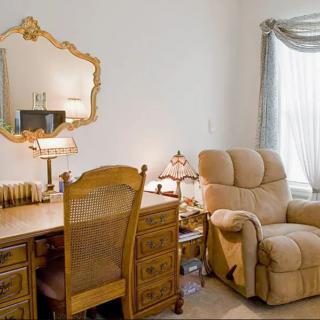
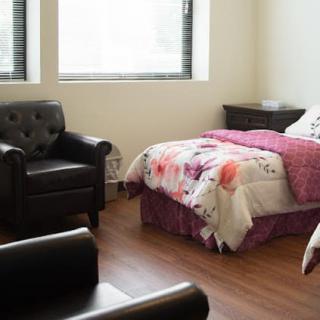
    A cozy bedroom with a bed and armchairs, featuring soft lighting from the window.
  • Building

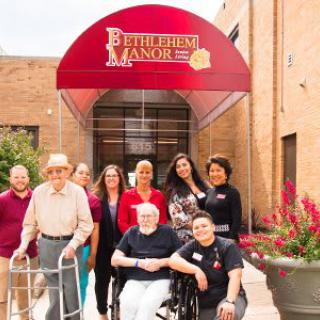
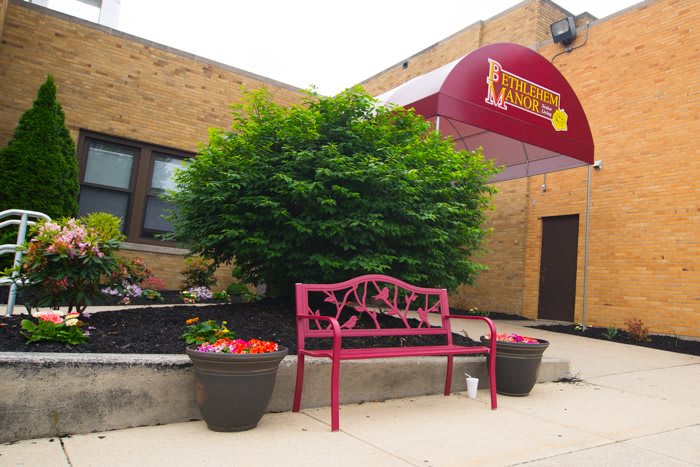
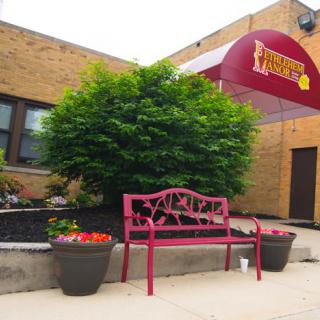
    A colorful bench outside a building with a red awning and potted plants.
  • Architecture

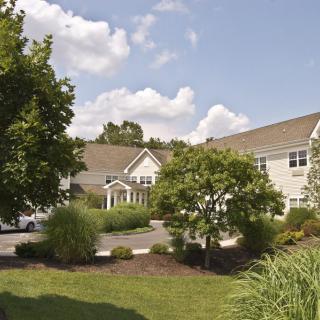
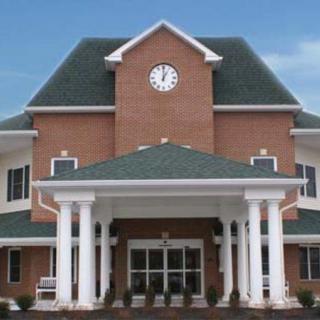
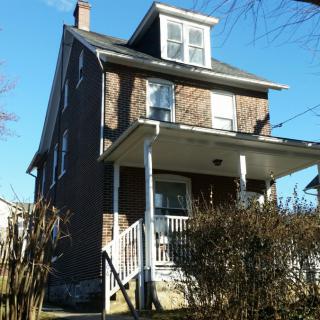
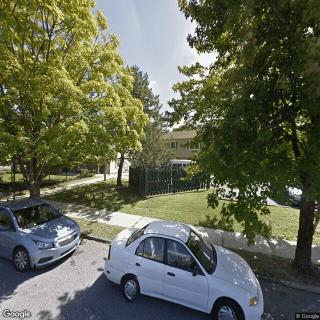
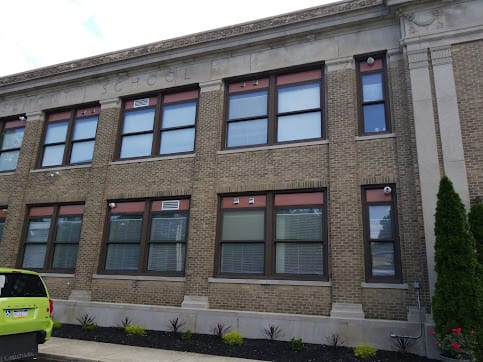
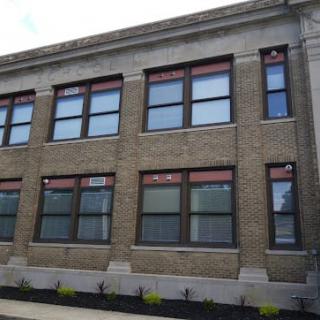
    A two-story brick building with large windows and classical architectural details.
  • Bedroom

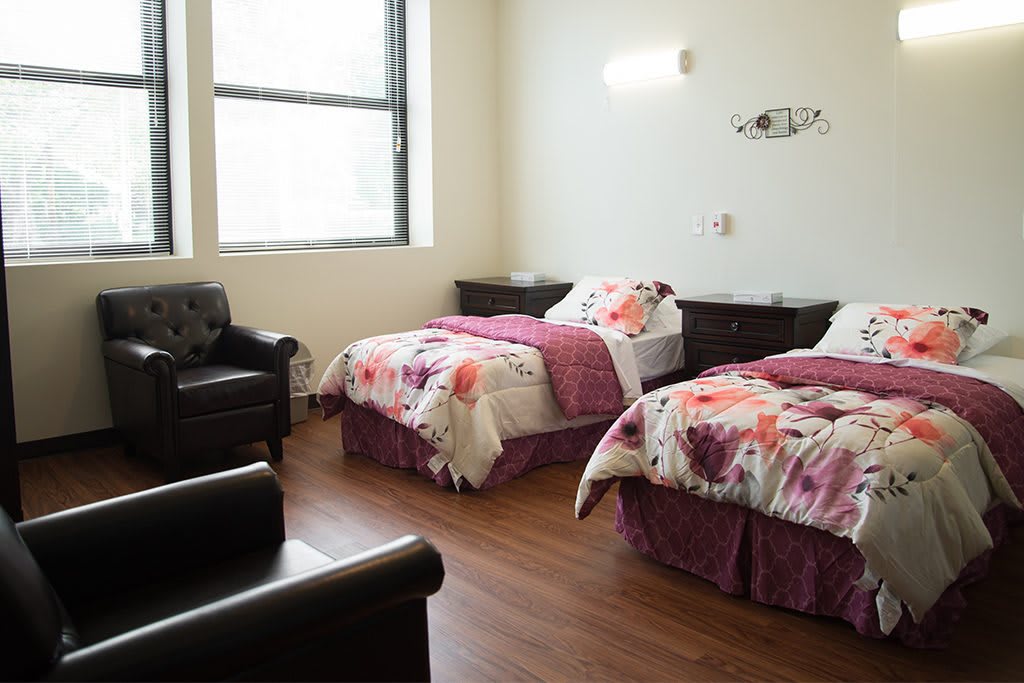
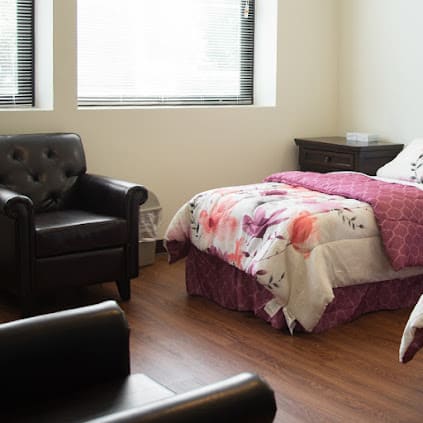
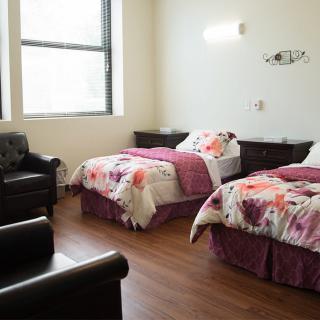
    A cozy bedroom with two beds and floral bedding alongside comfortable armchairs.
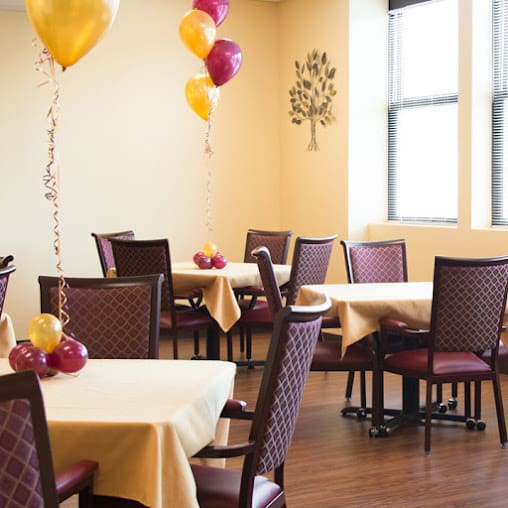
  • Dining

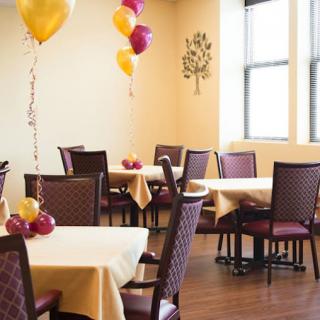
    A decorated dining room featuring balloons and neatly arranged tables.
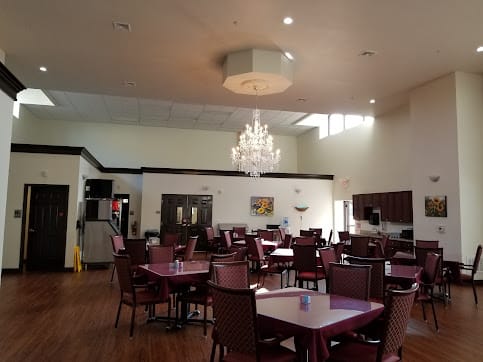
  • Lighting

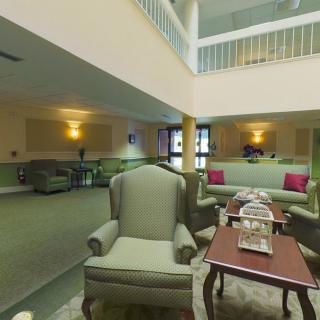
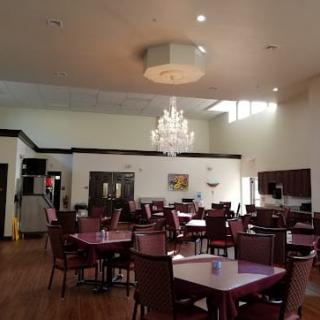
    A spacious dining room with elegant chandeliers and neatly arranged tables and chairs.
  • Grass

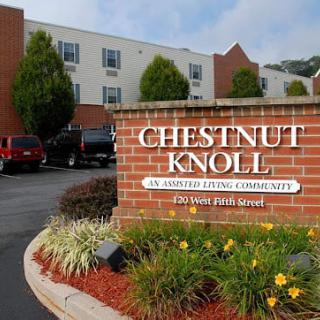
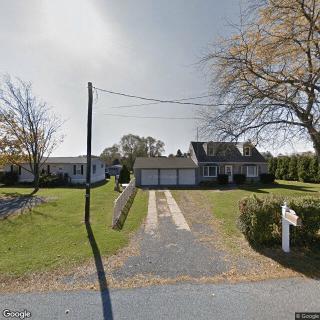
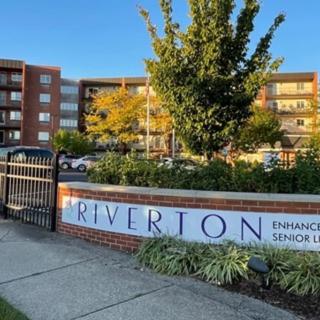
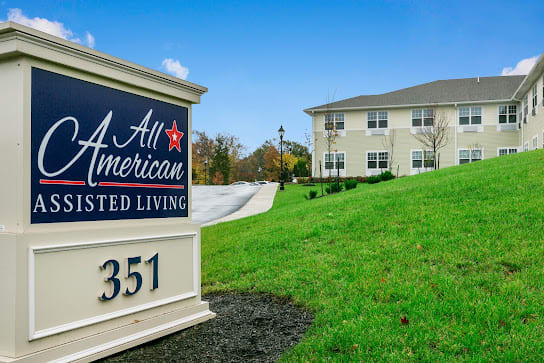
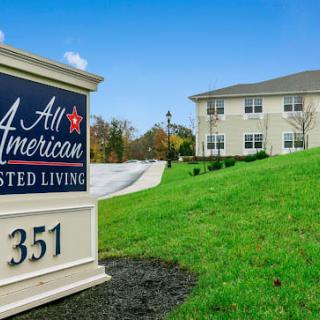
    Entrance sign of All American Assisted Living with a view of the facility and surrounding greenery.

Bethlehem Manor Memory Care in Bethlehem, PA

316 E Market St, Bethlehem, PA 18018

For more information about senior living options: (844) 490-3973

3.9 from 19 reviews
5 stars
9
4 stars
5
3 stars
2
2 stars
1
1 stars
2

Memory Care

Bethlehem Manor Memory Care Costs & Pricing

Bethlehem Manor Memory Care offers competitive pricing for its services in Northampton County and throughout Pennsylvania. For semi-private accommodations, the monthly cost is $3,995, which is higher than the county average of $3,175 but reflects the specialized care and amenities provided. In contrast, residents opting for a one-bedroom unit can expect to pay $4,995 per month - slightly above both the county's average of $3,354 and the state's average of $4,006. While Bethlehem Manor's pricing may be on the higher side compared to local and state averages, it underscores the commitment to delivering quality memory care tailored to individual needs.

Floor plansBethlehem Manor Memory CareNorthampton CountyPennsylvania
Semi-Private$3,995$3,175$3,542
1 Bedroom$4,995$3,354$4,006

What level of care are you interested in?

Assisted Living

Memory Care

Independent Living

Skilled Nursing Facility

Continuing Care Retirement Community (CCRC)CCRC

Other


Request a tour at Bethlehem Manor Memory Care

    Overall Review of Bethlehem Manor Memory Care

    Pros

    • pro The staff are described as nice, polite, pleasant, and hardworking, and they keep smiling even when short-staffed.
    • pro They go above and beyond, being helpful and caring toward residents.
    • pro The administration and staff are attentive, communicative, and responsive to families' questions and concerns.
    • pro The community is caring, compassionate, and supportive of residents.
    • pro Specific staff members, such as Tina, Jayda, and Megan, are praised for their kindness and dedication, making residents feel safe and well cared for.
    • pro The facility creates a welcoming environment, with improvements like brighter entrances and paint enhancing the atmosphere.
    • pro Families say they would recommend Bethlehem Manor to others.

    Cons

    • pro The staff are often short-staffed, resulting in a greater workload that can be overwhelming for the staff.
    • pro The communication between staff is poor, with no clear shift-change handoffs and staff often saying yes to family requests but rarely following through.
    • pro Residents do not have a call button or reliable means to reach staff in emergencies, and rounds checking on residents are inconsistent.
    • pro Outside calls are nearly impossible to complete, and voice messages are rarely returned.
    • pro The building is sad and decrepit, with low lighting, dark worn floors, and stale, old-looking walls and bedrooms.
    • pro Painting was limited to the entrance; hallways were not updated, giving the impression that improvements were for show.
    • pro The food is simple, bland, and average.
    • pro There have been instances where residents fell and the facility failed to promptly inform families.

    Review

    Bethlehem Manor Memory Care is best suited for families that place a premium on genuine warmth, daily personal attention, and relationships with staff who truly care for residents with memory challenges - even when the operation isn't flawless. This community can feel like a reassuring home when staff consistently listen, respond, and build trust with both residents and families. It works well for loved ones who want a caregiver team that prioritizes kindness, takes concerns seriously, and can adapt to changing needs, provided the family is prepared to stay engaged and helpful in guiding care.

    What makes the place workable for many families are the standout pros. The staff frequently comes across as polite, hopeful, and hard-working, and several individuals have been singled out for particular acts of kindness or reliable communication. Positive experiences are reported when administrators or managers are accessible, returning calls, and keeping families informed about a loved one's condition. The facility also offers private living spaces and a physical environment that, while aging, contains elements of improvement - most notably a more welcoming entrance after a recent update. When functioning well, the team's emotional support and continuity of care can ease the stress of memory care transitions, and families note that activities and staff with whom residents form bonds help create a sense of community.

    However, the cons are persistent and significant enough to shape the overall risk/benefit picture. Chronic short-staffing translates into higher workload for caregivers, which can strain responsiveness and consistency. Communication gaps are a recurring theme - shift-change handoffs, follow-through on family requests, and timely updates about incidents can be uneven. The lack of a resident call system or reliable means to summon help in an emergency raises real safety concerns, with rounds described as inconsistent and occasionally absent. The building itself is frequently described as decrepit and dim, with the most recent repaint appearing only at the entrance; hallways and rooms still feel dated, which can affect mood and engagement. Food is described as simple and unremarkable, and some families report limited daily activities, which can leave residents under-stimulated.

    These strengths and weaknesses are not entirely separable. The compassionate, dependable staff and responsive administrators can offset a great deal when families stay actively involved - asking questions, requesting updates, and supervising care plans. The presence of trusted team members who truly connect with residents, along with a caring administration, often turns tough days into manageable ones and can produce meaningful, affectionate relationships. Yet the gaps - particularly safety monitoring, consistent communication, and a more modern, inviting environment - limit Bethlehem Manor's ability to meet families seeking a best-in-class memory-care setting without caveats. The experience becomes a matter of priority: is personal warmth and relational care worth navigating the operational rough edges, or does the family require stronger safety systems and a more polished campus?

    Families should consider alternatives if reliability, rigorous safety oversight, and a brighter, more updated atmosphere are non-negotiables. If a consistent, real-time call system, regular, clear updates after incidents, and a robust nursing presence are essential, or if daily programming and social engagement must feel lively and structured, other options may fit better. Prospective residents with higher medical needs, frequent falls, or a strong expectation of flawless communication will likely find Bethlehem Manor falls short of those standards, despite the heartfelt care from many staff members. In such cases, touring facilities with proven staffing models, transparent incident reporting, and well-maintained interiors can offer a more predictable experience.

    Bottom line: Bethlehem Manor Memory Care delivers genuine, people-centered care from a team that can be deeply comforting to families when operations align. It is a viable choice for those who value relational warmth and personalized attention and who are prepared to participate actively in communication and care oversight. For families prioritizing safety features, rigorous staff coverage, and a consistently modern living environment, it's prudent to explore alternatives and compare what each option guarantees in day-to-day safety, transparency, and programming. A thoughtful visit at multiple times of day, conversations with current residents' families, and a clear set of expectations about reporting and responsiveness will guide families to the right decision for their loved one's memory-care journey.

    Features

    Types of Care

    • Memory Care Memory CareMemory care is crucial for seniors as it provides specialized support and services for individuals with dementia or Alzheimer's disease. These programs offer a safe and secure environment where residents receive personalized care, cognitive stimulation, and help with daily activities. Memory care helps seniors maintain their independence, quality of life, and dignity while also providing peace of mind for their families.

    Amenities

    • Activities on-site Activities on-siteActivities on-site are important for seniors because they provide opportunities for socialization, mental stimulation, physical activity, and overall well-being. Engaging in activities can help seniors stay active, maintain their independence, and improve their quality of life.
    • Air-conditioning Air-conditioningAir conditioning is important for seniors as they are more vulnerable to heat-related illnesses and may have underlying health conditions that make it difficult for them to regulate their body temperature. It helps to keep them comfortable, safe, and healthy in hot weather.
    • Indoor common areas Indoor common areasIndoor common areas are crucial for seniors as they provide a space for socialization, recreation, and community engagement, promoting overall well-being and reducing feelings of isolation and loneliness.
    • Outdoor common areas Outdoor common areasOutdoor common areas are important for seniors as they provide a space for socialization, physical activity, and relaxation. Being outside in nature can improve mood and overall well-being, while also encouraging movement and engagement with others. These spaces can help combat feelings of isolation and promote a sense of community among residents.
    • Respite or short term stays offered Respite or short term stays offeredRespite or short term stays provide seniors with a temporary solution when their regular caregiver is unavailable, offering them the opportunity to receive additional care and support during times of need, while also giving caregivers a chance to rest and recharge.
    • Wheelchair accessible showers Wheelchair accessible showersWheelchair accessible showers are crucial for seniors as they provide a safe and independent bathing option for those with mobility challenges. These showers help prevent falls and allow seniors to maintain their dignity and autonomy while ensuring they can bathe comfortably.
    • Wi-Fi/high-speed internet available Wi-Fi/high-speed internet availableWi-Fi/high-speed internet is important for seniors to stay connected with loved ones, access online resources, and participate in virtual activities to combat feelings of loneliness and isolation. It also allows them to easily manage healthcare needs, access entertainment, and engage in lifelong learning opportunities.

    Transportation

    • Lehigh Valley International (3 miles away) Lehigh Valley International (3 miles away)

    Care Services

    • Diabetic care Diabetic careDiabetic care is crucial for seniors as they are more susceptible to developing diabetes due to aging and other health conditions. Proper management of diabetes can help prevent complications such as heart disease, vision loss, and nerve damage, improving the overall quality of life for seniors in senior living communities.
    • High acuity care High acuity careHigh acuity care is important for seniors because it provides specialized medical attention and support for individuals with complex medical needs. This level of care ensures that seniors receive the appropriate treatment and assistance to maintain their health and quality of life as they age.
    • Incontinence care Incontinence careIncontinence care is essential for seniors to maintain their dignity, hygiene, and overall quality of life. By addressing incontinence issues promptly and effectively, seniors can enjoy a sense of independence and comfort in their daily activities.
    • Medication management Medication managementMedication management is crucial for seniors to ensure they are taking the right medications at the correct dosages and times. This helps prevent adverse drug interactions, reduces the risk of medication errors, and promotes overall health and well-being. Proactive management also allows for adjustments as needed based on changing health conditions or new prescriptions.

    Dining

    • Anytime dining Anytime diningAnytime dining is important for seniors because it allows them the flexibility to eat when they are hungry, rather than being restricted to set meal times. This can be especially beneficial for those with medical conditions or medications that affect their appetite, as well as those who may have difficulty adhering to a strict dining schedule. Overall, anytime dining promotes independence and overall well-being for seniors in senior living communities.
    • Guest meals Guest mealsGuest meals are important for seniors living in senior living communities because they provide an opportunity for socialization and companionship. Sharing a meal with friends, family, or new acquaintances can help combat feelings of loneliness and isolation, promote a sense of community, and enhance overall well-being. Additionally, guest meals allow seniors to enjoy delicious food in a comfortable setting without the hassle of cooking or cleaning up, making dining a pleasurable and stress-free experience.
    • Low / no sodium Low / no sodiumLow/no sodium options are important for seniors because excessive sodium intake can lead to high blood pressure, heart disease, and other health issues commonly experienced by older adults. By choosing low/no sodium foods, seniors can better manage their health and reduce their risk of developing these conditions.
    • Meals provided Meals provided"Meals provided" are crucial for seniors in assisted living communities as it ensures they have access to nutritious, balanced meals without the stress of meal planning and preparation. This can help promote overall health and well-being for seniors who may have limited mobility or cognitive abilities.
    • No Sugar No SugarNo sugar diets are important for seniors because they can help prevent or manage chronic conditions such as diabetes, heart disease, and obesity. Sugar can also contribute to cognitive decline and inflammation in the body, so reducing sugar intake can lead to overall improved health and well-being in older adults.

    Activities

    • Activities on-site Activities on-siteActivities on-site are important for seniors because they provide opportunities for socialization, mental stimulation, physical activity, and overall well-being. Engaging in activities can help seniors stay active, maintain their independence, and improve their quality of life.
    • Art classes Art classesArt classes are important for seniors because they provide a creative outlet, improve cognitive function, reduce stress and anxiety, promote socialization, and enhance overall well-being and quality of life.
    • Birthday parties Birthday partiesBirthday parties are important for seniors as they provide an opportunity for celebration, socialization, and joy. They allow seniors to feel special and appreciated, boosting their mood and overall well-being. Additionally, birthday parties can help combat feelings of isolation and loneliness by fostering connections with friends, family, and community members.
    • Brain fitness Brain fitnessBrain fitness is important for seniors as it helps to maintain cognitive function, memory, and overall mental well-being. Engaging in activities that challenge the brain can help prevent cognitive decline and promote a healthier, more fulfilling quality of life in older adults.
    • Holiday parties Holiday partiesHoliday parties are important for seniors because they provide opportunities for socialization, community involvement, and mental stimulation. These festive events offer a sense of belonging and connection during a time that can be lonely for many older adults. Additionally, participating in holiday celebrations can boost mood and overall well-being for seniors living in senior living communities.
    • Pet-focused programs Pet-focused programsPet-focused programs are important for seniors as they provide companionship, reduce feelings of loneliness and depression, encourage physical activity and social interaction, and have been shown to improve overall well-being and quality of life in older adults.
    • Stretching classes Stretching classesStretching classes are important for seniors because they help improve flexibility, reduce the risk of injury, and promote overall health and well-being. Regular stretching can also help alleviate joint pain and stiffness, enhance balance and coordination, and increase range of motion.

    Description

    Bethlehem Manor Memory Care in Bethlehem, PA is a premier assisted living community designed to provide specialized care for individuals with memory impairments. The community offers a range of amenities and care services to ensure the comfort, safety, and well-being of its residents.

    The community features air-conditioned living spaces and inviting indoor common areas where residents can socialize, relax, and participate in various activities. Outdoor common areas provide opportunities for nature walks and enjoying fresh air. The facility also offers wheelchair accessible showers to accommodate residents with mobility challenges. Additionally, Wi-Fi/high-speed internet is available throughout the community to keep residents connected with their loved ones.

    Bethlehem Manor Memory Care provides high acuity care for residents with more advanced cognitive impairments, ensuring their needs are met by trained and compassionate staff members. Incontinence care services are available to maintain the dignity and independence of residents who may require assistance in managing their bladder or bowel functions. Medication management is provided by skilled professionals to ensure that medications are taken correctly and on time.

    Dining at Bethlehem Manor Memory Care is a delightful experience with a focus on health and dietary considerations. Guest meals are available for family visits or special occasions. Low/no sodium options are offered to support heart-healthy diets. Meals are provided according to individual dietary needs, preferences, and restrictions, including no sugar options.

    Residents of Bethlehem Manor Memory Care have access to a variety of activities designed to engage both body and mind. Art classes allow residents to express their creativity while brain fitness exercises promote cognitive stimulation. Holiday parties bring joyous celebrations throughout the year while birthday parties create memorable moments for individuals celebrating their special day. Pet-focused programs enable animal interaction, known to provide emotional comfort and companionship for seniors. Stretching classes promote physical well-being through gentle exercise routines.

    The community's location is conveniently surrounded by amenities that enhance the overall quality of life for its residents. Two cafes nearby offer opportunities for socializing or enjoying a cup of coffee. Numerous pharmacies and physicians in close proximity ensure easy access to healthcare services. A wide selection of restaurants caters to various dining preferences. Transportation options make it convenient for residents to explore the local area or attend appointments. Nearby places of worship offer spiritual support and community engagement. For entertainment, theaters provide cultural experiences, and hospitals are conveniently located for any medical needs.

    Bethlehem Manor Memory Care is a dedicated assisted living community that provides specialized care, comfortable accommodations, and engaging activities for individuals with memory impairments, promoting their overall well-being and quality of life.

    Nearby Places of Interest

    This part of Bethlehem, Pennsylvania offers a convenient and accessible location with various healthcare options including pediatricians, family practitioners, pharmacies, and hospitals within a short distance. There are also several places of worship nearby for your spiritual needs. In terms of dining options, there are a variety of restaurants ranging from casual to upscale establishments. Additionally, transportation is easily accessible with the Lehigh Valley International Airport and bus stops in the vicinity. Overall, this area provides a mix of amenities and services that cater to different lifestyle needs for seniors considering senior living in Bethlehem.

    Physicians

    • Jafri, Zehra Abw Saint Lukes Pediatric Associates (0.1 miles)
    • St. Luke's Valley Family Practice (0.9 miles)
    • Lehigh Valley Physicians Group (0.9 miles)
    • LVPG Pediatrics-West Broad (0.9 miles)
    • St Lukes Emergency Care Specialist - John C Pretosh Do (1.2 miles)
    • Doctors' Pavilion at St Luke's University Hospital – Bethlehem Campus (1.3 miles)
    • Neurosurgical Associates-Lvpg (1.3 miles)

    Pharmacies

    • Ritter Pharmacy (0.2 miles)
    • Rite Aid (0.6 miles)
    • CVS Pharmacy (0.8 miles)
    • Walgreens (1.2 miles)
    • CVS Pharmacy (1.5 miles)
    • CVS Pharmacy (1.7 miles)
    • CVS Pharmacy (2.1 miles)

    Places of Worship

    • St Peter's Preschool (1.1 miles)
    • City Limits Assembly of God (3 miles)
    • Dubbs Memorial Ucc (3.6 miles)
    • Our Lady of Perpetual Help (4.3 miles)
    • Christ Lutheran Church (4.5 miles)

    Restaurants

    • Fegley's Bethlehem Brew Works (1.2 miles)
    • Apollo Grill (1.3 miles)
    • The Wooden Match (1.3 miles)
    • Twisted Olive (1.3 miles)
    • McDonald's (1.5 miles)
    • Tally Ho Tavern (1.6 miles)
    • McDonald's (1.6 miles)

    Hospitals

    • St Lukes Hospital Human Resources Department (1.3 miles)
    • Muhlenberg Hospital Center (1.4 miles)
    • Singh Sandeep MD - Good Shepherd Rehab Hospital (3.8 miles)
    • Coordinated Health (3.9 miles)
    • Diagnostic Care Center (4.9 miles)
    • Lehigh Valley Hospital (4.9 miles)
    • St Luke's Hospital (5 miles)

    Cafes

    • Saxbys Coffee (1.7 miles)
    • Panera Bread (4.8 miles)

    Transportation

    • Lehigh Valley International Airport (ABE) (2.4 miles)
    • Trans Bridge Bus Stop - Lehigh Valley International Airport (2.4 miles)

    Theaters

    • AMC Center Valley 16 (4.4 miles)

    Frequently Asked Questions

    How much does it cost to live at Bethlehem Manor Memory Care in Bethlehem, PA?
    Where is Bethlehem Manor Memory Care?
    Does Bethlehem Manor Memory Care provide care for residents with dementia or Alzheimer's disease?
    What photos are available for Bethlehem Manor Memory Care in Bethlehem, Pennsylvania?

    Nearby Communities

    • Trexler Pavilion

      Trexler Pavilion

      Bethlehem, PA


      pro Fully furnished assisted living with 24-hour supervision, meals, and engaging activities.

    • Bethlehem Manor Senior Living

      Bethlehem Manor Senior Living

      Bethlehem, PA

      4 from 38 reviews
      $2,995 to $5,995 / month

      pro Friendly, personalized care from attentive staff in a clean, secure setting with engaging activities.

    • Holy Family Independent Living

      Holy Family Independent Living

      Bethlehem, PA

       
      $1,300 / month

      pro Affordable $1,300/month studio, well below Northampton County and PA state averages.

    • Eastern Comfort III

      Eastern Comfort III

      Bethlehem, PA


      pro Homelike setting with 24/7 supervision and personalized daily living support.

    • Riverton Enhanced Senior Living

      Riverton Enhanced Senior Living

      Allentown, PA

      4.7 from 60 reviews
      $4,400 to $5,100 / month

      pro Friendly staff, engaging daily activities, and a clean, hotel-like environment.

    • Westminster Village

      Westminster Village

      Allentown, PA

      2.9 from 13 reviews
       

      pro Clean, spacious rooms with friendly staff and a wide range of activities.

    • Blough Health Care Center

      Blough Health Care Center

      Bethlehem, PA

       
      $6,600 to $6,900 / month

      pro Fully furnished private rooms with on-site activities, restaurant-style dining, beauty salon, devotional services, and high-acuity care.

    • Eastern Comfort II

      Eastern Comfort II

      Allentown, PA


      pro Small, intimate setting with personalized care.

    • Traditions of Hanover

      Traditions of Hanover

      Bethlehem, PA

      4.8 from 128 reviews
      $3,395 to $4,790 / month

      pro Caring staff and a strong, friendly community with plenty of activities.

    Related Resources

    • reminiscence therapyExploring the Power of Reminiscence Therapy for Individuals With Dementia

      Reminiscence therapy helps individuals with dementia recall past memories through structured discussions and meaningful objects, enhancing mood, relationships, and sense of identity while celebrating their lives. It can be practiced in formal settings or at home, requiring sensitivity to personal histories and cultural backgrounds.

    • reminiscence therapyAn In-Depth Look at Reminiscence Therapy in Dementia Care

      Reminiscence therapy is a structured method for older adults, especially those with dementia, to share life stories using prompts and sensory cues, fostering emotional well-being, social engagement, and self-identity. It aims to improve quality of life by enhancing interpersonal connections and cognitive stimulation while requiring careful facilitation to avoid distressing memories.

    • dementia hallucinationsDementia-Related Hallucinations: Causes, Experiences, and Practical Approaches
      Dementia, particularly Lewy body dementia, often involves hallucinations that can significantly distress both patients and caregivers due to disruptions in sensory processing and neurotransmitter imbalances. Effective management includes compassionate communication, environmental adjustments, and a multidisciplinary approach to care while addressing the emotional needs of caregivers.


    Get Pricing Ask A Question Schedule A Tour Contact Senior Advisor