
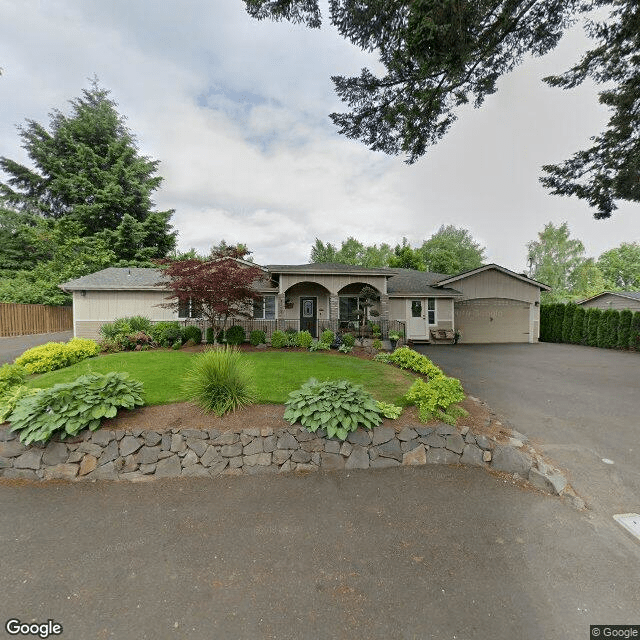
1785 Ostman Road, West Linn, OR 97068
To contact a resident: (503) 939-3055
For more information about senior living options: (866) 208-4318
Rose City Adult Care Costs & Pricing
Rose City Adult Care offers a competitive monthly rate of $3,000 for private rooms, positioning itself as a cost-effective option within the broader context of Clackamas County and the state of Oregon. In comparison, the average costs in Clackamas County are approximately $3,373, while state-wide averages reach about $3,424. This pricing strategy not only highlights Rose City Adult Care's commitment to affordability but also reflects its dedication to providing quality care in a welcoming environment. By maintaining lower rates than both county and state averages, Rose City Adult Care makes an appealing choice for families seeking compassionate support for their loved ones without compromising on quality.
| Floor plans | Rose City Adult Care | Clackamas County | Oregon |
|---|---|---|---|
| Private | $3,000 | $3,373 | $3,424 |
Senior living communities with a similar price nearby
-
About the same
A Piece of Heaven
$3,000 / month6.4 miles away -
from -$500 / mo
Mapleview Manor, LLC
$2,500 / month6.5 miles away -
About the same
Yamhill Senior Care Home
$3,000 / month14.2 miles away -
About the same
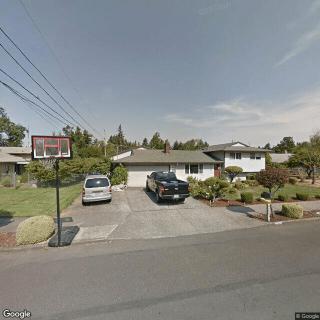
Peaceful Lighthouse Adult Care Home
$3,000 / month16.4 miles away -
from +$500 / mo
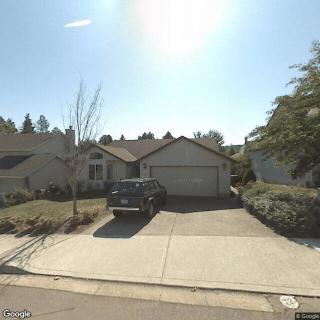
Fulga's ACH
$3,500 / month12.1 miles away
Overall Review of Rose City Adult Care
Pros
 The staff are very friendly and accommodating.
- The facility is nice looking and well kept.
- The residents are kept active and entertained.
- The staff are very accommodating to residents' individual needs.
- Families are grateful to have found Rose City Adult Care.
- Residents are engaged in activities like puzzles.
Cons
 The reviewer’s greatest concern was that she would be left in front of the TV all day.
- The reviewer had to fight to get her out of bed when she lived at home.
Review
Rose City Adult Care in West Linn is best suited for families seeking a small, home-like setting where an elderly loved one who is non-ambulatory or cognitively impaired can receive steady, personalized supervision and daily social engagement. The community shines when the goal is intimate attention, dependable staff consistency, and programming that keeps residents visibly active. For families prioritizing a large campus, extensive medical staffing, or formalized memory-care hierarchies, this option may feel undersized or less medically oriented, and those would be sensible alternatives to explore.
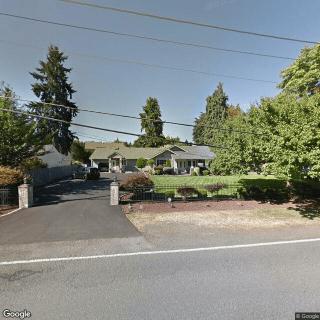
The strongest positives here are the people and the daily rhythm they create. Reviewers describe the staff as friendly and accommodating, with a clear dedication to making residents comfortable and engaged. The facility itself is noted for being well-kept and pleasant to look at, which matters when a senior spends a good portion of the day in a familiar, comforting environment. Crucially, residents are not relegated to passive routines; they stay active through appropriate activities, and the example of a resident with cognitive challenges staying at the table with a friend for a puzzle illustrates meaningful, person-centered engagement rather than isolation.
These strengths offset the main trade-offs that come with a smaller, non-institutional setting. The warmth of attentive staff, combined with a tidy, inviting atmosphere, helps families feel confident that their loved one is not simply supervised but stimulated. The depth of individualized attention, evidenced by staff willingness to accommodate specific needs, counterbalances what might be seen as a lack of on-site medical specialization or a formal dementia-care unit. In short, Rose City creates a feeling of safety and belonging that can be hard to find in larger facilities where residents risk feeling like one more bed in a long hallway.
That said, prudent decision-making requires acknowledging where this setting naturally fits within the broader continuum of care. The principal caveat is that a small, home-style operation typically carries less on-site medical depth than larger assisted living campuses or skilled-nursing facilities. For families whose loved one requires constant, 24/7 clinical nursing, rapid access to complex medical equipment, or a dedicated memory-care wing, Rose City may not deliver the level of medical infrastructure they expect. The strong social programming and attentive staff mitigate this gap but do not fully replace the safeguards and capabilities of a more traditional medical model. The two-week snapshot provided by one reviewer is promising, but families should verify current nursing coverage, physician access, and emergency protocols during formal tours and trial visits.
To make the most informed choice, families should approach visits with clear testable criteria. This setting is especially well-suited for those who value consistent caregiver relationships, daily opportunities for interaction, and a calm, neighborly atmosphere where a resident can flourish with routine and companionship. If these outcomes align with the senior’s needs, Rose City offers a compelling package. If the expectation is robust medical oversight, highly structured dementia programming, or a larger, more resource-intensive campus, alternatives, such as larger assisted living communities or dedicated memory-care facilities, may be a better fit. Prospective residents should ask about staff-to-resident ratios across day and night shifts, the specific activities and cognitive-stimulation programming offered, how care plans are developed and updated, and what formal medical oversight looks like on a weekly basis.
In the end, Rose City Adult Care delivers practical, tangible value for families prioritizing a home-like environment with hands-on, compassionate care and a lively social calendar. It is a strong recommendation for seniors who need steady supervision, personal attention, and engagement but do not require the scale or clinical intensity of a large campus. For those with higher medical needs or who crave a hospital-like level of on-site nursing, it remains wise to explore alternatives to balance medical reliability with the desired quality-of-life benefits. The right choice hinges on aligning the facility’s strengths with the resident’s specific care demands and daily living goals.
 Board and Care Home
 Activities off-site
 Beautician on-site
 Devotional services off-site
 Indoor common areas
 Outdoor common areas
 Private
 Private bathrooms
 Respite or short term stays offered
 Wheelchair accessible showers
 Portland International (17 miles away)
 Ambulatory care
 Diabetic care
 High acuity care
 Incontinence care
 Kosher
 Christian services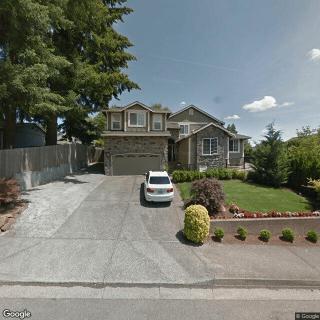



 Nurturing Our Loved Ones: A Daughter's Journey in Caring for Her Mother
 Nurturing Our Elders: Linda's Journey of Supporting Her Mother
 A Comprehensive Exploration of Common Misunderstandings about Powers of Attorney