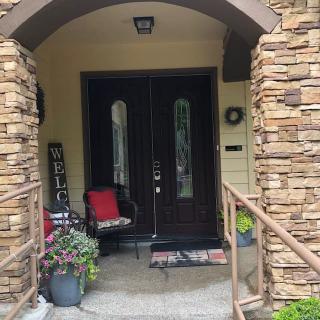
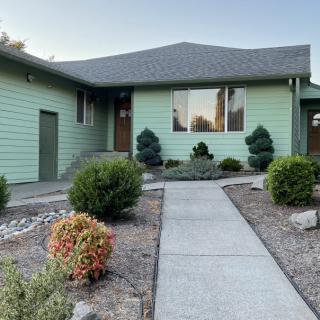
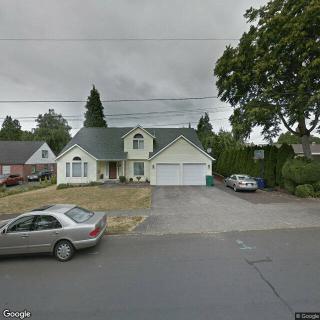
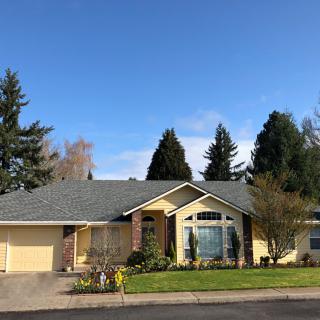
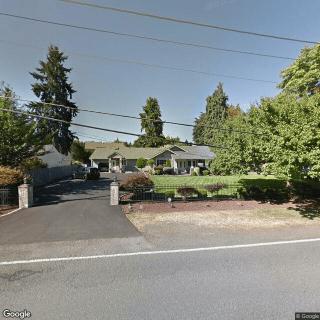
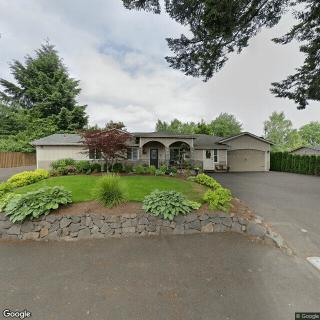
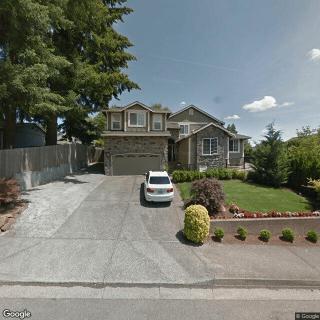
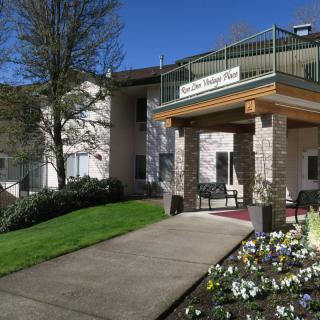
Ardelean's Elderly Care Home in West Linn, OR
Save
1315 Dollar St., West Linn, OR 97068
For more information about senior living options: (844) 490-3973
Ardelean's Elderly Care Home offers private rooms at a monthly cost of $5,000, which is significantly higher than both the average rates in Clackamas County and across Oregon, where the respective costs are approximately $3,373 and $3,424. This pricing reflects the facility's commitment to providing exceptional care and a comfortable living environment tailored to the needs of its residents. While the cost may be steep compared to local averages, many families view the investment as worthwhile for the level of personalized attention and quality amenities that Ardelean's provides.
| Floor plans | Ardelean's Elderly Care Home | Clackamas County | Oregon |
|---|---|---|---|
| Private | $5,000 | $3,373 | $3,424 |
What level of care are you interested in?

Assisted Living

Memory Care

Independent Living

Skilled Nursing Facility

Continuing Care Retirement Community (CCRC)CCRC

Other
This West Linn community is best suited for families seeking a warm, relationship-driven care culture where frontline staff consistently interact with residents in a compassionate, almost familial way. It suits those who value a stable caregiving team and a home-like environment across levels of care, including Assisted Living, Memory Care, and Skilled Nursing. The strongest signal from the most trusted observations is that residents can be happy, safe, and well-supported when there is real, ongoing engagement from caregivers who remember personal histories, preferences, and routines. For families prioritizing steady, personal attention and a humane approach to daily life, this option earns serious consideration.
Those who should actively consider alternatives are almost entirely those who hinge their decision on three factors: dining quality, administrative leadership, and strict, predictable admissions or policy transparency. Multiple reviews flag inconsistent or subpar meals and perceived weaknesses in management and communication. Prospective residents with exacting expectations about administrative responsiveness, scheduling discipline, or rigorous policy enforcement may feel underserved here. In short, families needing uniformly high-caliber meals, crystal-clear governance, and consistently proactive problem-solving may want to explore other communities before committing.
The core strengths lie in the human side of care. Frontline caregivers are repeatedly described as kind, attentive, and engaged, with many residents forming genuine bonds with staff. The facility itself is portrayed as clean, with rooms that avoid lingering odors and a sense of everyday order that contributes to residents' comfort. The ability to move through the care continuum - from Assisted Living to Memory Care to Skilled Nursing - appears to be accommodated with thoughtful attention, and when hospice or end-of-life support is involved, the care team treats residents and families with respect and warmth. For families who prize stability and personal connections, these practical realities translate into meaningful daily quality of life.
Yet the opposite of the coin is evident in the cons. Management and administrative factors recur as a significant fault line: allegations of unprofessional conduct, inconsistent communication, and a perception that leadership does not always align with residents' best interests or family concerns. Food appears as a frequent, explicit complaint, described as unhealthy or unappealing by multiple reviewers. Other operational concerns surface in some accounts, including staff shortages, alarms or safety gaps, and objections to admission practices or policy rigidity. Taken together, these issues can erode trust and complicate what should be straightforward decisions about care, especially for families comparing multiple options.
The key question becomes whether the strong, heart-centered caregiving can outweigh the governance and dining shortcomings. For families prioritizing emotional security, the duotone advantage - consistently caring staff and a clean, homelike setting - offers a tangible, meaningful offset to some of the more frustrating administrative gaps. The presence of a capable hospice team and attentive care during difficult transitions is particularly valuable for those navigating end-of-life care. However, the compensation is imperfect; when meals are repeatedly flagged as unsatisfactory and leadership appears slow to respond, the overall experience can feel uneven. Prospective residents should plan to actively engage with both front-line staff and management to ensure care goals and daily routines align.
Practical next steps are clear. Visit at different times and days to observe meal service, staff interactions, and how management responds to questions. Meet the caregivers who would become primary points of contact, and ask for specifics on staffing ratios, medication administration practices, and safety protocols around wandering or alarms. Clarify admissions criteria, especially for SNF transitions, and request recent third-party feedback or resident-family surveys to verify current governance standards. If warmth, continuity of care, and a humane environment are non-negotiable, this community remains a strong contender - but only after confirming that administrative oversight and dining are moving in a direction that matches those core values. For families with tighter expectations on meals and governance, consider alternatives that demonstrate stronger polish in those areas; for others, the human touch may justify smoothing over the occasional rough edge.
Ardelean's Elderly Care Home in West Linn, Oregon, is a dedicated assisted living community that provides an inviting and supportive environment for seniors who require high acuity care. Our facility offers private accommodations designed to ensure comfort and privacy, allowing residents to feel at home while receiving the specialized assistance they need.
We pride ourselves on delivering comprehensive care services tailored to each individual's needs. Our highly trained staff is equipped to provide incontinence care and meticulous medication management, ensuring that residents receive the level of attention and support necessary for their health and well-being.
The community's prime location enhances the quality of life for our residents. With six delightful cafes nearby, seniors can enjoy a variety of dining options just a short stroll away. For those who appreciate the outdoors, there are five beautiful parks within close proximity, perfect for leisurely walks or relaxing moments in nature. Access to three pharmacies ensures that essential medications are conveniently available.
Healthcare needs are well catered for, with eighteen physicians nearby ready to provide any medical support required. Residents also benefit from easy access to nine local restaurants where families can gather for meals and celebrations. Entertainment options abound with a theater located nearby, offering a chance for fun outings.
In case of medical emergencies or hospital visits, three hospitals are readily accessible in the vicinity.
At Ardelean's Elderly Care Home, we strive not only to meet our residents' healthcare needs but also to foster a vibrant community atmosphere where social connections flourish. Here, seniors can thrive in a nurturing environment that promotes their independence while ensuring their safety and comfort.
This part of West Linn, Oregon is a vibrant and convenient area with a variety of amenities nearby. There are hospitals such as Hand Reconstructive Surgery NW and West Linn Clinic in close proximity for any medical needs. Additionally, there are several parks like Chapin Park and George Rogers Park that provide opportunities for outdoor activities and relaxation. The area also offers a good selection of cafes and restaurants, including Dutch Bros Coffee, Panera Bread, and Mike's Drive In. For healthcare services, there are reputable physicians and pharmacies like Cascadia Behavioral Health and Rite Aid available within a short distance. If entertainment is desired, Regal Hilltop Cinema is just a few miles away for movies. Overall, this neighborhood in West Linn offers convenient access to essential services for seniors looking to reside in the area.
Ardelean's Elderly Care Home offers private rooms at a monthly cost of $5,000, which is significantly higher than both the average rates in Clackamas County and across Oregon, where the respective costs are approximately $3,373 and $3,424. This pricing reflects the facility's commitment to providing exceptional care and a comfortable living environment tailored to the needs of its residents. While the cost may be steep compared to local averages, many families view the investment as worthwhile for the level of personalized attention and quality amenities that Ardelean's provides.
Ardelean's Elderly Care Home is located at 1315 Dollar St., West Linn, OR 97068 in Clackamas County, Oregon
Yes, Ardelean's Elderly Care Home allows both dogs and cats.
Comprehensive Exploration of Living Wills and Other Advance Directives

Living wills and advance directives are crucial legal documents that outline an individual's healthcare preferences when they cannot make decisions themselves, enhancing patient autonomy and alleviating family stress during medical crises. The article emphasizes the need for these documents to be personalized, legally valid, and regularly updated, while also encouraging communication about end-of-life wishes among family members and healthcare providers.
A Detailed Exploration of Living Wills and Advance Directives

The article examines living wills and advance directives, highlighting their significance in expressing healthcare preferences for those unable to communicate due to illness or incapacity. It discusses their historical development, legal components, limitations, practical drafting advice, and the importance of clear communication among families and healthcare professionals regarding end-of-life decisions.
Comprehensive Guide to Medicare Coverage for Hospice Care
Hospice care focuses on providing comfort and support for individuals nearing the end of life, with Medicare Part A covering services like nursing care and counseling for patients with a terminal illness and a life expectancy of six months or less. While most hospice services are low-cost for eligible patients, families should be aware that certain expenses, such as room and board, may not be covered.