
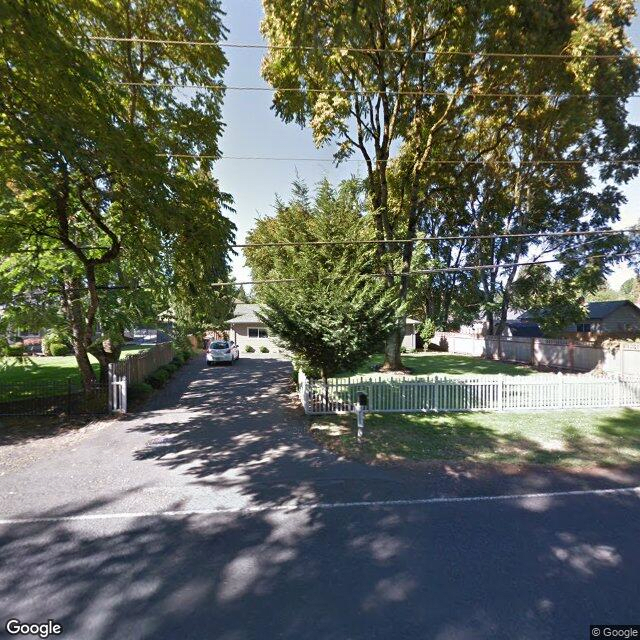
1378 Willamette Falls Dr., West Linn, OR 97068
To contact a resident: (503) 750-0113
For more information about senior living options: (866) 208-4318
Willamette Falls ACH Costs & Pricing
At Willamette Falls Assisted Care Home (ACH), the monthly cost for a private room is set at $5,500. This figure stands in stark contrast to the average costs observed in Clackamas County and across the state of Oregon, which are significantly lower at $3,373 and $3,424 respectively. The premium associated with Willamette Falls ACH may reflect enhanced services, personalized care options, or a unique living environment that sets it apart from more standard offerings in the region. Therefore, while potential residents and their families might find the pricing higher than the county and state averages, they should consider the quality and range of services available when evaluating the overall value of care provided at this facility.
| Floor plans | Willamette Falls ACH | Clackamas County | Oregon |
|---|---|---|---|
| Private | $5,500 | $3,373 | $3,424 |
Senior living communities with a similar price nearby
-
from +$500 / mo
Magnolia Gardens Senior Care Home
$6,000 / month21.8 miles away -
from -$1000 / mo
Casa Shattuck Senior Care
$4,500 / month10.6 miles away -
About the same
Evergreen Quality Home
$5,500 / month24.3 miles away -
from -$1000 / mo
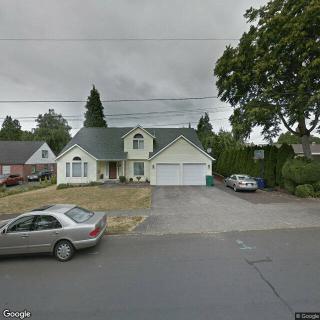
Genuine Senior Living
$4,500 / month7.0 miles away -
from -$1000 / mo
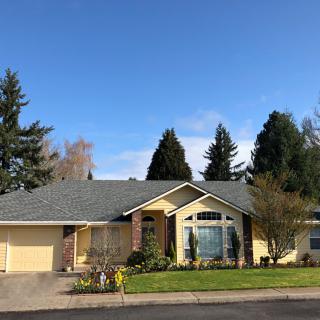
Best Care Adult Family Home
$4,500 / month22.0 miles away
Overall Review of Willamette Falls ACH
Pros
 The care at Willamette Foster Care has been outstanding.
- The house is beautiful, the staff are kind and knowledgeable, and the owner is very involved in all aspects of care.
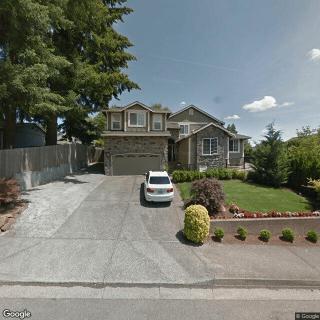
- Only four residents, with private bedrooms and bathrooms, and the owner and caretaking couple and team are truly wonderful.
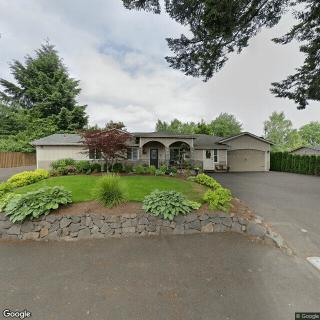
- The setting is lovely, the atmosphere is cheerful, there are home-cooked meals, and the care is excellent.
- These people are fantastic and very caring.
- Christina and Jonathan provide top-notch care.
- They make the environment feel like a home and not a business, and they make residents feel like family.
- The food Christina cooks is really great.
Review
Willamette Falls ACH in West Linn, OR is best suited for families seeking a small, home-like setting where a devoted owner and a stable care team deliver highly personalized attention. The arrangement, four residents living with private bedrooms and bathrooms, is ideal for seniors who want privacy, predictable routines, and a calm, cheerful atmosphere. Families that prize cleanliness, a warm kitchen, and a family-style environment will feel the difference quickly, as leadership is visibly involved and care feels deeply attentive rather than transactional. This community is a strong fit when the priority is reliable day-to-day support delivered with a personal touch, rather than a sprawling campus with a polished but impersonal pace.
Those weighing alternatives should consider who may need more than a home-like approach. For residents requiring robust medical oversight, memory-care specialization, or extensive on-site clinical services, larger facilities with structured programs and stronger nurse-to-resident ratios will likely be a better match. If transportation to appointments, frequent skilled-nursing tasks, or advanced therapies become a constant need, the capacity of a four-resident home may fall short. Families should assess whether current needs could grow beyond what the home can safely and consistently provide, and plan for a setting that can scale accordingly.
The most compelling pros, exceptional attentiveness, intimate staffing, and a sense of family, directly offset the potential drawbacks. A tiny footprint means care teams know each person’s patterns, preferences, and medical nuances inside and out, leading to swift problem-solving and highly personalized routines. The home’s cleanliness and the warmth of home-cooked meals contribute to a dignified, predictable cadence that reduces anxiety and strengthens trust. When family members cannot be on sight daily, this level of continuity and open communication becomes the defining value, delivering peace of mind that the loved one is sincerely cared for.
Across multiple accounts, the staff consistently emerges as the differentiator. The caregivers, especially Christine and Jonathan, are described as genuinely kind, capable, and invested in residents’ happiness. The environment is praised for feeling less like a business and more like a supportive household, where residents are spoken to with respect and included in everyday moments. Such relational strength translates into higher mood stability, fewer behavioral red flags, and a sense of belonging that promotes a smoother daily life. For families prioritizing emotional well-being and consistent daily engagement, these human factors can outweigh the limitations of a smaller programming slate.
Still, the small scale of Willamette Falls ACH does impose some constraints. Social opportunities stem largely from the four-resident mix, which limits the breadth of peer interaction and structured group activities common in larger communities. For residents who thrive on a busy calendar, outings, diversified programs, and a wide network of peers, the setting may feel less stimulating over time. While this is not a deficiency in care, it is a real consideration for families whose loved one benefits from a broader social ecosystem and more formal activity scheduling.
Bottom line: Willamette Falls ACH excels for seniors who value a warm, home-like, low-traffic setting where staff know residents by name and respond with immediate attention. It offers a compelling combination of trust, cleanliness, and emotional connection that translates into genuine family peace of mind. For those whose loved one requires sophisticated medical oversight, memory-care specialization, or a fuller array of activities and transportation options, it is wise to explore larger options. A face-to-face visit to meet the owner and caregiving team, review a care plan, and observe daily interactions will reveal how well this setting aligns with current and anticipated needs, enabling a confident, informed choice.
 Board and Care Home
 Cats allowed
 Dogs allowed
 Activities off-site
 Bath tubs
 Beautician on-site
 Devotional services off-site
 Indoor common areas
 Outdoor common areas
 Private
 Private bathrooms
 Respite or short term stays offered
 Wheelchair accessible showers
 Portland International (17 miles away)
 Diabetic care
 High acuity care
 Incontinence care
 Meals provided
 Christian services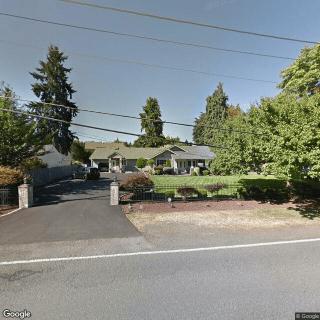



 Understanding the Nuances of Palliative Care and Hospice: A Comprehensive Exploration
 Fecal Incontinence in Older Adults: A Comprehensive Guide
 Nurturing Well-Being Through Gardening: A Detailed Guide for Senior Enthusiasts