For more information about senior living options: (866) 208-4318
4.1 from 80 reviews
5 stars
51
4 stars
13
3 stars
3
2 stars
1
1 stars
12
Tanner Spring Costs & Pricing
Tanner Spring offers competitive pricing for its accommodations when compared to both Clackamas County and the broader state of Oregon. For a studio, Tanner Spring's monthly cost is $3,450, which is notably lower than the county average of $3,916 and slightly less than the state figure of $3,815. In the one-bedroom category, however, Tanner Spring's rate of $5,999 surpasses both regional benchmarks - Clackamas County at $4,100 and the state average at $3,904 - indicating a premium for this particular room type. The semi-private option also reflects a higher cost at Tanner Spring at $6,450 compared to the county's $4,848 and the state's $4,457. Overall, while Tanner Spring excels in its studio pricing, it positions itself at a higher tier for one-bedroom and semi-private accommodations within the local and state market framework.
Floor plans
Tanner Spring
Clackamas County
Oregon
Studio
$3,450
$3,916
$3,815
1 Bedroom
$5,999
$4,100
$3,904
Semi-Private
$6,450
$4,848
$4,457
Memory care communities with a similar price nearby
Residents and families frequently describe staff as attentive and responsive to care needs.
Many reviewers describe caregivers and the wider team as kind, attentive, and engaged with residents. Several also mention clear communication and follow-through, including updating families and stepping in when needs increase. A few reviews contrast that with poor coordination in specific moments, including medication and call-button response in at least one negative account.
common
Clean spaces and ongoing updates
Reviews commonly note the community feels clean and well maintained.
Multiple reviewers mention cleanliness and a well-kept building, and some specifically praise the physical condition of rooms and common areas. Others reference improvements and remodeling, including updates mentioned by reviewers in both assisted living and memory care contexts. Negative reviews about memory care report odors and poor air conditioning, which stands out against the broader cleanliness praise.
common
Activities help residents stay engaged
A packed activities calendar and frequent events are often mentioned in reviews.
Reviewers frequently describe an active schedule—such as group events and outings—and say residents seem more connected because of it. Some reviewers also mention the community feels communal, with residents participating in activities and social time. On the other hand, some memory care reviews say residents have little to do and spend most of the day sitting without engagement.
common
Food gets mixed feedback
Dining earns both praise and complaints, with diet needs a recurring theme.
Several reviewers say the food is good and nutritious, and some mention variety and overall satisfaction with meals. Others describe the food as bland or not appealing, and at least one negative account goes further and reports missed meals. Diet restrictions are also referenced in reviews, aligning with the way meals may be adjusted to individual needs.
caveat
Memory care has serious concerns
Some memory care reviews describe unsafe-feeling conditions and inadequate daily care.
A noticeable set of reviews about the memory care area describes problems such as unpleasant odors, lack of air conditioning, and residents spending much of the day without activities. Several of these accounts also raise concerns about staffing and management follow-through. Other reviewers do report good caregiving in memory care, including loving caregivers and improved comfort, so experiences appear inconsistent.
caveat
Cost feels high to some families
Several reviewers feel fees are high relative to the care and upkeep they experienced.
Some reviewers mention paying over $6k a month and express disappointment when they feel basic needs were not consistently met. Others describe ongoing fee increases without enough improvement to justify the cost. A smaller number of reviews do characterize the overall value more positively, including comments that it can be cheaper than alternatives, so views on pricing vary.
How we summarize
We summarize when many written reviews mention each theme; a review can touch several themes, and only frequently mentioned themes are displayed.
Features
Housing
72 resident community capacity
1-bedroom apartments
Studio apartments
Types of Care
Assisted Living
Memory Care
Pets
Cats allowed
Dogs allowed
Amenities
Activities off-site
Activities on-site
Air-conditioning
Beautician on-site
Beauty salon
Cable or satellite TV
Cafe
Computer center
Devotional services on-site
Dining room
Fitness room
Fully furnished
Gaming room
Garden
Ground floor units
Guasts at mealtime
Guest parking
Hiking trails
Housekeeping services
Indoor common areas
Kitchenette
Laundry
Move-in coordination
Outdoor common areas
Outdoor space
Overnight guests
Party space
Private bathrooms
Resident parking
Restaurant-style dining
Security gate
Small library
TV room
Telephone
VA Benefits Consultation
Wellness center
Wheelchair accessible showers
Wi-Fi/high-speed internet available
Transportation
Portland International (16 miles away)
Community operated transportation
Transportation & parking
Transportation arrangement
Transportation arrangement (non-medical)
Transportation to doctors appointments
Care Services
12-16 hour nursing
24-hour call system
24-hour supervision
Activities of daily living assistance
Ambulatory care
Assistance with bathing
Assistance with dressing
Assistance with transfers
Diabetes diet
Diabetic care
Hospice care
Incontinence care
Meal preparation and service
Medication management
Mental wellness program
Mild cognitive impairment
Physical therapy
Psychiatric care
Special dietary restrictions
Specialized memory care programming
Dining
Diabetes diet
Guest meals
International cuisine
Low / no sodium
Meals provided
Professional chef
Restaurant style dining
Room service
Special dietary restrictions
Special dining programs
Vegetarian
Activities
Activities off-site
Art classes
Arts and crafts
Catholic services
Community-sponsored activities
Concierge services
Cooking classes
Cooking club
Day trips and outings
Devotional activities on-site
Educational speakers / life long learning
Fitness programs
Games
Gardening club
Live dance or theater performances
Live musical performances
Other religious services
Planned day trips
Protestant services
Religious services
Resident-run activities
Scheduled daily activities
Stories
Visiting chaplain or priest
Languages Spoken
English
Nearby Places of Interest
This part of West Linn, Oregon is a convenient and healthcare-focused community with several hospitals and clinics in close proximity, such as the West Linn Clinic - US Department of Veterans Affairs and Legacy Meridian Park Hospital. Additionally, there are various pharmacies and physicians' offices nearby for easy access to medical care. The area also offers a variety of parks for seniors to enjoy outdoor activities and stay active, including Mary S Young State Park Dog Run and George Rogers Park. Several cafes and restaurants are available for dining options, including popular chains like Starbucks and Panera Bread. For entertainment, there are movie theaters like Regal Hilltop Cinema within a short driving distance. Overall, this part of West Linn provides a well-rounded community with convenient healthcare services, recreational opportunities, and dining options for seniors looking to settle in the area.
Hospitals
West Linn Clinic - US Department of Veterans Affairs (0.7 miles)
Hand Reconstructive Surgery NW (1 miles)
Legacy Meridian Park Hospital (4.6 miles)
Providence Milwaukie Hospital (6.3 miles)
Kaiser Sunnyside Medical Center (6.6 miles)
Parks
Mary S Young State Park Dog Run (1.6 miles)
Chapin Park (2.4 miles)
Dahl Beach (2.4 miles)
Stringfield Family Park (2.9 miles)
George Rogers Park (4.3 miles)
Rivervilla Park (4.4 miles)
Clackamette Park (5 miles)
Cafes
Dutch Bros Coffee (2.2 miles)
Starbucks (2.5 miles)
Starbucks (3.8 miles)
Starbucks (3.9 miles)
Dutch Bros Coffee (4.4 miles)
Panera Bread (5 miles)
Peet's Coffee and Tea (5.5 miles)
Restaurants
Mike's Drive In (2.4 miles)
Oregon City Brewing Company (2.4 miles)
Taco Bell (2.6 miles)
Burger King (3.6 miles)
High Rocks Steak and Chops (3.7 miles)
The Wild Hare Saloon (3.7 miles)
Jack In The Box (4.3 miles)
Physicians
Avada Hearing Care Center (2.5 miles)
Cascadia Behavioral Health (2.7 miles)
Pacific Heart Associates (3.1 miles)
Oregon Neurology PC (3.1 miles)
Providence Medical Group (3.1 miles)
Providence Willamette Falls Medical Center MOB 1 (3.1 miles)
Clackamas Gastroenterology Associates PC (3.1 miles)
Pharmacies
Rite Aid (2.6 miles)
Walgreens (2.6 miles)
Rite Aid (4.2 miles)
Sav-On Pharmacy (4.3 miles)
Kaiser Sunnybrook Pharmacy (4.7 miles)
Northwest Compounders (5.1 miles)
Walgreens (5.1 miles)
Theaters
Regal Hilltop Cinema (3.3 miles)
Regal Bridgeport Village ScreenX & IMAX (5.6 miles)
Tanner Spring offers competitive pricing for its accommodations when compared to both Clackamas County and the broader state of Oregon. For a studio, Tanner Spring's monthly cost is $3,450, which is notably lower than the county average of $3,916 and slightly less than the state figure of $3,815. In the one-bedroom category, however, Tanner Spring's rate of $5,999 surpasses both regional benchmarks - Clackamas County at $4,100 and the state average at $3,904 - indicating a premium for this particular room type. The semi-private option also reflects a higher cost at Tanner Spring at $6,450 compared to the county's $4,848 and the state's $4,457. Overall, while Tanner Spring excels in its studio pricing, it positions itself at a higher tier for one-bedroom and semi-private accommodations within the local and state market framework.
The comprehensive features offered by Tanner Spring are specifically designed to support residents with varying stages of dementia or Alzheimer's disease, ensuring their safety, dignity, and quality of life. The 24-hour supervision provides constant oversight to prevent wandering and ensure immediate assistance in emergencies. Activities of daily living assistance, including help with bathing, dressing, and transfers, promotes independence while catering to individuals' physical needs. Incontinence care ensures residents feel comfortable and dignified throughout their day-to-day activities. Meal preparation and service tailored to dietary requirements not only nourish but also foster social interaction during meal times. Medication management is critical for maintaining health and stability, while the mental wellness program addresses cognitive changes through engaging activities that promote brain health. Physical therapy aids in mobility and physical well-being, ensuring that residents remain as active as possible. Specialized memory care programming incorporates evidence-based strategies aimed at enhancing cognitive function and emotional support for those facing mild cognitive impairment or advancing stages of dementia. Together, these services create an environment that prioritizes holistic care tailored to the unique challenges faced by those with memory-related conditions.
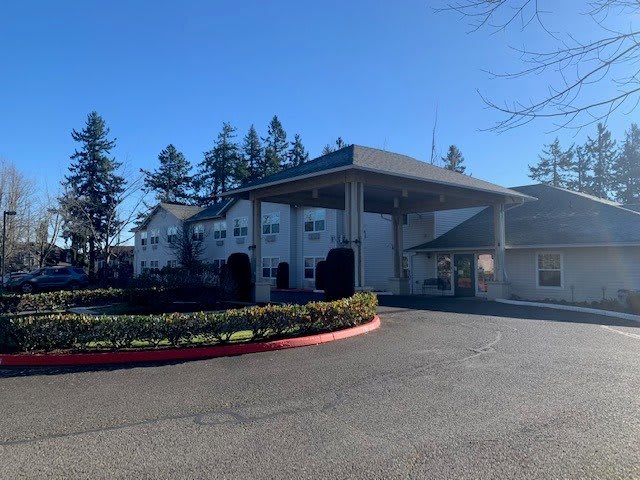
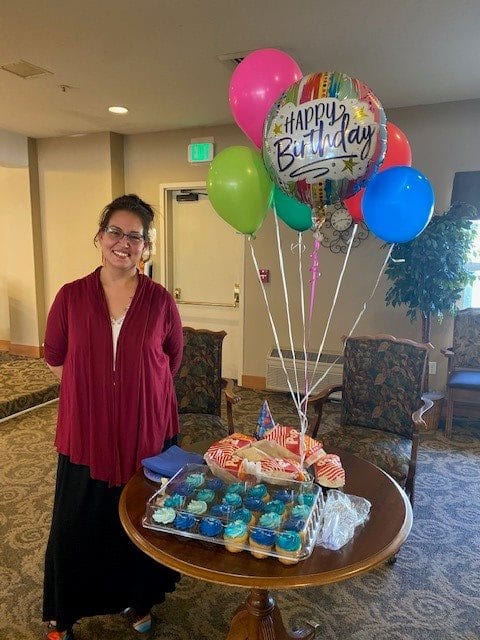
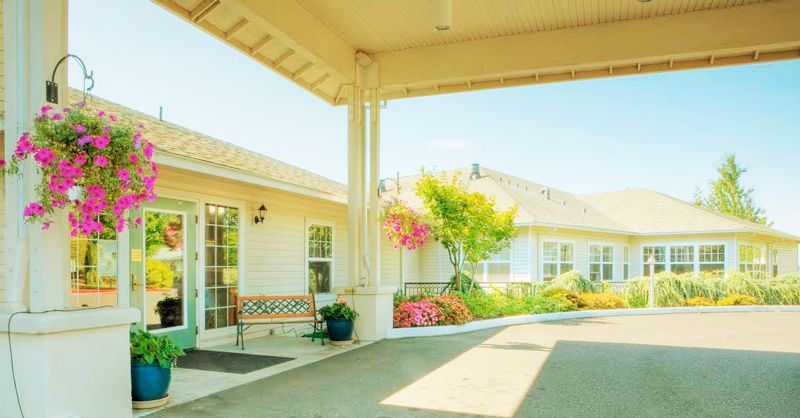
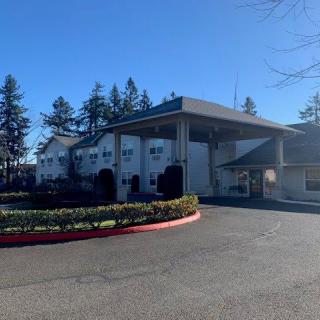
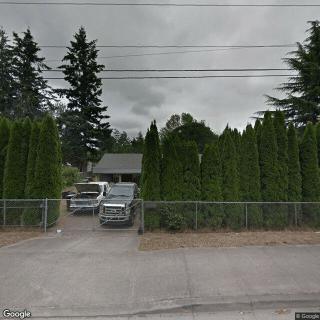
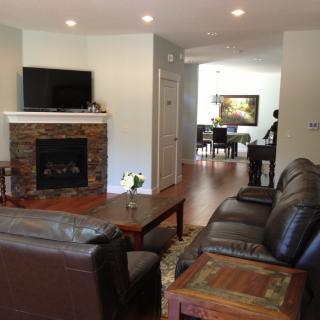
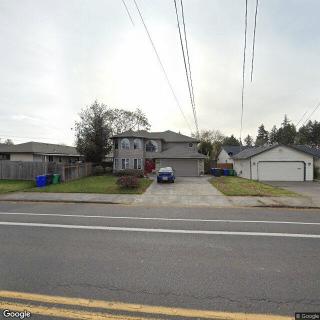
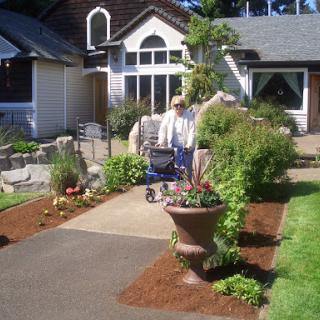
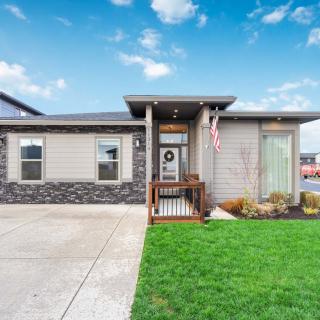
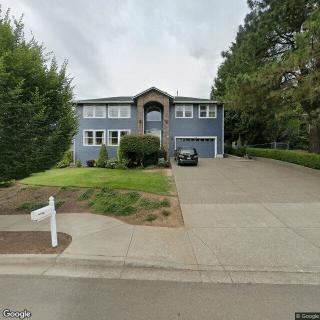
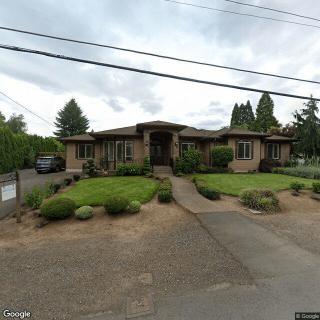
Tanner Spring on seniors.fyi includes 11 photos including images showing dining, landscaping, interior, building, nature, trees, outdoors, architecture, and more.
Nearby Communities
Home Instead - Gladstone, OR
West Linn, OR
4.7 from 37 reviews
Proximity to numerous local amenities (cafes, parks, pharmacies, doctors, restaurants, theater, hospitals).
River and Valley View ACH
West Linn, OR
$3,000 / month
Affordable private room pricing with high-acuity care and scenic river/valley views.
Rose Linn
West Linn, OR
3.6 from 40 reviews
Comprehensive care options (memory care, respite, skilled nursing) with extensive on-site amenities and activity programs.
Rose Linn Vintage Place
West Linn, OR
3.7 from 49 reviews
$4,100 to $5,100 / month
Attentive dementia care with personalized attention in a smaller, clean setting.
Just Like Home
West Linn, OR
5 from 4 reviews
$3,000 to $4,500 / month
Specialized memory care with personalized attention, private rooms, and pet-friendly options.
West Linn Summit Care
West Linn, OR
4.6 from 69 reviews
$3,500 / month
Personalized care with private rooms, restaurant-style dining, and engaging activities in a serene setting.
Homewoods On the Willamette
Milwaukie, OR
4.5 from 33 reviews
$1,469 to $2,241 / month
Affordable, scenic location with excellent care.
Elite Eldercare PDX
Lake Oswego, OR
4.5 from 20 reviews
Compassionate, attentive caregivers with a trusted, family-like approach that aims to improve quality of life.
The Stafford
Lake Oswego, OR
4.5 from 48 reviews
$4,396 to $8,192 / month
Renovated, hotel-like setting with excellent dining and friendly, attentive staff.
Medicaid waivers for assisted living services provide vital support for seniors and individuals with disabilities in need of long-term care, with varying state-specific eligibility criteria and benefits. These waivers cover personal care and case management but often do not fully cover room and board, leading to waiting lists for many applicants.
The article compares assisted living and skilled nursing facilities, detailing their differing levels of assistance, medical support, cost structures, and day-to-day experiences. It emphasizes that assisted living is for those needing help with daily activities while maintaining independence, whereas skilled nursing facilities provide intensive medical care with 24-hour staff supervision.
Vibrant Senior Living emphasizes active senior living communities that promote independence and engagement through diverse amenities and activities, fostering wellness and social interaction among older adults. These communities range from independent to assisted living, with a focus on personal growth, family involvement, financial planning, and leveraging technology to enhance residents' experiences.
Get PricingAsk A QuestionSchedule A TourContact Senior Advisor
By clicking submit, you agree to our Partner's Terms of Use. You
also consent to receive calls and texts, which may be autodialed, from our Partner. Your consent is not a condition to
using our Partner's service. Please visit our Partner's Privacy Policy for information about their privacy practices.











 72 resident community capacity
 1-bedroom apartments
 Assisted Living
 Memory Care
 Cats allowed
 Dogs allowed
 Activities off-site
 Air-conditioning
 Beautician on-site
 Cable or satellite TV
 Cafe
Cafe Computer center
 Devotional services on-site
 Dining room
 Fitness room
 Fully furnished
 Gaming room
 Garden
 Ground floor units
 Guest parking
 Hiking trails
 Housekeeping services
 Indoor common areas
 Kitchenette
 Laundry
 Move-in coordination
 Outdoor common areas
 Overnight guests
 Party space
 Private bathrooms
 Restaurant-style dining
 Security gate
 Small library
 Telephone
 VA Benefits Consultation
 Wellness center
 Wheelchair accessible showers
 Wi-Fi/high-speed internet available
 Portland International (16 miles away)
 Community operated transportation
 12-16 hour nursing
 24-hour call system
 Ambulatory care
 Assistance with bathing
 Assistance with dressing
 Assistance with transfers
 Diabetes diet
 Diabetic care
 Hospice care
 Incontinence care
 Medication management
 Mental wellness program
 Physical therapy
 Psychiatric care
 Special dietary restrictions
 Art classes
 Catholic services
 Concierge services
 Cooking classes
 Day trips and outings
 Educational speakers / life long learning
 Games
Games Live dance or theater performances
 Live musical performances
 Stories
 English
 Proximity to numerous local amenities (cafes, parks, pharmacies, doctors, restaurants, theater, hospitals).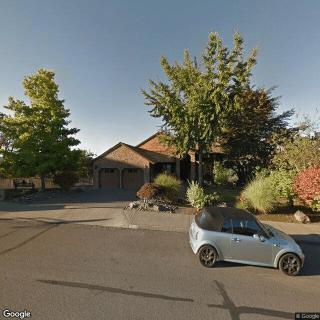



 A Detailed Exploration of Assisted Living Medicaid Waivers Across the United States
 Exploring the Contrasts Between Assisted Living and Skilled Nursing
 Vibrant Senior Living: A Comprehensive Guide for Active Older Adults