

4415 Lone Oak SE, Salem, OR 97302
To contact a resident: (503) 581-1217
For more information about senior living options: (866) 208-4318
Jans Care Home Costs & Pricing
Jans Care Home offers competitive pricing for its residents, particularly in comparison to both Marion County and the broader state of Oregon. For a semi-private room, Jans Care Home charges $3,000 per month, significantly lower than the county average of $4,031 and the state average of $4,457. This presents an attractive option for families seeking quality care without incurring excessive costs. In terms of private accommodations, Jans Care Home's rate of $3,500 is slightly higher than the county's average of $3,564 but falls below the state average of $3,424. Overall, Jans Care Home provides a cost-effective solution for those in need of assisted living services while maintaining a focus on delivering quality care.
| Floor plans | Jans Care Home | Marion County | Oregon |
|---|---|---|---|
| Semi-Private | $3,000 | $4,031 | $4,457 |
| Private | $3,500 | $3,564 | $3,424 |
Senior living communities with a similar price nearby
-
About the same
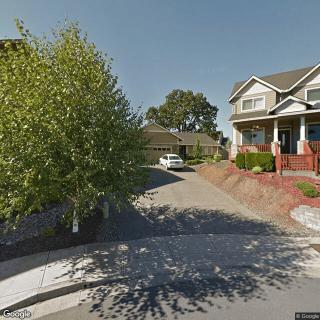
Willows Adult Foster Care
$3,000 / month1.8 miles away -
from +$500 / mo
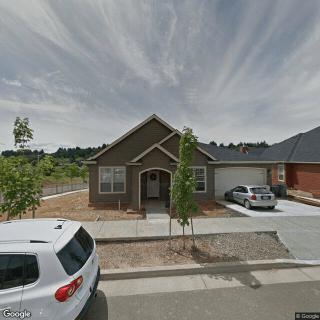
Avery Rose
$3,500 / month22.5 miles away -
from +$496 / mo
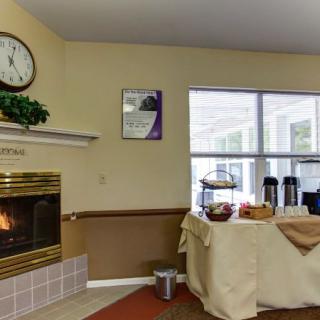
Davenport Place
$3,496 to $3,983 / month15.8 miles away -
from -$115 / mo

The Springs at Sunnyview
$2,885 to $3,640 / month5.7 miles away -
from +$300 / mo
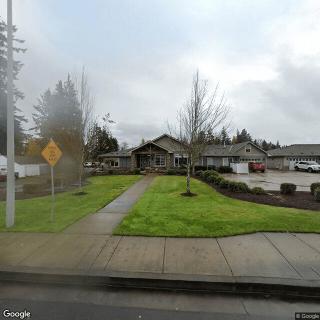
Harmony House of Salem
$3,300 to $3,550 / month6.6 miles away
Overall Review of Jans Care Home
Pros
 Premium Grace Care Home is a beautiful and loving environment.
- The owner and staff are wonderful and kind.
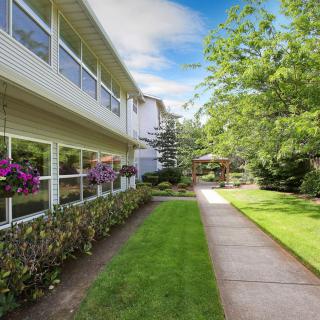
- The home is peaceful and conveniently located, with a spacious, handicap-accessible outdoor area.
- Residents thrive thanks to the exceptional care, attention, and genuine love from Miriam and her staff.
- They have created a home filled with warmth, respect, and compassion.
- Miriam and her care team provide compassionate and exceptional care for seniors.
- Visitors feel the warmth of a family upon entering.
Review
Jans Care Home in Salem is best suited for families seeking a beautiful, intimate home-like setting where residents are treated with genuine warmth and individualized attention. It resonates with seniors who want dignity, personal connection, and a peaceful daily rhythm, especially for those navigating hospice or end-of-life care in a environment that feels like home rather than a clinic. The stories from visiting families describe a space that is calm, welcoming, and conveniently located, reinforcing the sense that this is a residence designed around comfort and relationship rather than rigid protocols.
The strongest positives lie in the human-centered approach and the setting. The home’s ambience is repeatedly praised as beautiful and warm, with a peaceful atmosphere that supports comfort and security. A spacious outdoor area that is handicap-accessible extends the sense of freedom for residents who enjoy sunshine and fresh air but need safety and ease of movement. Families consistently point to a compassionate care team and owners who are personally engaged, delivering attention that feels sincere, patient, and deeply respectful. The overarching message is that care is anchored in core values and a mission centered on residents’ dignity and well-being.
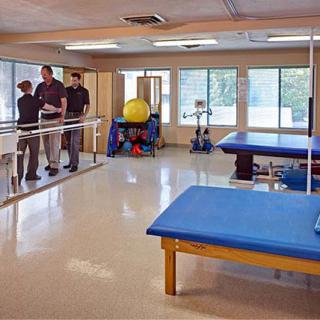
Those who may want to consider alternatives are families seeking robust medical infrastructure or highly specialized programs. Large, hospital-like facilities or campuses with extensive on-site medical teams and formal therapy schedules can offer more clinical breadth, but often at the expense of intimacy and a homey feel. Here, the emphasis is on warmth, individualized attention, and a family-like culture; for some needs, particularly around complex medical management or intensive, structured programming, other options may be a better fit. The tradeoff is clear: a smaller, more personal environment versus a larger operation with more visible clinical resources.
The pros, exceptional warmth, a strong sense of belonging, and a beautifully maintained home, offset the potential tradeoffs by delivering daily life that uplifts residents’ spirits and reduces caregiver and family stress. When a care team earns trust through consistent, compassionate interactions, residents often thrive emotionally, and families gain the reassurance of consistent contact and oversight. The ability to handle sensitive transitions, such as hospice moments, with tact and empathy further strengthens the value, even if it means accepting fewer on-site medical amenities than bigger facilities. In short, emotional quality of life and trust become the decisive compensators.
Practical questions shape the evaluation as much as sentiment does. Prospective families should ask about care planning processes, the cadence of regular family updates, and how hospice or palliative needs are coordinated. It is wise to inquire about staffing, hours, on-call availability, and how the team responds to changing resident needs, along with safety features, nutrition support, and daily routines. Tour the living spaces and the outdoor area to observe how staff engage with residents in real-time. Speak with current families to gauge consistency of experience, and clarify what medical and rehabilitative services are readily accessible on-site versus through external partners.
Ultimately, this community stands out for families who prize a warm, home-like environment where residents are treated like family and care is delivered with painstaking kindness. It is a compelling option for those who view emotional comfort, dignity, and a peaceful environment as prerequisites of quality senior living. For families prioritizing extensive clinical programming or specialized memory-care infrastructure, the search may extend to alternatives with broader medical resources. A direct visit to Jans Care Home is strongly recommended to verify alignment with every loved one’s needs and to experience the day-to-day atmosphere that has so many families singing the same praise.
 Board and Care Home
 Activities off-site
 Bath tubs
 Indoor common areas
 Outdoor common areas
 Private
 Respite or short term stays offered
 Wheelchair accessible showers
 Ambulatory care
 Diabetic care
 High acuity care
 Incontinence care
 Medication management
 Meals provided
 Christian services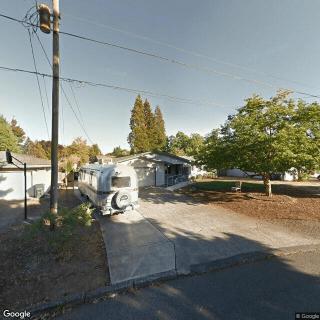





 Top Cars for Senior Drivers and Essential Safety Innovations
 A Closer Look at Private Pay Home Care
 Comprehensive Approaches for Arthritis: A Detailed Guide to Symptoms, Causes, and Care