For more information about senior living options: (866) 208-4318
2.9 from 41 reviews
5 stars
15
4 stars
5
3 stars
0
2 stars
2
1 stars
19
Avamere Transitional Care At Sunnyside Costs & Pricing
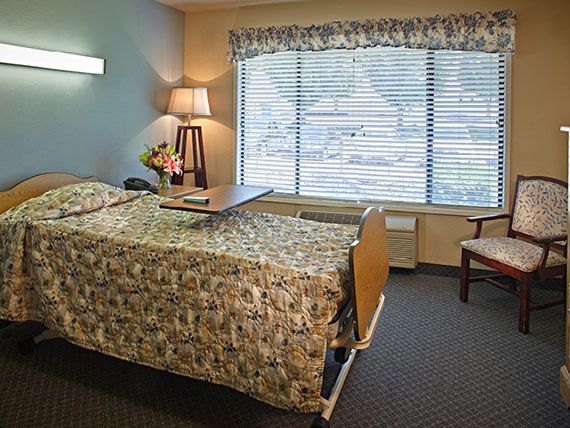
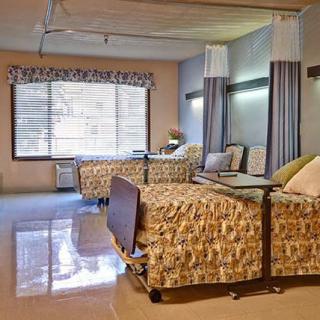
Avamere Transitional Care At Sunnyside offers competitive pricing for its services, with monthly costs reflecting the quality of care provided. For a semi-private room, residents can expect to pay $4,320 per month, which is slightly above the average for Marion County at $4,031 but remains in line with the broader state average of $4,457. In contrast, the cost for a private room is $5,400, significantly higher than both Marion County's average of $3,564 and Oregon's lower average of $3,424. This pricing structure indicates that while Avamere may be on the higher end for private accommodations relative to local and state averages, it emphasizes its commitment to delivering exceptional transitional care tailored to individual needs.
Floor plans
Avamere Transitional Care At Sunnyside
Marion County
Oregon
Semi-Private
$4,320
$4,031
$4,457
Private
$5,400
$3,564
$3,424
Skilled Nursing Facilities with a similar price nearby
Overall Review of Avamere Transitional Care At Sunnyside
common17 reviews mention this
Staff care is praised, but disputed
Residents and families describe capable, friendly staff, alongside complaints about nonresponsiveness.
Many reviewers say the CNAs and skilled nurses are effective, pleasant, and professional, and that staff members check in and ask if residents need anything. Others report difficulty getting help with calls, bathroom needs, or ongoing coordination, and describe staff as rude or impersonal. A few reviews also mention that communication improved through proactive updates, especially for temporary stays.
differentiator6 reviews mention this
Meals work for many diets
Dining is a clear talking point, with multiple mentions of both good meals and unmet dietary needs.
Several reviewers say the food is delicious and that they appreciate the meal quality, including for residents recovering after surgery. Others specifically mention dietary restrictions: one kitchen team member worked to meet needs tied to MS-related restrictions, and another reviewer argues for better gluten-free options. The community also offers restaurant-style dining and supports special dietary restrictions like diabetes-related diets, which aligns with the way residents discuss meals.
differentiator6 reviews mention this
Skilled rehab support is central
Skilled nursing and therapy come through in reviews about recovery after hospital stays.
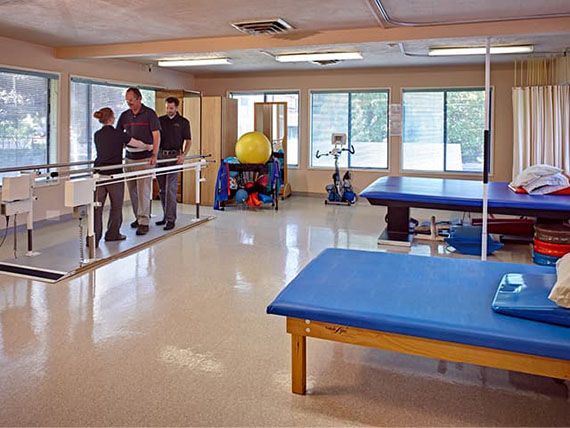
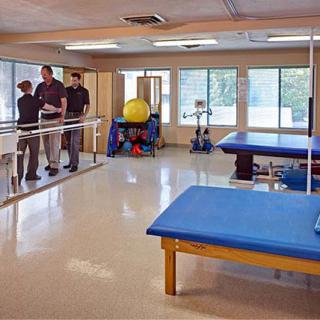
Multiple families describe using Avamere Sunnyside for rehab or recovery after hospitalization, and credit the team with helping someone do better and feel satisfied. One review highlights the physical therapy center and a therapist by name, while others praise effective CNAs and skilled nurses. The community’s planned care includes assistance with daily living activities and medication management, which fits the way reviews focus on hands-on support during recovery.
caveat10 reviews mention this
Help timing draws strong complaints
Some reviewers report delays or missed help with care requests.
On the negative side, reviewers mention not receiving breakfast, not getting help when calling for bathroom assistance, and not being responded to for help quickly enough. Several complaints describe staff not showing up for requests, requiring families to step in, or receiving limited attention during the day. Positive reviews exist as well—some say staff always check in and ask if help is needed—so experiences appear inconsistent.
caveat5 reviews mention this
Cleanliness and room conditions vary
Some reviewers describe concerning cleanliness and room upkeep issues.
A few reviews call out the facility as very dirty or describe rooms smelling of waste and requiring repeated cleaning. One negative account also mentions soiled linens left on the floor and slow attention to basic care in a day. In contrast, some reviewers include compliments about the facility being clean, suggesting the condition may not be consistently experienced by everyone.
How we summarize
Counts show how many written reviews mention each theme; a review can touch several themes, and only frequently mentioned themes are displayed.
Avamere Transitional Care At Sunnyside offers competitive pricing for its services, with monthly costs reflecting the quality of care provided. For a semi-private room, residents can expect to pay $4,320 per month, which is slightly above the average for Marion County at $4,031 but remains in line with the broader state average of $4,457. In contrast, the cost for a private room is $5,400, significantly higher than both Marion County's average of $3,564 and Oregon's lower average of $3,424. This pricing structure indicates that while Avamere may be on the higher end for private accommodations relative to local and state averages, it emphasizes its commitment to delivering exceptional transitional care tailored to individual needs.
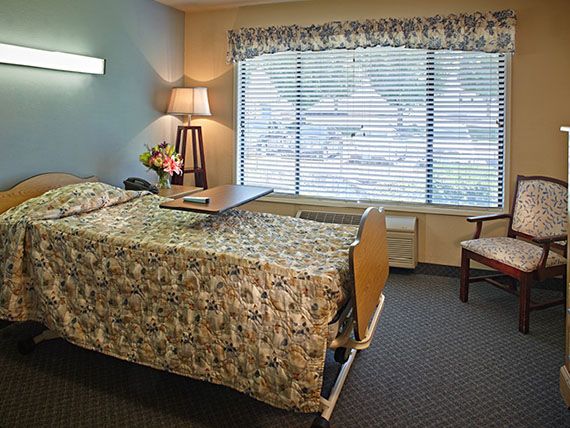
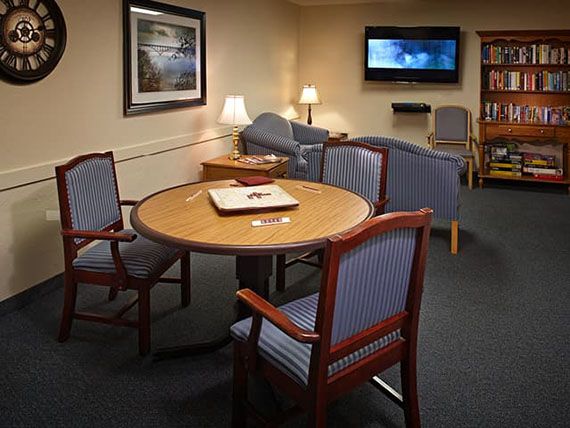
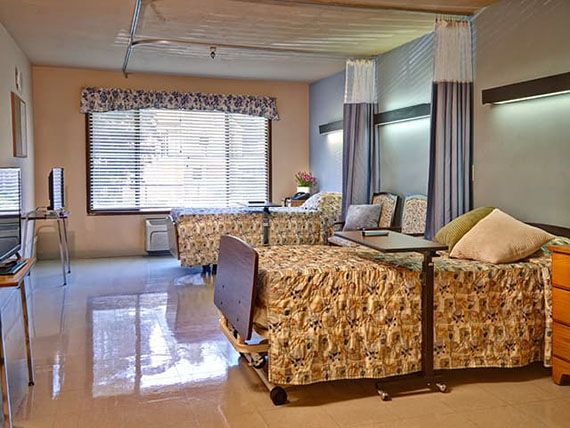
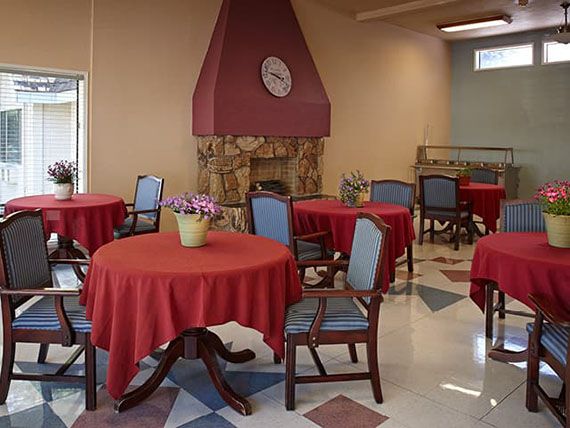
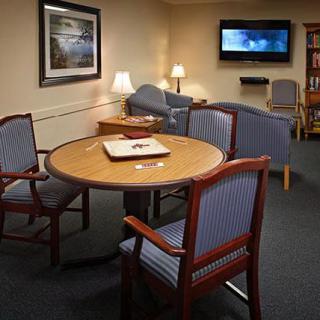
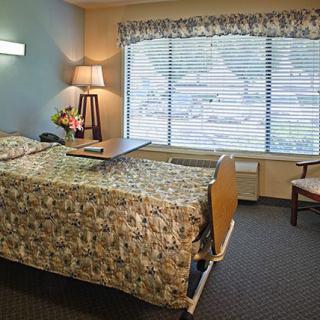
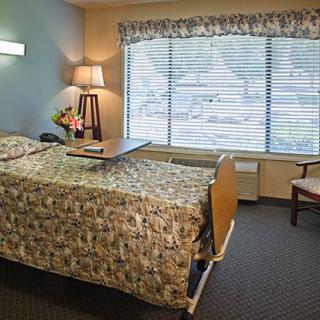
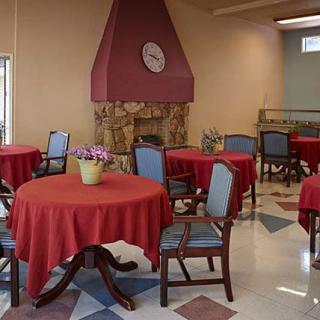
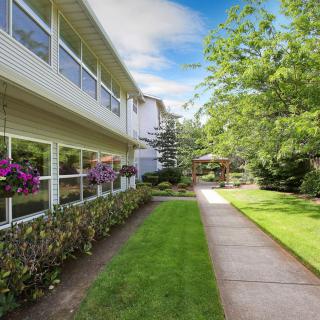
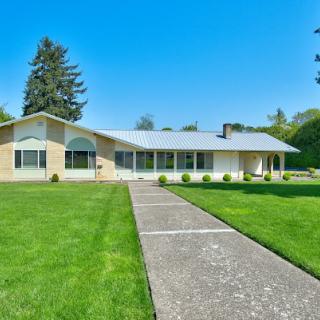
Avamere Transitional Care At Sunnyside on seniors.fyi includes 7 photos including images showing bedroom, healthcare, windows, interior, television, lounge area, painting, rehabilitation, and more.
Nearby Communities
Regency Woodland
Salem, OR
4.1 from 39 reviews
$3,963 to $4,950 / month
Caring staff in a warm, home-like community with engaging activities and personalized meals.
Regency Woodland
Salem, OR
3.6 from 16 reviews
Comprehensive assisted living with 24-hour supervision, medication management, a mental wellness program, restaurant-style dining, and active resident-led activities.
Faye Wright Senior Living
Salem, OR
3.9 from 72 reviews
$3,700 to $4,700 / month
Compassionate, attentive staff delivering personalized care in a clean, engaging environment.
Farmington Square - Salem
Salem, OR
3.8 from 29 reviews
Memory-care focused with 24/7 supervision and a broad range of amenities and activities.
Jans Care Home
Salem, OR
5 from 8 reviews
$3,000 to $3,500 / month
Private accommodations with engaging on-site activities and comprehensive care at competitive pricing.
Redwood Heights Assisted Living
Southeast Salem, OR
4.5 from 98 reviews
$4,415 to $6,120 / month
Compassionate staff with engaging activities in a clean, comfortable apartment community.
Meadow Creek Village Assisted Living
Salem, OR
3.7 from 24 reviews
Caring staff, clean facilities, accessible transportation, and engaging activities in a smaller community.
Holiday Hidden Lakes
Salem, OR
4.2 from 176 reviews
$2,469 to $4,029 / month
Friendly, helpful staff with pleasant grounds and varied activities.
Prestige Senior Living Southern Hills
Salem, OR
4 from 76 reviews
$4,400 to $5,125 / month
Caring staff, clean facilities, and engaging activities.
The overview of blood pressure management for seniors emphasizes the importance of monitoring and interpreting blood pressure readings, noting that normal ranges can vary due to age-related factors and individual health conditions. It highlights tailored guidelines for systolic and diastolic levels, the necessity of early detection and consistent management to prevent serious health complications, and advocates for personalized care strategies that incorporate lifestyle changes and medication adherence.
Dogs can greatly improve the lives of older adults by offering emotional support and encouraging physical activity, with factors such as size, temperament, and grooming needs being crucial in selecting a suitable breed. Senior dogs often make ideal companions for this demographic, promoting social connections and requiring care routines that align with seniors' capabilities.
The guide on blood pressure charts for older adults stresses the importance of understanding normal and high blood pressure readings influenced by age, genetics, and lifestyle, while emphasizing regular monitoring and lifestyle modifications to prevent serious health issues. It provides insights into blood pressure categories, dietary recommendations, medication considerations, and the role of caregivers in supporting healthy habits.
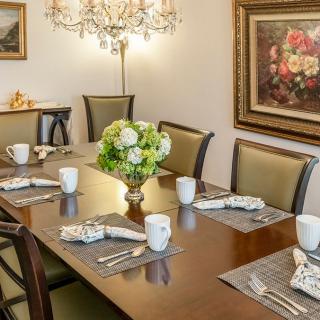
Living Room, Television, Painting, and Lounge Area
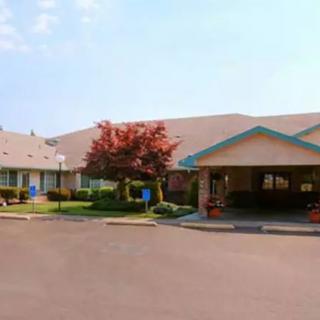
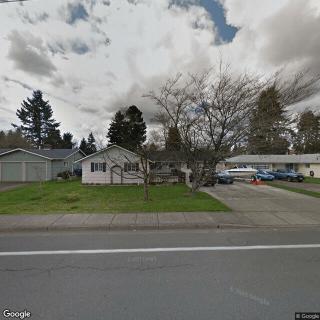
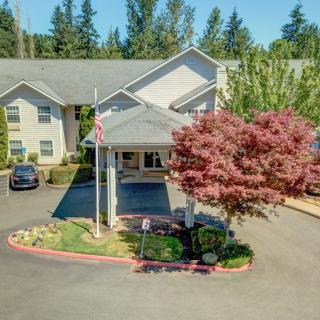
Building, Trees, Entrance, and Parking
Exercise Equipment, Rehabilitation, Physical Therapy, and Therapy Room
Healthcare
Get PricingAsk A QuestionSchedule A TourContact Senior Advisor
By clicking submit, you agree to our Partner's Terms of Use. You
also consent to receive calls and texts, which may be autodialed, from our Partner. Your consent is not a condition to
using our Partner's service. Please visit our Partner's Privacy Policy for information about their privacy practices.



 88 resident community capacity
 Skilled Nursing Facility
 Air-conditioning
 Beauty salon
 Cable or satellite TV
 Computer center
 Dining room
 Fitness room
 Fully furnished
 Gaming room
 Garden
 Housekeeping services
 Kitchenette
 Move-in coordination
 Outdoor space
 Private
 Private bathrooms
 Restaurant-style dining
 Small library
 Telephone
 Wellness center
 Wi-Fi/high-speed internet available
 Community operated transportation
 12-16 hour nursing
 24-hour call system
 Activities of daily living assistance
 Assistance with bathing
 Assistance with dressing
 Assistance with transfers
 Diabetes diet
 Medication management
 Mental wellness program
 Special dietary restrictions
 Concierge services
 Planned day trips
 Caring staff in a warm, home-like community with engaging activities and personalized meals.


 Comprehensive Look at Senior Blood Pressure Charts: Normal and Elevated Levels by Age
 Top Canine Companions for Older Adults
 Comprehensive Guide to Blood Pressure Charts for Older Adults: Understanding Normal and High Readings by Age