

2784 Arroyo Ridge Drive NW, Salem, OR 97304
To contact a resident: (503) 585-0983
For more information about senior living options: (866) 208-4318
Heirloom Adult Foster Care Costs & Pricing
Heirloom Adult Foster Care offers a competitive monthly rate for private rooms at $3,200, which is notably lower than the average costs in Yamhill County and the broader state of Oregon, where private room rates are approximately $3,421 and $3,424, respectively. This pricing reflects a commitment to delivering quality care while remaining accessible to families seeking supportive living arrangements for their loved ones. By positioning itself below regional averages, Heirloom Adult Foster Care not only provides value but also emphasizes its dedication to fostering an environment that prioritizes both comfort and wellness for residents.
| Floor plans | Heirloom Adult Foster Care | Yamhill County | Oregon |
|---|---|---|---|
| Private | $3,200 | $3,421 | $3,424 |
Senior living communities with a similar price nearby
-
from -$200 / mo
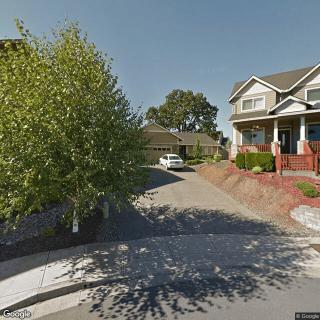
Willows Adult Foster Care
$3,000 / month5.4 miles away -
from +$600 / mo
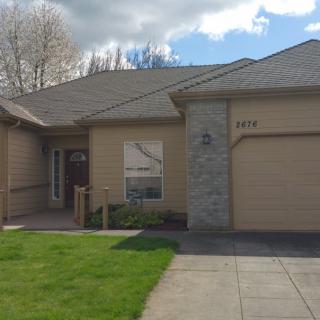
Felicity Haven Adult Foster Home
$3,800 to $4,000 / month6.0 miles away -
from +$300 / mo

Avery Rose
$3,500 / month24.9 miles away -
from +$296 / mo
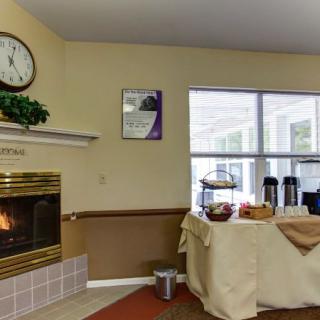
Davenport Place
$3,496 to $3,983 / month16.1 miles away -
from -$315 / mo

The Springs at Sunnyview
$2,885 to $3,640 / month5.8 miles away
Overall Review of Heirloom Adult Foster Care
Pros
 The reviewer had a very good tour experience with Heirloom Adult Foster Care.
- Heirloom Adult Foster Care would have been one of their first choices.
- Irena is a very nice person and a great cook.
Cons
 They could not provide the level of care that a loved one needed.
Review
Heirloom Adult Foster Care in Salem is best suited for families seeking a small, home-like setting where personal attention and daily routines trump institutional form. The community appeals to seniors who want help with essentials, getting dressed, meals, light housekeeping, and dependable daily structure, without sacrificing warmth or a sense of neighborhood living. It works well for residents who value a intimate, person-centered approach and are comfortable in a smaller setting where caregivers know residents by name and can respond with familiarity. For families prioritizing comfort, predictable routines, and a non-clinical atmosphere, this option stands out.
Those who may want to consider alternatives are clear from the experiences shared. If a loved one requires higher-level medical oversight, skilled nursing services, or specialized memory-care programming, this setting may not meet the needs. The reviews indicate the facility could not provide the level of care that some residents required, signaling a potential mismatch for more complex conditions or rapidly changing health statuses. For families facing chronic medical needs, frequent care escalations, or 24/7 supervision requirements, larger assisted living campuses or dedicated memory-care communities in the area are more likely to deliver the needed support.
On the positive side, the strongest advantages are rooted in human warmth and practical daily living. A tour that left a favorable, confident impression sets the tone for what families can expect: a responsive, personable staff dynamic and a home atmosphere rather than a hospital-like environment. The kitchen and meal experience receive specific praise, with one staff member highlighted as a capable cook who contributes to a comforting daily routine. Cleanliness and a well-kept home feel reinforce the sense of safety and ease that families seek when transitioning a loved one out of more formal senior housing.
The principal con is not hard to identify from the feedback: the care intensity. The times when a resident’s needs outpace what the setting can deliver create the central challenge. In practice, this means a smaller, foster-care model may struggle to scale quickly for higher-acuity needs, frequent medical management, or complex care plans. The result is a potential disruption if health status shifts, requiring families to pivot to a setting with more robust medical resources. While the environment shines in companionship and routine, it may fall short for those who require continuous nursing oversight, complex wound care, or intensive monitoring.
Yet the positives do offset the drawbacks in meaningful, decision-driving ways. For families prioritizing reassurance, the personal touch, familiar routines, and a clearly resident-centered approach reduce the stress of transition. The favorable tour experience and positive staff interactions build trust that daily care will be performed with attentiveness and respect. A high overall rating, 4.7 from three reviews, signals that, within its scope, families feel satisfied with the level of care and the lived experience. When the care needs stay within the capacity of a small, home-based operation, this model can deliver genuine comfort and quality of life.
The practical path for families evaluating Heirloom is straightforward. Plan a dedicated visit to verify how care needs are assessed, how staff respond to escalating needs, and what contingencies exist if medical requirements increase. Inquire about staffing ratios, on-site medical support, medication management, and the availability of specialized services (if any). Clarify the transition plan should a resident’s condition worsen and understand how quickly a move to a higher-acuity setting would be arranged. If a loved one’s care plan centers on daily living support within a warm, home-like milieu, this community can be an outstanding match. If instead there is certainty that memory care, 24/7 nursing, or high medical acuity will be needed, alternatives in the Salem area will likely serve better.
 Board and Care Home
 Activities off-site
 Beautician on-site
 Devotional services off-site
 Indoor common areas
 Outdoor common areas
 Private
 Wheelchair accessible showers
 Ambulatory care
 Diabetic care
 High acuity care
 Incontinence care
 Medication management
 Meals provided




 Top Cars for Senior Drivers and Essential Safety Innovations
 A Closer Look at Private Pay Home Care
 Comprehensive Approaches for Arthritis: A Detailed Guide to Symptoms, Causes, and Care