
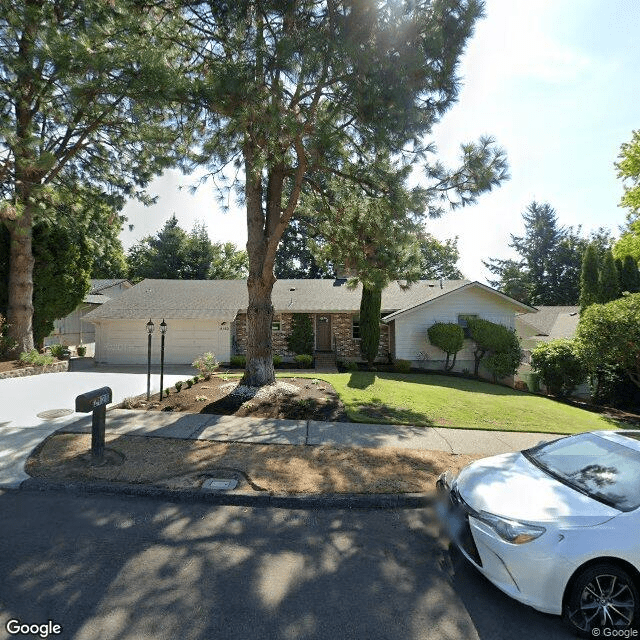
2120 SW Roxbury, Portland, OR 97225
To contact a resident: (503) 641-1883
For more information about senior living options: (866) 208-4318
West Haven Care Home II Costs & Pricing
West Haven Care Home II offers competitive pricing for its private room accommodations, with a monthly cost of $2,800. This rate is significantly lower than both the county and state averages, which are $3,261 in Washington County and $3,424 across Oregon as a whole. By choosing West Haven Care Home II, residents can enjoy quality care at a more affordable price point compared to other options in the region, making it an attractive choice for those seeking value without compromising on care quality.
| Floor plans | West Haven Care Home II | Washington County | Oregon |
|---|---|---|---|
| Private | $2,800 | $3,261 | $3,424 |
Senior living communities with a similar price nearby
-
from +$200 / mo
A Piece of Heaven
$3,000 / month10.4 miles away -
from -$300 / mo

Mapleview Manor, LLC
$2,500 / month11.0 miles away -
from +$200 / mo
Yamhill Senior Care Home
$3,000 / month13.7 miles away -
from +$200 / mo
Peaceful Lighthouse Adult Care Home
$3,000 / month16.0 miles away -
from -$300 / mo
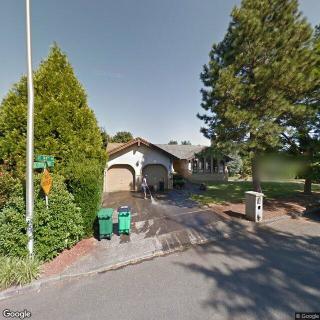
A Gentle Care Home
$2,500 / month13.5 miles away
Overall Review of West Haven Care Home II
Pros
 The owners are professional and competent at what they do, and clearly have a heart for this line of work.
- Eunice and Allen have a heart to care for every person that enters their home.
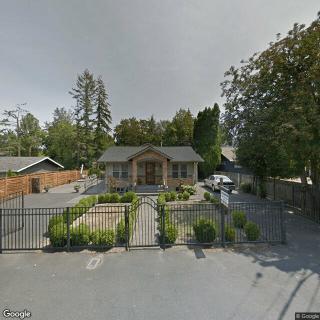
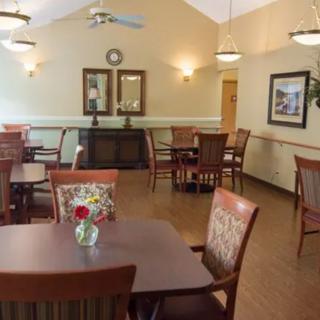
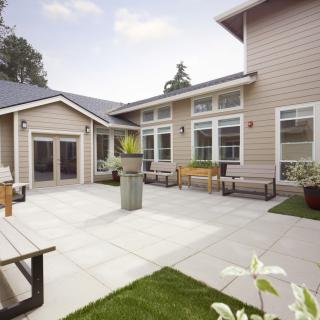
- The home is beautifully renovated, clean, cozy, and spacious.
- Residents adjust well to the care and enjoy the hospitality they receive daily.
- Eunice is loving and compassionate and takes very good care of residents.
- The home is clean and homey inside and out, and is well staffed.
- Families feel reassured knowing their loved ones are in a safe environment and well cared for, and Evergreen Haven Senior Care Home comes highly recommended.
Review
This community is best suited for families seeking a warm, intimate, owner-operated setting where care feels personal and hands-on. The core strengths lie in a small-house atmosphere led by owners who show genuine heart for each resident, paired with a well-maintained, home-like environment. Families that want daily hospitality, attentive hands-on care, and a sense of coming “home” for a loved one will find this model especially compelling. The consistently positive feedback centers on professional leadership, a renovated, clean space, and residents who settle in with ease, all of which point to a setting where relationships matter as much as routine.
Those considering alternatives should note this model may not fit every care scenario. If a loved one requires robust, around-the-clock medical oversight, extensive clinical programming, or highly structured memory care, a larger, more protocol-driven community may be preferable. The intimate setting excels in warmth and personal attention, but the scale and resources of a bigger campus can translate to more on-site medical staff, diverse programming, and quicker access to specialty services. Families whose priorities include highly specialized nursing, complex wound care, or frequent on-site therapy may want to compare options with facilities designed to deliver that level of clinical intensity.
On the upside, the pros create a compelling offset against the potential gaps. The owners’ professionalism and evident compassion permeate daily life, translating into a culture of respect, responsiveness, and genuine care. The home’s renovation and upkeep contribute to a clean, comfortable, and homey ambiance where residents appear to thrive. Staffing, at least in the cases highlighted, feels reliable and present, which supports consistent supervision, routine, and safety. The kitchen comes up as a meaningful perq, with residents often praising the meals, and one caregiver in particular is highlighted for making meals enjoyable. Move-in support is clearly a priority, helping families navigate transitions with warmth and practical help.
Where the review set hints at limits, they are practical rather than deal-breakers. Move-in days can be hectic for families, as transitions from hospital or home can unfold in a whirlwind; the staff’s efforts to ease the process matter and can make a meaningful difference in comfort levels. The longevity of a stay can vary, with some families experiencing shorter-than-expected durations due to shifts in care needs or personal circumstances. Small homes inherently carry fewer on-site amenities and less depth of clinical specialization than larger campuses. For residents whose needs evolve rapidly or who require intensive, schedule-driven care, these factors may slow the pace of escalation in services.
Overall, the balance between strong, owner-led care and the intimate, home-like setting tends to deliver meaningful quality of life for many residents, particularly those who prioritize personal connections, daily hospitality, and safety within a cozy footprint. The strongest case is for families who value a trusted caregiver relationship, where owners are openly involved, the home is well cared-for, and daily routines feel reassuringly predictable. That combination often translates to calmer days, more consistent attention, and a sense of belonging that larger facilities sometimes struggle to replicate.
For families evaluating options, concrete next steps sharpen the decision. Arrange a visit during ordinary hours to observe how staff interact with residents, how meals are prepared and served, and how personal routines are accommodated. Ask about staffing ratios across shifts, the availability of on-site clinical oversight, and how care plans are updated as needs change. Inquire about transition support, family communication, and the process for adjusting levels of care without disruption. If the priority is a homelike, people-first environment with hands-on leadership, this option deserves serious consideration; if the priority leans toward extensive clinical programming or broad hospital-adjacent services, it should be weighed against larger competitors. The bottom line: for families seeking a practical, heartfelt, small-community alternative that emphasizes dignity and daily warmth, this model stands out as a highly reasonable, well-executed choice.
 Board and Care Home
 Cats allowed
 Dogs allowed
 Activities on-site
 Devotional services on-site
 Indoor common areas
 Private
 Private bathrooms
 Wheelchair accessible showers
 Portland International (11 miles away)
 Diabetic care
 High acuity care
 Incontinence care
 Meals provided

 Effective Strategies for Keeping Seniors' Minds Active: A Deep Dive into Brain Games and Apps
 In-Depth Look at the VA Aid and Attendance Program
 Nurturing Our Loved Ones: A Daughter's Journey in Caring for Her Mother