
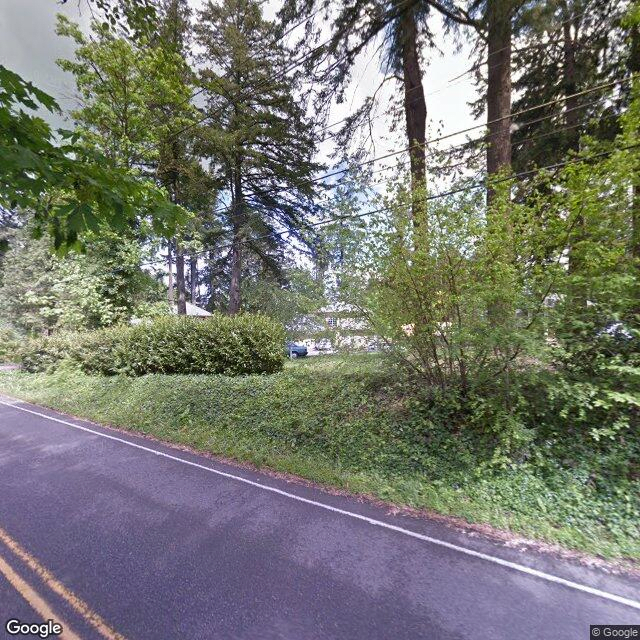
11626 Southwest 35th Avenue, Portland, OR 97219
To contact a resident: (503) 244-0132
For more information about senior living options: (866) 208-4318
Pacificare Adult Foster Care Costs & Pricing
Pacificare Adult Foster Care offers a competitive monthly rate for private rooms at $2,490, which is notably lower than the averages in both Washington County and the broader state of Oregon. In Washington County, the cost for similar accommodations reaches approximately $3,261, while across Oregon it can climb to about $3,424. This pricing not only reflects Pacificare's commitment to providing quality care at an accessible price point but also underscores its value in comparison to regional standards. Families seeking adult foster care options will find that Pacificare stands out as a financially viable choice without compromising on the quality of service and support provided to residents.
| Floor plans | Pacificare Adult Foster Care | Washington County | Oregon |
|---|---|---|---|
| Private | $2,490 | $3,261 | $3,424 |
Senior living communities with a similar price nearby
-
About the same
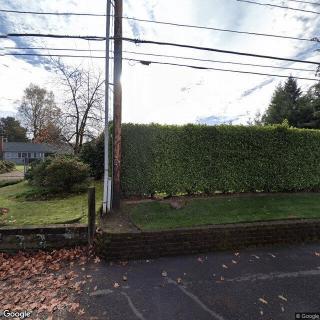
Mapleview Manor, LLC
$2,500 / month6.0 miles away -
from -$290 / mo
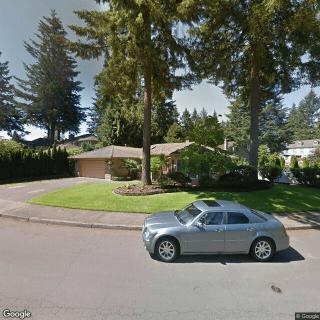
The Peace and Joy Garden
$2,200 / month16.9 miles away -
from -$490 / mo

Alliance Home Health
$2,000 / month7.1 miles away -
About the same
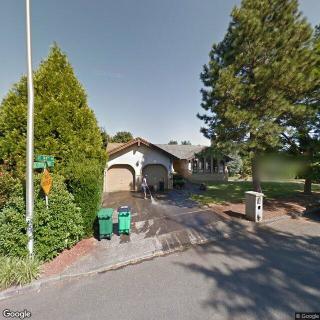
A Gentle Care Home
$2,500 / month9.7 miles away -
About the same
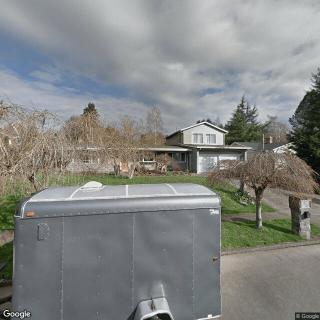
Sacred Heart Adult Foster Care
$2,500 / month6.5 miles away
Overall Review of Pacificare Adult Foster Care
Pros
 Daniel and his team members have obvious affection and concern for their residents, which makes it feel like a family.
- The home and yard are spotless and well maintained.
- Residents receive two baths per week and have clean clothes with nails and beards trimmed.
- Meals are made from scratch with wholesome snacks in between, and the food quality is far above any other home.
- Supervised neighborhood walks are provided, weather permitting.
- The team is inclusive, patient, and attentive to what all the residents are doing.
- The home feels more like a family than a care setting, giving families peace of mind.
- Two caregivers are consistently present to attend to residents.
- Families can feel confident that their loved ones are in a clean, well-organized, caring home.
Cons
 My husband was in 2 larger facilities for 1 year, he did not receive the care he needed and should have.
Review
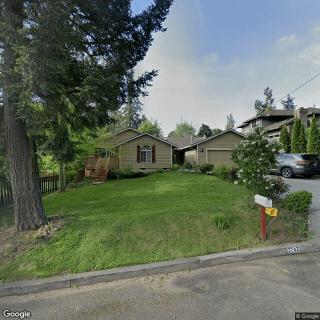
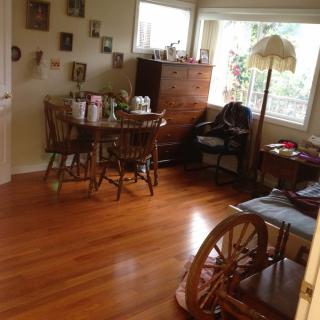
Pacificare Adult Foster Care in Portland is best suited for families seeking a small, home-like setting where caregiving feels personal, steady, and deeply attentive. The two reviews portray a place that replaces institutional routines with a true “home” atmosphere: a cozy house, a tidy yard, and a daily rhythm shaped by individual care rather than generic programs. This is the type of community where a loved one benefits from visible affection, patient supervision, and a sense of belonging that many larger facilities struggle to deliver. When the priority is warmth, dignity, and a dependable sense that someone is looking out for daily comfort, Pacificare stands out as the clear choice.
Conversely, those with substantial medical complexity or a need for expansive, on-site services should consider alternatives. Adult foster care models are inherently smaller and more intimate, which translates to a tighter staff-to-resident dynamic but limits access to extensive nursing resources or a broad continuum of care under one roof. If 24/7 on-site medical oversight, memory-care specialization, or a wide array of certified therapeutic offerings are non-negotiable requirements, a larger assisted living or skilled nursing setting may be a better fit. The reviews hint at strong, two-caregiver coverage, which is excellent for daily attention, yet may not satisfy cases demanding higher-acuity medical management.
The strongest pros revolve around the emotional and practical daily experience. A family-style environment permeates the resident experience, with Daniel and his team described as affectionate, inclusive, and consistently attentive to routines. The homes themselves are noted as spotless and well-maintained, reinforcing a sense of safety and pride in the setting. Daily life includes grooming and personal-care routines, baths, clean clothes, nails, and beard maintenance, delivered with regularity that provides consistency families value. Meals cooked from scratch, plus wholesome snacks, elevate nutrition and flavor above what is typical in many residential options, reinforcing overall well-being. The inclusion of supervised neighborhood walks, weather permitting, adds gentle physical activity and a sense of normalcy that many families seek.
Yet, the same dimensions that make this option compelling also illuminate its limitations. The intimate scale can constrain the breadth of specialized programming and on-demand medical interventions found in larger facilities. For residents who require frequent, advanced clinical oversight, passive monitoring, or a broad spectrum of therapies on-site, the foster-care model may feel insufficient. The two-bath-per-week detail signals a certain cadence of personal care that works in most cases but may not meet every individual preference, particularly for those prioritizing more intensive bathing routines or more aggressive personal-care schedules. In sum, the setting trades breadth of services for depth of daily, hands-on attention, warmth, and a home-like routine.
Decision-making guidance should center on aligning care expectations with what this community delivers. Prospective families should verify staffing consistency and qualifications, confirm daily schedules, and inquire about how personal-care tasks are allocated across shifts. Ask for a realistic overview of meal planning, kitchen staffing, and the degree of flexibility in daily routines. Tour the home with attention to cleanliness, safety, and how residents spend their day beyond meals and walks. Request references or speaking with current residents’ families to gauge long-term satisfaction and to understand how care evolves as needs change. Clarify transportation options, emergency procedures, and how medical appointments are coordinated.
Bottom line: Pacificare Adult Foster Care provides a compelling, standout option for families seeking a heartfelt, home-centered living arrangement where caregivers operate with evident affection and attentiveness. The strongest advantages, clean, welcoming spaces; on-site, from-scratch meals; consistent grooming and personal care; and a genuine sense of belonging, offer a powerful offset to the absence of large-scale medical infrastructure. This is a superior fit for residents who thrive on routine, close-knit supervision, and a family-like environment. For those whose loved one requires extensive medical services, memory-care expertise, or a broader community with more programmed activities, alternatives should be explored to ensure the level of care matches evolving needs.
 Board and Care Home
 Beautician on-site
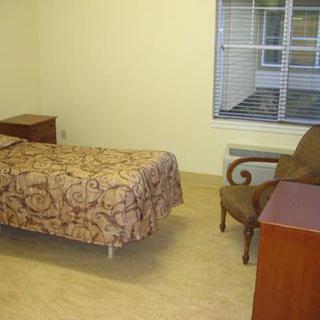
 Private
 Private bathrooms
 Wheelchair accessible showers
 Portland International (12 miles away)
 Ambulatory care
 Diabetic care
 High acuity care
 Incontinence care




 8 Essential Assistive Devices for Older Adults
 Navigating the Financial Road to Nursing Home Care: In-Depth Guidance and Resources
 Supportive Employee Benefits That Help Caregivers Attain Better Work-Life Harmony