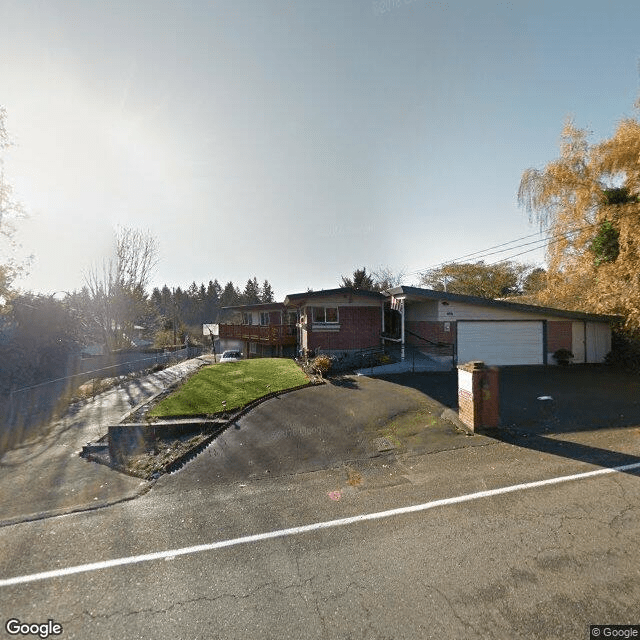
1122 SW Stephenson St, Portland, OR 97219
To contact a resident: (503) 245-9800
For more information about senior living options: (866) 208-4318
Stephenson Adult Care Home Costs & Pricing
Stephenson Adult Care Home offers private room accommodations at a monthly cost of $6,500, significantly higher than the averages for both Washington County and Oregon, which stand at $3,261 and $3,424 respectively. This disparity highlights the premium pricing associated with Stephenson's services, potentially reflecting enhanced amenities or specialized care that caters to individual needs. While residents may be drawn to the higher costs due to perceived quality and additional offerings, it is essential for families to weigh these benefits against more affordable options within the county and state. Ultimately, understanding the value proposition of Stephenson Adult Care Home in relation to its competitors can help inform better decisions regarding long-term care options.
| Floor plans | Stephenson Adult Care Home | Washington County | Oregon |
|---|---|---|---|
| Private | $6,500 | $3,261 | $3,424 |
Senior living communities with a similar price nearby
-
from -$500 / mo
Magnolia Gardens Senior Care Home
$6,000 / month16.5 miles away -
from -$1000 / mo
Evergreen Quality Home
$5,500 / month17.7 miles away -
About the same
Guardian Angel ACH
$6,500 / month7.7 miles away -
from -$360 / mo
Rosewood Memory Care
$6,140 to $6,585 / month11.7 miles away -
from -$450 / mo

The Cottages Senior Living
$6,050 to $6,300 / month11.5 miles away
Overall Review of Stephenson Adult Care Home
Pros
 Matthew has been a guest here for almost two years.
- The care provided here has been exceptional.
- Matthew is truly loved by the entire family.
- The home is highly recommended to anyone.
Review
Stephenson Adult Care Home in Portland is best suited for families seeking an intimate, home-like setting where a resident receives highly personalized attention and long-term continuity of care. This community appears ideal for an elder who benefits from a small, stable caregiving team that knows daily routines, preferences, and health patterns, and whose loved ones want to see consistent, affectionate oversight rather than a large-facility bustle. The two reviews describe a setting where the same caregivers and the family are emotionally invested in the resident’s well-being, translating into dependable supervision, quick responses to needs, and a sense of belonging that is rare in bigger operations.
Those who need extensive on-site medical oversight, aggressive rehab services, memory-care specialization, or a wide array of social programming may want to consider alternatives. Larger communities typically offer broader medical staffing, more structured activities, and more formalized care plans. If a resident requires round-the-clock skilled nursing, frequent on-site therapies, or intense behavioral management strategies, a different setting may deliver the level of medical resources and program breadth that a smaller home cannot promise.
From the available feedback, the strongest pro is undeniable: exceptional day-to-day care delivered in a loving, family-like atmosphere. The two-year tenure of care implies stability, trust, and a consistent staff that residents and families can count on. That depth of familiarity often translates into highly tailored support, help with medications, mobility assistance, and routine tasks performed with alacrity and warmth. In a setting where staff know preferences and habits, the risk of miscommunication drops, and emergencies feel smoother. The main trade-off is a more limited resource pool than a larger facility; activities, amenities, and access to specialists may be less expansive.
Despite potential limits, the two reviews paint a compelling picture: Matthew’s care for almost two years has been described as exceptional, with the family feeling loved and confident enough to recommend the home wholeheartedly. That kind of testimonial signals not just competence but trust, consistency, and genuine relational care, attributes that matter deeply when choosing an assisted living setting for someone whose daily life is about comfort, safety, and routine. The rating of five stars from both reviews reinforces the impression that the community delivers reliably at least at the level that matters most to families: attentive oversight and a sense of belonging.
Prospective families should verify practical details to ensure the fit. Ask about staff-to-resident ratios across shifts, and whether caregivers have training in dementia, pain management, and responsive behaviors. Confirm who handles medical coordination, medication administration, and emergency response, and how frequently care plans are updated. Inquire about meal quality, dietary accommodations, daily activities, and opportunities for socialization within a small setting. Also consider whether respite care is available, and what options exist for transitions if needs intensify. These checks will reveal whether the intimate advantages described in reviews are supported by robust day-to-day operations.
Bottom line: Stephenson Adult Care Home is a strong candidate for families who prioritize intimate, high-touch care, steady relationships, and a home-like environment where a resident is truly known. For those whose decisions hinge on advanced medical services, broad programming, or specialized memory care, alternatives with larger teams and more formalized programs may be preferable. The two glowing reviews and perfect rating suggest that when the right resident fits, someone who thrives on familiarity, warmth, and consistent support, the benefits far outweigh potential limitations. In deciding, place equal weight on the value of trust and continuity to determine alignment with long-term care goals.
 Board and Care Home
 Cats allowed
 Dogs allowed
 Activities on-site
 Air-conditioning
 Cable or satellite TV
 Indoor common areas
 Outdoor common areas
 Private
 Private bathrooms
 Respite or short term stays offered
 Wheelchair accessible showers
 Wi-Fi/high-speed internet available
 Portland International (11 miles away)
 Diabetic care
 High acuity care
 Incontinence care
 Medication management
 Anytime dining
 BBQs or picnics
 Birthday parties
 Live musical performances
 Pet-focused programs


 In-Home Care Costs in 2025: A Detailed State-by-State Exploration
 Understanding Home Health Care: A Comprehensive Guide
 Home Health Care Demystified: A Comprehensive Guide for Families and Caregivers