
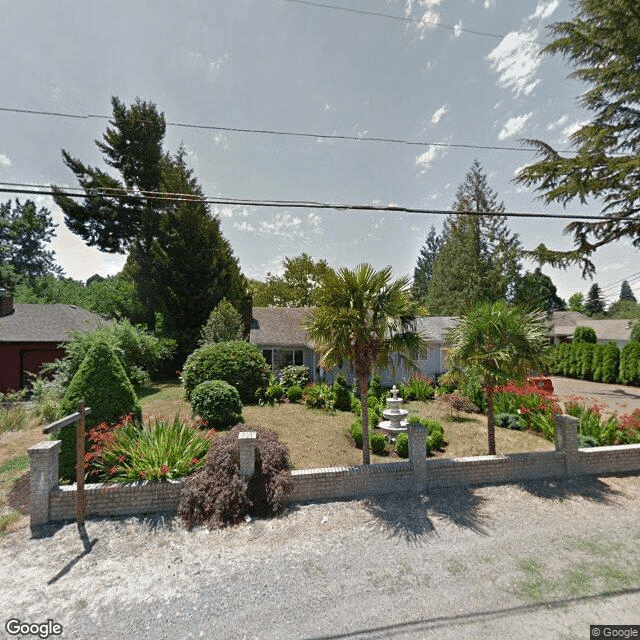
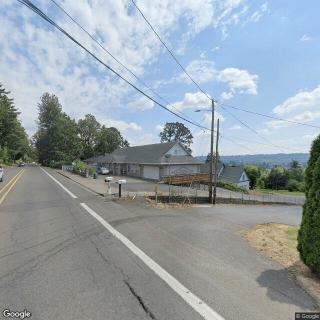
15521 SE Meadowlark Lane, Milwaukie, OR 97267
To contact a resident: (503) 353-8597
For more information about senior living options: (866) 208-4318
Meadowlark Lane ACH Costs & Pricing
Meadowlark Lane Adult Care Home (ACH) offers private room accommodations at a monthly cost of $4,000. This pricing positions it above the average costs observed in Clackamas County, where similar private rooms are priced around $3,373, and also exceeds the state average for Oregon at approximately $3,424. While Meadowlark Lane's rates may reflect a premium for specialized services or enhanced amenities, individuals considering this option should weigh the benefits against local norms to ensure they find the best fit for their needs and budget.
| Floor plans | Meadowlark Lane ACH | Clackamas County | Oregon |
|---|---|---|---|
| Private | $4,000 | $3,373 | $3,424 |
Senior living communities with a similar price nearby
-
from -$200 / mo

The Inn at University Village
$3,800 to $7,500 / month21.2 miles away -
About the same
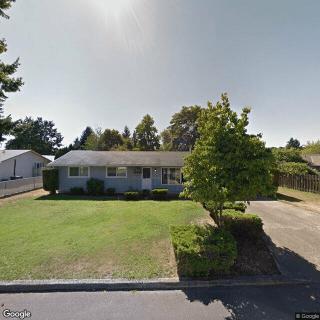
Oaktree Adult Care Home
$4,000 / month5.4 miles away -
from +$500 / mo
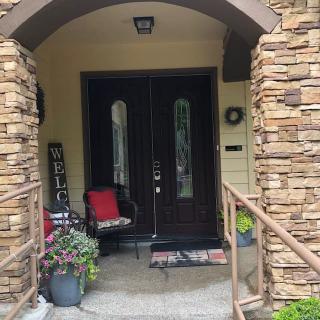
Casa Shattuck Senior Care
$4,500 / month7.7 miles away -
from -$500 / mo
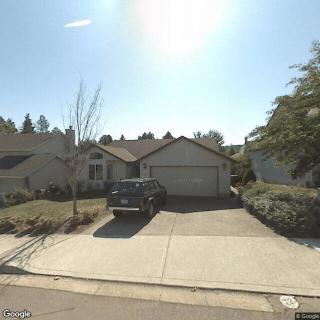
Fulga's ACH
$3,500 / month11.8 miles away -
from -$500 / mo
American Living Adult Family Home LLC
$3,500 / month18.5 miles away
Overall Review of Meadowlark Lane ACH
Pros
 Meadowlark provided excellent care during the resident’s 11-year stay.
- The facility offered a family-style atmosphere, and Meadowlark made the resident feel part of the family.
- The reviewers highly recommend Meadowlark for families seeking care.
- Meadowlark has nice staff and is located in a quiet Milwaukie neighborhood.
- Meadowlark is a great option for an adult care home in the Milwaukie area.
Review
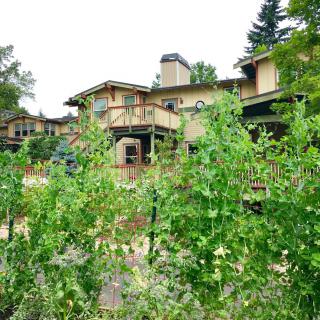
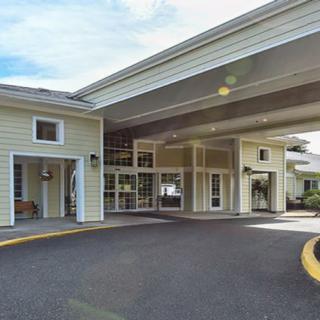
Meadowlark Lane ACH is best suited for families seeking a small, home-like senior living option in Milwaukie where care is personal, consistent, and long-term. This community shines for residents who do not require hospital-level medical infrastructure but benefit from hands-on attention, daily routines, and a sense of belonging. The reviews point to a setting that feels more like a family home than a facility, with stability that supports aging in place. For a loved one who is recovering from a stroke or managing ongoing, moderate care needs, Meadowlark offers proximity to family involvement and reassurance that caregivers know the resident well. The long tenure of care suggested by an 11-year stay in one case underscores a commitment to continuity that reduces the stress of frequent moves. In short, Meadowlark Lane ACH is a strong match for someone who prioritizes warmth, familiarity, and dependable daily support over large-scale programming.
Key advantages center on a genuine, family-like environment. The staff are described as nice, and the setting is quiet, which helps residents settle into routine without the distraction of a busy campus. The firsthand account of a mother who stayed 11 years highlights a depth of relationship and trust unusual in larger facilities. When a family faces the emotional burden of caregiving, Meadowlark’s approach translates into less stress, clearer communication, and a sense that the resident is part of something caring rather than just another admission. The combination of an intimate community and a nearby location makes visits manageable, which matters for those balancing work, distance, and caregiving duties. These benefits effectively offset common concerns about smaller operations, namely the risk of feeling cramped or under-programmed, by prioritizing consistent staffing, predictable routines, and meaningful connection.
Another favorable aspect is the neighborhood setting itself. A quiet Milwaukie street contributes to a calm living environment, reducing potential agitation for residents who value predictability. The explicit mention of “nice staff” reinforces the premise that daily care is practical and attentive rather than transactional. The stories describe a place where care teams know residents well enough to anticipate needs and maintain dignity in daily activities. For families, that translates into fewer decision points during evenings and weekends, when professional oversight might otherwise be limited in larger facilities. The home-like footprint can support independent-minded seniors who still want help with activities of daily living, meals, and safety checks without the clinical feel of a hospital wing.
Nonetheless, the compact, home-focused model carries natural caveats. The strongest trade-off is the potentially lower capacity for high-acuity medical tasks, rapid staff escalation, or specialized programming that larger assisted living communities provide. While Meadowlark earns confidence through personal attention, families should assess whether continuum-of-care requirements, such as 24/7 nursing supervision, complex wound care, or dementia-specific programming, are adequately met on site or through strong partner agreements. Prospective residents should be prepared to advocate for care plans, coordinate with outside medical providers, and verify licensing and staff qualifications. In cases where a loved one requires frequent medical intervention, aggressive rehabilitation, or a bustling activity calendar with diverse social options, alternatives with larger teams and more structured programming are likely better fits. The message is not that Meadowlark cannot adapt, but that initial fit hinges on the acuity level and desired pace of daily life.
When evaluating Meadowlark Lane ACH, the practical questions are straightforward. How is care coordinated with external physicians, and who handles medication management and changes in treatment? What is the actual staff-to-resident ratio on evenings and weekends? Are there clear procedures for emergencies and transport to hospitals? Tour observers should look for a warm, unhurried staff demeanor, a clean, safe environment, and evidence that residents are consulted about daily routines, meals, and activities. For families prioritizing a stable home atmosphere and continuity of relationships, Meadowlark delivers those constants with visible empathy. If initial care planning reveals alignment with the stroke history or ongoing moderate care, this setting becomes an obvious choice. Yet if the loved one’s needs call for higher levels of medical oversight or dementia-specific programming, use Meadowlark as a baseline and compare it against larger options.
Bottom line: Meadowlark Lane ACH stands out in Milwaukie for families seeking a warm, stable, and intimate care home where residents feel part of a caring community. It is particularly well-suited for seniors who value long-term residency in a quiet, friendly neighborhood and for families who want to participate in daily care planning and visits. For those whose priorities tilt toward robust medical services, a broader campus with dedicated nursing and specialized programs will likely serve better. The recommended path is to begin with a thorough visit, ask pointed questions about risk management and care coordination, and then weigh fit against the loved one’s medical needs, desired social engagement, and the practical realities of family schedules. Meadowlark can be a lifeline for the right match; when it is, the sense of belonging and steady routine can make a profound difference in quality of life.
 Board and Care Home
 Private
 Portland International (12 miles away)
 Diabetic care



 Engaging Brain Games and Innovative Apps to Keep Senior Minds Active
 Effective Strategies for Keeping Seniors' Minds Active: A Deep Dive into Brain Games and Apps
 In-Depth Look at the VA Aid and Attendance Program