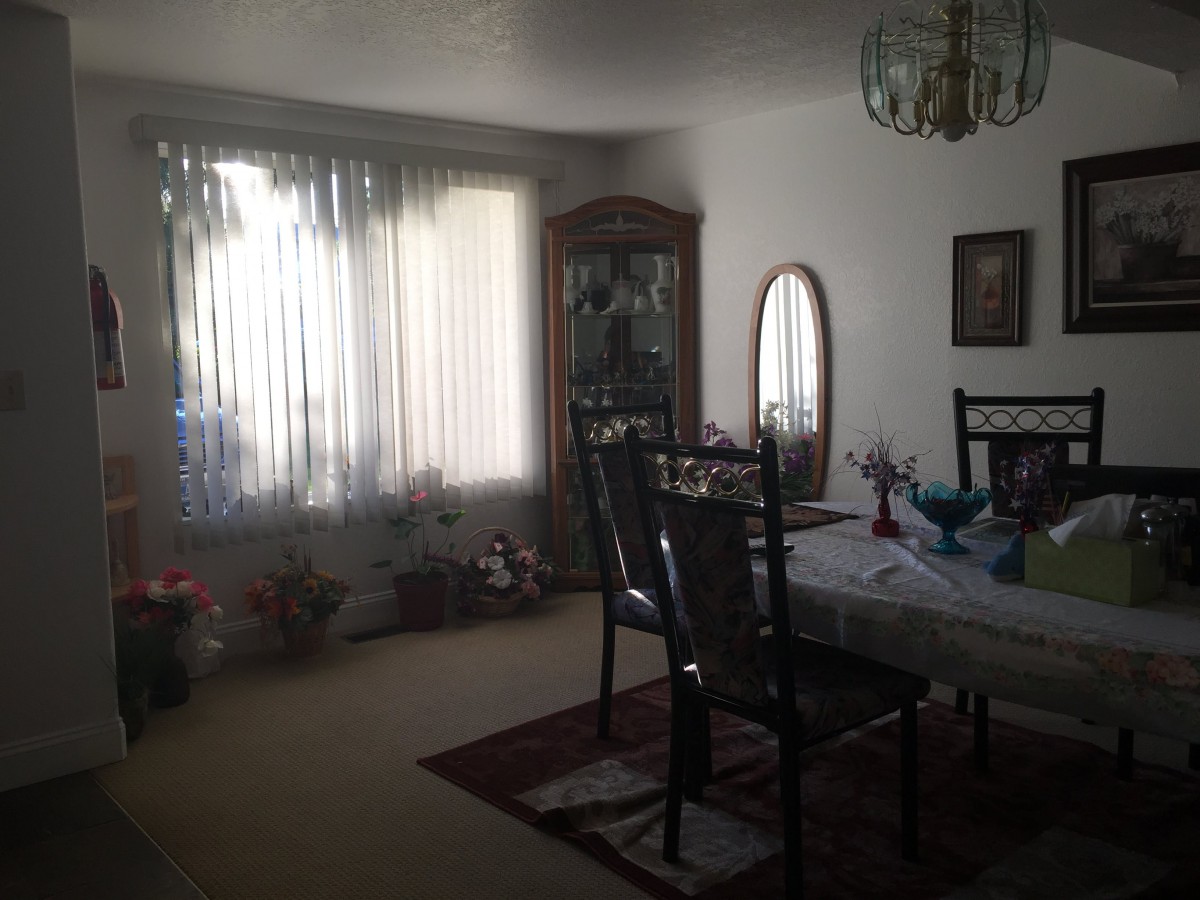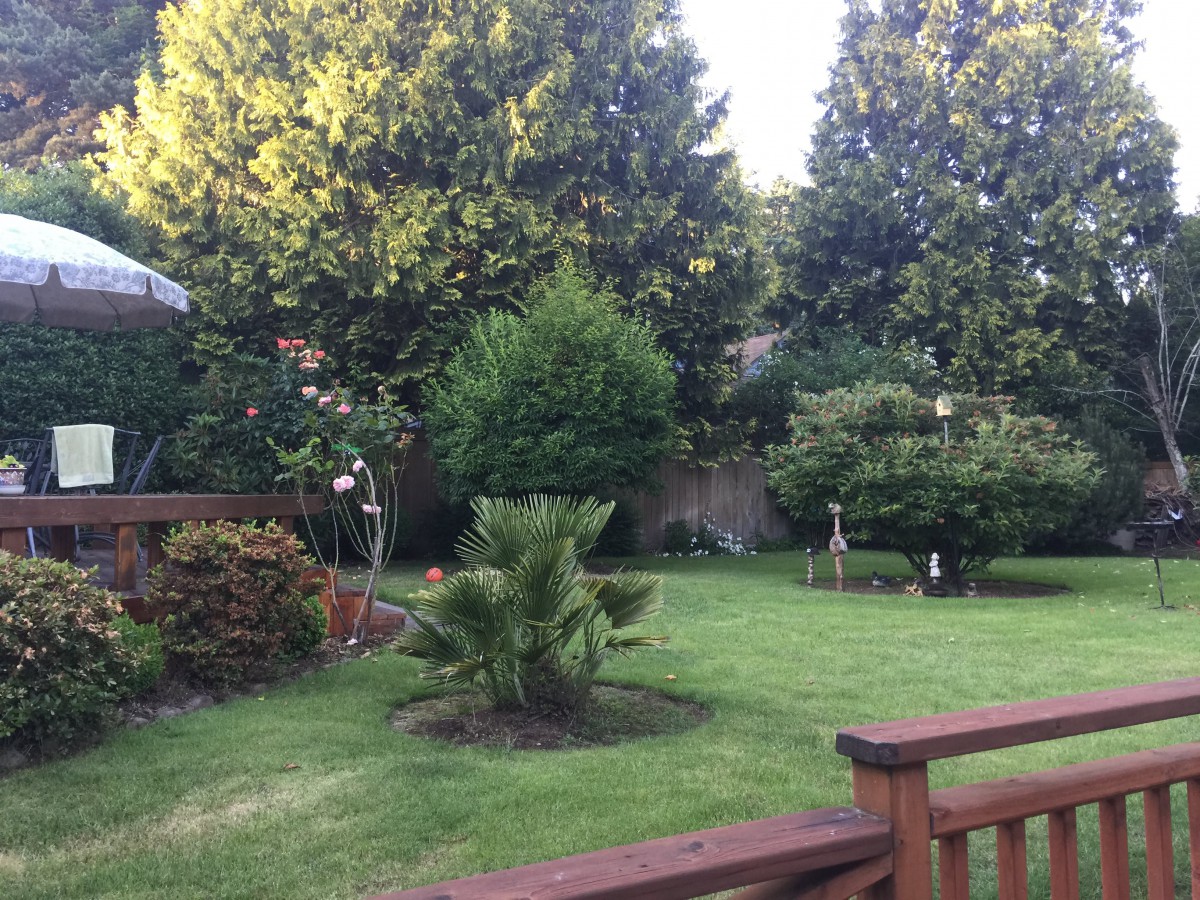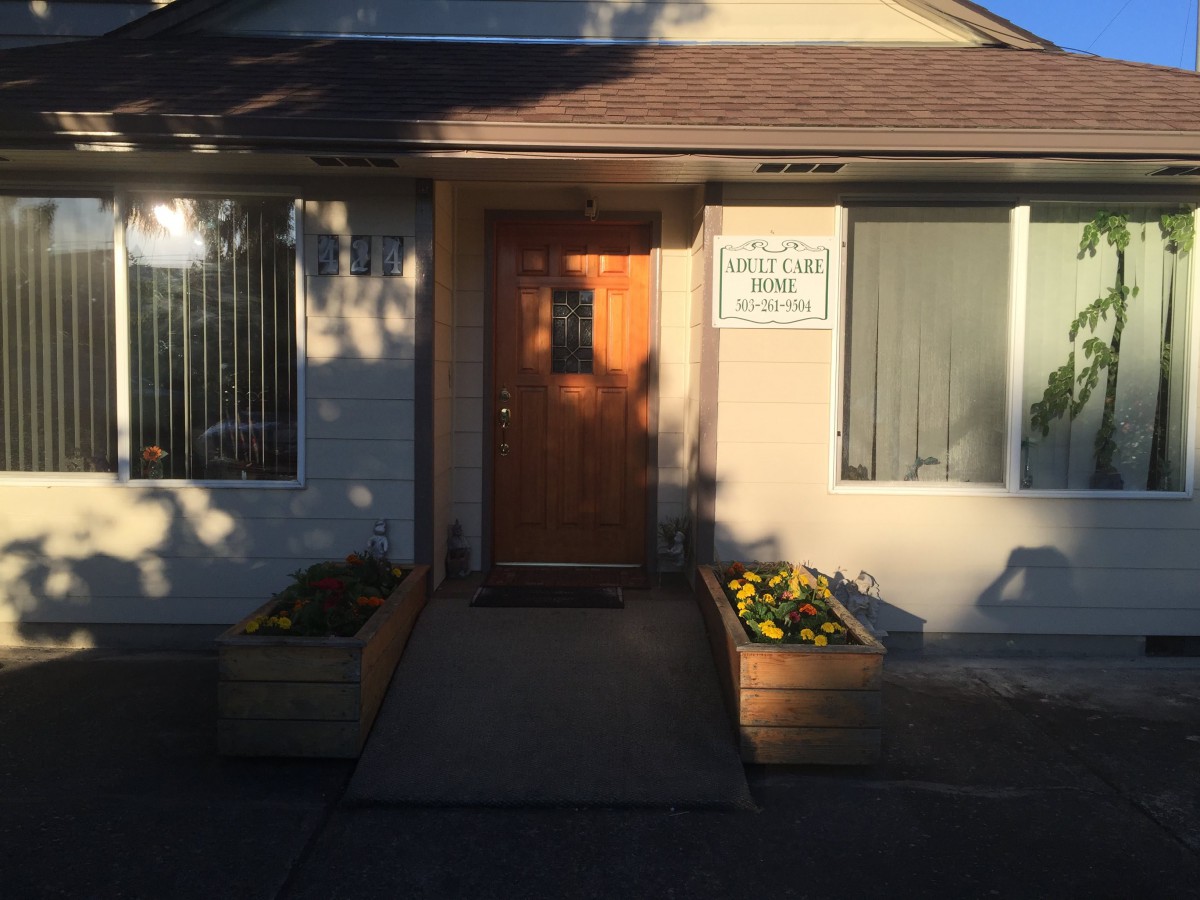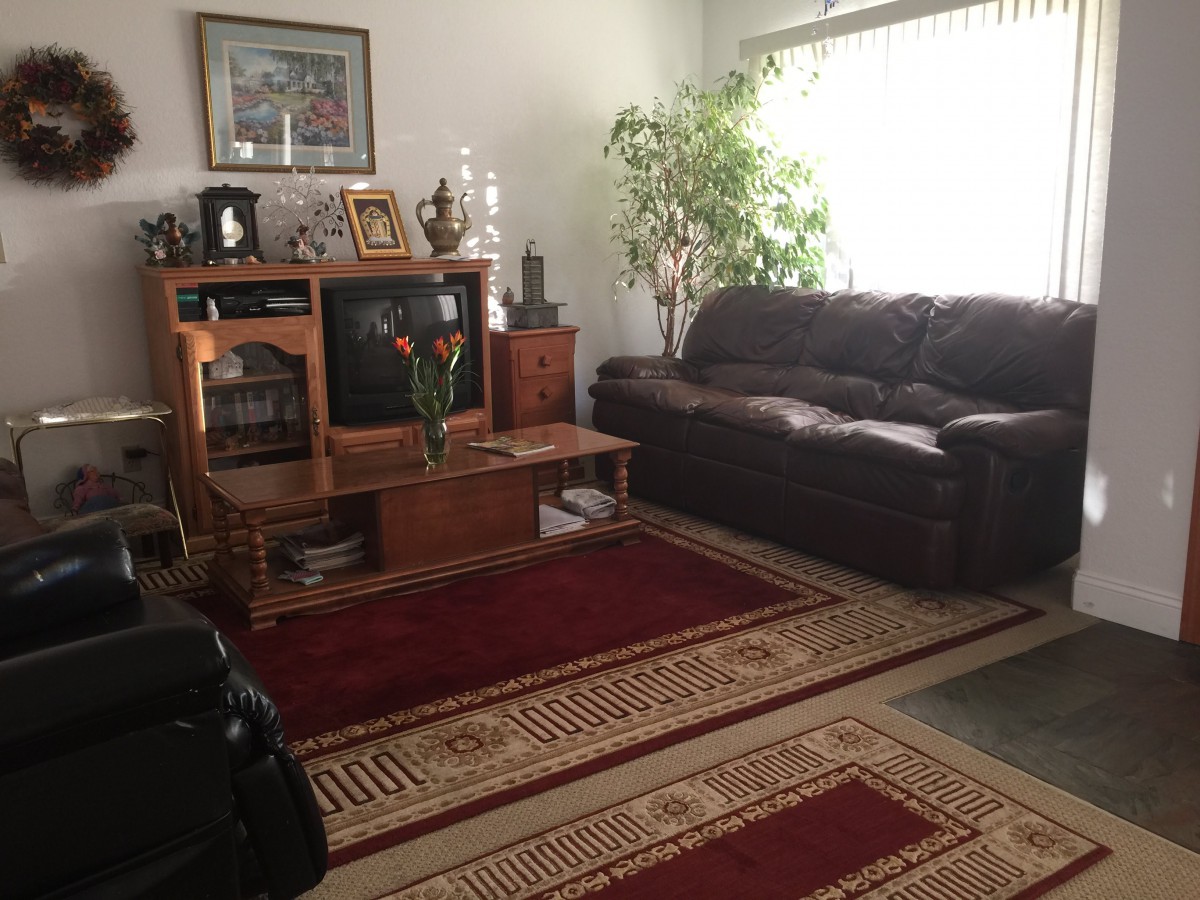
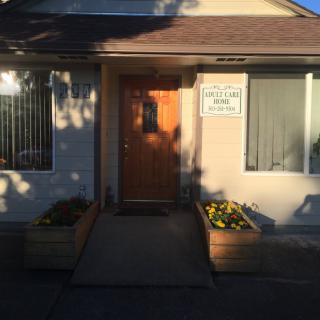

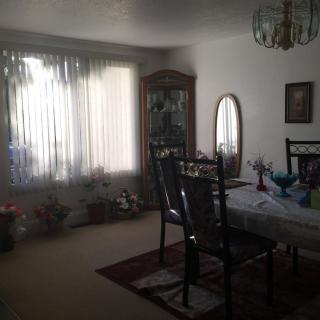
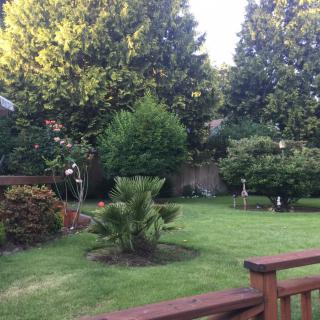
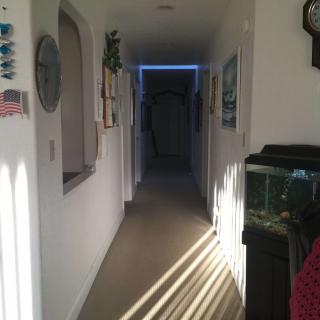
424 NE 148th Ave, Portland, OR 97230
To contact a resident: (503) 261-9504
For more information about senior living options: (866) 208-4318
Happy Adult Care Home Costs & Pricing
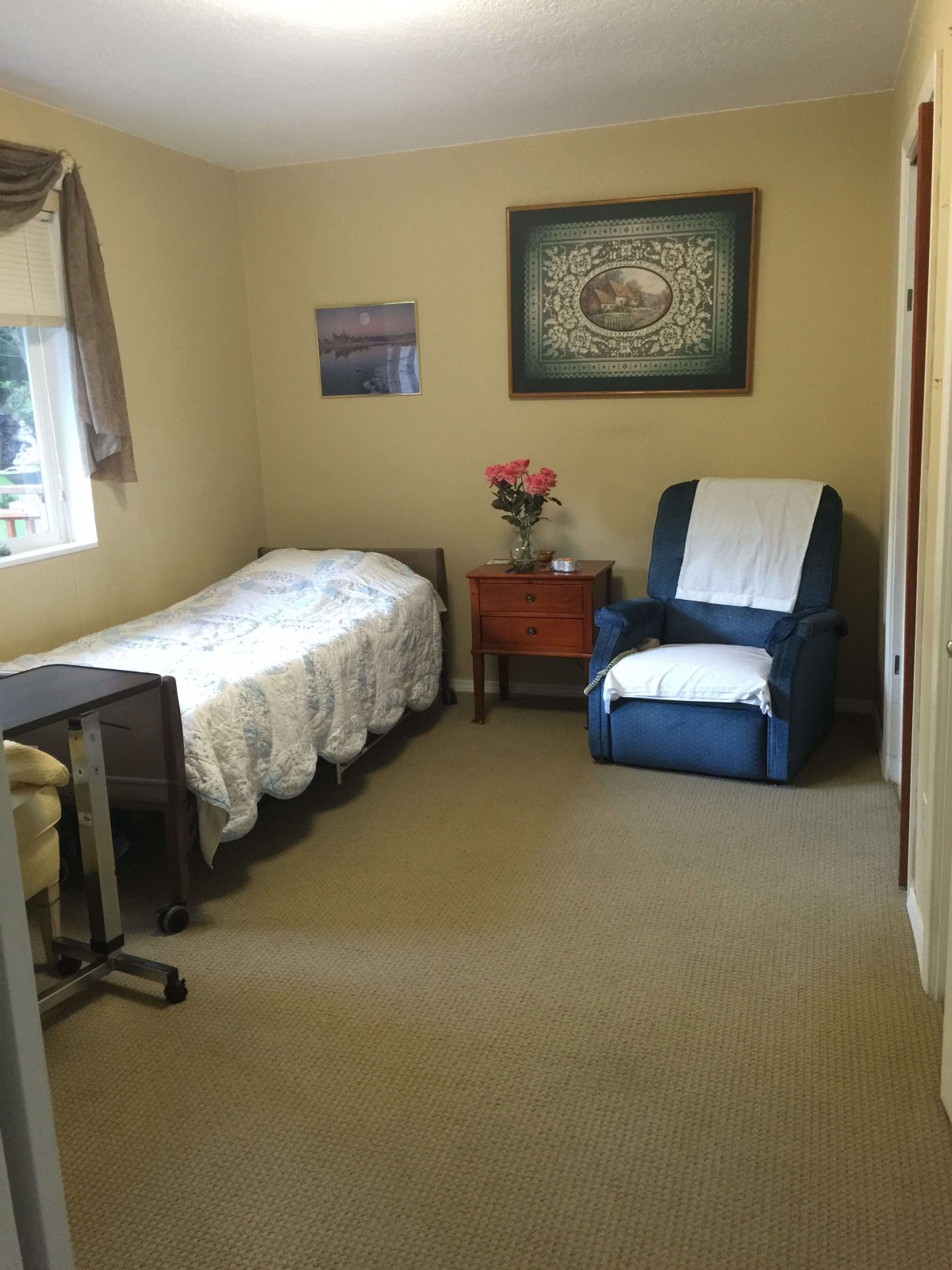
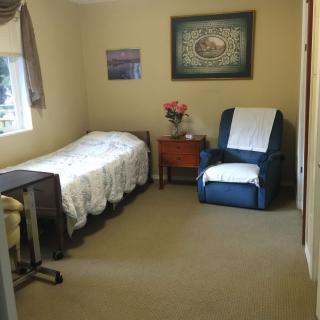
At Happy Adult Care Home, the monthly cost for a private room is set at $4,000. When compared to the average expenses in Multnomah County, which stands at $3,227, and the broader state figure of $3,424 for similar accommodations, it becomes evident that Happy Adult Care Home's pricing is on the higher end of the spectrum. This variance may reflect enhanced services or amenities offered by the facility, catering to those seeking a premium level of care and comfort. While potential residents should consider their budget in relation to local averages, they might also appreciate the unique benefits that justify this investment in their well-being.
| Floor plans | Happy Adult Care Home | Multnomah County | Oregon |
|---|---|---|---|
| Private | $4,000 | $3,227 | $3,424 |
Senior living communities with a similar price nearby
-
from -$200 / mo

The Inn at University Village
$3,800 to $7,500 / month14.7 miles away -
About the same
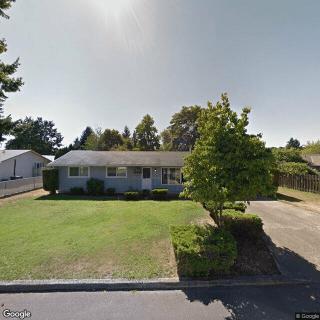
Oaktree Adult Care Home
$4,000 / month14.5 miles away -
from +$500 / mo
Casa Shattuck Senior Care
$4,500 / month10.9 miles away -
from -$500 / mo
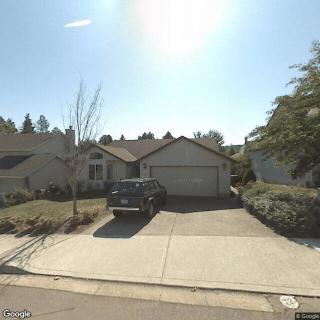
Fulga's ACH
$3,500 / month16.9 miles away -
from -$500 / mo
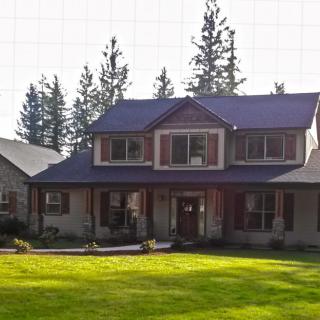
Family and Company NW
$3,500 to $3,800 / month18.5 miles away
Overall Review of Happy Adult Care Home
Pros
 The caregiver is very caring, compassionate, and loving, dedicating her service to senior adults who need extra hands.
- Happy-Adult Care Home is the right choice for families seeking care for their parents or grandparents.
- Families will be glad they found Happy-Adult Care Home.
Review
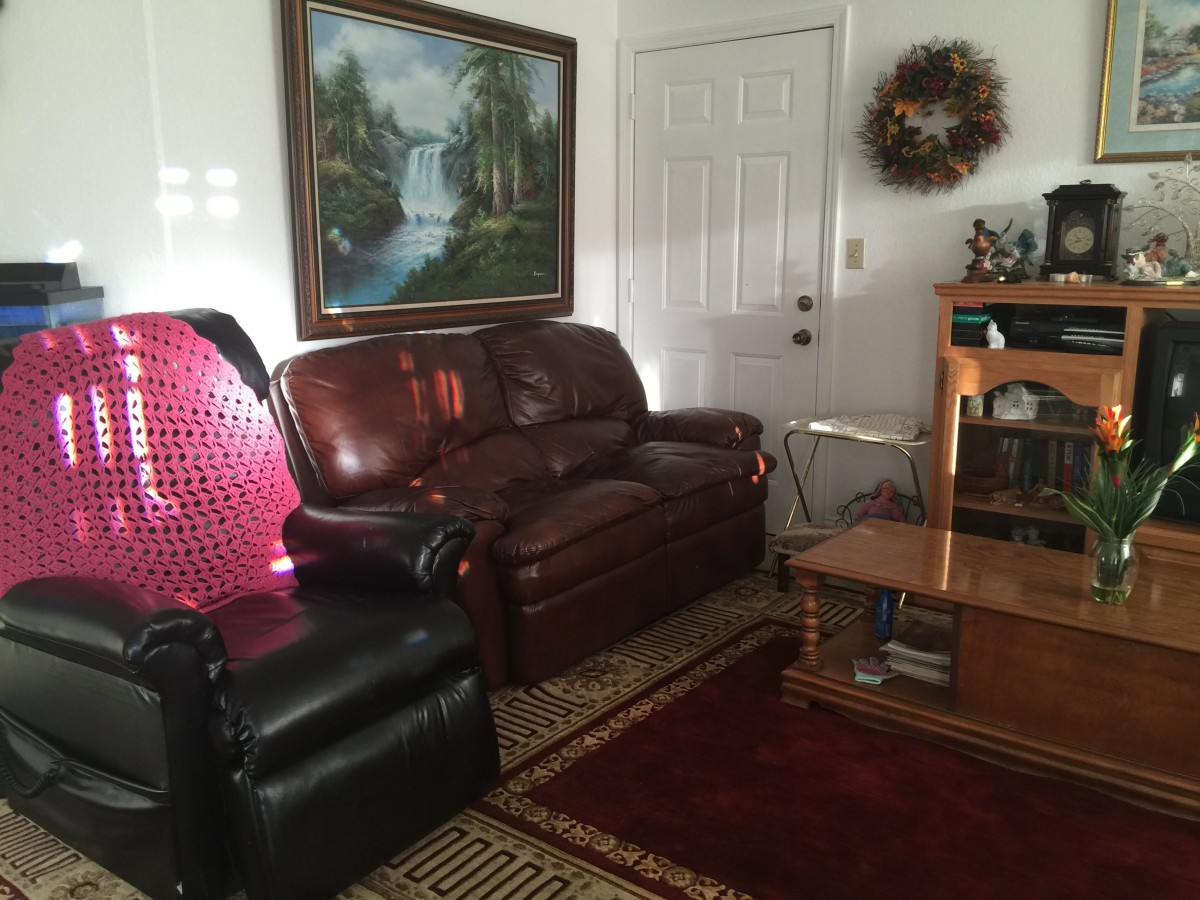
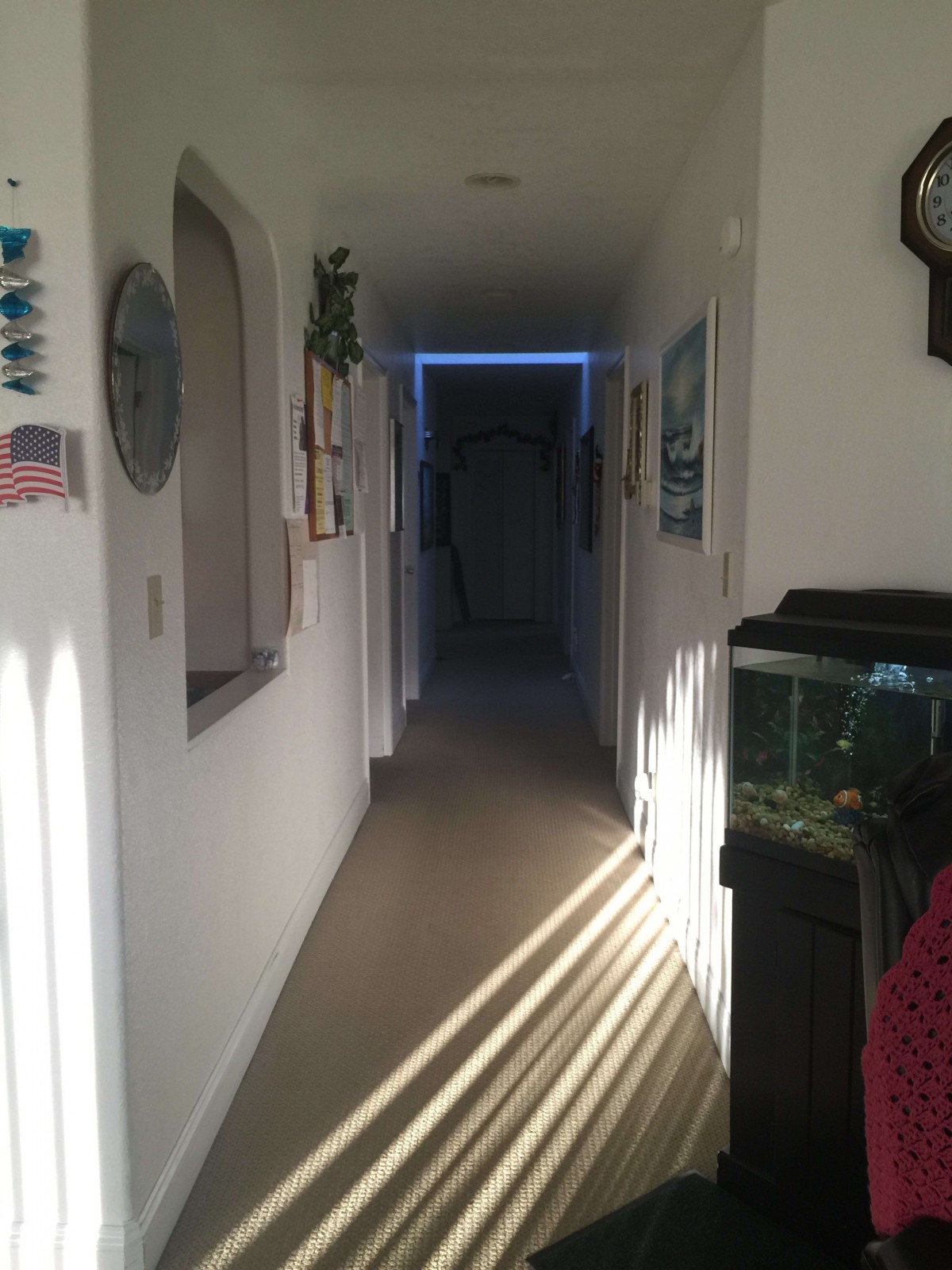
Happy Adult Care Home in Portland is best suited for families seeking a small, home-like setting where a compassionate caregiver provides hands-on daily support for an aging loved one who needs help with routine tasks. The emphasis here is on warmth, steady personal attention, and a human-centered approach that makes the transition into assisted living feel less clinical and more like being cared for by a trusted member of the community. This option is particularly fitting for parents or grandparents who thrive on predictability, familiar faces, and the kind of responsive, one-on-one care that larger facilities often struggle to offer.
However, those needing robust medical oversight, complex rehabilitation, or extensive activity programming should consider alternatives. Facilities with on-site nursing, memory-care units, or broader social programming may be better choices for residents with significant healthcare needs, frequent medical monitoring, or a preference for a wider calendar of structured activities. The Portland market offers options that can deliver more elaborate amenities and more formal clinical support, which can be crucial for families facing higher medical or cognitive care demands.
Foremost among the strengths is the caregiverā€™s evident dedication and warmth. This level of commitment translates into consistently attentive daily routines, careful monitoring of nutritional and personal-care needs, and a reassuring, steady presence that can significantly ease the stress of aging for both residents and families. In a small, intimate setting, such devotion often yields a sense of safety and belonging that larger residences struggle to replicate. For families prioritizing trust, continuity, and a calm, person-centered daily life, the primary advantage is clear and substantial.
Yet the model carries trade-offs. The structure described suggests a tighter staffing framework and a potential dependence on a single caregiver dynamic, which can create scheduling constraints or slower responses during peak times or absences. Prospective residents should explicitly verify licensing status, the availability of medical or on-call support, and how emergencies are handled when the primary caregiver is unavailable. With no explicit detail about regulatory oversight or a formal clinical team in the available information, these are critical questions to resolve before deciding.
Still, the intimacy and continuity at the heart of this option can offset these potential limitations. The day-to-day life, meals, routines, and personal care, tends to be highly personalized, fostering meaningful relationships and reducing loneliness and confusion. The comfort of being known and understood often translates into improved mood, better engagement, and a sense of dignity that larger, more impersonal communities sometimes miss. In practice, that trust-building power becomes the primary value proposition for families who prize a warm, stable environment over breadth of programming.
For families evaluating options in Portland, this community offers a compelling fit for those prioritizing heartfelt, individualized care in a small, home-like setting. The critical next steps are practical: schedule a visit, observe how the caregiver interacts with the resident, and ask concrete questions about licensing, care plans, cost structures, and contingency plans for staffing. If the priority is deeply personalized attention and a caregiver who treats daily care as a calling, Happy Adult Care Home should be on the short list. If, however, the need is for robust medical oversight, comprehensive dementia programming, or a broader slate of daily activities, it would be prudent to explore alternatives to ensure all care goals are met.
 Board and Care Home
 Activities on-site
 Beautician on-site
 Devotional services off-site
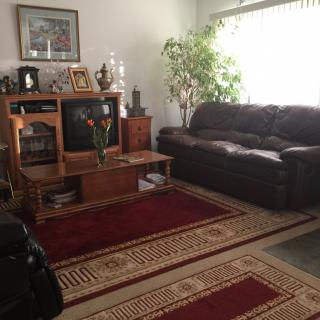
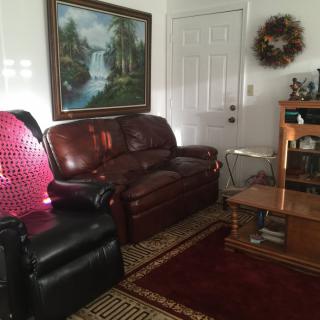
 Indoor common areas
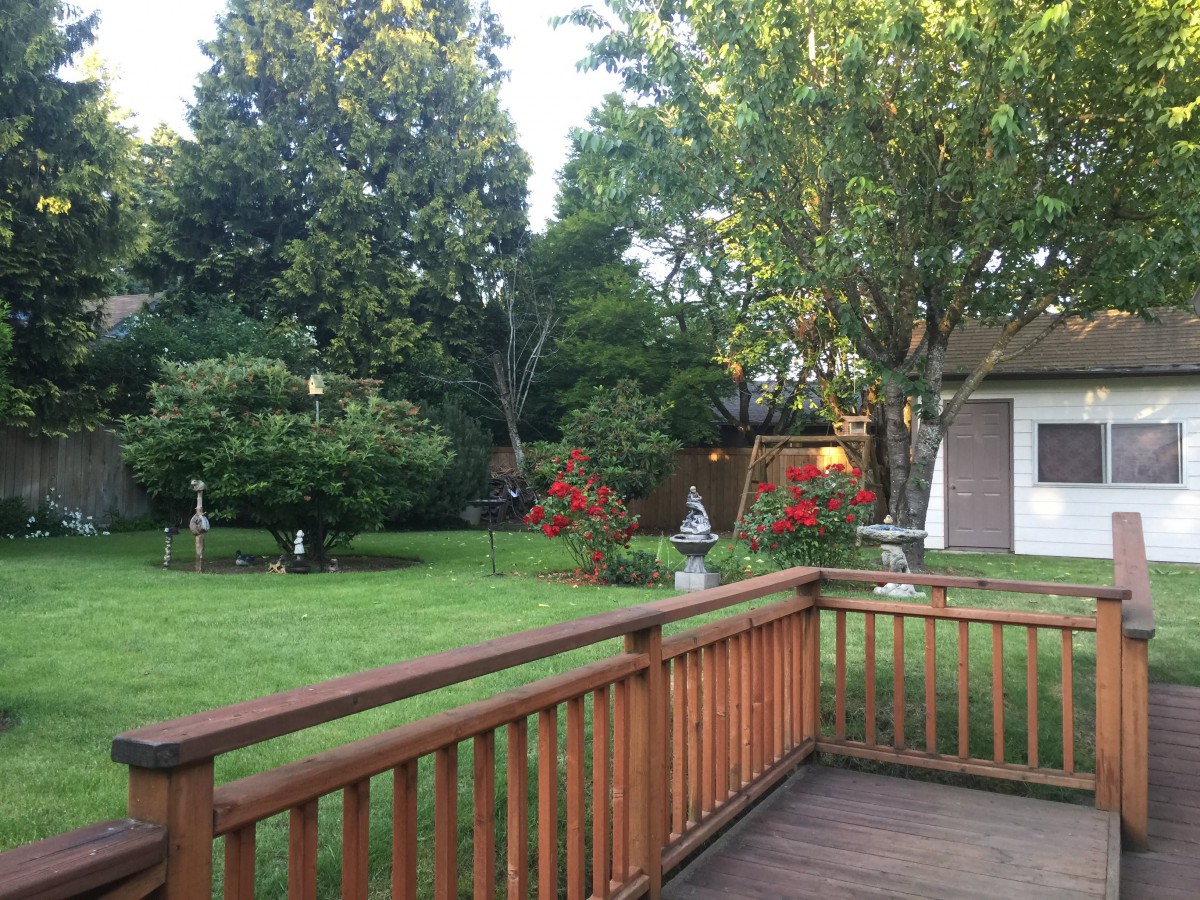
 Outdoor common areas
 Private
 Private bathrooms
 Respite or short term stays offered
 Wheelchair accessible showers
 Portland International (6 miles away)
 Ambulatory care
 Diabetic care
 High acuity care
 Kosher
 Christian services

 Effective Strategies for Keeping Seniors' Minds Active: A Deep Dive into Brain Games and Apps
 In-Depth Look at the VA Aid and Attendance Program
 Nurturing Our Loved Ones: A Daughter's Journey in Caring for Her Mother