
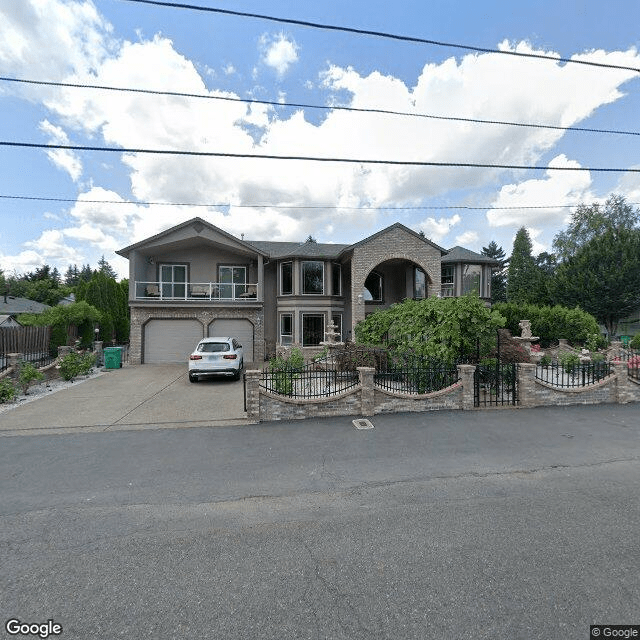
725 NE 157th Ave, Portland, OR 97230
To contact a resident: (503) 253-6058
For more information about senior living options: (866) 208-4318
Magda Adult Care Home Costs & Pricing
At Magda Adult Care Home, the monthly cost for a private room is $3,500, which aligns closely with the overall pricing landscape in Multnomah County and the state of Oregon. Specifically, while Multnomah County averages around $3,227 for similar accommodations, Oregon's statewide average is approximately $3,424. This positioning suggests that Magda Adult Care Home offers competitive pricing within the region, reflecting both its commitment to quality care and the amenities it provides. Residents can expect a supportive environment tailored to their needs, while still being cognizant of local financial benchmarks.
| Floor plans | Magda Adult Care Home | Multnomah County | Oregon |
|---|---|---|---|
| Private | $3,500 | $3,227 | $3,424 |
Senior living communities with a similar price nearby
-
from +$300 / mo

The Inn at University Village
$3,800 to $7,500 / month14.8 miles away -
from -$500 / mo
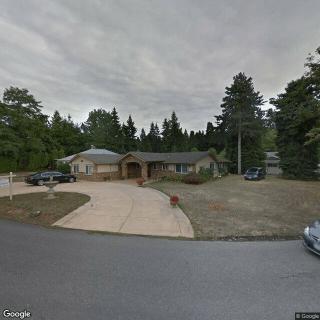
A Piece of Heaven
$3,000 / month8.6 miles away -
from +$500 / mo
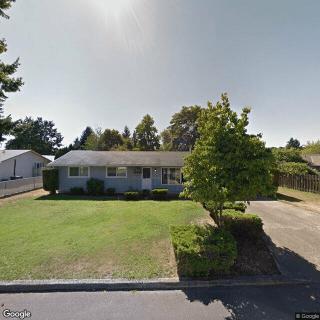
Oaktree Adult Care Home
$4,000 / month14.8 miles away -
from -$500 / mo
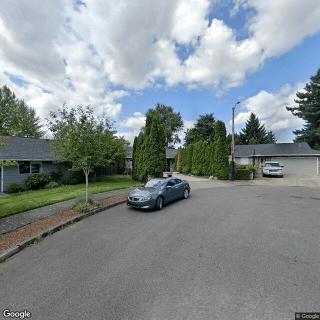
Yamhill Senior Care Home
$3,000 / month0.9 miles away -
from -$500 / mo
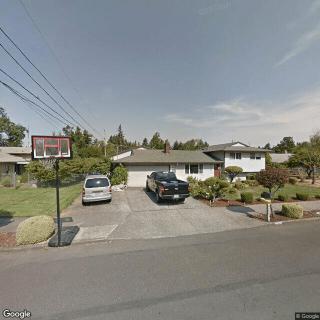
Peaceful Lighthouse Adult Care Home
$3,000 / month2.1 miles away
Overall Review of Magda Adult Care Home
Pros
 The facility offers an amazing, caring atmosphere.
- It provides the best service and is regarded as the best care home in Clark County.
- The care is personal, professional, and deeply caring.
- The staff go the extra mile to keep residents happy and healthy.
- They work with families as part of the team and customize care to each individual.
- The Magda team comes highly recommended for personal, professional care in a home-like environment.
- In the small adult care setting, residents are treated like royalty and the staff are great.
Review
Magda Adult Care Home in Portland is best suited for families seeking a deeply personal, home-like care environment where staff know residents by name and tailor support to each person’s needs. This is the setting where care feels less clinical and more like a caring family member stepping in to help. The strongest signal from the experience is a consistent, thoughtful presence: personal attention, professional conduct, and a genuine commitment to each resident’s happiness and health. For seniors who value steady communication with caregivers and a collaborative approach with family, Magda stands out as a very strong fit.
Those who may want alternatives are clear: if the goal is a broad menu of on-site medical services, a very structured daily schedule, or a bustling, larger campus with extensive amenities, a bigger assisted living community may better meet expectations. Families needing intensive clinical oversight, a wide array of therapies, or a calendar of activities that rivals a retirement complex should explore options that deliver more scale. In short, Magda excels at intimacy and individualized care, but it may not deliver the breadth of services some residents require.
Key pros are the core driver of Magda’s value. The care is described as personal, professional, and consistently attentive, with staff “going the extra mile” to keep residents happy and healthy. Care plans are customized, and the team actively collaborates with families, treating every resident as a unique person with evolving needs. This depth of attention helps offset the potential drawbacks of a smaller operation: residents receive highly tailored routines, clear lines of communication, and a steady, predictable environment that supports recovery, mood, and daily functioning.
In practice, these strengths translate into tangible outcomes. Families report noticeable improvements in well-being for loved ones after time at Magda, including better engagement, mood, and overall health. The atmosphere, described as feeling like home with family, reduces anxiety and fosters trust, which is invaluable when coordinating ongoing care. While the setting is compact, the consistency of care and the willingness to adjust approaches as conditions change often provide more stability than larger facilities where staff turnover and fragmented routines can dilute continuity.
Practical considerations help families decide with confidence. Prospective residents should seek clarity on staffing ratios, the exact range of daily assistance offered, and how meal planning, safety features, and daily routines are managed. Because the model hinges on customization and strong family partnerships, it’s essential to understand how care plans are created, reviewed, and updated, and how communication flows between the facility, residents, and relatives. Location and access to medical networks remain sensible filters, ensuring that the home-like charm does not come at the expense of reliable clinical support when needed.
Bottom line: Magda Adult Care Home is a standout choice for families prioritizing a small, attentive, home-like setting where care is highly personalized and relationships with staff drive meaningful improvements in quality of life. Alternatives should be considered for those who require a broader service footprint, more formal programming, or a larger community atmosphere. By anchoring decisions in the resident’s desired level of oversight, the need for individualized attention, and the importance of family involvement, Magda delivers a compelling, practical option that often translates into peace of mind and sustained well-being for seniors who thrive on intimate, hands-on care.
 Board and Care Home
 Private
 Portland International (6 miles away)
 Diabetic care
 Incontinence care
 Medication management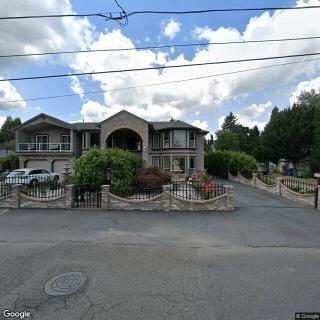




 Understanding the Nuances of Palliative Care and Hospice: A Comprehensive Exploration
 Fecal Incontinence in Older Adults: A Comprehensive Guide
 Nurturing Well-Being Through Gardening: A Detailed Guide for Senior Enthusiasts