

15335 NE Glisan, Portland, OR 97230
To contact a resident: (503) 254-4781
For more information about senior living options: (866) 208-4318
Jenny?s Adult Care Home Costs & Pricing
Jenny's Adult Care Home offers competitive pricing for its services, particularly when compared to both Multnomah County and the broader state of Oregon. At a monthly cost of $2,500 for a private room, Jenny's rates are significantly lower than the county average of $3,227 and the state average of $3,424. This makes Jenny's an appealing option for families seeking quality adult care at a more accessible price point. By maintaining affordable costs while ensuring a supportive environment, Jenny's Adult Care Home stands out as a valuable resource for those in need of assistance in this area.
| Floor plans | Jenny?s Adult Care Home | Multnomah County | Oregon |
|---|---|---|---|
| Private | $2,500 | $3,227 | $3,424 |
Senior living communities with a similar price nearby
-
About the same
Mapleview Manor, LLC
$2,500 / month8.3 miles away -
from -$300 / mo
The Peace and Joy Garden
$2,200 / month7.9 miles away -
About the same
A Gentle Care Home
$2,500 / month4.4 miles away -
About the same

Sacred Heart Adult Foster Care
$2,500 / month13.5 miles away -
from +$300 / mo
Lund AFH
$2,800 / month12.2 miles away
Overall Review of Jenny?s Adult Care Home
Pros
 The home is easy to reach once its location is known.
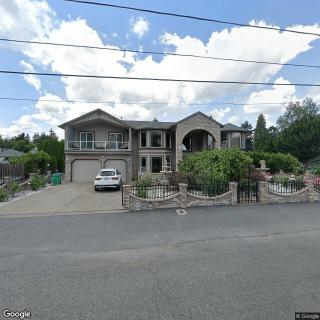
- The home looks nice and very clean.
- The family has been very caring toward visitors and residents.
- The residents look happy.
- The family is thoughtful and asks to ensure the mother likes it before holding the room.
- The mom quickly warmed to the family and felt comfortable with them.
- The staff are understanding and accommodating when scheduling care and doctor release.
- The first phone contact is answered by a live person, and the overall experience is pleasant.
- Jenny is naturally compassionate and provides a reassuring presence.
- The home operates as a warm, solid, family-run business.
Cons
 The home didn’t feel warm.
- The residents stay in their rooms, making the atmosphere feel impersonal.
- The facility appears unfamiliar with outside insurance and mainly deals with Medicaid customers.
- The first visit was challenging because the area was dark and difficult to locate.
Review
Jenny’s Adult Care Home in Portland is best suited for families that want a small, hands-on, home-like setting where care feels personal and decisions move quickly. This community works best for a senior who benefits from direct, responsive communication and a caregiver-led atmosphere rather than a large institutional model. It suits families who prioritize easy access to a live voice on the telephone, a visible family ownership presence, and a move-in process that honors the resident’s pace. If a relative thrives on a warm, clearly structured environment with regular social programming and a glossy, formal facility vibe, this is likely the wrong fit.
Alternatives are worth considering for residents who want more formal programming, stronger memory or medical oversight, or a more widely staffed, larger operation. The strongest warning signs here are the absence of clearly advertised activities or core services, and a sense in one review that the home wasn’t as warm as hoped. For seniors who require intensive social calendars, robust daily activities, or specialized services beyond basic assisted living, a bigger community with a dedicated activity staff and broader nursing support may deliver more consistency and stimulation. Families should also be mindful if insurance flexibility or broader payer acceptance is a priority, one review notes the home’s experience seems oriented toward Medicaid, which can limit options for some families.
The positives do a convincing job of offsetting the main concerns. The facility is easy to reach, and the home itself appears clean and well-kept, with a reassuring sense of order that comes from a family-run operation. The most persuasive advantage is the human connection: two reviews highlight a live person picking up calls every time, and consistently compassionate, patient family leadership from Jenny and her daughter. The patient and collaborative attitude shows up in practical ways, the team holds a room for a resident while ensuring the family can verify fit, and they were willing to accommodate scheduling hiccups around a veteran’s discharge. That kind of understanding matters when moving a loved one, especially when timing is fluid.
Another meaningful offset is the tangible trust built by the family model. Reviewers repeatedly describe a trustworthy, warm approach that makes families feel protected rather than pushed. The owners’ willingness to forgo immediate charges for days waiting on paperwork or doctor releases signals a relational approach over a transactional one. For families entering a stressful search, that kind of policy flexibility, paired with a willingness to let the prospective resident participate in the final decision, delivers real reassurance. The flip side is a gap between the warmth of personal interactions and the absence of explicit, well-articulated activity programming; still, the evident care and continuity can compensate when the primary need is reliable, individualized attention.
For families weighing options, the bottom line is practical: this is a strong fit when the priority is a small, trusted, family-run setting where the residents appear well cared for, and where move-in friction is minimized by personal touches and flexible scheduling. It’s less compelling if the senior’s needs include a robust menu of daily activities, expansive social opportunities, or highly visible, formal care routines. Prospective residents should scrutinize several specifics before committing: what daily or weekly activities are actually offered, how staff coordination with physicians works, and whether the facility can scale care if medical needs intensify. Also important are conversations about insurance options beyond Medicaid, and whether the warmth felt by some residents translates consistently across different shifts and seasons.
In the end, Jenny’s Adult Care Home presents a candid choice: a family-operated, affection-forward environment that delivers meaningful peace of mind through personal attention and flexible onboarding. If the target resident thrives on intimate oversight, direct access to caretakers who genuinely know the family, and a homey atmosphere, this is a compelling candidate. If the resident requires a more structured program, richer social activity, or broader medical and insurance flexibility, those needs warrant exploring other options. The decisive step is a candid, in-person visit focused on activity offerings, staff-to-resident ratios, and concrete plans for medical handoffs, with a clear sense of how the family-led model translates into everyday care.
 Board and Care Home
 Private
 Portland International (6 miles away)
 Diabetic care
 Incontinence care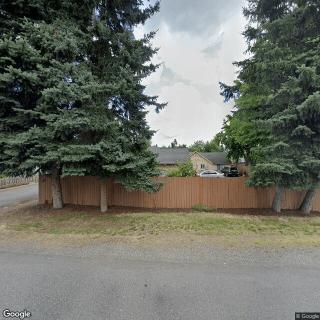





 Compassionate Conversations: How to Comfort Someone Who Is Grieving
 Home Health Care Aides: Understanding Their Role and Supporting Your Family
 Urinary Tract Infections in Older Adults: Comprehensive Insights on Symptoms, Treatment, and Prevention