
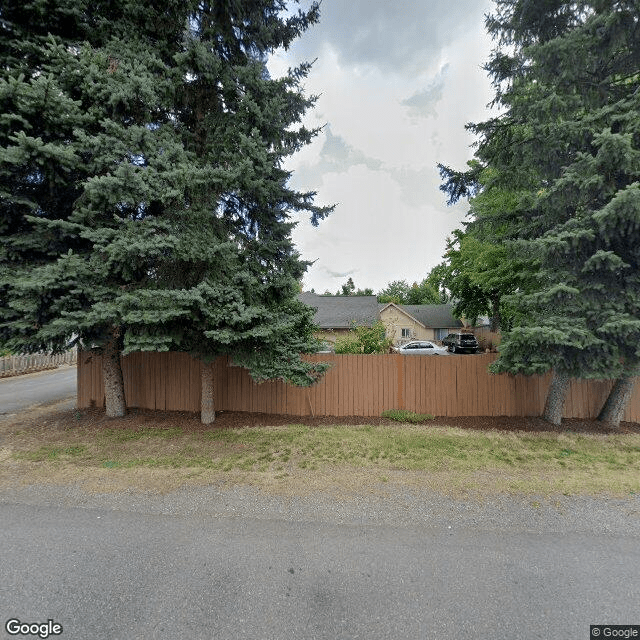
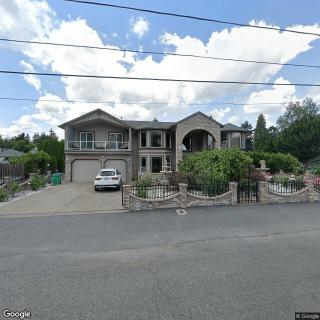
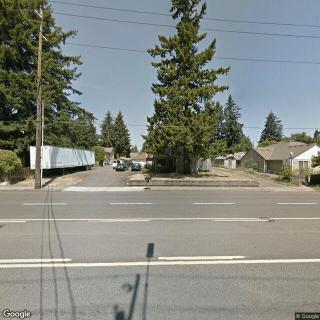
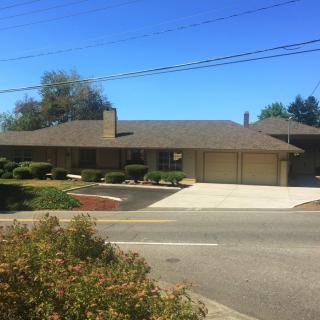
640 NE 155th Ave, Portland, OR 97230
To contact a resident: (503) 287-0268
For more information about senior living options: (866) 208-4318
Maria Coldea's AFH Costs & Pricing
Maria Coldea's Adult Family Home (AFH) offers a private room at a monthly rate of $4,200. When compared to the average costs in Multnomah County and across Oregon, which are $3,227 and $3,424 respectively for similar accommodations, Maria's pricing reflects a premium that may be attributed to enhanced services or specific amenities offered. While her rates are higher than both the county and state averages, they suggest a commitment to quality care that could appeal to families seeking personalized attention and comfort for their loved ones. This positioning may resonate particularly well with those looking for an exceptional standard of living in a supportive environment.
| Floor plans | Maria Coldea's AFH | Multnomah County | Oregon |
|---|---|---|---|
| Private | $4,200 | $3,227 | $3,424 |
Senior living communities with a similar price nearby
-
from -$400 / mo

The Inn at University Village
$3,800 to $7,500 / month14.7 miles away -
from -$200 / mo
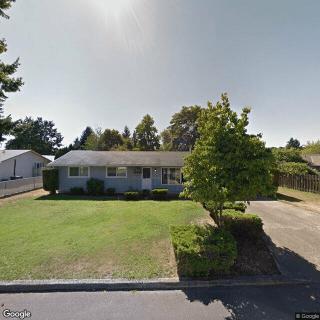
Oaktree Adult Care Home
$4,000 / month14.7 miles away -
from +$300 / mo
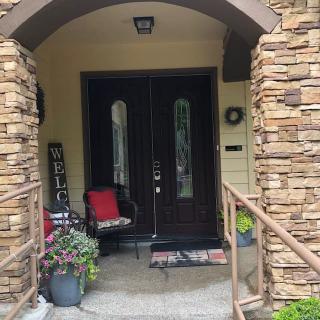
Casa Shattuck Senior Care
$4,500 / month11.3 miles away -
from -$700 / mo
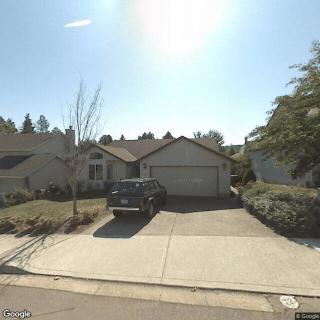
Fulga's ACH
$3,500 / month17.2 miles away -
from -$700 / mo
Family and Company NW
$3,500 to $3,800 / month18.3 miles away
Overall Review of Maria Coldea's AFH
Pros
 The place is very nice.
- The tour guide provided all the necessary information and paperwork.
- The staff on the tour were very nice.
- A complimentary meal was offered.
- The community is well-kept.
Review
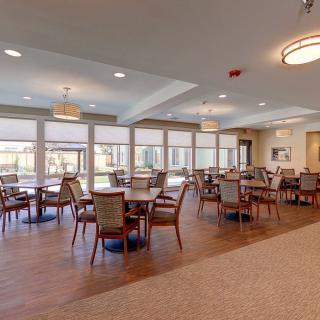
Maria Coldea's AFH in Portland is best suited for seniors who value a warm, home-like living arrangement with highly personalized attention. The setting comes across as intimate and well maintained, with an emphasis on friendly, approachable staff and a move-in experience that feels streamlined. Review impressions highlight a well-kept home and a tour process that leaves families with clear information and confidence about what to expect. The combination of a courteous tour, straightforward paperwork, and a complimentary meal during the onboarding visit signals a venue that prioritizes a smooth transition and keeps comfort at the forefront from day one.
Those who should consider alternatives are seniors whose needs extend beyond a smaller, house-style assisted living environment. If complex medical issues require frequent on-site nursing, extensive memory care services, or a formal, campus-scale program with broad medical support, a larger facility with dedicated clinical teams may be more appropriate. Families chasing transparent pricing structures, clearly defined care tiers, or a broader slate of amenities and activities might find other communities better aligned with their expectations. In short, this AFH excels in intimacy and personal touch but may not satisfy every level of medical or social programming.
On the positive side, the strongest pros, courteous staff, an informative tour, and a well-organized onboarding, directly counterbalance the potential drawbacks of a small, home-like setting. The staff’s friendliness translates into dependable day-to-day care and a welcoming environment where residents are known by name. The tour process and paperwork support reduce the stress of transition, giving families a concrete plan and a sense of control. The complimentary meal during visits isn’t just a nicety; it demonstrates a practical, resident-centered approach that can set the tone for ongoing hospitality and responsiveness.
Where the potential downsides lie, the limited public detail on pricing, services, and care levels becomes the main caveat. With only a handful of reviews to draw from and no explicit notes about care specialization, there is a real risk of misalignment for residents with higher medical or cognitive needs. That risk can be mitigated by asking pointed questions during visits: request current staffing ratios, the availability of on-site nursing, care planning procedures, medication management practices, and response times for emergencies. Prospective families should also seek a trial stay or short-term arrangement to see how routines and supports fit personal requirements before committing long-term.
Practical decisions come down to the respondent’s priorities. If an intimate, neighborly atmosphere with a high-touch, person-centered approach matters most, Maria Coldea's AFH offers a compelling match. The positive signals, friendly, accessible staff; a straightforward, transparent tour; and a well-kept living space, build a strong case for choosing this option as a primary contender. However, for those who prioritize robust medical infrastructure, memory care specialization, or expansive activity calendars, it makes sense to exhaust other local options that showcase larger teams, more formal programming, and clearer pricing lagoons.
In conclusion, this community stands out as a practical, well-run choice for seniors who want a comforting, homelike environment with real personal attention and a smooth transition process. It is a particularly strong fit for households prioritizing warmth, simplicity, and reliability over scale. Families weighing options should position Maria Coldea's AFH against at least one larger, more medicalized competitor to ensure the chosen setting aligns with anticipated care needs, financial planning, and long-term goals. The recommended course is a guided decision: schedule a visit, review the care plan options in detail, confirm licensing and staffing practices, and compare pricing inclusions to determine if the intimate, service-forward model here truly matches the resident’s expectations.
 Board and Care Home
 Cats allowed
 Dogs allowed
 Beautician on-site
 Private
 Private bathrooms
 Respite or short term stays offered
 Wheelchair accessible showers
 Portland International (6 miles away)
 Ambulatory care
 Diabetic care
 High acuity care
 Incontinence care
 Medication management
 Exploring Nonmedical Home Care: Understanding Services, Costs, and Financial Approaches
 Engaging Brain Games and Innovative Apps to Keep Senior Minds Active
 Effective Strategies for Keeping Seniors' Minds Active: A Deep Dive into Brain Games and Apps