
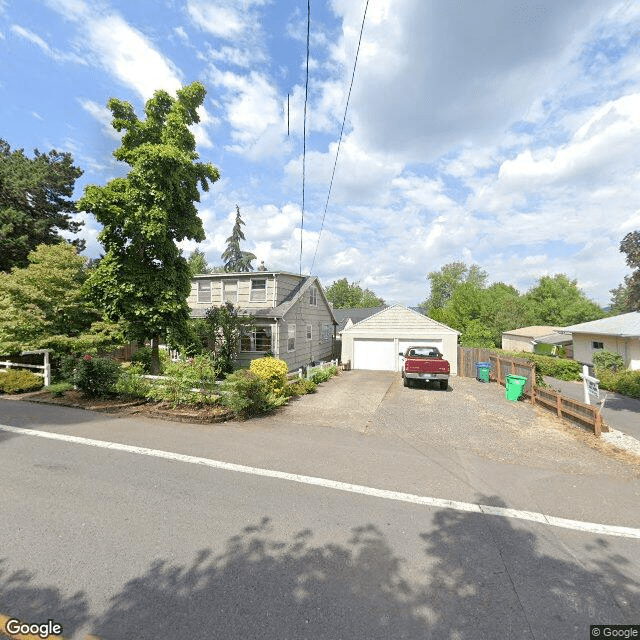
5321 SE Hill Road, Milwaukie, OR 97267
To contact a resident: (503) 750-2740
For more information about senior living options: (866) 208-4318
Golden Days Care 3 Costs & Pricing
Golden Days Care 3 offers a competitive pricing structure for its private rooms, with a monthly cost of $2,500. This rate is significantly lower than the average costs in Clackamas County, which stands at $3,373, and even more favorable compared to the statewide average of $3,424 in Oregon. By choosing Golden Days Care 3, families can ensure quality care for their loved ones while benefiting from substantial savings relative to other local options. This affordability without sacrificing care quality makes Golden Days Care 3 an attractive choice for those seeking supportive living arrangements in the area.
| Floor plans | Golden Days Care 3 | Clackamas County | Oregon |
|---|---|---|---|
| Private | $2,500 | $3,373 | $3,424 |
Senior living communities with a similar price nearby
-
About the same
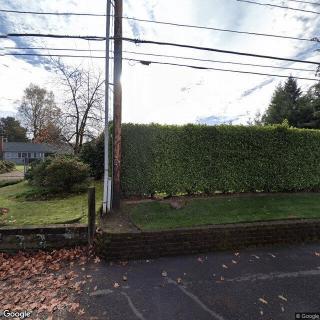
Mapleview Manor, LLC
$2,500 / month0.9 miles away -
from -$300 / mo
The Peace and Joy Garden
$2,200 / month16.2 miles away -
About the same
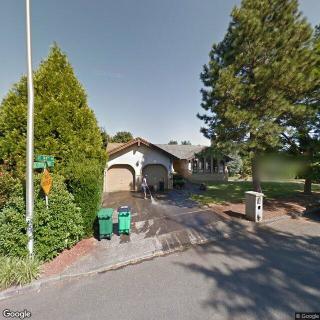
A Gentle Care Home
$2,500 / month5.6 miles away -
About the same
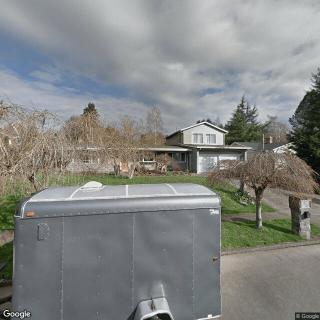
Sacred Heart Adult Foster Care
$2,500 / month11.2 miles away -
from +$300 / mo
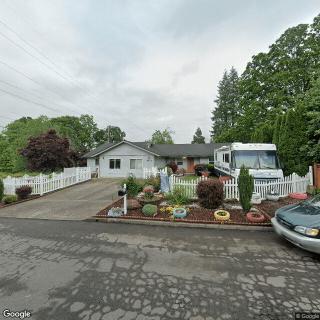
Lund AFH
$2,800 / month19.1 miles away
Overall Review of Golden Days Care 3
Pros
 Al Fernandez and Golden Days Home Care are praised for vigilant, attentive care to residents’ health needs.
- He communicates well, coordinates with care providers efficiently, and stays on top of medications.
- He responds promptly to needs or questions and clearly communicates timelines when necessary.
- The caregivers are loving and hard-working, and they treat residents like family.
- The home is warm, friendly, and feels like a family environment.
- The owners live on site and have created a comfortable, caring home atmosphere.
- The home provides nutritious meals that support residents’ health and have improved health conditions.
- The father loved the food and the care he received.
- Golden Days Care is highly recommended for loved ones needing care.
Cons
 The reviewer describes having a terrible time with a different facility.
- The reviewer notes that the prior facility fed the father canned foods and desserts despite his diabetes, implying poor care.
Review
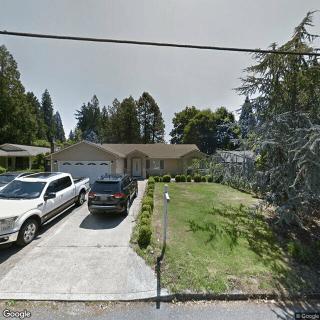
Golden Days Care 3 in Milwaukie is best suited for seniors who prosper in a small, home-like setting where attentive, hands-on caregiving, clear family communication, and steady coordination with outside providers are the norm. The community’s hallmark is a warm, intimate atmosphere backed by on-site owners who stay connected with residents and families. This is a place where medication management is meticulous, caregivers are consistently involved, and the daily rhythm feels like a well-organized, familiar routine rather than a clinical stopover. For families seeking a genuinely personal touch, this setting delivers the kind of reliability that quiets anxieties about ongoing care.
Those evaluating alternatives should consider the fit for residents with higher acuity needs or those requiring dementia-specific programming. The small, family-run model excels at daily oversight, nutrition, social contact, and caregiver devotion, but it may lack the breadth of 24/7 nursing coverage, advanced medical supervision, or specialized memory-care services found in larger facilities. Families facing complex medical regimens, frequent clinical interventions, or the need for a formal memory-care environment may find better alignment with a more medicalized setting. In short, high-acuity care and structured memory support are the domains where alternatives deserve serious consideration.
The strongest pros revolve around responsive, person-centered care that meaningfully offsets the potential drawbacks of a smaller operation. Caregivers are described as loving, diligent, and devoted, with staff who treat residents as family and communicate thoughtfully with families. The on-site owners oversee operations, which translates into reliable consistency, quick problem-solving, and a sense of continuity that a resident’s routine rarely loses. Coordinating with external care providers is seamless, and medication management is rigorous, reducing the likelihood of missed doses or conflicting orders. These strengths create genuine peace of mind for families who value looking in on daily life and knowing someone is always watching.
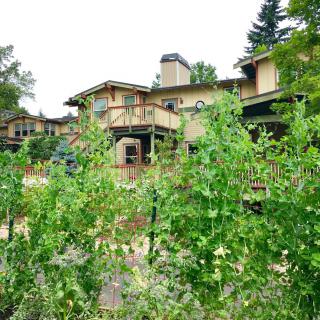
A house-style setting also translates into tangible quality-of-life benefits that reviewers consistently highlight. The home feels warm and friendly, with operations designed to preserve normalcy and meaningful social interaction. Residents benefit from nourishing meals, estimated as a highlight by families who observed real improvements in appetite and enjoyment of food while in care. The environment invites connection, sometimes featuring musical programs or activities that reinforce a shared sense of community. In practice, these elements translate into less agitation, steadier routines, and a feeling that life continues with dignity and familiarity rather than being paused by illness.
Practical considerations for families include valuing the transparency and accessibility that come with owners who live on the premises and prioritize familial communication. The feedback points to attentive updates, prompt replies, and proactive outreach when questions arise. Prospective residents should assess the daily schedule, meal planning, and activity options to ensure alignment with personal preferences, as well as confirm the availability of any specialized services that might be needed in the near term. The setting’s intimate scale means space is best for those who appreciate a close-knit community, families should be prepared for a smaller footprint and fewer on-site healthcare resources than a larger campus.
In sum, Golden Days Care 3 stands out as a compelling option for families seeking a warm, family-centered, well-coordinated care experience in Milwaukie. It is ideal for residents who value personal attention, stable daily routines, and the reassurance of owners who are present and involved. For seniors needing high-level medical oversight or dementia-specific programming, alternatives should be seriously considered. A tour should be the next step: observe how staff interact with residents, meet the owners, sample the meals, and inquire about how emergency needs are handled and how individualized plans are developed and updated. This approach will reveal whether the community’s strengths align with the resident’s priorities and care trajectory.
 Board and Care Home
 Private
 Portland International (12 miles away)



 Supportive Employee Benefits That Help Caregivers Attain Better Work-Life Harmony
 Top Cars for Senior Drivers and Essential Safety Innovations
 A Closer Look at Private Pay Home Care