
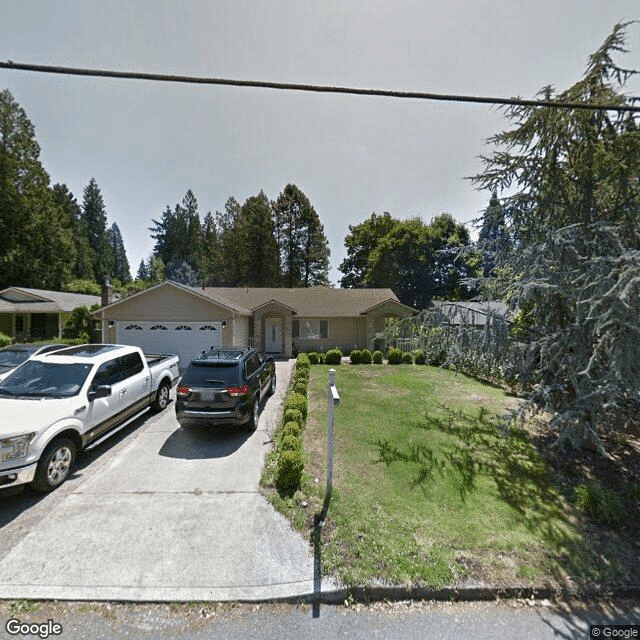
14012 SE Rusk Rd, Milwaukie, OR 97222
To contact a resident: (503) 513-6006
For more information about senior living options: (866) 208-4318
TLC Adult Care Costs & Pricing
TLC Adult Care offers competitive pricing for its private rooms, with a monthly cost of $2,700. This rate is notably lower than the average costs in Multnomah County, which stands at $3,227, and even more so compared to the broader state average of $3,424. By providing a more affordable option without compromising on quality care, TLC Adult Care positions itself as an attractive choice for families seeking supportive living arrangements in Oregon.
| Floor plans | TLC Adult Care | Multnomah County | Oregon |
|---|---|---|---|
| Private | $2,700 | $3,227 | $3,424 |
Senior living communities with a similar price nearby
-
from +$300 / mo
A Piece of Heaven
$3,000 / month0.3 miles away -
from -$200 / mo

Mapleview Manor, LLC
$2,500 / month0.6 miles away -
from -$500 / mo
The Peace and Joy Garden
$2,200 / month15.9 miles away -
from +$300 / mo
Yamhill Senior Care Home
$3,000 / month8.1 miles away -
from +$300 / mo
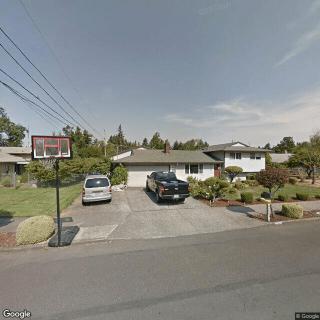
Peaceful Lighthouse Adult Care Home
$3,000 / month10.5 miles away
Overall Review of TLC Adult Care
Pros
 The staff at Milwaukie Loving Care are wonderful.
- The home is immaculate and provides a reassuring atmosphere for residents.
- The team is committed to making the resident experience positive and offers guidance to families.
- The care is excellent and the staff are consistently attentive.
- The facility maintains very good communication with families.
- The environment feels like home and residents feel safe.
- The home is very clean and well-kept.
- The home is full of love and kindness, with attentive care.
- Ciprian and Karina demonstrate incredible patience, humanity, and dedication.
- Gramma is happy and well cared for and feels secure in her routine.
Cons
 They are disrespectful to the neighbors and constantly speed race up Lake Road on motorcycles and cars.
- The staff member talks exclusively about bed sores and expresses uncertainty about the mother's long-term needs.
- The scented products used in the home can be overwhelming for residents.
- The meals are fine and there’s enough food, but nothing is especially notable or special.
Review
TLC Adult Care in Milwaukie is best suited for families seeking a small, home-like environment where compassionate, hands-on care and open family communication are the pillars of daily life. This community excels for residents who value a reassuring, intimate atmosphere, where staff involvement feels personal and consistently attentive. Reviewers repeatedly point to the immaculate, welcoming setting, the sense that “home” is the operating rule, and a care team that stays engaged with families rather than merely managing routines. The owners are described as directly involved, and the staff as experienced, patient, and genuinely invested in making the resident experience positive.
At the same time, TLC may not be the first choice for families needing pronounced, hospital-style medical oversight or a larger, more clinical campus. Alternatives may appeal to those who require a higher level of on-site clinical monitoring, more extensive on-site therapy resources, or a setting with greater capacity and variety of services. A few concerns raised in reviews point to limits that could matter for certain budgeting and longevity plans: the emphasis on bed-sore discussions in some conversations, questions about long-term outcomes, and a note about strong external noise that appears to originate outside the property. The waitlist reality also suggests that those needing immediate placement may want to explore other options while awaiting enrollment.
The strongest pros center on trust, consistency, and a genuinely caring culture. Families repeatedly praise the cleanliness, safety, and “home-like” feel, along with reliable communication, families feel kept in the loop, and residents seem to respond to the calm, routine-driven environment. The care team’s hospice experience and the ability to deliver compassionate, skillful support are recurrent themes, giving families confidence that a loved one will be treated with dignity in meaningful ways. Activities, weekly crafts, live music, and well-prepared meals, help preserve a sense of normalcy and social connection that many residents miss in larger facilities. These elements collectively offset some of the downsides by delivering an emotionally supportive, predictable daily life.
On the flip side, the community must be weighed against its perceived drawbacks. One external concern involves neighbor relations and traffic-related noise that some reviewers found disruptive, a factor families should assess through an on-site visit at different times of day to gauge tolerance and impact. Inside the home, there is a minority thread of critique focused on bed sores and long-term care expectations; while not universal, it signals the need for prospective families to probe prevention protocols, care planning, and how pressure injury risks are managed day to day. Another nuance is a scented products issue noted by one reviewer; for scent-sensitive residents, confirming the home’s policies on fragrance could be important. Taken together, these cons do not erase the positives, but they do set boundaries around suitability for certain profiles.
The practical takeaway centers on alignment with the resident’s needs and the family’s priorities. For families prioritizing a warm, intimate environment with highly engaged owners, transparent communication, and a community that treats residents like family, TLC presents a compelling, low-friction option. The offset comes in recognizing that care models here are best suited to steadiness, emotional support, and daily life that resembles home more than a clinical setting. For those requiring aggressive medical programming, larger-scale resources, or a quieter exterior environment, it makes sense to investigate other options that offer more robust clinical infrastructures or stricter noise controls, even if they lack the same level of familial warmth.
In the end, a careful site visit is essential. Prospective families should meet Cindy, Karina, and Ciprian to understand how daily routines are individualized, how staff communicate changes, and what the specific pressure-injury prevention practices look like in practice. Ask about wait times and enrollment plans to avoid prolonged uncertainty, and request recent references from families with residents at similar stages of life. Clarify scent policies and neighborhood interaction expectations to ensure compatibility with the resident’s sensitivities and the surrounding community. When alignment is strong, TLC Adult Care offers a persuasive blend of heartfelt care, dependable staff, and a home-centered approach that can deliver peace of mind for both residents and their families.
 Board and Care Home
 Activities off-site
 Beautician on-site
 Devotional services off-site
 Indoor common areas
 Outdoor common areas
 Private
 Private bathrooms
 Respite or short term stays offered
 Wheelchair accessible showers
 Portland International (12 miles away)
 Ambulatory care
 Diabetic care
 High acuity care
 Incontinence care
 Kosher
 Christian services






 Managing Nursing Home Expenses After Medicare Coverage Ends
 Is a Geriatric Care Manager the Right Choice for Your Family?
 Compassionate Conversations: How to Comfort Someone Who Is Grieving