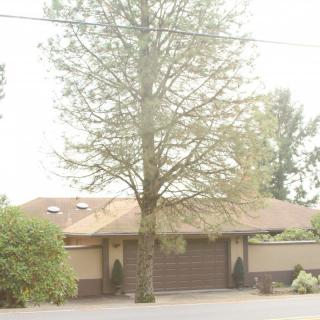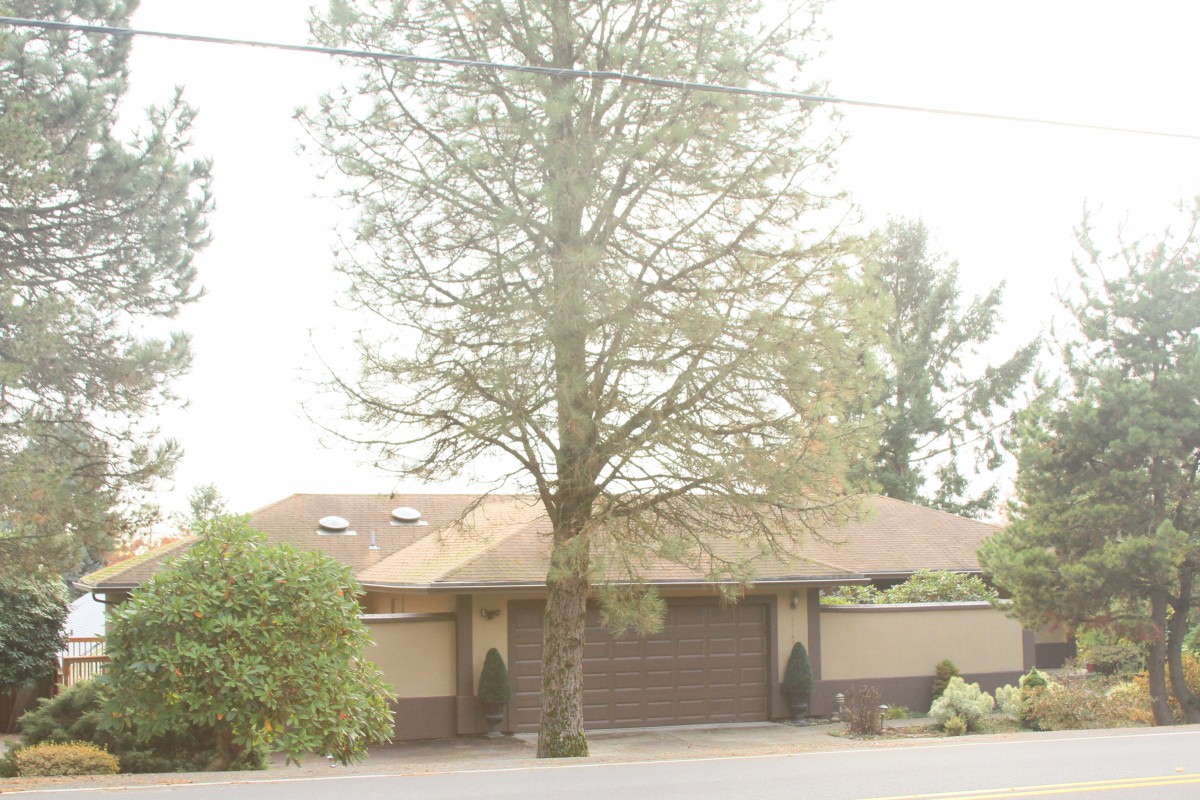
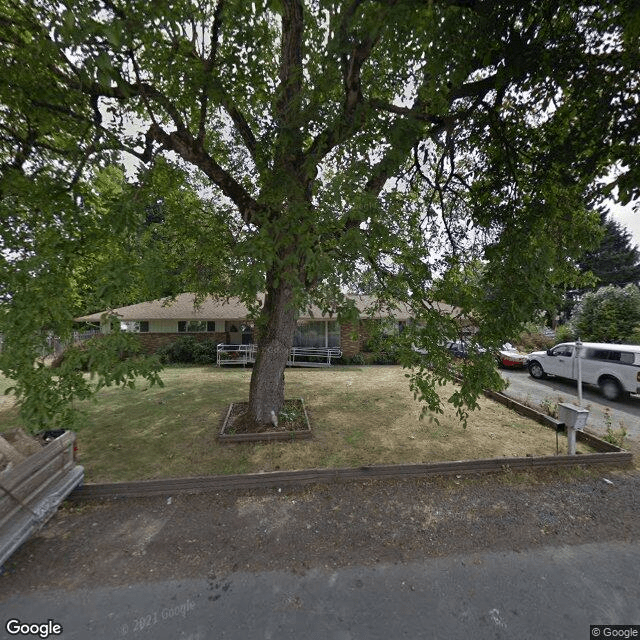
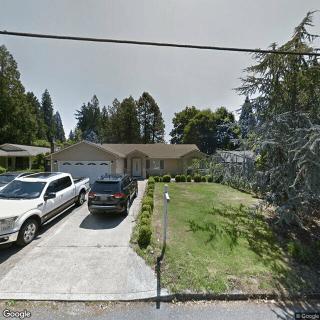
14212 SE Webster Rd, Portland, OR 97267
To contact a resident: (503) 577-8075
For more information about senior living options: (866) 208-4318
Compassionate Adult Care Home Costs & Pricing
Compassionate Adult Care Home offers a competitive rate for private rooms at $3,000 per month, which is significantly lower than the average costs seen in Clackamas County ($3,373) and across the state of Oregon ($3,424). This pricing strategy not only emphasizes the home's commitment to providing affordable care, but also positions it as an attractive option for families seeking quality adult care without compromising on standards. The lower rate at Compassionate Adult Care Home reflects an understanding of the financial challenges that many face while ensuring residents receive compassionate and personalized attention within a supportive environment.
| Floor plans | Compassionate Adult Care Home | Clackamas County | Oregon |
|---|---|---|---|
| Private | $3,000 | $3,373 | $3,424 |
Memory care communities with a similar price nearby
-
from -$500 / mo
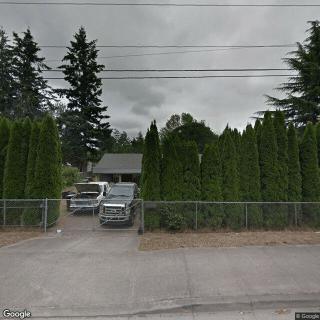
A Gentle Care Home
$2,500 / month4.9 miles away -
from +$500 / mo
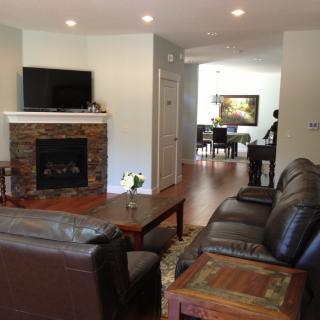
American Living Adult Family Home LLC
$3,500 / month17.6 miles away -
About the same
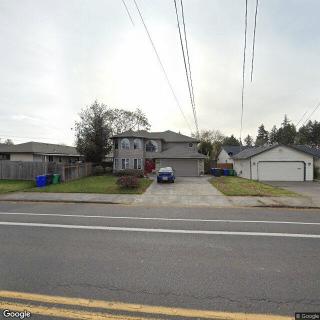
Elder Garden Care Home, LLC
$3,000 / month9.8 miles away -
from +$500 / mo
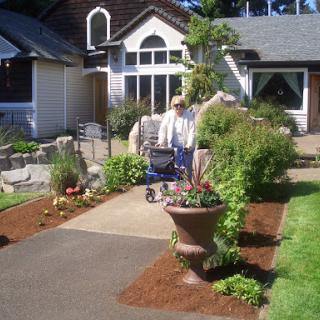
Northwest Home Health
$3,500 to $3,700 / month3.9 miles away -
About the same
Rivercrest Adult Care
$3,000 to $3,700 / month5.7 miles away
Overall Review of Compassionate Adult Care Home
Pros
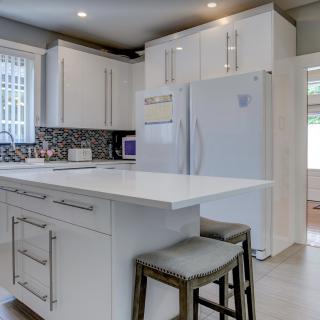
 The home is beautiful, clean, and well cared for.
- The caregivers go above and beyond and feel like family to residents.
- Families experience peace knowing their loved ones are well cared for.
- Compassionate ACH staff are willing to go the extra mile, including driving to appointments when needed.
- The service is patient, reliable, and provided in a supportive, family-like atmosphere.
- The home offers tasty meals and creates a comfortable, well-cared-for environment.
- The caregivers provide thoughtful tributes and keepsakes that honor residents’ memories.
Cons
 They did not even go in; the place smelled as they approached, and no one answered, leaving them with a not-good feeling about the place.
- They noted the price was expensive, though acknowledged that others were as well.
Review
Compassionate Adult Care Home in Portland, OR is best suited for families that want a warm, home-like setting where a small, family-operated care team treats residents like relatives. This community shines for seniors who value close-knit relationships, highly personalized attention, and a genuine sense that caregivers are deeply invested in daily well-being. The model works best when there is no requirement for heavy medical supervision or highly structured, institution-like programming. For families needing extensive nursing care, highly specialized memory-support, or a more clinical atmosphere, alternatives with larger staffs and formal protocols may be more appropriate.
The strongest selling points here are the emotional and relational strengths that come from a familial caregiving approach. Families repeatedly report a beautiful, clean home environment and residents who appear well cared for. The care goes beyond routine tasks, with accounts of staff who feel like extended family and even moments that hint at lasting, personal connections, such as a photo book chronicling a loved one’s years in the home. Several families describe the peace of mind that comes from knowing a loved one is in a setting where caregivers invest time, patience, and care that feels heartfelt rather than transactional. When meals, daily routines, and social warmth come together in a small, attentive setting, the overall quality of life often rises in ways that larger facilities struggle to match.
Operationally, the home delivers practical advantages that families seek: a clean, roomy environment; a steady, weekly menu of appealing foods; patient, respectful caregivers; and a sense that residents are genuinely looked after. Several reviews highlight the location’s accessibility and a staff member who made a positive impression, suggesting a cohesive team that knows residents well and responds with flexibility. The ability to support transportation to appointments, an example cited where staff helped get a loved one to a doctor’s visit, adds tangible value for families juggling care with other responsibilities. These day-to-day benefits, paired with visible pride in the home’s upkeep, translate into dependable consistency that families rely on.
Yet there are clear cautions to weigh. The most conspicuous downside in the reviews is cost; several families acknowledge that the care is expensive, which may limit long-term affordability for some households. Additionally, one negative impression cites an odor and a lack of immediate response at the door, signaling that first-contact experiences and ongoing operational responsiveness can vary. While such reports are isolated, they underscore the importance of a cautious visit and firsthand inspection. These factors don’t negate the strengths, but they do remind families to verify what is included in pricing and to observe oversight, communication, and responsiveness during a tour.
When weighing the positives against the drawbacks, the balance often tips toward choosing this home for families prioritizing intimate, compassionate care over clinical intensity or price-driven options. The key pros, household-like warmth, staff who genuinely feel like family, personalized attention, and dependable daily routines, offset main cons for families who value peace of mind and emotional well-being above all. The potential premium in cost is justified when the outcome is a loved one thriving in a comforting, respectful environment with caregivers who invest in lasting relationships. The odor/perceived accessibility issue, if unaddressed in a visit, can become a real deal-breaker; but proactive tours, clarifying policies, and asking to observe care moments can mitigate these concerns.
In practical terms, this community is a sound match for families seeking a small, homey setting with a strong emphasis on relationship-based care. It is less suited for those needing intensive medical management, memory-care specialization, or budget-conscious options. Prospective residents should schedule an in-person visit with emphasis on tour authenticity: note cleanliness across common areas, ask about staffing ratios, request a sample weekly menu, and observe caregiver interaction during routine tasks. If affordability is a limiting factor, prepare a clear comparison of what is included in the price and explore potential augmentations or long-term funding options. For those who decide to proceed, the decision should rest on whether the emotional comfort of a genuinely familial atmosphere outweighs the higher price tag and the small, logistics-focused trade-offs.
 Board and Care Home
 Day Program
 Memory Care
 Dogs allowed
 Beautician on-site
 Indoor common areas
 Outdoor common areas
 Private
 Private bathrooms
 Respite or short term stays offered
 Wheelchair accessible showers
 Portland International (12 miles away)
 Diabetic care
 High acuity care
 Incontinence care
 Medication management
 Meals provided





 A Holistic Dementia Care Guide: Effective Strategies for Memory Support
 Memory Care Pathways: A Holistic Guide to Dementia Support
 Comprehending Evening Confusion in Dementia: Causes, Manifestations, and Support