Amedisys Home Health Care in Portland, OR
Save
Information last verified:
16195 SW 72nd Ave, Portland, OR 97224
For more information about senior living options: (844) 490-3973
This community is best suited for families seeking in-home medical support and infusion administration for medically complex seniors. The strongest case sits with those who rely on skilled nursing for ongoing therapies, post-acute recovery, or chronic disease management and who can tolerate a rocky back-office environment. The clinical team, especially the nurses, is repeatedly described as capable, compassionate, and responsive when on site, delivering essential care and supporting difficult medical needs. Yet the operations side, scheduling, communication, and availability, presents a stubborn bottleneck. The overall picture is clear: solid, hands-on medical attention delivered in the home, with the main risk being gaps in access and information rather than in clinical competence.
Those who may want to consider alternatives are families needing rock-solid reliability in scheduling and straightforward communication. The reviews repeatedly show appointments shifting, late cancellations, and weekend gaps, which can leave families guessing and patient care uncertain. For households where daily living support, predictable visits, and 24/7 on-site backup matter, an assisted living community often makes more sense than a home-health agency. And for families prioritizing steady infusion coordination with minimal back-and-forth, other providers may offer tighter administrative reliability. In short, this option can work, if scheduling and communication are effectively locked in and monitored.
The pros versus the cons tilt in favor of clinical capability when on site, but operational friction steadily erodes that advantage. The nurses are praised for competence, bedside manner, and the ability to manage complex medical needs, contributing to real, tangible patient stability. In the best-case scenarios, staff transitions are smooth, and care continuity is preserved through shifts and changes in treatment. However, the recurring downsides, understaffing whispers, inconsistent scheduling, and inconsistent updates, dampen the overall value. Families report last-minute changes, unclear calls about what will happen next, and even weekend unavailability. When administrative reliability is sporadic, the benefit of excellent clinical care cannot consistently manifest, especially for patients juggling multiple visits, equipment, and medications at home.
Practical guidance for families weighing this option hinges on proactive management. Securing a named care coordinator who will own scheduling and escalation is essential. A written escalation path for missed or rescheduled visits, plus confirmation calls or texts the day before each appointment, should be non-negotiable. Build contingency plans: identify backup clinicians, and map out a secondary infusion provider in case a session is canceled or delayed. Clarify what supplies will be delivered, when, and who restocks, to avoid gaps that disrupt treatment. Consider a short trial period to test reliability before committing long term, with a plan to switch providers if cancellations or miscommunications persist. Finally, compare with other home-health agencies or, for families prioritizing daily living structure, with assisted living communities that offer more predictable scheduling and stable staffing.
The decision implications vary by situation. For a senior needing ongoing infusion therapy and strong clinical oversight but who can tolerate a schedule that isn’t perfectly reliable, a carefully managed arrangement may work, provided there is explicit accountability and a robust backup plan. For caregivers whose bandwidth is limited and who require dependable visits at predictable times, the reliability risk is too high to ignore; explore options with tighter scheduling controls. For families choosing between continuing home health and moving into an assisted living arrangement, the latter often delivers more predictable routines, 24/7 on-site staff, and integrated supports that reduce caregiver strain. In such cases, the question isn’t just medical capability but whether consistent daily structure and calm, dependable communication can be achieved.
Bottom line: Amedisys delivers credible clinical care in the home, with nurses who can be outstanding when properly deployed. The defining challenge remains operational reliability: scheduling chaos, staffing gaps, and uneven communication undermine the overall value and can threaten safety over time. This agency fits families who can lock in a dedicated coordinator, demand predictable visit windows, and maintain backup plans. For others, especially those needing dependable, 7-day-a-week support or a setting that blends medical care with daily living oversight, strong alternatives from other home-health providers or full-service assisted living options should be pursued. The decision should hinge on whether clinical assets can be matched with consistent access, transparent communication, and a dependable care rhythm.
The Amedisys Home Health Care in Portland, OR is an assisted living community that offers exceptional care and support to its residents. Located in a vibrant neighborhood, this community provides a range of amenities and services to enhance the well-being and quality of life for its residents.
With 8 cafes nearby, residents can enjoy coffee and light snacks in cozy settings while socializing with friends or family. Additionally, the community boasts 9 parks nearby, allowing residents to take leisurely walks, engage in outdoor activities, or simply enjoy the beauty of nature.
Healthcare needs are well-catered for with 12 pharmacies conveniently located nearby, ensuring quick access to medications and health supplies. Residents can also benefit from the presence of 16 physicians who are readily available for regular check-ups or medical consultations.
For dining options, there are 18 restaurants nearby offering a variety of cuisines to suit various tastes and preferences. Whether residents prefer casual dining or upscale experiences, they have numerous options to explore.
Transportation is made convenient with a transportation service available nearby. This allows residents easy access to various destinations such as medical appointments, errands, or recreational activities within the community and beyond.
Entertainment options include two theaters nearby where residents can enjoy movies, theater productions, or other cultural events. Additionally, there are two hospitals in close proximity offering specialized medical care if needed.
Overall, Amedisys Home Health Care in Portland provides a nurturing environment where residents can receive personalized care while enjoying the convenience of nearby amenities and services that contribute to their overall well-being and comfort.
This part of Portland, Oregon, offers a convenient and varied range of amenities for seniors looking for a place to live. With several medical facilities nearby such as Bridgeport Family Medicine, Northwest Renal Clinic, and Legacy Meridian Park Hospital, seniors can easily access healthcare services. In terms of dining options, there are establishments like John Barleycorns and Applebee's for meals out, while Peet's Coffee and Tea and Panera Bread provide casual spots for coffee or a quick bite. The area also boasts several pharmacies including Walgreens and Rite Aid for prescription needs. For recreation, parks like Tualatin Community Park offer opportunities for outdoor activities, while the Regal Bridgeport Village theater provides entertainment options. Overall, this neighborhood in Portland is well-equipped to cater to the needs of seniors seeking a comfortable and convenient living environment.
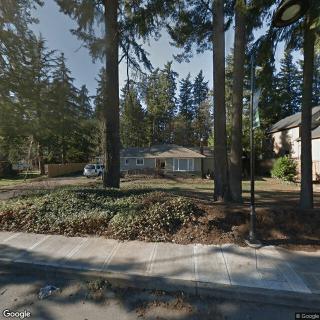
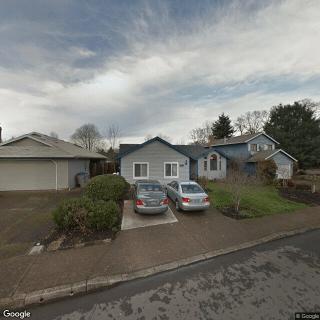
Amedisys Home Health Care is located at 16195 SW 72nd Ave, Portland, OR 97224 in Washington County, Oregon
Exploring Palliative Care in the Home: A Comprehensive Overview

Palliative care enhances the quality of life for seriously ill patients by providing comprehensive support at home through a multidisciplinary team, addressing various needs and prioritizing comfort over curative treatments. While it offers personalized care and involves family in decision-making, challenges like caregiver stress and logistical issues persist, with growing demand prompting advancements in technology and healthcare policies to improve access.
Comprehensive Insights into Palliative Home Care: What It Is and What to Expect

Palliative home care focuses on improving the quality of life for individuals with serious illnesses by providing comfort, symptom management, and emotional support in their own homes. This approach includes personalized care plans, regular assessments, and resources for family caregivers, all while prioritizing person-centered treatment that aligns with patients' goals.
Skilled Nursing Facilities vs. Nursing Homes: Making Sense of the Differences
Skilled nursing facilities (SNFs) provide high-level medical care and rehabilitation for short-term recovery, typically covered by Medicare after hospitalization, while nursing homes focus on ongoing custodial care for chronic conditions, mainly funded by Medicaid or private payments. The staffing and regulatory structures differ significantly between the two, necessitating clarity for families in choosing appropriate long-term care options.