

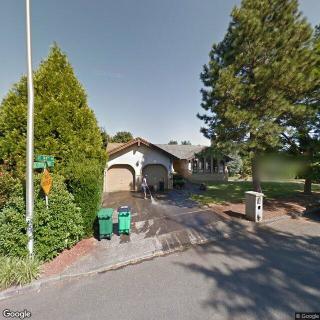
14547 S. Thayer Rd., Oregon City, OR 97045
To contact a resident: (503) 742-9937
For more information about senior living options: (866) 208-4318
Joanna and Peter Care Home Costs & Pricing
At Joanna and Peter Care Home, the monthly cost for a private room is competitively set at $2,800. This price is notably lower than both the average costs in Clackamas County, which stands at $3,373, and in the broader state of Oregon, where the average reaches $3,424. Such pricing not only highlights Joanna and Peter Care Home's commitment to affordability but also positions it as an attractive option for those seeking quality care without straining their financial resources.
| Floor plans | Joanna and Peter Care Home | Clackamas County | Oregon |
|---|---|---|---|
| Private | $2,800 | $3,373 | $3,424 |
Senior living communities with a similar price nearby
-
from +$200 / mo
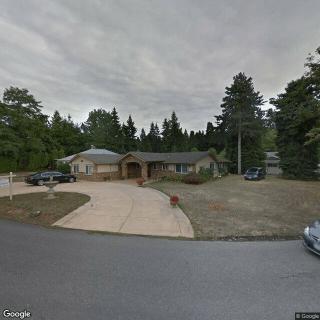
A Piece of Heaven
$3,000 / month6.7 miles away -
from -$300 / mo
Mapleview Manor, LLC
$2,500 / month6.4 miles away -
from +$200 / mo
Yamhill Senior Care Home
$3,000 / month13.1 miles away -
from +$200 / mo
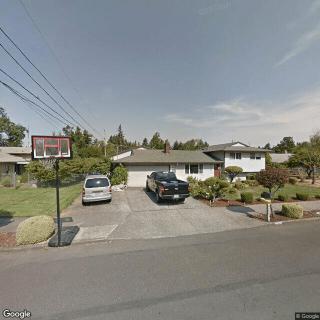
Peaceful Lighthouse Adult Care Home
$3,000 / month14.9 miles away -
from -$300 / mo
A Gentle Care Home
$2,500 / month9.5 miles away
Overall Review of Joanna and Peter Care Home
Pros
 Helen was wonderful with mom.
- She was a godsend to the family.
- She did everything in her power to make mom comfortable.
- The facility has a great reputation.
- The care is compassionate.
- The caregivers are caring and engaged with the residents.
- They would recommend this home for loved ones needing tender, skilled, and warm care.
Cons
 If your parent is a level 3 patient, do not place in this home.
- Joanna displayed arrogance, greed, or both.
- Within days of Mom's arrival, Joanna made it clear how much of an inconvenience and how disruptive she was to the caregivers and other patients.
- "All your mother wants to do is sit outside"; Joanna replied that there wasn't staff available to accommodate Mom's request.
- Joanna complained about having to stay up at night because Mom wouldn't sleep.
- Joanna pressured for Mom's removal and suggested she wouldn't make it till the end of the month.
- Joanna charged an additional $1,375 for the early removal.
Review
This community is best suited for families seeking a warm, home-like setting where caregiving feels personal and attentive, and where an on-site RN provides reassurance at night. Residents who are relatively stable or only moderately dependent tend to thrive here, especially when they value a tidy, welcoming house with dedicated, engaged caregivers who treat residents like family. The environment, a clean, spacious home with a fenced, landscaped yard, supports social interaction and safe outdoor time, while the menu tends to be flexible enough to accommodate preferences. For families prioritizing warmth, personal connection, and hands-on care over formal, high-acuity medical systems, this community offers a compelling fit.
Those who may want to consider alternatives are primarily seniors with higher medical or behavioral needs that demand constant, 24/7 professional monitoring. One account cautions against placing a level 3 patient here, suggesting that staff time and attention may be stretched and that management can appear unsympathetic to significant caregiving challenges. Additional billing concerns were raised in that same account, including an early removal penalty, which can complicate transitions when a resident’s needs shift. Prospective families navigating complex medical needs or aggressive behaviors should weigh these reports against any reassuring experiences from other families.
The strong points consistently highlighted, compassionate, engaged caregivers who feel like extended family, an owner who brings nursing experience to night shifts, and a clean, well-kept home, serve as a meaningful offset to the potential downsides. The presence of an RN on site at night provides clarity and confidence for families concerned about medical oversight in a homelike setting. A reputation for adapting the menu to resident preferences is another practical benefit, reducing the friction that can come with mealtime frustrations and nutritional concerns. In short, the daily atmosphere tends to be nurturing, with staff who notice individual needs and respond with warmth and competence.
Yet the most troubling thread in the feedback points to governance and feasibility when medical complexity rises. The most severe critique centers on a family’s experience with a level 3 resident, describing perceived arrogance or greed and a rapid push toward a difficult move-out, accompanied by substantial early-removal charges. This singular perspective casts a spotlight on the risk of misalignment between what the home can sustainably provide and what a high-acuity resident requires. For families evaluating future escalations in care needs, this is a red flag worth probing: ask for concrete, written plans about escalation protocols, staffing coverage for higher-need residents, and transparent billing practices before any commitment.
Practically, these insights translate into a actionable due-diligence checklist. Inquire about current staffing ratios per shift, especially nighttime coverage, and confirm who supervises care in the evenings. Clarify the level of medical oversight available on site, and how a resident with increasing needs would be accommodated without compromising safety. Request a candid discussion about outdoor time policies and how staff handle resident preferences when they conflict with staffing realities. Finally, obtain a clear, written policy on penalties for early move-outs and any potential billing adjustments tied to changes in care needs. A few trial days, if offered, can illuminate whether the staff’s warmth and responsiveness persist under real stress.
Overall, Joanna and Peter Care Home presents a compelling option for families prioritizing a humane, affectionate care approach in a well-maintained, home-like setting. The strongest cases support residents who can participate socially, enjoy a fenced outdoor space, and benefit from attentive, nurse-backed care during off-hours. However, for those facing higher levels of medical complexity or for families wary of governance risks and billing disputes, this community warrants careful comparison with alternatives that specialize in higher-acuity needs. The decision rests on whether the home’s deep empathic care and practical amenities align with the resident’s current and anticipated care trajectory.
 Board and Care Home
 Private
 Portland International (18 miles away)
 Diabetic care





 Exploring Palliative Care in the Home: A Comprehensive Overview
 Comprehensive Insights into Palliative Home Care: What It Is and What to Expect
 Skilled Nursing Facilities vs. Nursing Homes: Making Sense of the Differences