Atrium At Mc Loughlin Place Costs & Pricing
Atrium At McLoughlin Place offers competitive pricing when compared to the broader market in Clackamas County and the state of Oregon. For a studio apartment, residents can expect to pay $4,250 per month, which is notably higher than both the county average of $3,916 and the state average of $3,815. The one-bedroom option is priced at $5,100, again surpassing local and state averages - $4,100 in Clackamas County and $3,904 across Oregon. Additionally, the semi-private room is positioned at $5,500, exceeding both the county's figure of $4,848 and the state's average of $4,457. These prices reflect the quality and services provided at Atrium At McLoughlin Place but suggest that prospective residents should weigh their options based on budgetary considerations within the context of regional costs.
| Floor plans | Atrium At Mc Loughlin Place | Clackamas County | Oregon |
|---|
| Studio | $4,250 | $3,916 | $3,815 |
| 1 Bedroom | $5,100 | $4,100 | $3,904 |
| Semi-Private | $5,500 | $4,848 | $4,457 |
Memory care communities with a similar price nearby
-
from -$750 / mo
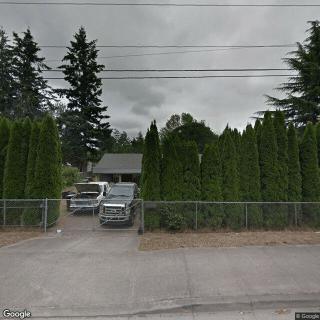
American Living Adult Family Home LLC
$3,500 / month
23.0 miles away
-
from -$750 / mo
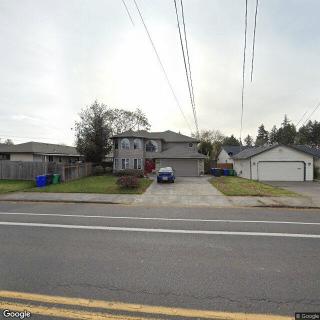
Northwest Home Health
$3,500 to $3,700 / month
9.5 miles away
-
from -$250 / mo
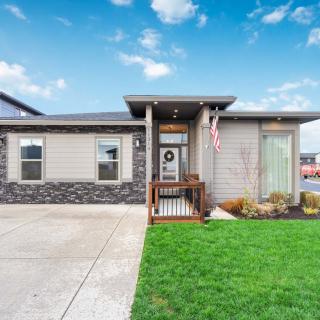
The Finest Care AFH, LLC
$4,000 to $5,500 / month
21.4 miles away
-
from -$750 / mo
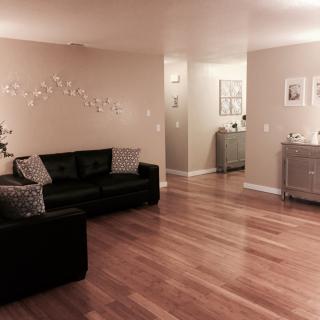
Grace Care Adult Foster Home
$3,500 / month
14.6 miles away
-
from -$750 / mo
Blue Sky Adult Care Home
$3,500 / month
11.4 miles away
Overall Review of Atrium At Mc Loughlin Place
common
10 reviews mention this
Dining gets mixed feedback
Restaurant-style dining is offered, but residents describe both strong meals and bland or inconsistent options.
Several residents and families call the food enjoyable, including “terrific,” delicious menus, and meals that their loved ones actually eat. Others describe the food as bland or not nutritious, and at least one review says the kitchen doesn’t always match what the menu indicates. There are also mentions of snacks and room delivery being helpful for daily routines. Overall, dining quality appears to vary by experience.
common
18 reviews mention this
Staff care is often praised
Residents and families frequently describe caring, attentive staff and support for daily needs.
Across many reviews, residents are described as well cared for, with staff noted for kindness, patience, responsiveness, and professionalism. Several families say the staff keeps them informed, and some describe the community as clean while staff “check on” residents regularly. A smaller number of reviews contrast that experience by describing missed calls, limited communication outside visits, or staffing issues during certain shifts. The pattern suggests staff compassion is a common theme, but reliability can be inconsistent.
caveat
14 reviews mention this
Cleanliness and housekeeping vary
Reviews point to inconsistent housekeeping, including missed laundry and concerns raised about cleanliness.
Some families describe a clean facility and regular room cleaning, including frequent attention to residents’ rooms. Others report problems like overflowing garbage, missed bedding or laundry, rooms that feel dirty or smell unpleasant, and instances where items went missing. Several negative reviews also include concerns about hygiene in areas like bathing and keeping residents clean. Taken together, cleanliness appears to depend on circumstances and follow-through.
caveat
16 reviews mention this
Staffing and communication can slip
While some reviews describe excellent attention, others report understaffing, delayed responses, and communication gaps.
Some reviewers say staff were attentive during visits and that teams were well informed about residents. At the same time, multiple reviews mention concerns about staffing levels—describing understaffing, high turnover, or temporary coverage that families were evaluating. Several reviews also complain about communication, such as not returning calls, delayed responses, or families only hearing from staff when medical attention or medication refills were needed. One review also notes that staffing and assignment issues may affect whether concerns get addressed promptly.
differentiator
11 reviews mention this
Memory care experience is polarized
Memory care programming is offered, and reviews describe both very good care and serious concerns involving safety and hygiene.
Because residents can be in the community’s memory care setting, experiences in this unit stand out in the reviews. Some families report that memory care residents are taken very good care of, with loved ones kept clean and safe. Other reviews describe severe issues such as falls, injuries, hygiene failures, and medication or care orders not being followed. The split suggests memory care outcomes vary widely by circumstance and individual care needs.
caveat
7 reviews mention this
Pricing feels high for care received
Pricing is described as expensive, with some reviews citing extra charges and trouble getting follow-up.
A few reviews describe the overall cost as too high for the care being received, including claims about memory care pricing in particular. Some families mention unexpected billing activity or additional fees, and a couple of reviews describe difficulty getting billing questions answered. At the same time, other reviews say the pricing felt fair when care was provided well. The pricing theme is therefore a recurring complaint when families felt follow-through and communication were lacking.
How we summarize
Counts show how many written reviews mention each theme; a review can touch several themes, and only frequently mentioned themes are displayed.

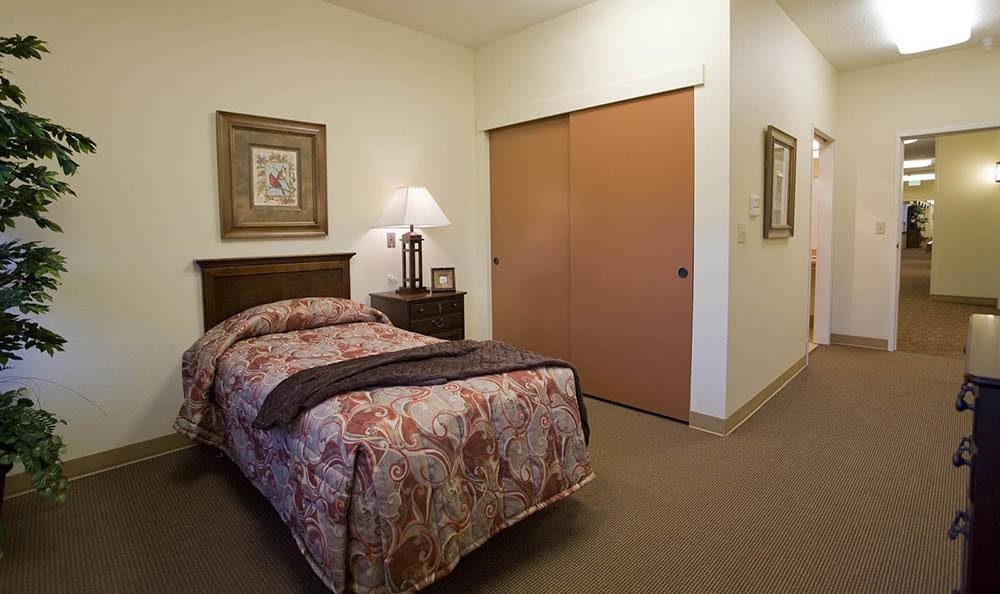
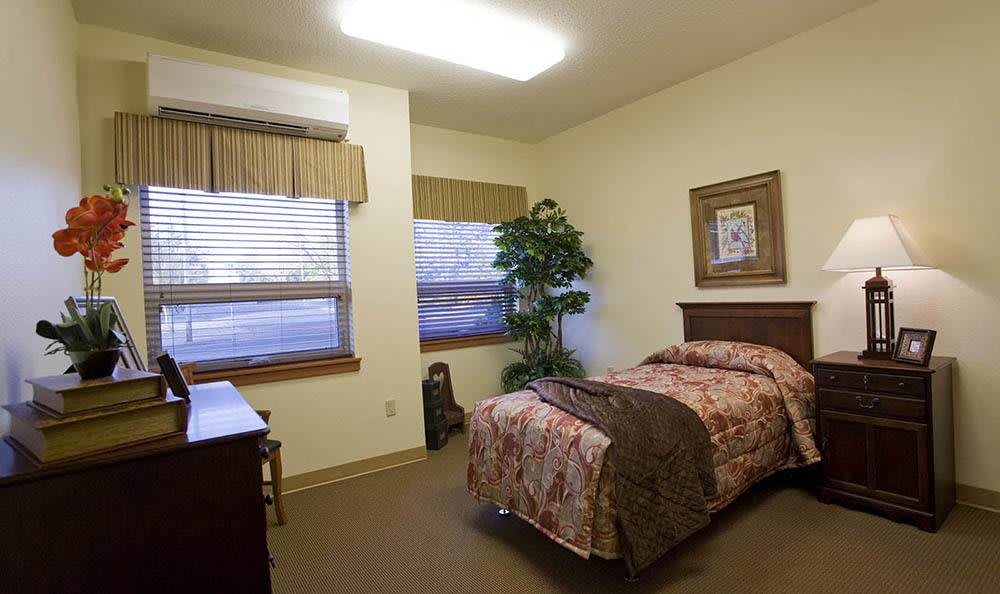
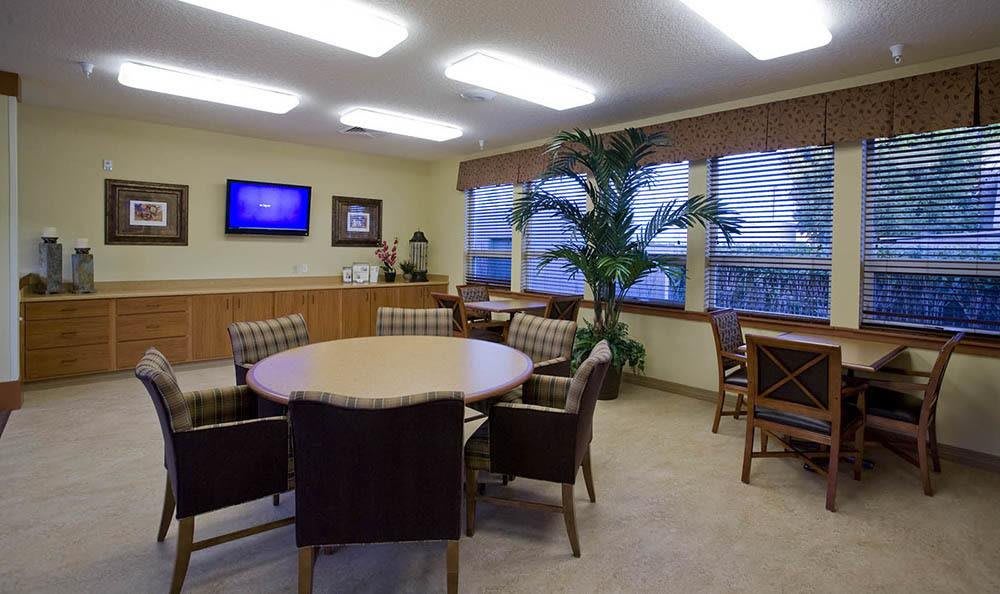
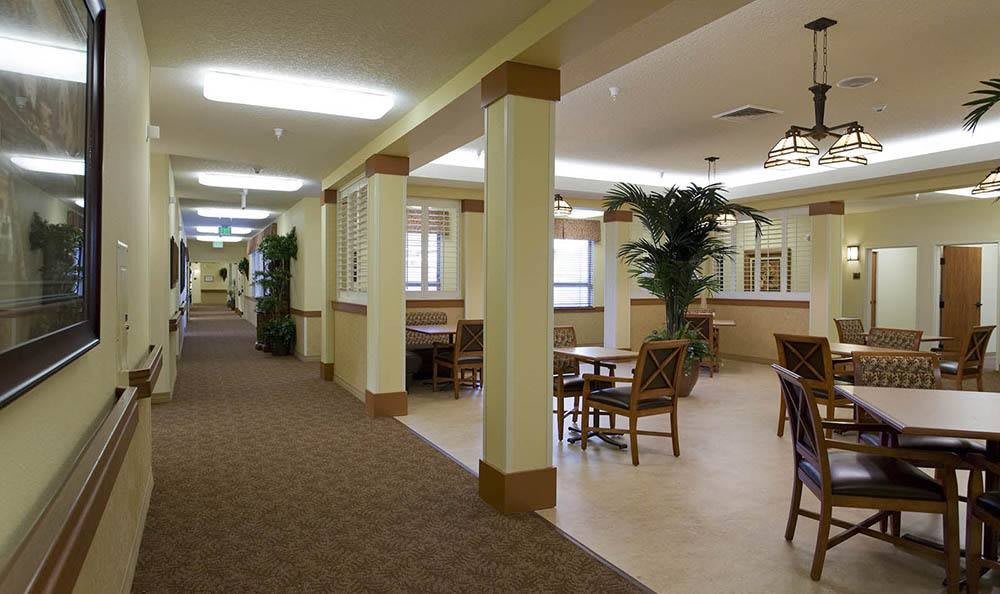
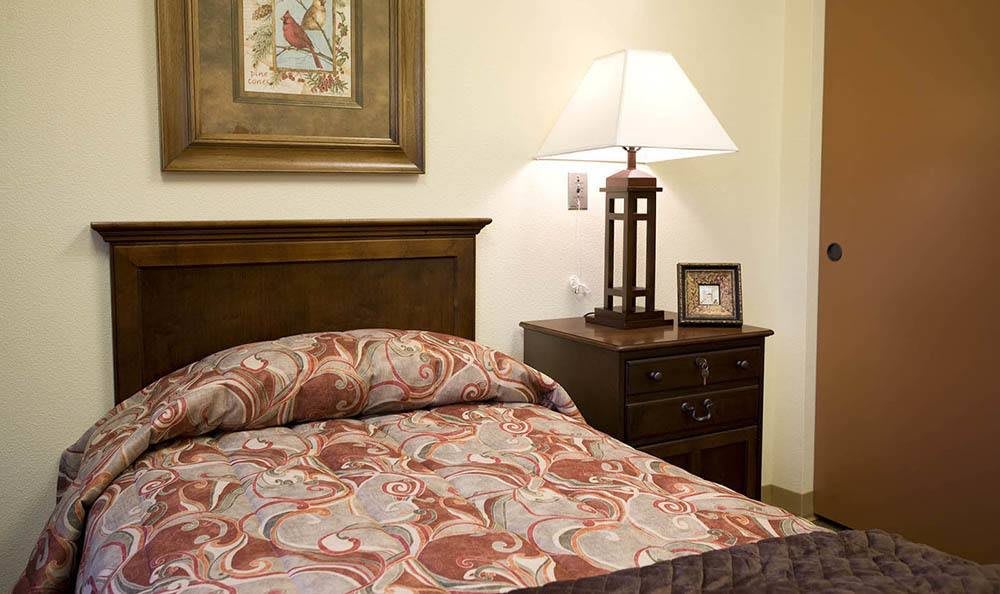
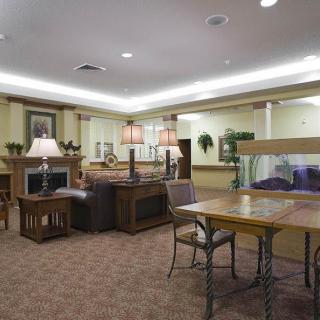
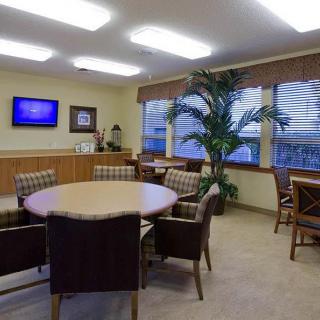
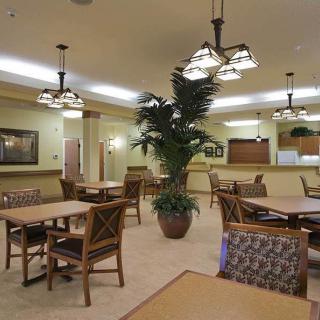
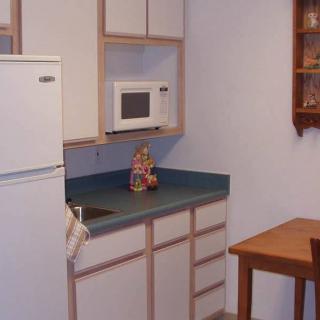
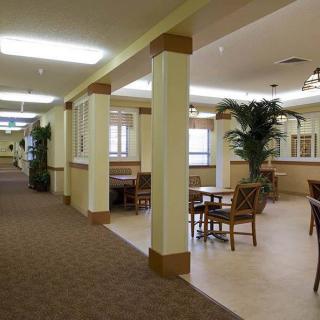
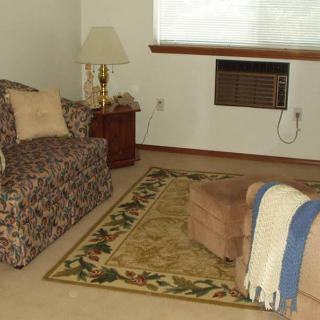
 74 resident community capacity
 Assisted Living
 Memory Care
 Activities off-site
 Air-conditioning
 Beautician on-site
 Cable or satellite TV
 Computer center
 Devotional services off-site
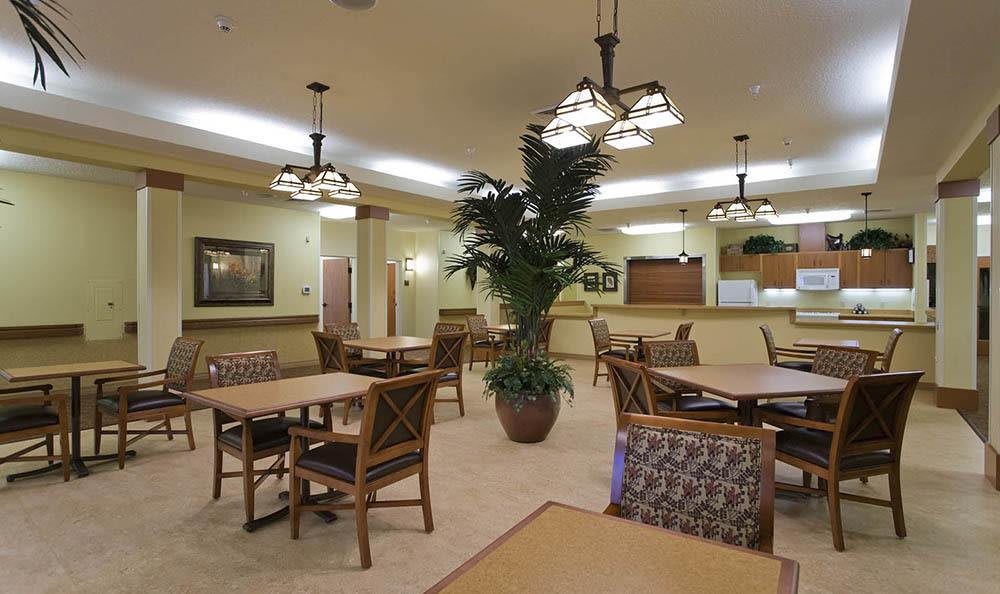
 Dining room
 Fitness room
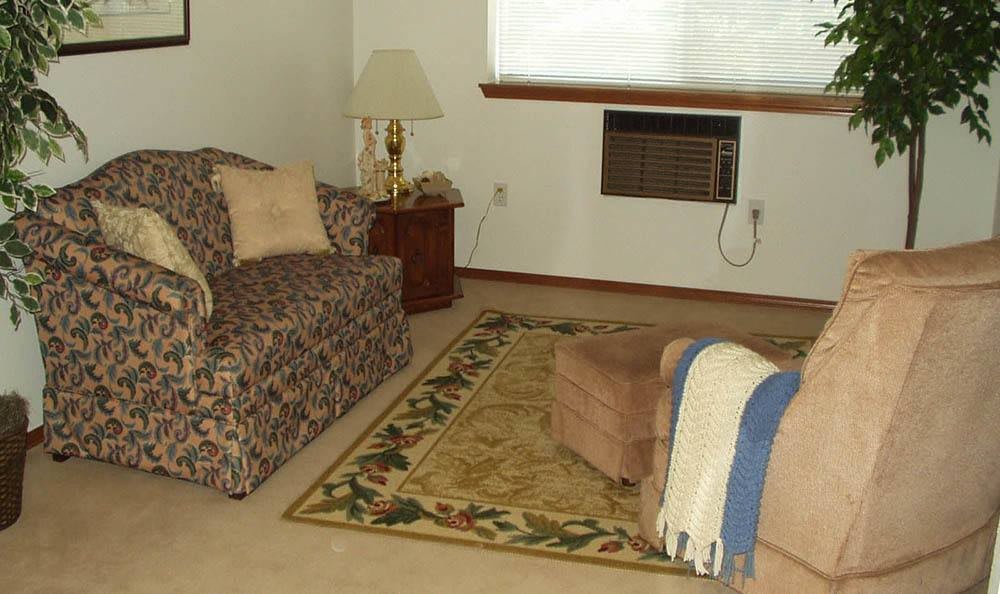
 Fully furnished
 Gaming room
 Garden
 Handicap accessible
 Housekeeping services
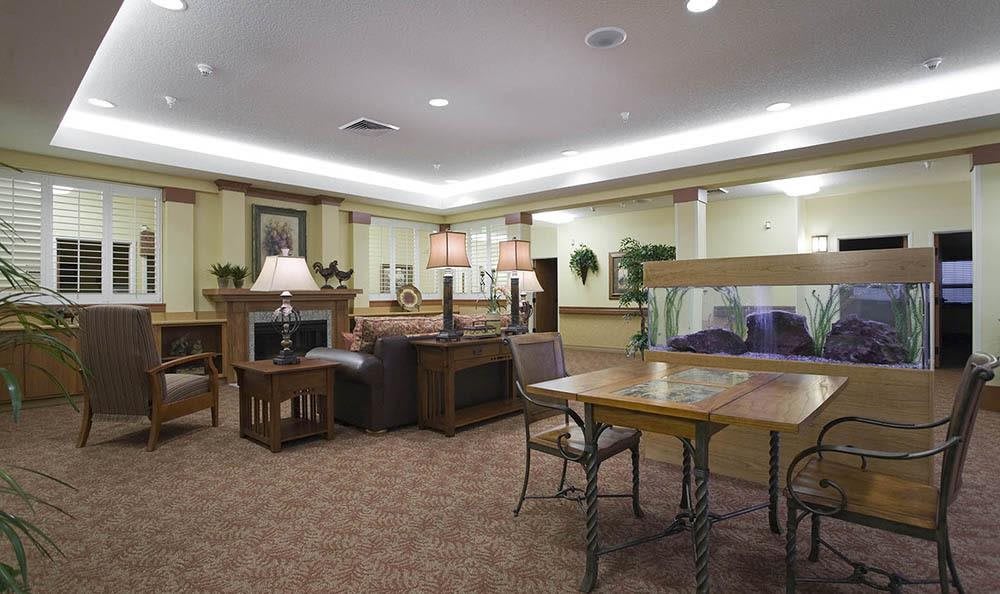
 Indoor common areas
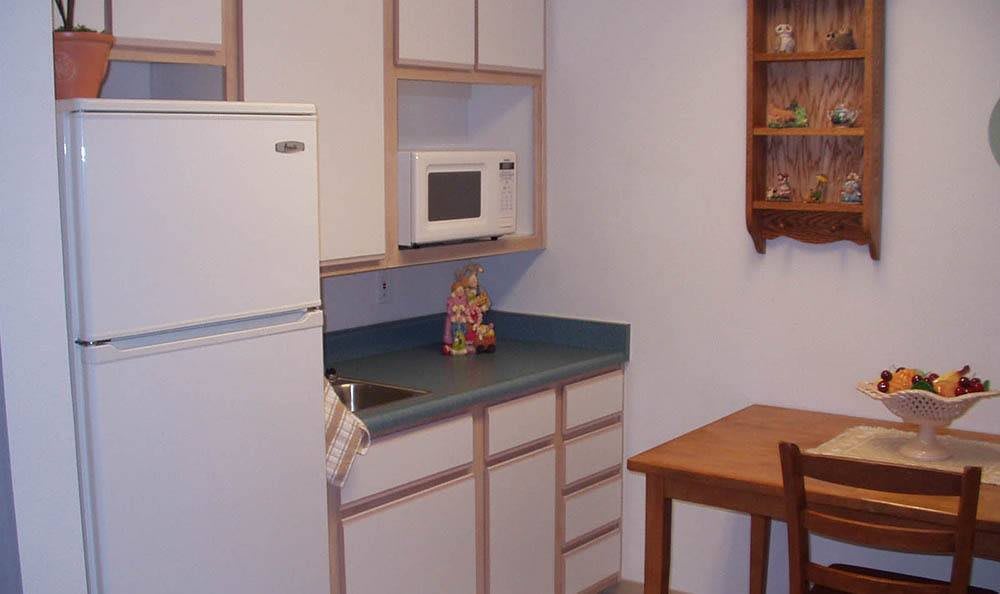
 Kitchenette
 Move-in coordination
 Outdoor common areas
 Private bathrooms
 Respite or short term stays offered
 Restaurant-style dining
 Small library
 Telephone
 Wellness center
 Wheelchair accessible showers
 Wi-Fi/high-speed internet available
 Portland International (17 miles away)
 Community operated transportation
 24-hour call system
 Ambulatory care
 Assistance with bathing
 Assistance with dressing
 Assistance with transfers
 Diabetes diet
 Diabetic care
 High acuity care
 Incontinence care
 Medication management
 Mental wellness program
 Special dietary restrictions
 Bible study group
 Book club
 Concierge services
 Current events club
 Day trips and outings
 Happy hour
 Karaoke
 Live dance or theater performances
 Trivia games
 Wine tasting
 Specialized memory care with 24/7 supervision, ADL assistance, medication management, and cognitive wellness in a fully furnished setting.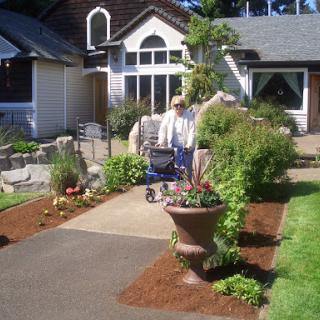



 Assisted Living and Memory Care: Understanding Their Core Differences
 Choosing the Right Senior Care: A Detailed Exploration of Assisted Living and Nursing Homes
 Safeguarding Your Memory Through the Golden Years: Eight Ways to Preserve Cognitive Health