

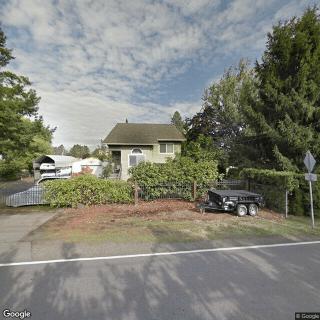
148 Hood Street, Oregon City, OR 97045
For more information about senior living options: (866) 208-4318
Overall Review of Oregon City Health Care Center
Pros
 There is strong camaraderie among the staff.
- The care and well-being of residents is outstanding and shows how much the team cares.
- Friendly faces are present everywhere.
- Visitors are warmly welcomed from the initial phone contact through arrival.
- Clear directions are provided, and visitors are personally escorted to the room where the resident is located.
- After visits, caregivers provide debriefing and clear guidance for the check-out procedure.
Cons
 The facility is described as a dumping ground for families who can't take care of loved ones.
- It is the worst place the reviewer has ever seen and should be shut down.
- Patients are not being cared for properly.
- The environment is described as truly toxic.
Review
Oregon City Health Care Center in Oregon City, OR is best suited for families that prize a hands-on, relational caregiving culture where staff camaraderie translates into visible daily attentiveness. The strongest pull is the sense that caregivers know residents, greet families warmly, and make the intake and visiting process straightforward. When care coordination matters, the facility’s team-oriented atmosphere can feel reliable for loved ones who respond well to friendly faces and consistent staff presence. For residents who enjoy social energy, regular interactions, and clear pathways for questions or check-out, this community offers a workable, accessible home. The caveat for new residents is that the experience appears uneven, with some days staffed by engaged caregivers and other days marked by gaps in attention that undermine trust. This duality should drive careful assessment before committing long-term.
Those who should consider alternatives are families that require unwavering day-to-day attentiveness, safety, and consistently high-quality medical oversight. The most troubling feedback describes neglect, a sense of being a “dumping ground” for families, and impressions of a toxic atmosphere. For residents with high care needs, complex medical schedules, or behavioral challenges, these reports suggest risk beyond acceptable tolerance. If steady, proactive care and predictable staffing are non-negotiables, it is prudent to explore options with stronger, verifiable safety records. For families seeking a consistently calm environment free of persistent complaints, the balance of risk here favors other communities.
On the plus side, strong staff camaraderie and a visible commitment to resident well-being create usable pockets of reliability. A welcoming intake experience and clear guidance on check-in and check-out reduce the friction families often face during transitions. These dynamics matter day to day, supporting basic reassurance for visitors and offering residents a sense of approachable, human contact. Yet these strengths do not fully offset the darker notes in the feedback, which describe neglect and a toxic environment on repeated occasions. In long-term placement, reliability and consistent care outcomes generally outpace warmth and courtesy, making the negative reports a decisive factor for risk-averse families. The balance is real: warmth helps, but consistency and safety must prevail to sustain confidence.
During visits, families should press for a real-time read on staffing, routines, and accountability. Observe interactions between caregivers and residents across shifts, and request specifics about staffing ratios, response times to calls, and how care plans are updated as needs evolve. Validate that residents appear engaged and treated with dignity, not merely assisted. Demand transparency about any incidents and the procedures used to prevent recurrence. Assess the activity calendar to ensure meaningful social engagement aligns with resident interests. In short, demand a direct line of sight into daily practices, not just polished narratives. A candid tour that includes direct contact with front-line staff and a look at common areas can reveal whether praise aligns with practice.
If proceeding, anchor the move to a well-structured trial with explicit milestones and exit options. Require a formal, written care plan that covers medications, meals, mobility assistance, and emergency protocols, plus clear channels for family communication with supervisors. A designated point person, regular family conferences, and a framework for rapid issue resolution should be non-negotiables. Arrange a period of observation or shadowing to compare promised routines with actual practice, and ensure contingencies for staffing changes are documented. The goal is to separate perception from persistent pattern, confirming that the day-to-day environment truly supports the resident’s safety and well-being, not merely comfort during a single visit.
Ultimately, Oregon City Health Care Center can deliver a warm, accessible environment with responsive staff that helps residents feel seen and welcomed. Those strengths matter when social engagement and easy access to caregivers are priorities, and they can support a reasonable quality of life for many residents. However, the repeated, serious concerns about neglect and a perceived toxic climate cannot be ignored. For families prioritizing dependable safety, consistent care, and predictable day-to-day management, exploring strong alternatives is prudent, even if the walk-through left a favorable impression. For those who can tolerate a mixed record in exchange for tangible warmth, a rigorous monitoring plan and strict exit strategy can make this center a viable option, but only with disciplined oversight and clear, measurable expectations. The decision hinges on whether consistent care quality and safety outweigh the genuine, positive human connections that surface in staff interactions.
 53 resident community capacity
 Skilled Nursing Facility
 Air-conditioning
 Beauty salon
 Cable or satellite TV
 Computer center
 Dining room
 Fitness room
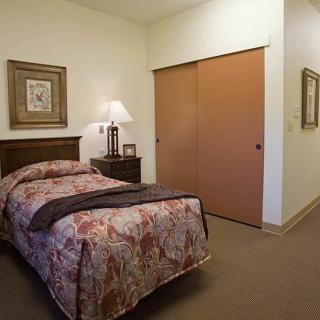
 Fully furnished
 Gaming room
 Garden
 Housekeeping services
 Kitchenette
 Move-in coordination
 Outdoor space
 Private bathrooms
 Restaurant-style dining
 Small library
 Telephone
 Wellness center
 Wi-Fi/high-speed internet available
 Portland International (17 miles away)
 Community operated transportation
 12-16 hour nursing
 24-hour call system
 Activities of daily living assistance
 Assistance with bathing
 Assistance with dressing
 Assistance with transfers
 Diabetes diet
 Medication management
 Mental wellness program
 Special dietary restrictions
 Transportation arrangement (medical)
 Concierge services
 Planned day trips


 Managing Nursing Home Expenses After Medicare Coverage Ends
 Is a Geriatric Care Manager the Right Choice for Your Family?
 Compassionate Conversations: How to Comfort Someone Who Is Grieving