

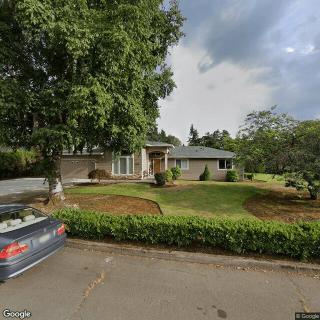
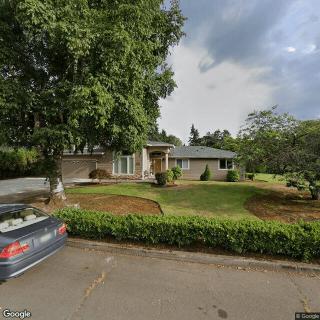
18750 Boynton Street, Oregon City, OR 97045
To contact a resident: (503) 387-3977
For more information about senior living options: (866) 208-4318
Parkview Care Home Costs & Pricing
At Parkview Care Home, the monthly cost for a private room is set at $3,100, which positions it as a more affordable option compared to both Clackamas County and the broader state of Oregon. In Clackamas County, similar accommodations average around $3,373, while the statewide average escalates further to approximately $3,424. This pricing structure demonstrates Parkview Care Home's commitment to providing quality care while remaining competitive in a market where costs can be significantly higher. Residents and their families seeking specialized care will find that Parkview offers not only cost savings but also a warm environment dedicated to the well-being of its residents.
| Floor plans | Parkview Care Home | Clackamas County | Oregon |
|---|---|---|---|
| Private | $3,100 | $3,373 | $3,424 |
Senior living communities with a similar price nearby
-
from -$100 / mo
A Piece of Heaven
$3,000 / month6.3 miles away -
from -$600 / mo

Mapleview Manor, LLC
$2,500 / month6.2 miles away -
from -$100 / mo
Yamhill Senior Care Home
$3,000 / month13.7 miles away -
from -$100 / mo
Peaceful Lighthouse Adult Care Home
$3,000 / month15.7 miles away -
from +$400 / mo
Fulga's ACH
$3,500 / month14.3 miles away
Overall Review of Parkview Care Home
Pros
 The community has been wonderful.
- They really like the warm, homey environment it has.
- That was the big reason they chose this community.
- They feel really comfortable with the staff.
- The staff meet everything they had hoped for for their loved one.
Review
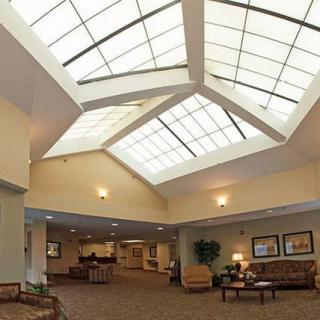
Parkview Care Home in Oregon City is best suited for families seeking a small, home-like setting where a loved one can receive attentive, personalized care from staff who appear genuinely invested. The core appeal lies in a cozy, non-clinical atmosphere that supports a sense of belonging and continuity. Residents benefit when caregivers know their preferences, routines, and triggers, and when daily life feels more like a comfortable home than a formal institution. This setting works particularly well for seniors who value predictability, close relationships with caregivers, and a calm pace. Those needing extensive on-site medical services, robust memory-care programs, or a bustling, activity-filled campus may want to look elsewhere.
From the review, the environment stands out as warm and homelike, with a small-scale feel that invites trust. A resident or family member can feel confident in staff familiarity and responsiveness, which translates into smoother transitions, quicker assistance, and a sense that the care plan is being followed closely. The comfort factor reduces anxiety around daily needs, meals, and routine activities. In practical terms, this means visitors encounter less institutional rigidity and more opportunities for meaningful interaction, with staff able to tailor the day around preferences rather than forcing residents into a one-size-fits-all schedule. The outcome is daily living that resembles a preferred home rhythm rather than a clinical calendar.
Care relationships emerge as the strongest asset. The reviewer emphasizes comfort with the staff and confidence that they meet expectations, suggesting a level of reliability that small settings can harbor. In a smaller home, caregivers often juggle fewer residents each shift, enabling closer monitoring, quicker response times, and a greater willingness to adjust care tasks on short notice. Family members typically appreciate direct access to the same caregivers, fostering continuity for medical needs, meals, and leisure preferences. This degree of personalization can translate into improved safety, reduced misunderstandings, and a stronger sense of security for residents who rely on consistent hands-on assistance.
Yet the same scale that underpins warmth may limit certain resources. A compact home may not offer the same breadth of on-site services, specialized programming, or clinical oversight found in larger facilities. For residents requiring high-level medical coordination, complex therapy schedules, or a diverse lineup of activities and excursions, Parkview’s intimate footprint could feel constraining. Staffing patterns, while dependable, can also be more variable if a small team is stretched thin or if turnover occurs. Families should weigh whether the daily routine and intimate attention compensate for any gaps in services relative to bigger communities.
Decision-making should focus on concrete factors during visits. Request details on staffing ratios, consistency of assignments, and how care plans are created and updated. Observe interactions between staff and the resident to assess responsiveness, warmth, and respect. Inquire about meal quality, sleep routines, safety measures, and how transportation to appointments is managed. Consider proximity to family, cost structures, and what level of care is included versus add-ons. For a resident who values a home-like atmosphere and steady caregiving, Parkview offers compelling alignment; for those who require more robust clinical resources or a wider social program, alternatives deserve comparison.
Overall, Parkview Care Home delivers a compelling case for a warm, intimate living arrangement where care staff are trusted partners in daily life. The right fit is a resident who thrives on routine, personal attention, and visible caregiver engagement, with a family that appreciates open lines of communication. For families prioritizing a nurturing, home-centered environment, Parkview holds strong appeal. Conversely, those who anticipate needing expansive medical services, rich organized activities, or a broad spectrum of therapies should chart other paths, or at least visit with a clear list of what’s available on site to confirm whether Parkview can close any potential gaps.
 Board and Care Home
 Activities off-site
 Indoor common areas
 Outdoor common areas
 Private
 Private bathrooms
 Wheelchair accessible showers
 Portland International (18 miles away)
 Diabetic care
 High acuity care
 Incontinence care
 Meals provided
 Christian services


 Comprehensive Exploration of Living Wills and Other Advance Directives
 A Detailed Exploration of Living Wills and Advance Directives
 Comprehensive Guide to Medicare Coverage for Hospice Care