
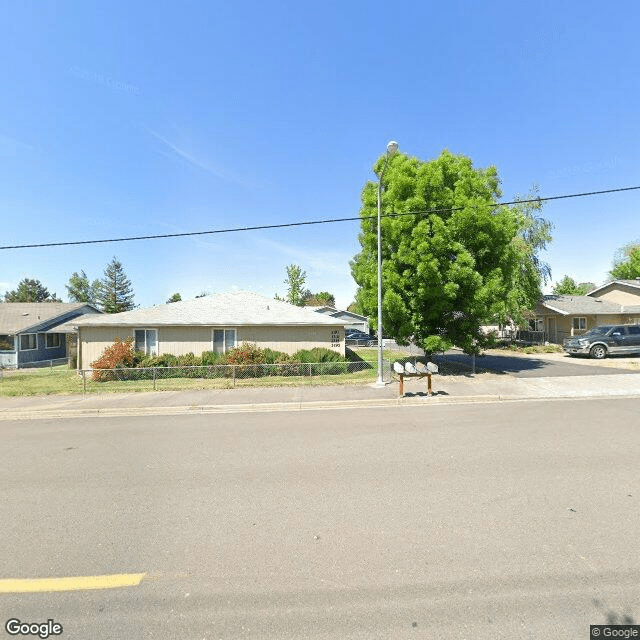
3195 Delta Waters Rd., Medford, OR 97504
To contact a resident: (541) 772-4247
For more information about senior living options: (866) 208-4318
Welcome Home AFH Costs & Pricing
Welcome Home AFH offers competitive pricing for its private rooms at $3,000 per month, positioning itself as an appealing option in both Jackson County and across Oregon. In comparison, the average cost in Jackson County stands at $3,899, while the statewide average is slightly lower at $3,424. This makes Welcome Home AFH not only a cost-effective choice but also highlights its commitment to providing quality care without compromising on value. For families seeking affordable yet supportive living arrangements for their loved ones, Welcome Home AFH presents a compelling alternative amidst the higher prevailing rates in the region.
| Floor plans | Welcome Home AFH | Jackson County | Oregon |
|---|---|---|---|
| Private | $3,000 | $3,899 | $3,424 |
Senior living communities with a similar price nearby
-
from +$200 / mo
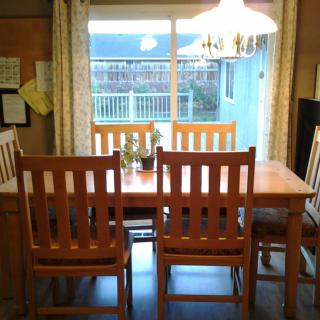
Spring Lily Adult Foster Home
$3,200 / month8.3 miles away -
from +$192 / mo
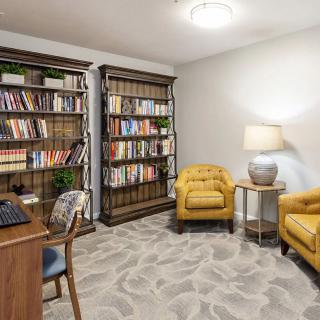
Suncrest Place
$3,192 to $5,502 / month8.0 miles away -
from -$250 / mo
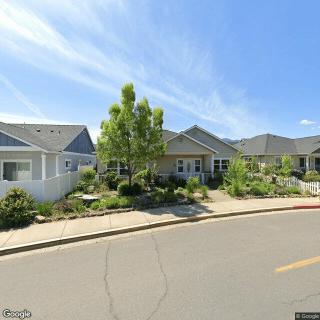
Suncrest Senior Care Home
$2,750 to $3,450 / month8.1 miles away -
About the same

Northridge Center
$2,975 to $4,173 / month5.2 miles away -
About the same
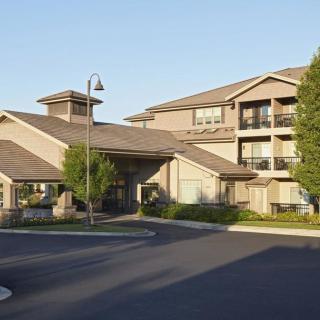
The Springs at Veranda Park
$2,995 to $4,995 / month1.2 miles away
Overall Review of Welcome Home AFH
Pros
 Sunset House provides wonderful care for residents with Alzheimer’s.
- The staff are kind, helpful, and attentive.
- Sunset House feels like a home and a family.
- The care is highly personalized and compassionate.
- Residents receive regular exercise, enrichment, and good nutrition with warmth and caring.
- Communication with the staff is excellent.
- Families are grateful to have Sunset House and would recommend it to others.
Cons
Review
This community is best suited for families facing Alzheimer’s disease or other dementias who want a small, home-like setting in Medford where care feels personal, responsive, and consistent. The two 5-star reviews describe Sunset House as more of a family home than a cold institution, with caregivers who know residents’s names, histories, and preferences. That intimate tone matters greatly for memory care, where predictable routines and trusting relationships can slow withdrawal and agitation. For families that prize warmth, individualized attention, and daily engagement over clinical density, this option stands out. Those whose loved one requires intensive medical protocols, hospital-like oversight, or a broader menu of on-site clinical services may want to explore alternatives with a larger care footprint and more specialized resources.
The strongest, most repeatable positives center on people and atmosphere. Staff are portrayed as kind, helpful, and consistently present, creating a sense of belonging and safety. The environment feels less like a facility and more like a home where staff members become part of the resident’s daily life. Personalization is explicit, care plans appear tailored to individual needs, habits, and preferences rather than fit-to-a-script care. Beyond supervision, the care includes regular opportunities for physical activity and enrichment, along with meals that emphasize good nutrition delivered with warmth. That combination, human warmth plus practical routines, cultivates calm, dignity, and ongoing engagement for someone navigating memory decline.
These advantages offset the typical trade-offs inherent in smaller AFH-style operations. In a setting where staff build deep relationships with each resident, the downsides of a more intimate scale, such as fewer on-site specialists or limited 24/7 medical depth, are mitigated by attentive, proactive caregiving and strong lines of communication. The reviews underscore dependable communication with families, a factor that reduces uncertainty and caregiver burden. When a resident’s day is filled with purposeful activity, regular exercise, and steady nutrition, the absence of a large, hospital-like service array becomes less consequential. The result is a care experience that feels consistently reliable, even if the footprint is modest.
Communication stands out as a practical pillar of confidence for families evaluating options. Staff updates, responsiveness, and the visible effort to help the resident remain active and engaged create reassurance. The combination of clarity and compassion helps families stay connected to the care plan and to progress or setbacks in a manner that’s actionable rather than alarming. For families, seeing concrete routines, daily exercise, enrichment activities, predictable meal times, translates into real peace of mind. In dementia care, that style of open, frequent communication is often the element that differentiates a good choice from a great one.
A thoughtful decision will acknowledge who might want alternatives. If the loved one requires robust, hospital-grade medical oversight, a wider array of specialized therapies, or access to a broad network of ancillary services, a larger memory-care campus or skilled-nursing environment could be more appropriate. For those prioritizing clinical intensity, medical complexity management, or highly structured syndrome-specific programming, it’s prudent to compare options with more on-site medical staff and partner facilities. Smaller AFH settings excel in warmth and personalization, but the trade-off is a schedule and resource mix that may be less comprehensive than larger facilities.
In the end, the profile that emerges is clear: for dementia care in Medford that emphasizes a homey ambiance, attentive staffing, individualized care, and transparent family engagement, the Sunset House model described in the reviews offers compelling value. Prospective families should plan a firsthand visit to observe caregiver interactions, ask about daily routines, confirm staff-to-resident ratios, and explore how care plans adapt as needs evolve. If warmth, continuity, and daily enrichment matter most, this approach provides a practical, effective path for maintaining dignity and connection in the journey through Alzheimer’s.
 Board and Care Home
 Activities on-site
 Beautician on-site
 Devotional services on-site
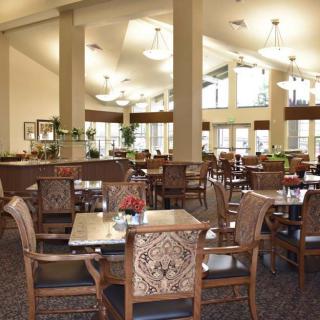
 Indoor common areas
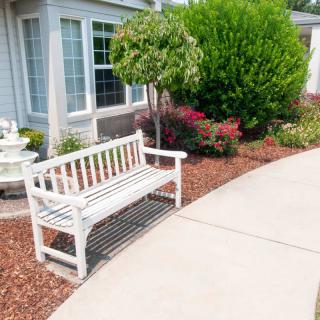
 Outdoor common areas
 Private
 Private bathrooms
 Respite or short term stays offered
 Wheelchair accessible showers
 Rogue Valley International (2 miles away)
 Diabetic care
 High acuity care
 Incontinence care
 Medication management
 Meals provided

 A Comprehensive Exploration of Common Misunderstandings about Powers of Attorney
 Senior Move Management: Understanding the Role, Value, and Associated Costs
 Weight Training for Seniors: Building Strength and Vitality