
3465 Lone Pine Road, Medford, OR 97504
For more information about senior living options: (866) 208-4318
Overall Review of Bartlett House Of Medford Memory Care Community
Pros
 The care team is exceptional.
- Residents feel loved and safe there.
- The staff is good and responsive.
- The facility has a good reputation among therapists.
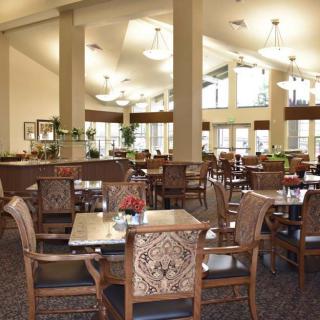
- The food is high quality and fresh.
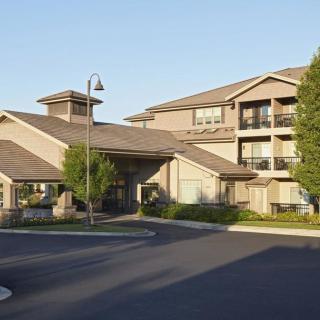
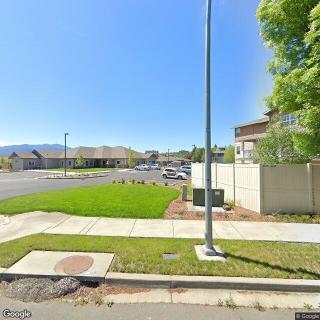
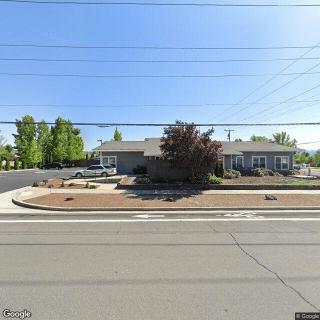
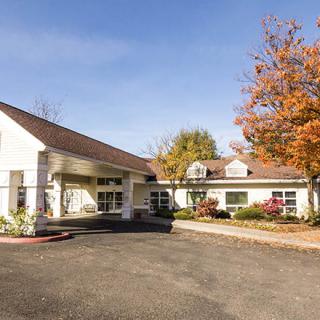
- The surroundings are beautiful with well-kept landscaping and a secure backyard.
- The setting is small, simple, and focuses on activities.
Cons
 They were disappointed when a business placed an XL grocery order and did not tip.
- They questioned how that behavior could support the community.
Review
Bartlett House of Medford Memory Care Community is best suited for families seeking a small, intimate memory-care setting where residents receive highly personalized attention, and where staff relationships feel familial rather than formal. This community shines for those who value quick, hands-on responsiveness, a calm home-like atmosphere, and a strong emphasis on daily living quality, especially in dining, safety, and engaging activities. With a footprint of roughly fifteen to sixteen residents, it offers a level of individualized care that larger facilities often struggle to match, making it a strong choice for residents who thrive on routine, familiarity, and close oversight.
At the same time, families should consider alternatives if a resident requires broader clinical resources, more expansive programming, or a larger social ecosystem. The small scale, while a strength for personalization, inherently subjects the operation to tighter resource pools. If memory-support needs evolve toward intensive medical oversight, frequent access to a wider range of therapies, or a robust, varied calendar of social opportunities, a larger memory care community or a facility with more on-site specialists may be a better fit. Prospective movers should align expectations with what a compact campus can and cannot deliver.
The strongest pros, exceptional management, attentive nursing and staff, and a focus on tangible quality, begin to offset the potential drawbacks. Families repeatedly praise the staff’s responsiveness and the sense that loved ones are treated with care and compassion. The facility’s small size fosters direct communication with leadership and care teams, which can translate into quicker problem resolution and a more consistent care plan. The dining program stands out as a notable strength: meals are described as high-quality, fresh, and thoughtfully prepared, reinforcing both appetite and morale. The secure backyard and well-kept landscaping contribute to a safe, pleasant environment that supports outdoor activity and reminiscence, a meaningful component in memory care.
Environmental advantages pair with an already solid care framework. The property’s nurturing atmosphere, combined with a careful emphasis on activities, helps residents stay engaged without overwhelming them. A favorable impression from therapists who have relied on Bartlett House for clients reinforces the notion that the staff and management understand memory-care dynamics and client needs. The setting’s small scale makes it easier to tailor routines, monitor memory-decline indicators, and respond to changes in mood or cognition with agility. For families weighing day-to-day quality of life and quiet, predictable routines, these elements are compelling.
One caveat to weigh is a negative anecdote concerning business practices around tipping for large orders, which, while not a direct measure of care quality, signals a potential cultural nuance in operation. This should not be dismissed, as transparency and alignment on staff compensation and tipping expectations can impact morale and ongoing service quality. Prospective residents and families would do well to ask direct questions about financial practices, staff pay structures, and how the community supports its team. The existence of such a review alongside multiple glowing accounts suggests a care environment that largely prioritizes residents, but it also underscores the need for clarity on operational ethics.
In making a decision, focus on fit: a resident who will benefit from intimate, attentive care, predictable routines, and high-quality meals will likely flourish here. Schedule visits to observe direct interactions, notice how staff talk with residents, how quickly questions are answered, and whether the environment feels calm and safe. Inquire about resident-to-staff ratios, the specific memory-care programming, and how activities are tailored to cognitive needs. If the goal is a warm, small-community feel with top-tier caregiving and strong family communication, Bartlett House stands out; if the requirement list includes extensive clinical resources, diverse programming, or a larger social network, it’s wise to evaluate larger facilities as well.
 15 resident community capacity
 Assisted Living
 Board and Care Home
 Memory Care
 Cable or satellite TV
 Dining room
 Fully furnished
 Garden
 Housekeeping services
 Move-in coordination
 Outdoor space
 Telephone
 Wi-Fi/high-speed internet available
 Rogue Valley International (3 miles away)
 24-hour supervision
 Activities of daily living assistance
 Assistance with bathing
 Assistance with dressing
 Assistance with transfers
 Diabetes diet
 Hospice waiver
 Meal preparation and service
 Medication management
 Mental wellness program
 Special dietary restrictions
 Transportation arrangement (medical)
 Transportation to doctors appointments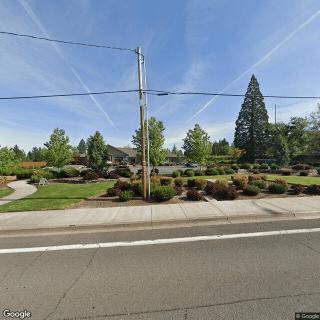

 Understanding Dementia Through Its Seven Stages: A Comprehensive Look at Progression and Expectations
 A Holistic Dementia Care Guide: Effective Strategies for Memory Support
 Memory Care Pathways: A Holistic Guide to Dementia Support