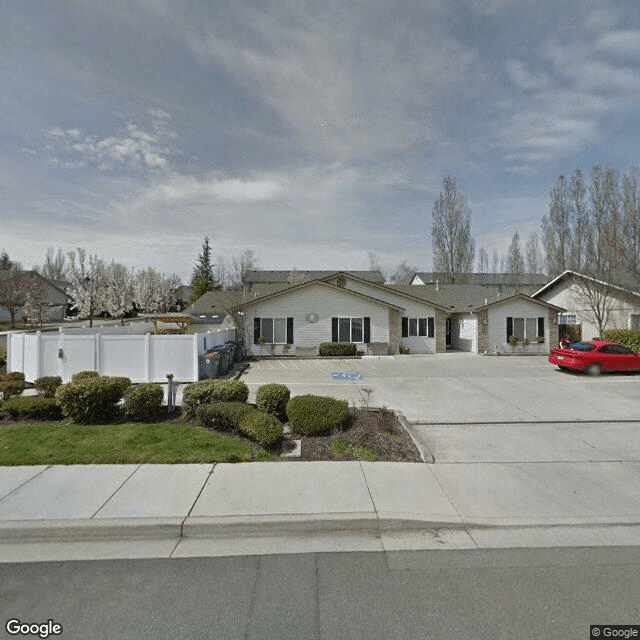
3853 Arrowhead Drive, Medford, OR 97504
For more information about senior living options: (866) 208-4318
Ashley Manor Arrowhead Costs & Pricing
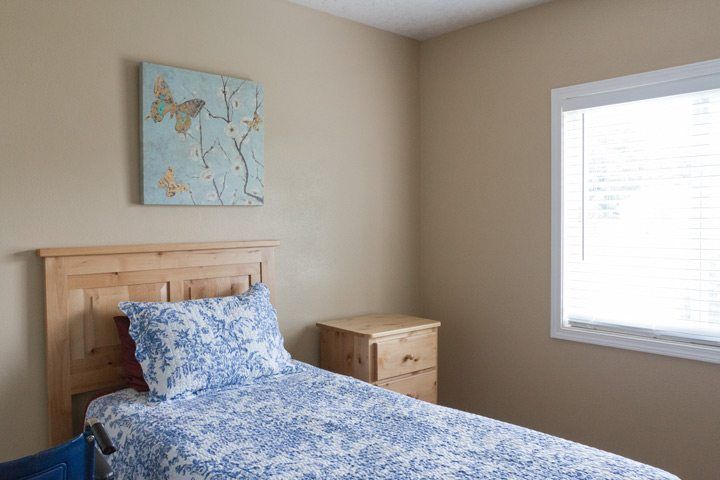
Ashley Manor Arrowhead offers competitive monthly costs for its accommodations, with both studio and private rooms priced at $4,100. When comparing these rates to Jackson County, the facility's pricing aligns closely with the county's average for studio rooms at $4,239 but is notably higher for private rooms than the county's average of $3,899. On a broader scale within Oregon, Ashley Manor's costs exceed the statewide averages significantly - $3,815 for studios and $3,424 for private rooms - highlighting its positioning as a premium care option in the area. Overall, while Ashley Manor Arrowhead's rates are on the higher side relative to state and county averages, they reflect a commitment to quality care and services that residents can expect during their stay.
| Floor plans | Ashley Manor Arrowhead | Jackson County | Oregon |
|---|---|---|---|
| Studio | $4,100 | $4,239 | $3,815 |
| Private | $4,100 | $3,899 | $3,424 |
Memory care communities with a similar price nearby
-
from -$580 / mo
Arbor House Of Grants Pass
$3,520 to $3,780 / month24.2 miles away -
About the same

Weatherly Court
$3,995 to $5,995 / month2.6 miles away -
from -$200 / mo

Prestige Senior Living Arbor Place
$3,900 to $5,000 / month4.4 miles away -
About the same
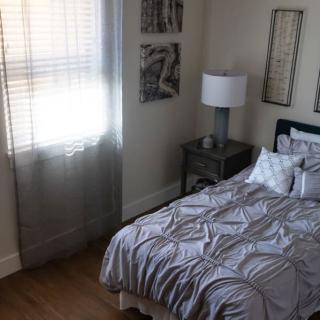
Pear Valley Senior Living
$3,995 to $4,995 / month3.9 miles away -
from +$510 / mo
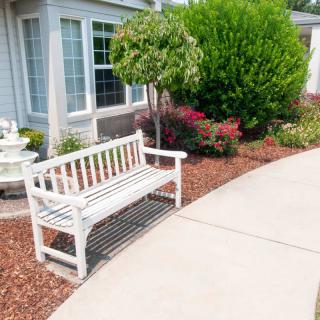
Farmington Square Medford
$4,610 to $5,565 / month1.9 miles away
Overall Review of Ashley Manor Arrowhead
Pros
 The staff are caring and helpful to all residents.
- They treat residents with respect and dignity, like family.
- They go above and beyond to create a well-rounded community with engaging activities.
- They invite family members to participate in special occasions and holidays.
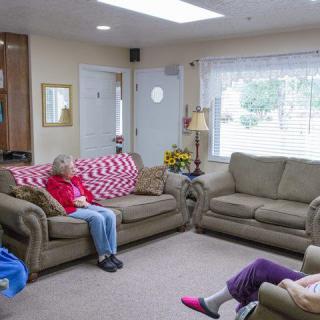
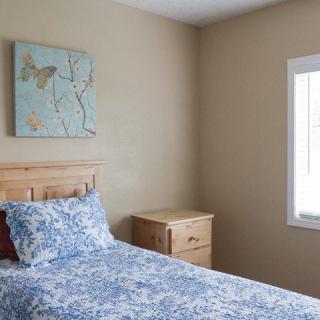
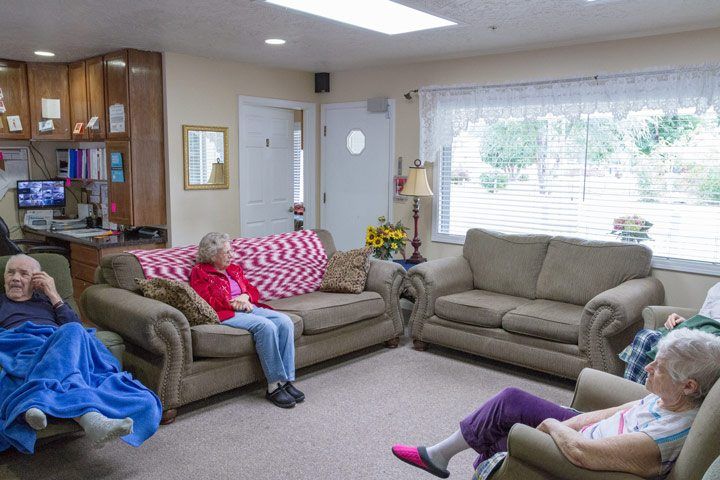
- The environment is clean, comfortable, and welcoming.
- They provide person-centered care that adapts to each resident’s changing needs.
- The staff listen to concerns and address them properly, keeping families informed.
Cons
 The company did not tip the Walmart/Uber Eats delivery driver, paying only the fare for a large order.
- The administrator was cold and short with the family and seemed agitated.
- Ashley Manor was not memory care and had building closures and other problems.
- There were too many residents with special needs, leading to insufficient attention for others and causing a resident to fall through the cracks.
- The business was accused of lining its pockets instead of caring for residents (and not tipping service workers).
- The administrator smelled like cigarettes.
Review
Ashley Manor Arrowhead in Medford is best suited for families seeking a memory-conscious, person-centered home-like environment where staff treat residents with genuine dignity and families stay actively engaged in care decisions. This community clearly shines for residents who need daily supervision, structured activities, and caregivers who can adapt routines as needs shift. Reviews consistently describe a staff that is warm, respectful, and committed to creating a sense of belonging, what feels like a true “PLC family” rather than a cold institution. The emphasis on inviting families to participate in celebrations and on keeping lines of communication open makes it an attractive option for those who want to stay closely connected to their loved one’s day-to-day life. Those prioritizing a simpler, lower-acuity space or abundant outdoor time may want alternatives.
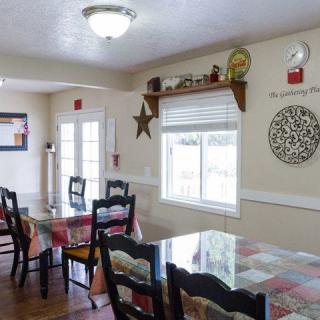
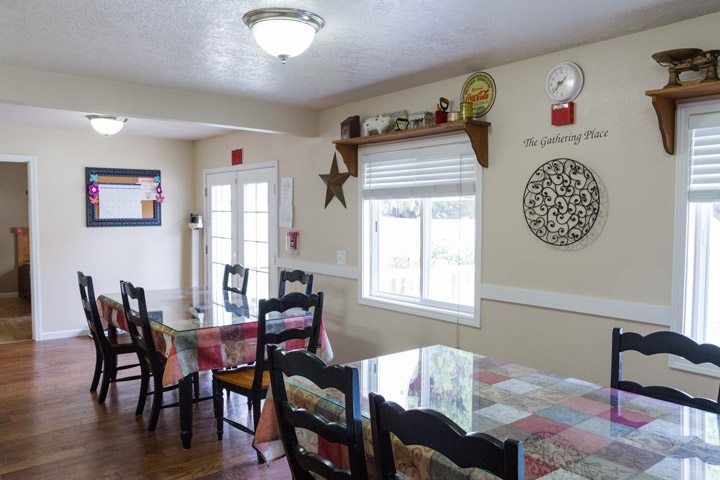
On the strengths side, the most persuasive factor is staff warmth and teamwork. Residents are described as receiving attentive, person-centered care in a clean, comfortable setting with well-maintained common areas. Meals are noted as balanced and homemade, and activities are frequent enough to sustain engagement for memory-impaired and higher-need residents alike. Families repeatedly report that caregivers listen, address concerns, and advocate effectively, which translates into confidence that care plans stay aligned with evolving needs. The overall atmosphere, dignified treatment, consistent routines, and visible affection among staff, contributes to a sense of stability that families value when navigating memory-care decisions.
Yet, there are meaningful caveats. A recurring theme is that care can feel stretched when the community fills up or when many residents carry high levels of need. Several reviews warn that not every resident receives equal attention, particularly those without urgent demands who still require regular one-on-one time. Interpersonal friction at the administrative level appears in at least one account, underscoring how leadership demeanor can color family trust even when direct care teams perform well. Another practical concern is whether the facility truly operates as memory care in the eyes of regulators; one reviewer urges prospective families to confirm memory-care endorsements rather than relying on advertising. Outdoor space is described as modest, a consideration for families who value outdoor time or securing a change of scenery.
Those cons do not erase the core advantages. The documented strength of caring staff, a welcoming, family-involved culture, and transparent communication can offset occasional leadership friction and the crowding of higher-acuity residents. When care teams respond quickly to concerns and adjust plans to reflect preferences, the risk of drift diminishes and trust grows. Cleanliness, consistently good meals, and an environment that supports social interaction reinforce quality of life for residents who rely on structure and meaningful activities. For families, the combination of stable routines and authentic relationship-building often translates into less daily stress and more confidence in the ongoing care trajectory.
For families weighing options, some red flags point toward alternatives. If outdoor space and access to tranquil, expansive days outdoors are non-negotiable, or if the resident’s needs skew toward lower acuity with less memory-care emphasis, another setting may fit better. If leadership warmth, consistency in administrative communication, and a clearly verified memory-care scope are paramount, it is prudent to visit multiple times, speak with current residents and families, and demand straightforward answers about memory-care endorsements. This due diligence helps ensure the chosen community aligns with both the resident’s cognitive-care plan and the family’s expectations for daily life.
In the end, Ashley Manor Arrowhead offers a compelling blend of compassionate staff, inclusive family practices, and practical, home-like care that suits memory-care needs when a structured, engaging environment is paramount. It is a strong match for families who value dignity, clear communication, and a warm community over a pristine, sunlit campus with abundant outdoor space. Those who accept the possibility of attention gaps during peak periods, or who require a more expansive outdoor setting, should thoughtfully explore alternatives. The decision should hinge on direct observation, candid conversations with front-line caregivers, and a careful check of regulatory endorsements to confirm that the care model truly fits the resident’s needs.
 11 resident community capacity
 Assisted Living
 Board and Care Home
 Memory Care
 Cats allowed
 Dogs allowed
 Activities off-site
 Cable or satellite TV
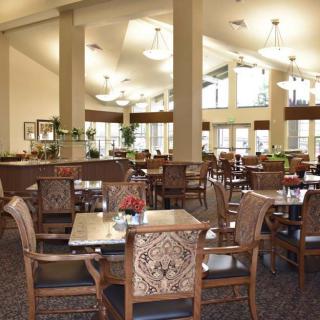
 Dining room
 Fully furnished
 Garden
 Housekeeping services
 Indoor common areas
 Move-in coordination
 Outdoor common areas
 Private
 Respite or short term stays offered
 Telephone
 Wheelchair accessible showers
 Wi-Fi/high-speed internet available
 Rogue Valley International (1 miles away)
 24-hour supervision
 Ambulatory care
 Assistance with bathing
 Assistance with dressing
 Assistance with transfers
 Diabetes diet
 Diabetic care
 High acuity care
 Incontinence care
 Meal preparation and service
 Medication management
 Special dietary restrictions
 Transportation arrangement (medical)
 Transportation to doctors appointments



 Choosing the Right Senior Care: A Detailed Exploration of Assisted Living and Nursing Homes
 Safeguarding Your Memory Through the Golden Years: Eight Ways to Preserve Cognitive Health
 Comprehensive Insights into Activities of Daily Living (ADLs) and Their Assessment