
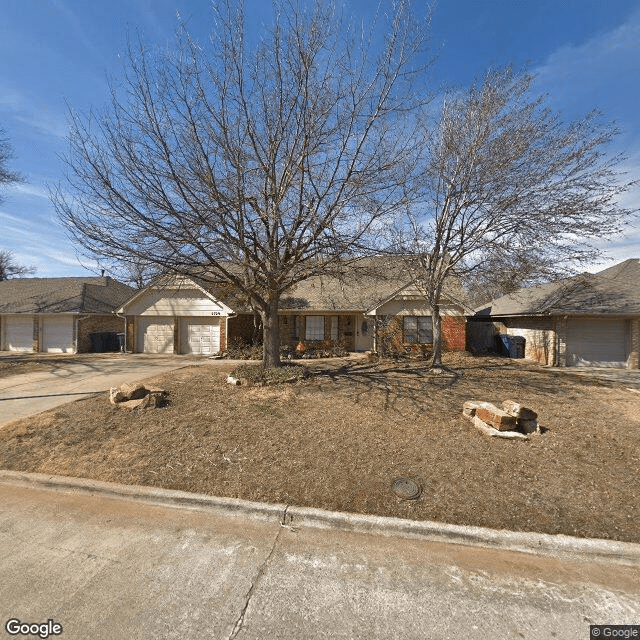
5729 NW 82nd Street, Oklahoma City, OK 73132
To contact a resident: (405) 812-3966
For more information about senior living options: (866) 208-4318
Remember When Assisted Livings, LLC Costs & Pricing
Remember When Assisted Livings, LLC offers a private room for $5,400 per month, positioning itself competitively within the local market. In Oklahoma County, the average monthly cost for similar accommodations is slightly higher at $5,637, while the statewide average stands at a more affordable $4,618. This pricing structure indicates that Remember When Assisted Livings is striving to provide quality care at a price point that remains accessible without compromising on services offered to residents. The facility appears to balance between local demand and statewide trends in assisted living costs, potentially making it an attractive option for families seeking personalized care in a comfortable setting.
| Floor plans | Remember When Assisted Livings, LLC | Oklahoma County | Oklahoma |
|---|---|---|---|
| Private | $5,400 | $5,637 | $4,618 |
Senior living communities with a similar price nearby
-
About the same
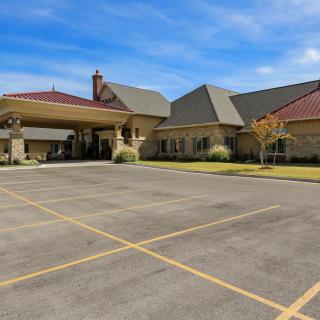
Legend at Rivendell Memory Care
$5,395 to $6,295 / month15.4 miles away -
from +$800 / mo
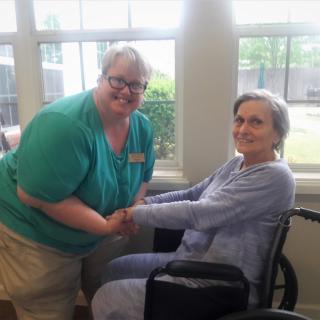
Arbor House Reminisce, LLC
$6,200 / month24.1 miles away -
from -$630 / mo
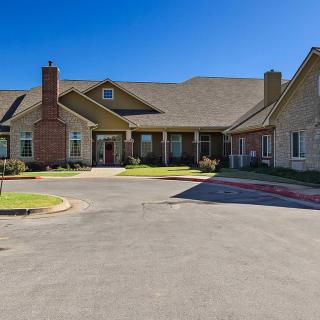
Legend at Council Road
$4,770 to $6,705 / month3.0 miles away -
from -$605 / mo

Jasmine Estates of Oklahoma City
$4,795 to $6,295 / month13.8 miles away -
from -$650 / mo
Iris Memory Care of Nichols Hills
$4,750 to $6,300 / month2.9 miles away
Overall Review of Remember When Assisted Livings, LLC
Pros
 Remember When is a blessing for residents and their families.
- Remember When is a home with five rooms and on-site licensed personnel available at all times.
- Residents receive wonderful personal care that spoils them for other facilities.
- The environment is homey, with access to the whole house anytime.
- The staff have gone above and beyond to meet residents' needs.
Review
Remember When Assisted Livings, LLC is best suited for families seeking an ultra‑personal, highly supervised setting for a senior who needs substantial daily assistance but wants a true home atmosphere rather than a large, institutional campus. The community operates with room for only five residents, and licensed personnel are present on site at all times, creating a model that prioritizes safety, continuity of care, and intimate daily interaction. For a frail elder with complex medical needs, such as brittle diabetes, the arrangement delivers hands‑on, consistent attention that is often hard to obtain in bigger facilities. In short, this is the option for families who value a caregiver rapport that feels more like a trusted family member than a facility staff member.
Those weighing alternatives should consider the trade‑offs inherent in a five‑resident home. If the goal is a broad social calendar, a wide peer group, or a formal program of activities across a larger campus, this setting may feel too quiet or limited. For seniors requiring specialized memory‑care programming, regular physical therapy, or highly structured outings, another community with more expansive services may be a better fit. Cost considerations can also tilt toward larger, multi‑wing facilities, where economies of scale sometimes produce lower per‑resident rates. Families seeking generous on‑site amenities, diverse dining options, or frequent organized excursions may want to explore those options before committing.
The strongest pros here revolve around the care philosophy and the intimate environment. On‑site licensed personnel provide immediate medical oversight and medication management, which translates into reassurance for families and clearer continuity for residents. The homey layout, with private rooms and all common areas readily accessible, reduces the clinical feel and supports a sense of autonomy within a secure framework. Caregivers can form deep, consistent relationships with residents, enabling personalized attention that can adapt quickly to changing needs. Families consistently note that the care exceeds expectations and has a meaningful, sustained impact on their loved one’s daily comfort and well‑being.
Conversely, the compact scale naturally limits certain advantages of larger homes. The small resident population means a tighter social circle, fewer built‑in peers for casual interaction, and activity calendars that lean toward individualized planning rather than a broad, community‑wide slate. Staffing, though qualified and devoted, operates with a leaner footprint than larger facilities, which can constrain scheduling flexibility and redundancy during busy periods. For families, this means a high degree of predictability and intimacy comes at the cost of breadth, less spontaneous company, fewer simultaneous programs, and a pace that may not satisfy someone craving constant, diverse engagement.
Yet the favorable elements more than offset these constraints for the right resident. The constant licensed presence and tight caregiver engagement directly address medical and safety concerns, especially for complex conditions where daily oversight matters. The home environment cultivates comfort, reduces the clinical distance many seniors feel in larger settings, and simplifies family participation in daily routines. When a loved one needs meticulous attention to nutrition, medications, and early signs of illness, the model delivers a level of assurance that is rare in bigger communities. This is not merely care; it is a highly curated living experience that honors dignity, independence, and relational continuity.
In the end, the decision hinges on priorities. If the aim is an exceptionally personalized, relationship‑rich care experience with continuous licensed support in a genuinely home‑like setting, Remember When stands out as a compelling choice in Oklahoma City. It excels for families convinced that intimate attention, rapid response, and strong caregiver bonds trump the breadth of activities or the breadth of social options found in larger facilities. For those whose loved one demands more expansive programming, a wider social network, or a wider range of therapeutic services, alternatives should be explored. A thoughtful visit, asking about daily schedules, caregiver turnover, emergency protocols, and how care plans are crafted, will reveal how well this boutique model aligns with the specific needs and expectations of the resident and family.
 Board and Care Home
 Activities off-site
 Beautician on-site
 Devotional services on-site
 Indoor common areas
 Outdoor common areas
 Private
 Respite or short term stays offered
 Wheelchair accessible showers
 Will Rogers World (11 miles away)
 Ambulatory care
 Diabetic care
 High acuity care
 Incontinence care
 Medication management
 Kosher


 Navigating the Financial Road to Nursing Home Care: In-Depth Guidance and Resources
 Supportive Employee Benefits That Help Caregivers Attain Better Work-Life Harmony
 Top Cars for Senior Drivers and Essential Safety Innovations