At Legend at Council Road, the monthly costs for accommodations reflect a premium offering compared to the local and state averages. The price for a one-bedroom unit stands at $4,770, significantly higher than the Oklahoma County average of $3,467 and the state average of $3,565. For those seeking a studio apartment, the cost is even more pronounced at $6,705, which exceeds both the county's average of $3,717 and Oklahoma's overall average of $3,629. These figures suggest that while Legend at Council Road provides desirable amenities and services, it positions itself firmly in the higher end of the market within both Oklahoma County and across the state.
Floor plans
Legend at Council Road
Oklahoma County
Oklahoma
1 Bedroom
$4,770
$3,467
$3,565
Studio
$6,705
$3,717
$3,629
Skilled Nursing Facilities with a similar price nearby
Residents consistently describe a packed schedule of activities and outings.
Many reviews point to activities as a core part of day-to-day life, with residents attending bingo, crafts, movie nights, and regular exercise. Several families also mention organized programming through an activities director, including devotional or educational-style offerings and outings. A few reviews also say activities could be improved at times, especially around education and variety, but the overall theme is that there is a lot to do.
common12 reviews mention this
Clean, well-kept facilities
Multiple reviewers highlight that the building is clean and inviting.
Cleanliness comes up repeatedly, with reviewers describing a facility that looks well maintained, feels welcoming, and is kept tidy day to day. Families also reference clear, modern presentation during tours and note that common areas and dining spaces feel organized. While one review raises concerns about care experiences, it does not describe poor cleanliness as the main issue.
caveat8 reviews mention this
Dining quality varies by review
Dining reviews range from positive meals to repeated complaints about food.
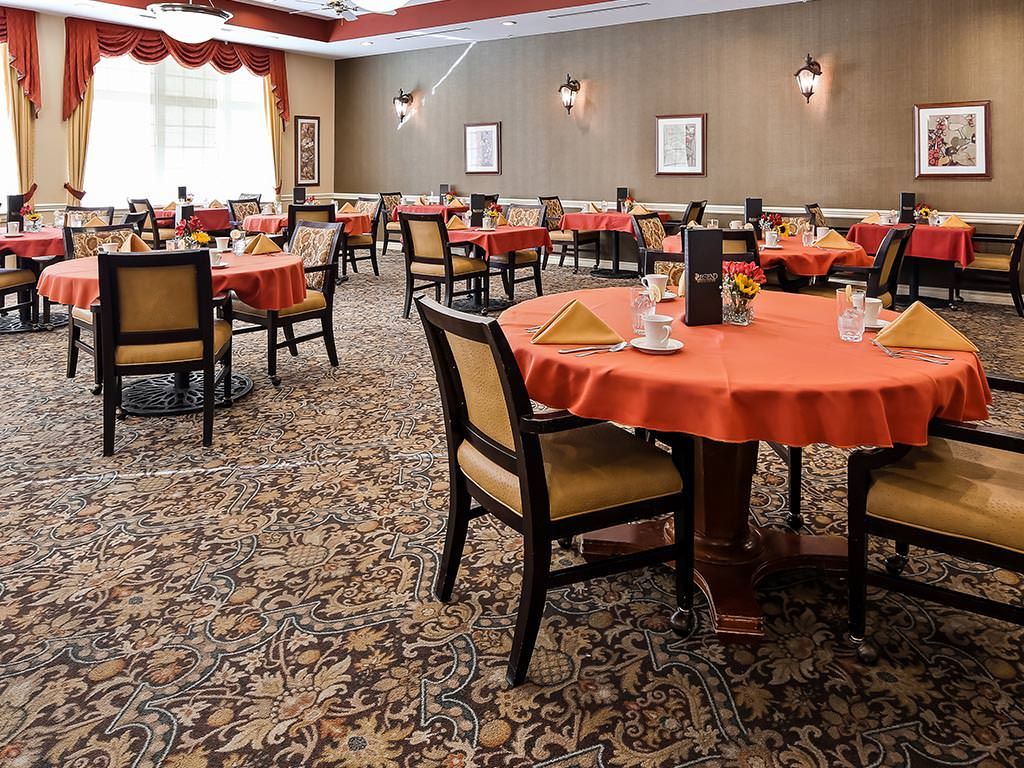
Some residents and families describe good meals and a pleasant restaurant-style dining environment, including dessert options at community events. Other reviewers are less satisfied, calling the food awful or average and mentioning kitchen or service problems that affected quality. There are also suggestions about meal handling, like making sure allergy information is readily available.
caveat4 reviews mention this
Concerns about medication and staffing
Some reviews describe serious problems with supervision, medication, and follow-through.
A small number of reviews report major care breakdowns, including claims of overmedication and incidents involving falls and injuries. In at least one detailed account, the reviewer describes delays in getting help and medication timing issues, including disputes about what was administered. Other reviews acknowledge strong nursing leadership and attentive care, but they also include a concern that night staffing can be thin in memory care settings.
How we summarize
Counts show how many written reviews mention each theme; a review can touch several themes, and only frequently mentioned themes are displayed.
Features
Housing
1-bedroom apartments
Studio apartments
Types of Care
Assisted Living
Memory Care
Skilled Nursing Facility
Pets
Cats allowed
Dogs allowed
Amenities
Activities off-site
Activities on-site
Air-conditioning
Beautician on-site
Cable or satellite TV
Devotional services on-site
Dining room
Financing advice
Full kitchen
Fully furnished
Garden
Ground floor units
Guasts at mealtime
Guest parking
Handicap accessible
Hiking trails
Housekeeping services
Indoor common areas
Kitchenette
Laundry
Move-in coordination
Outdoor common areas
Outdoor space
Overnight guests
Party space
Private cleaning services
Resident parking
Respite or short term stays offered
Spa
TV room
Telephone
VA Benefits Consultation
Wheelchair accessible showers
Wi-Fi/high-speed internet available
Transportation
Will Rogers World (14 miles away)
Transportation & parking
Care Services
24-hour supervision
Activities of daily living assistance
Ambulatory care
Assistance with bathing
Assistance with dressing
Assistance with transfers
Coordination with health care providers
Dementia waiver
Diabetes diet
Diabetic care
Hospice waiver
Incontinence care
Meal preparation and service
Medication management
Mental wellness program
Mild cognitive impairment
Physical therapy
Special dietary restrictions
Specialized memory care programming
Transportation arrangement (medical)
Transportation to doctors appointments
Walking wheelchair assistance
Dining
Diabetes diet
Gluten-free
Guest meals
International cuisine
Low / no sodium
Meals provided
No Sugar
Professional chef
Restaurant style dining
Room service
Special dietary restrictions
Special dining programs
Vegan
Activities
Activities off-site
Art classes
Arts and crafts
Bible study group
Community-sponsored activities
Day trips and outings
Devotional activities on-site
Educational speakers / life long learning
Fitness programs
Games
Live dance or theater performances
Live musical performances
Live well programs
Other religious services
Religious services
Scheduled daily activities
Stories
Visiting chaplain or priest
Languages Spoken
English
Nearby Places of Interest
This part of Oklahoma City, Oklahoma offers a convenient and diverse range of amenities for senior living. With multiple pharmacies including Walgreens and CVS nearby, access to healthcare services is easily accessible. There are various dining options such as McDonald's, Braum's, and Chelino's Mexican Restaurant within a short distance, providing plenty of choices for meals. Additionally, there are reputable physicians and hospitals in close proximity, including INTEGRIS Family Care Memorial West and Oklahoma Heart Hospital. For leisure activities, residents can enjoy the serene surroundings of parks like Hefner Park and Seminole Pointe Park. The community also has several places of worship for spiritual fulfillment. Overall, this area provides a mix of healthcare facilities, dining options, and recreational spaces that cater to the needs of seniors looking for a comfortable living environment.
At Legend at Council Road, the monthly costs for accommodations reflect a premium offering compared to the local and state averages. The price for a one-bedroom unit stands at $4,770, significantly higher than the Oklahoma County average of $3,467 and the state average of $3,565. For those seeking a studio apartment, the cost is even more pronounced at $6,705, which exceeds both the county's average of $3,717 and Oklahoma's overall average of $3,629. These figures suggest that while Legend at Council Road provides desirable amenities and services, it positions itself firmly in the higher end of the market within both Oklahoma County and across the state.
The features offered at Legend at Council Road are specifically designed to enhance the quality of life for residents experiencing dementia or Alzheimer's disease. The provision of 24-hour supervision ensures continuous support and safety, while assistance with activities of daily living, such as bathing, dressing, and transfers, helps maintain dignity and comfort. Coordination with healthcare providers ensures that medical needs are effectively managed, complemented by medication management and incontinence care that cater to individual health requirements. Meal preparation and service not only address nutritional needs but also foster a sense of normalcy through shared dining experiences. Engaging residents in specialized memory care programming and mental wellness initiatives promotes cognitive stimulation and emotional well-being. Furthermore, access to physical therapy supports mobility and physical health, while transportation arrangements for medical appointments ensure seamless continuity of care. Such comprehensive services create an environment tailored to meet the unique challenges faced by individuals with varying stages of cognitive decline.
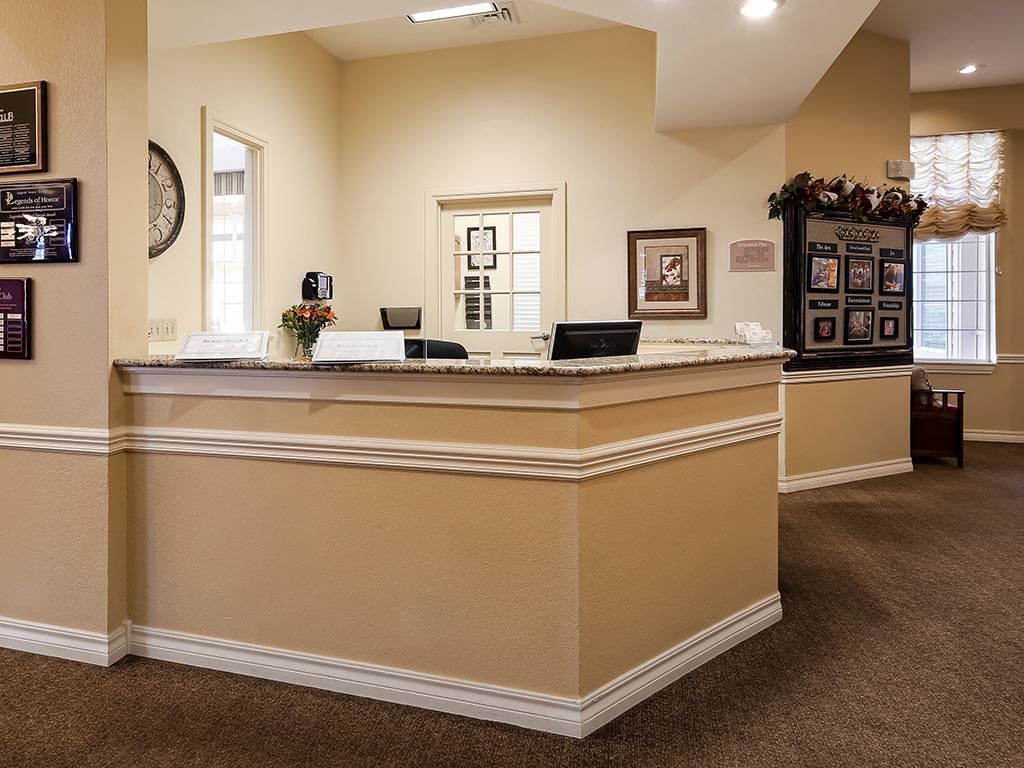
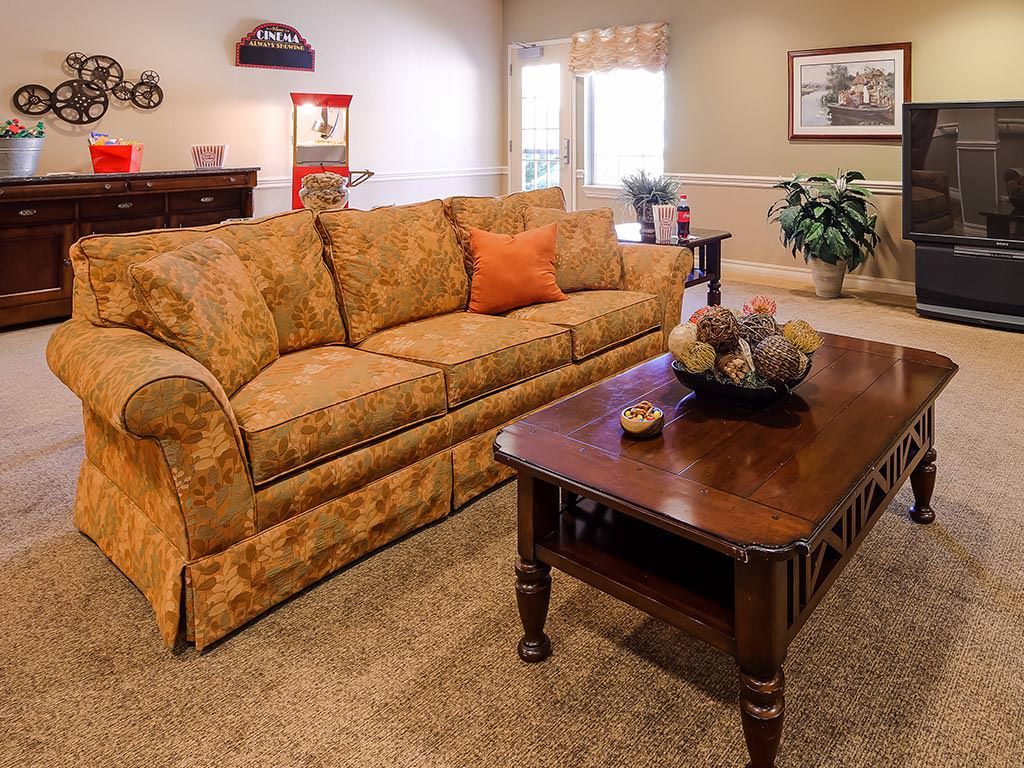
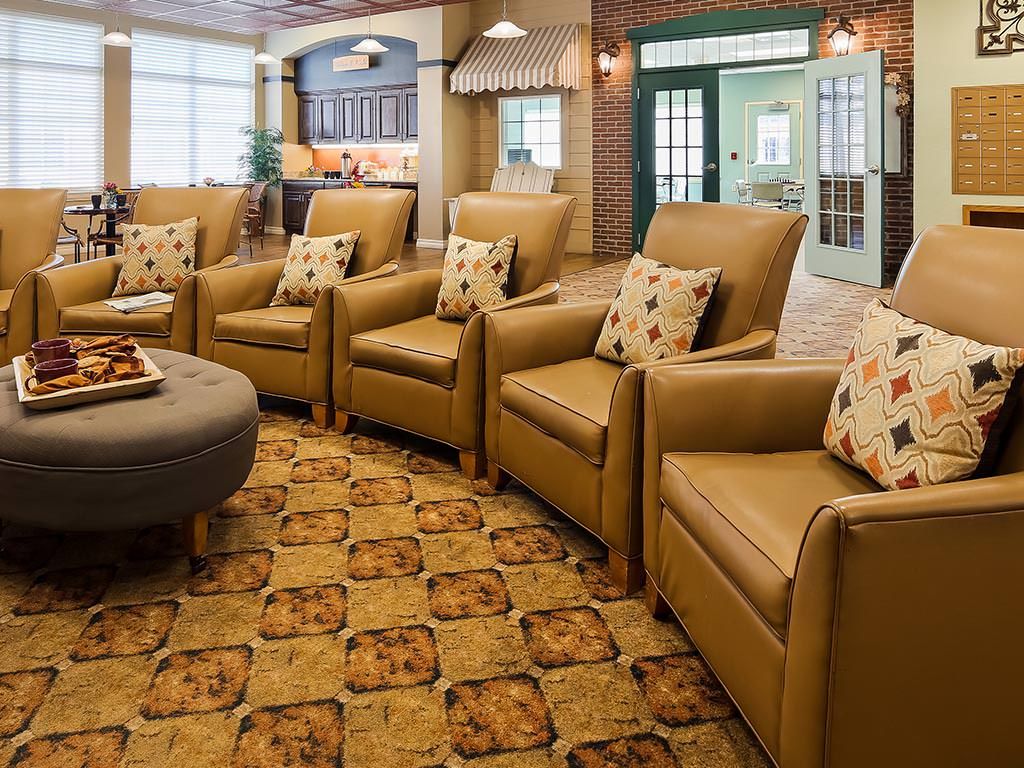
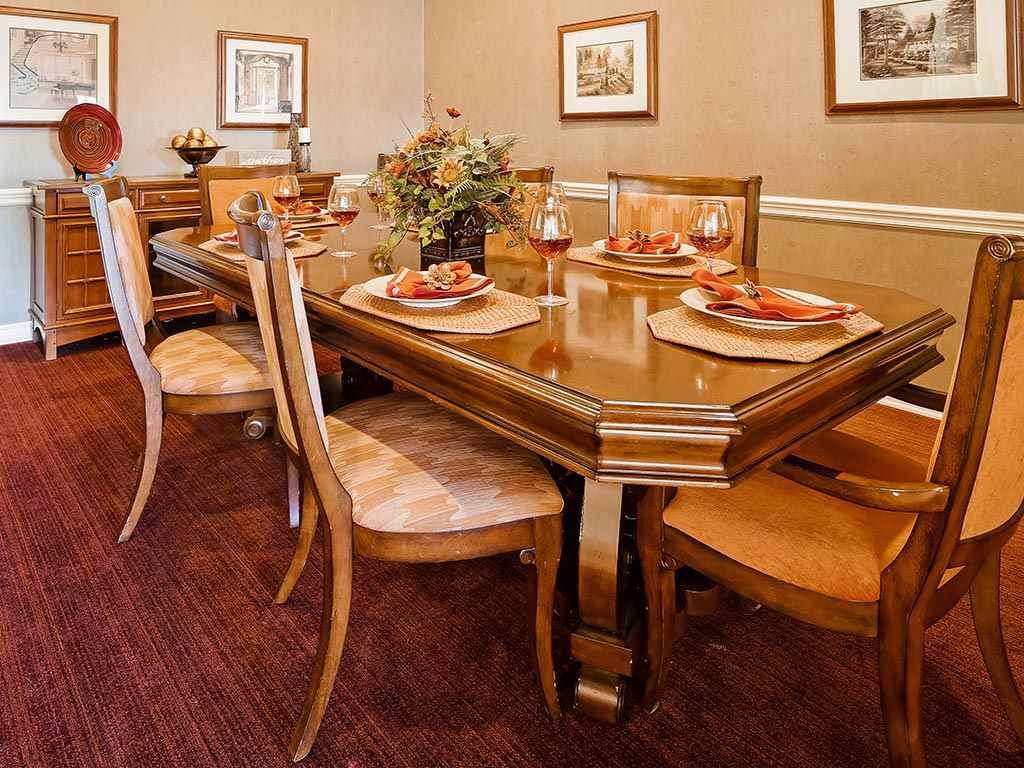
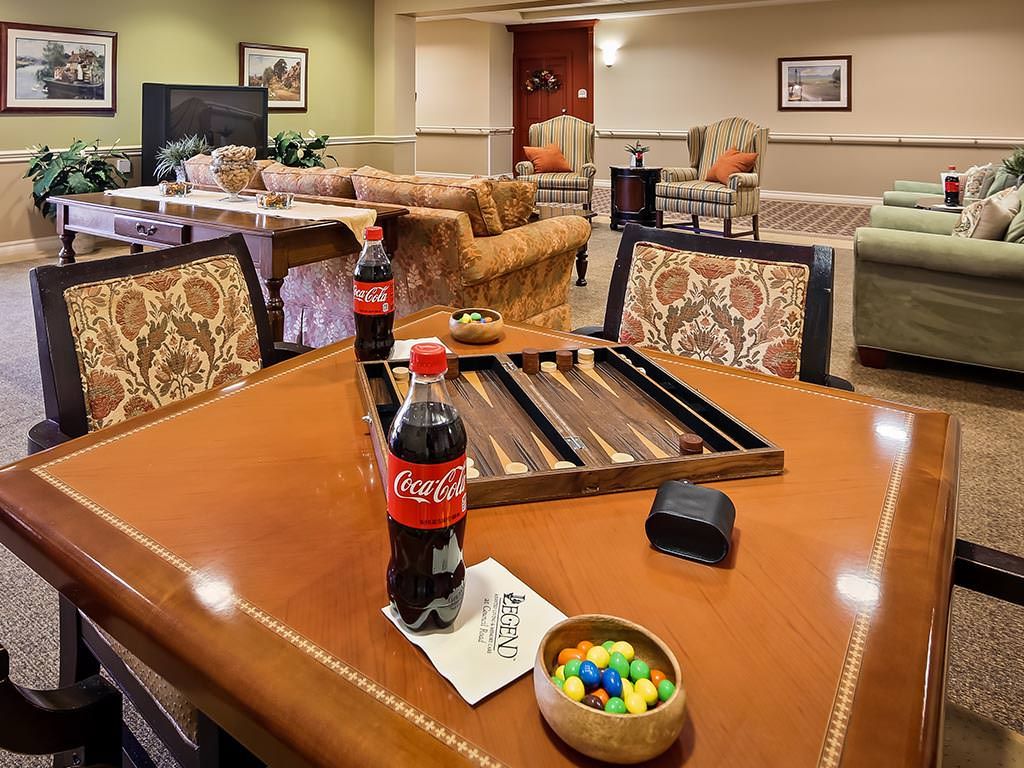
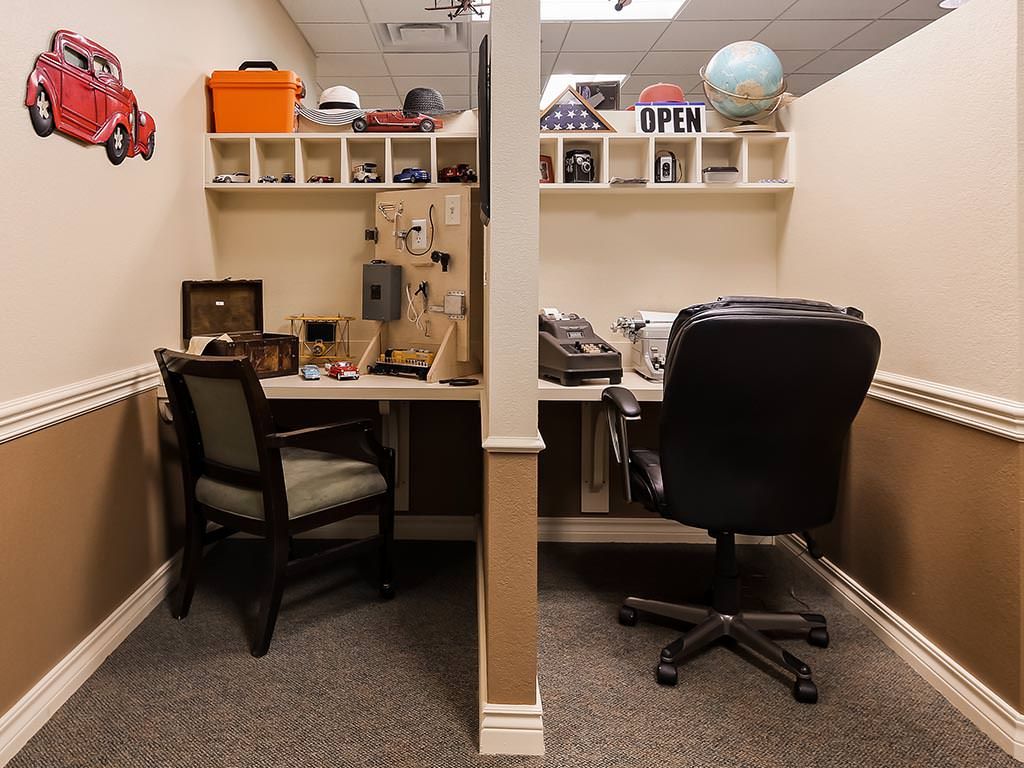
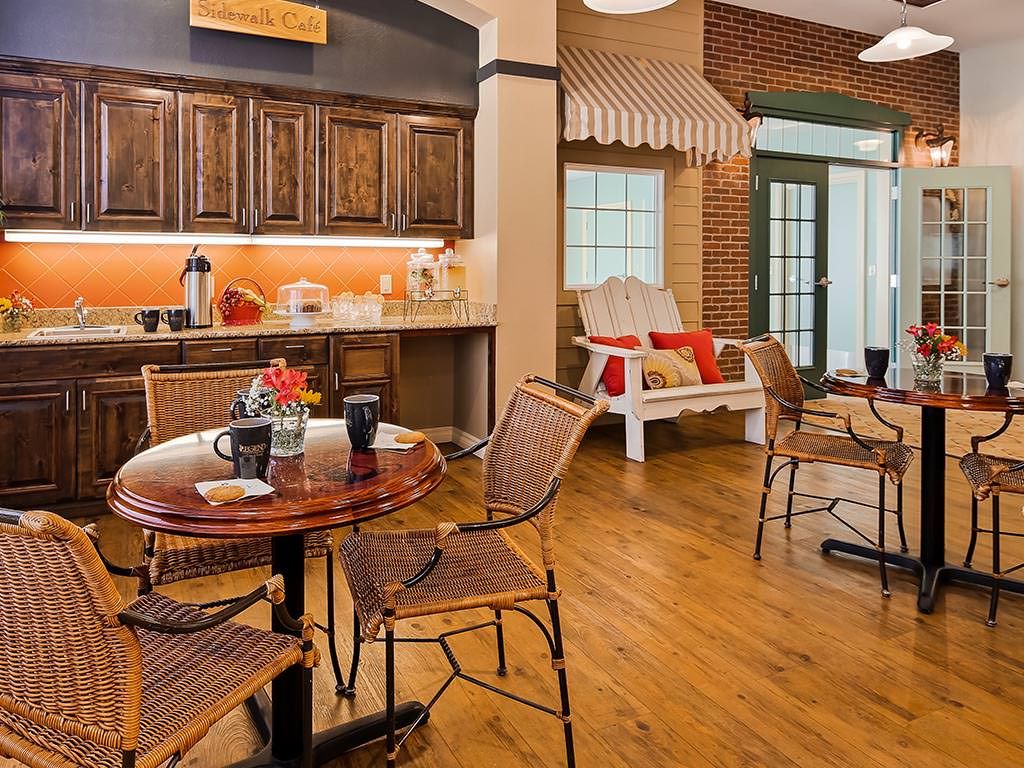
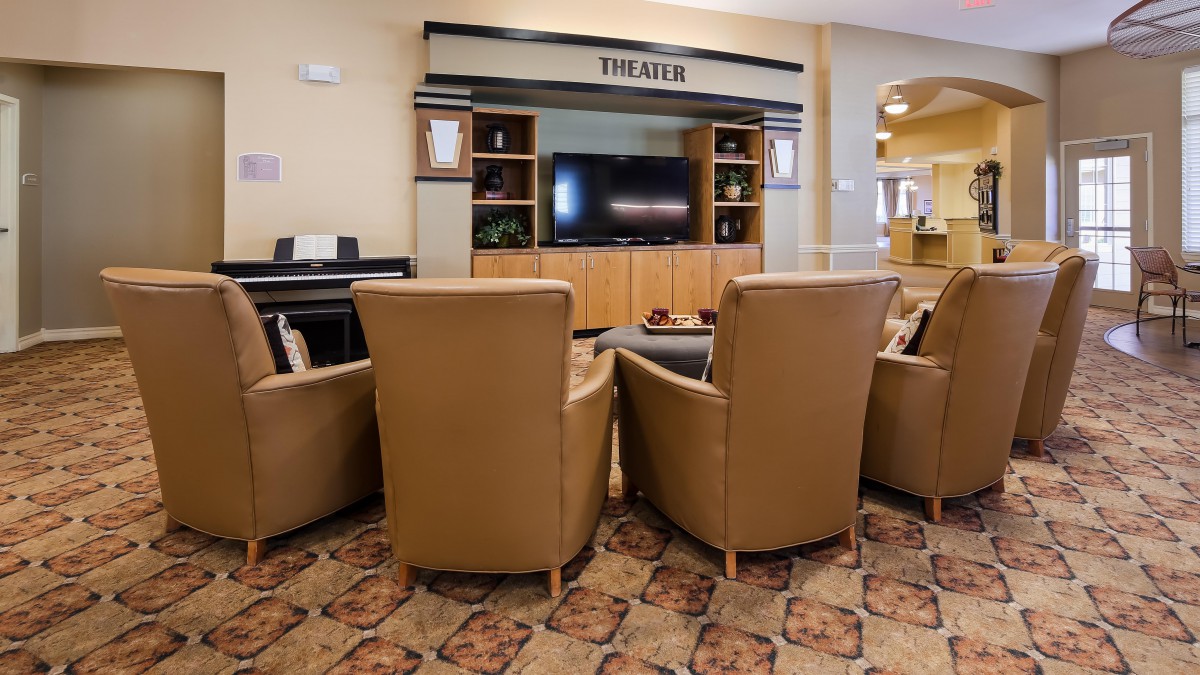
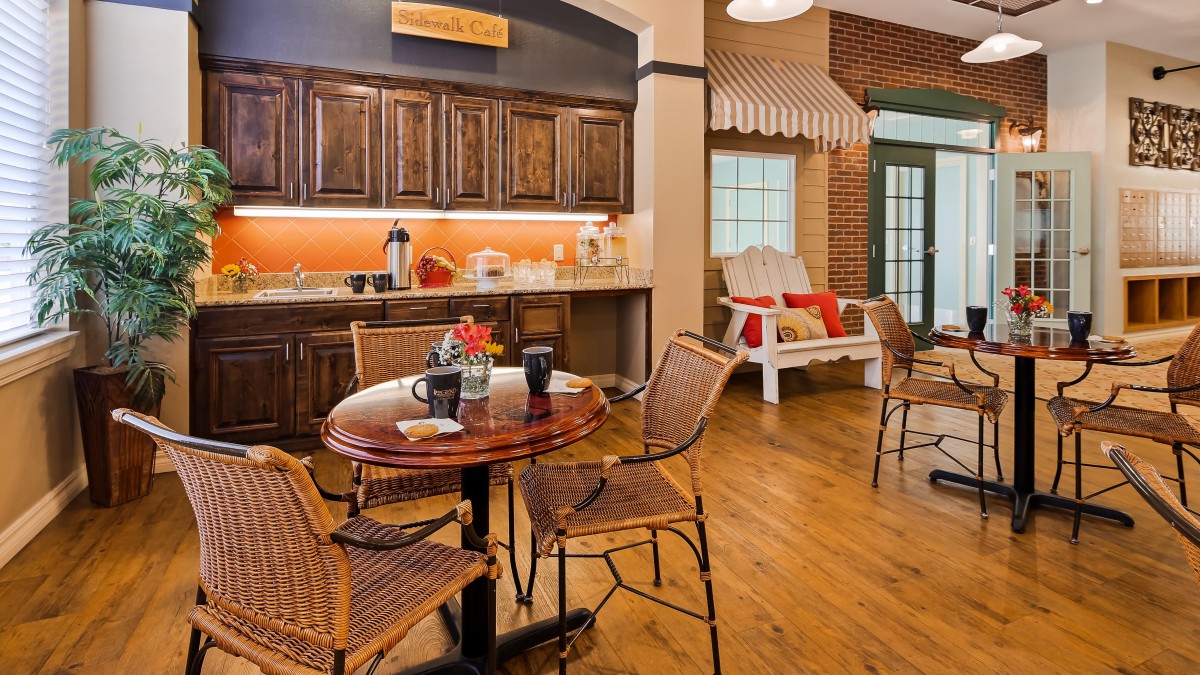
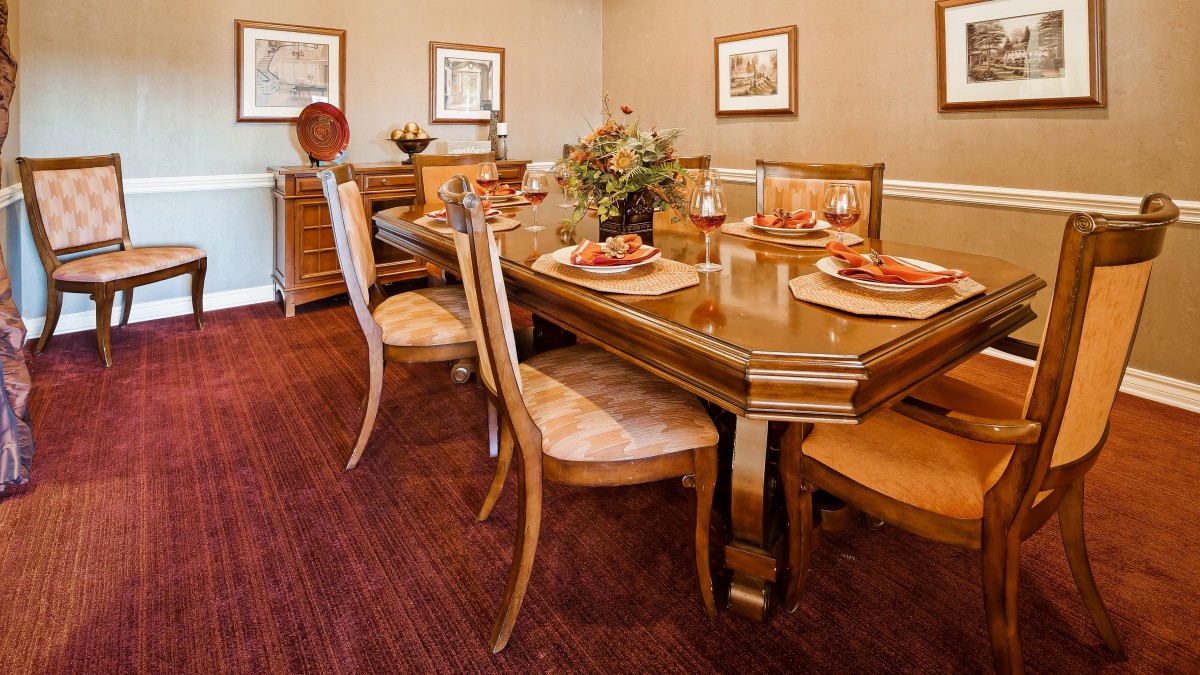
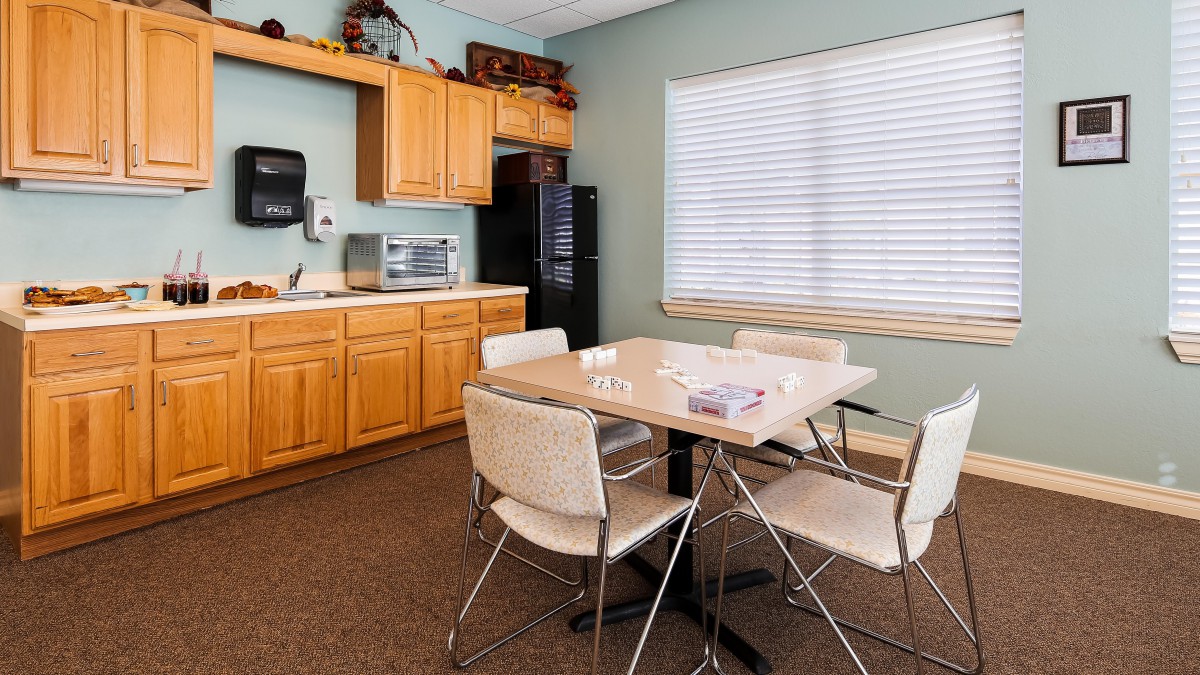
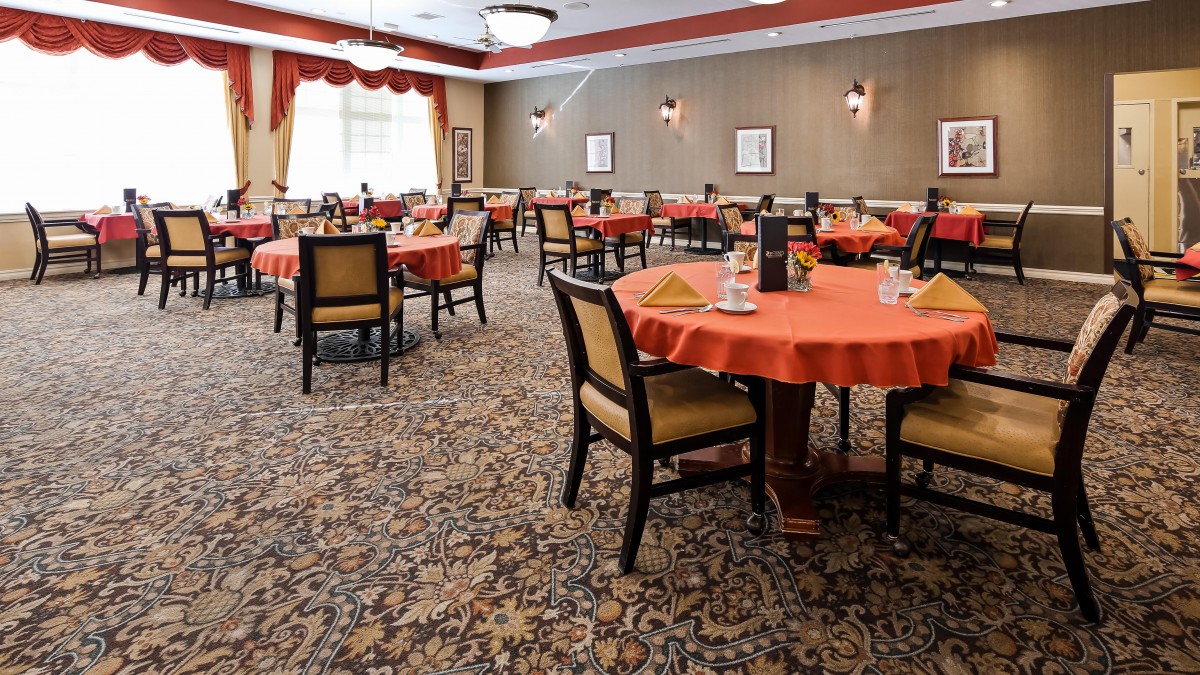
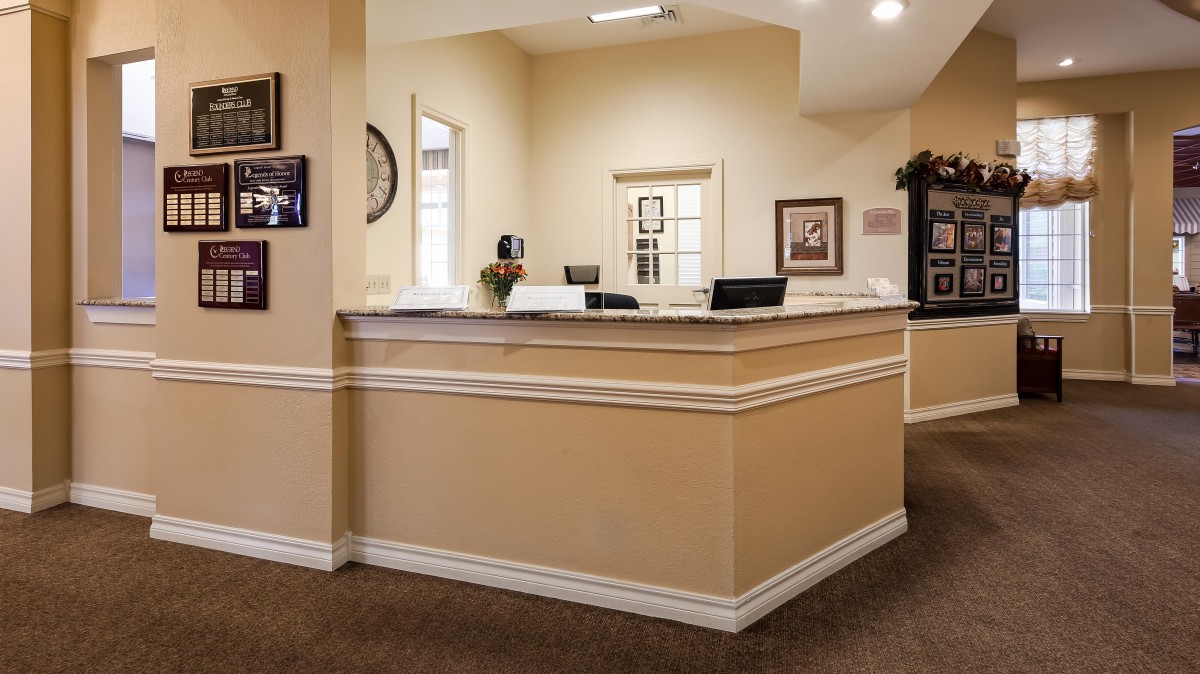
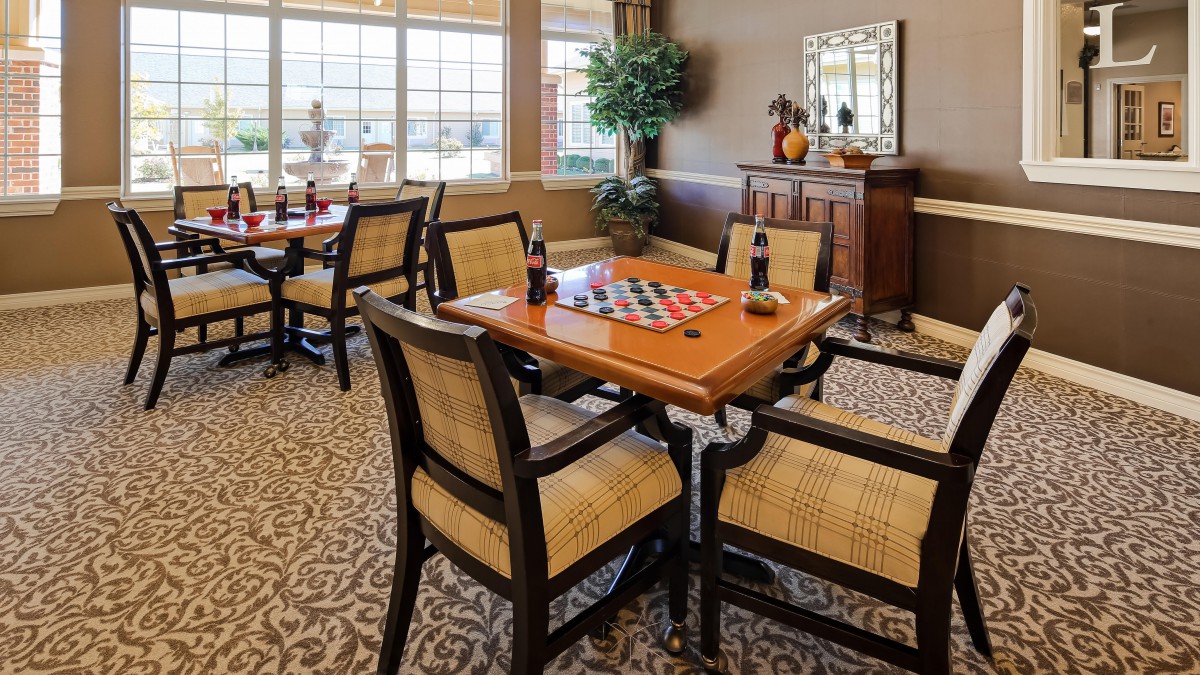
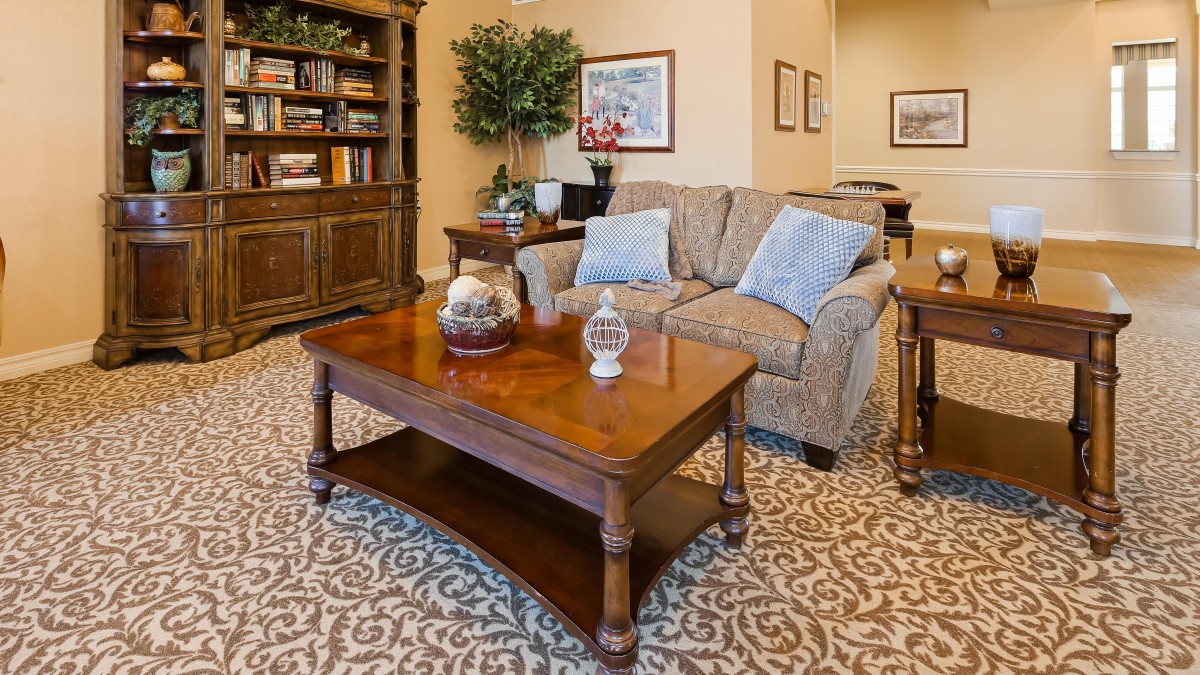
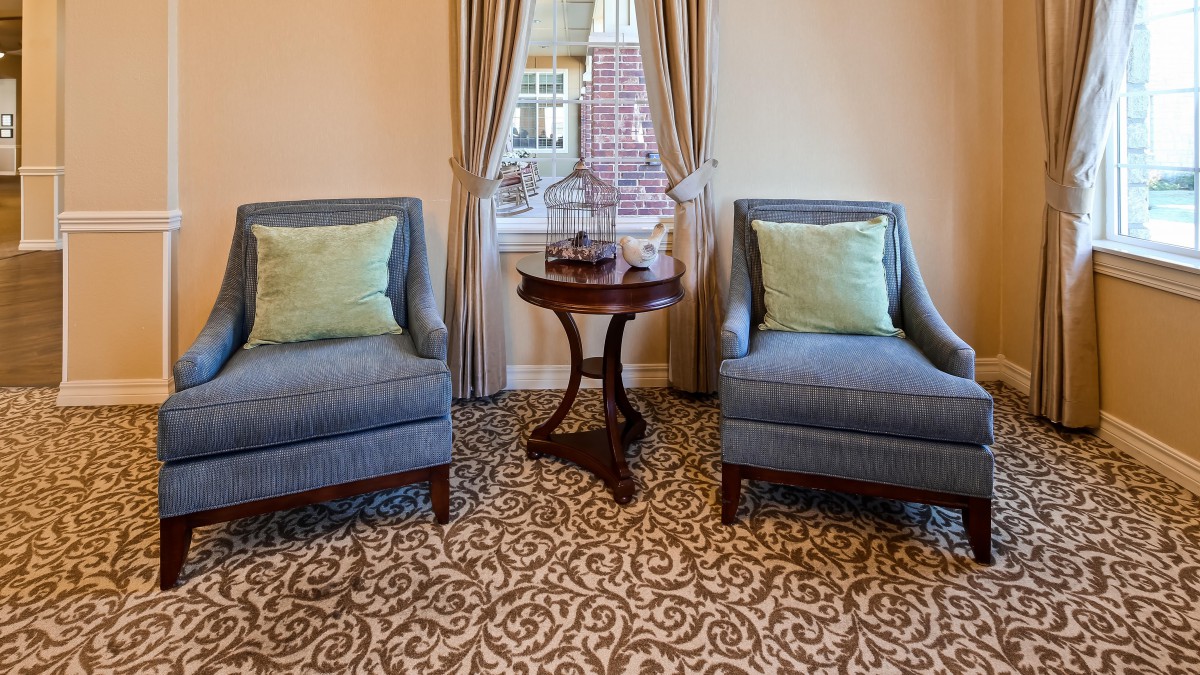
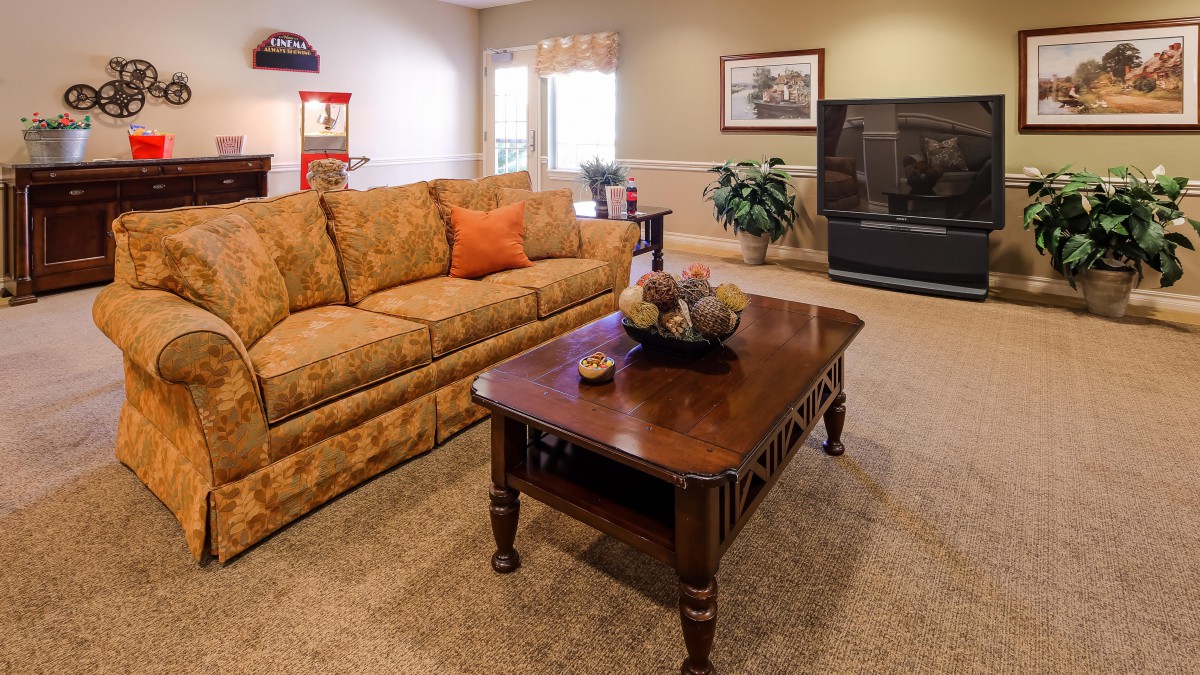
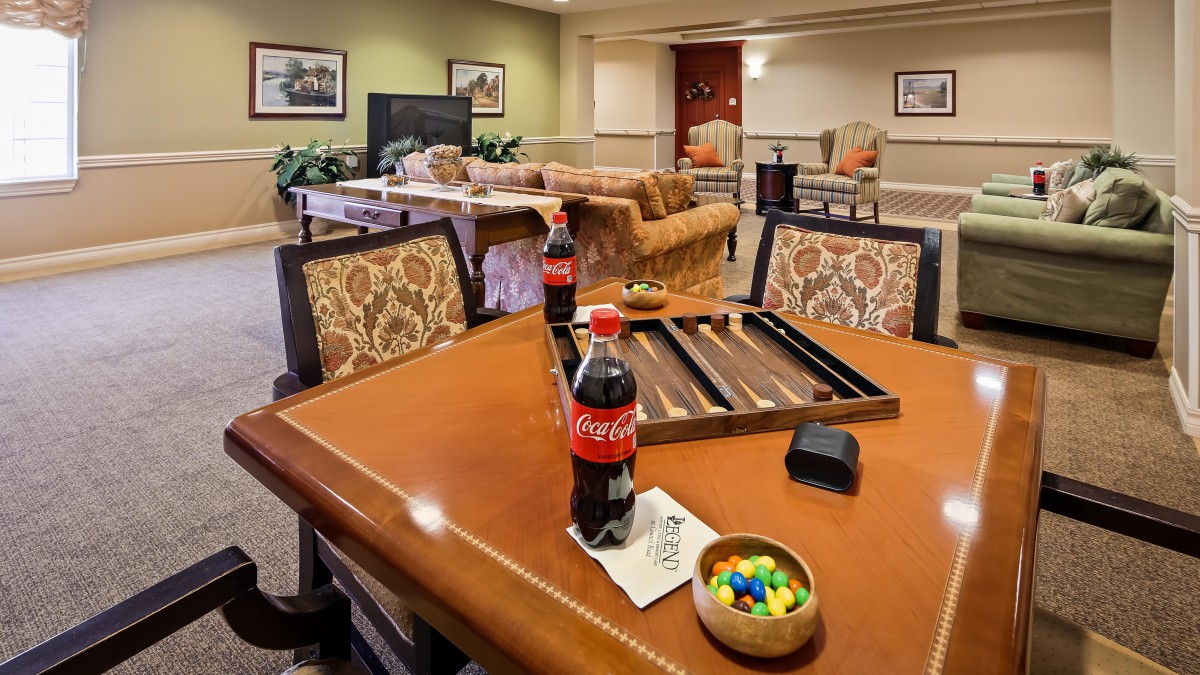
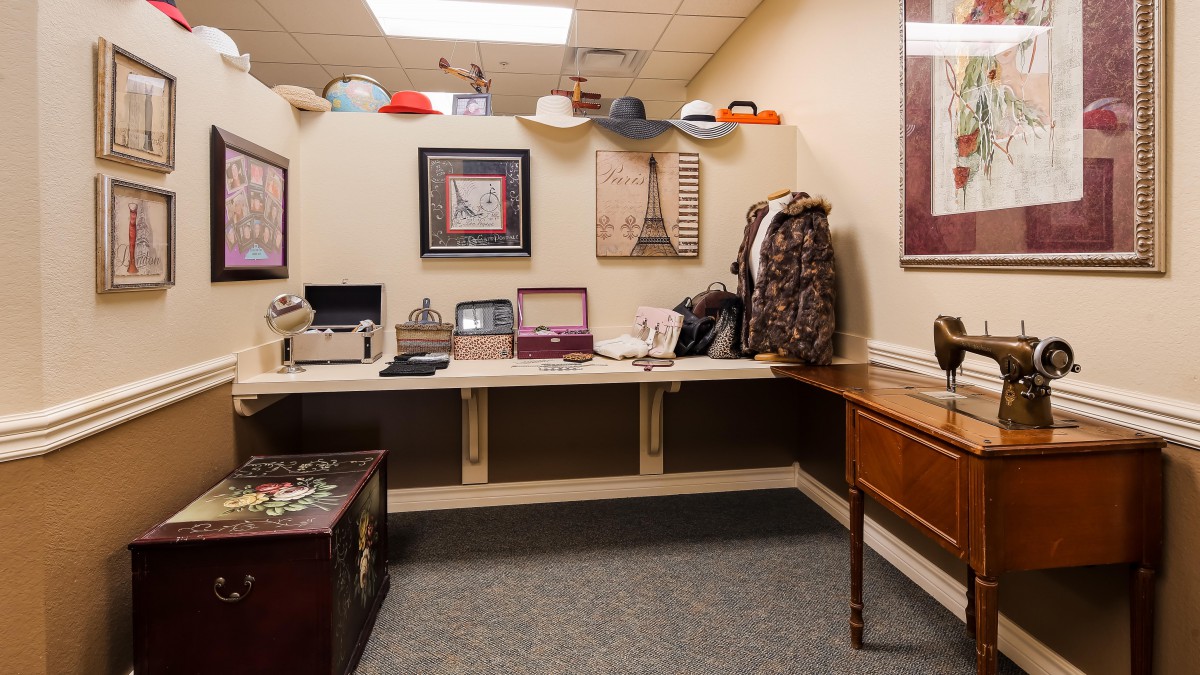
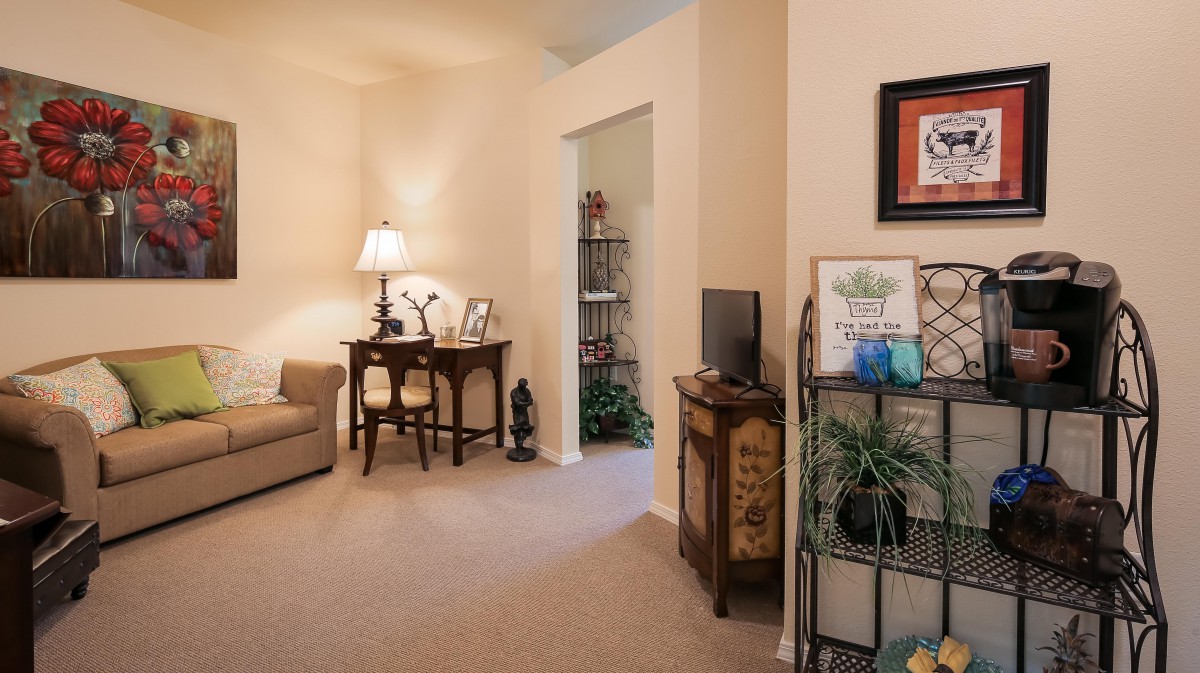
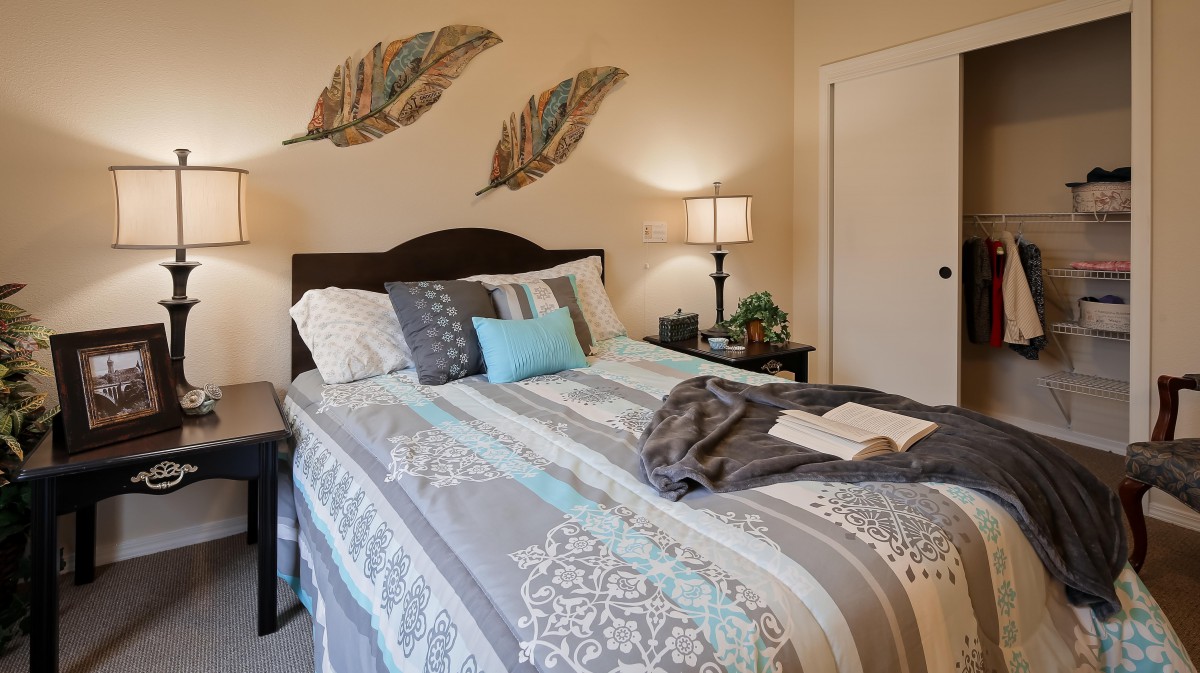
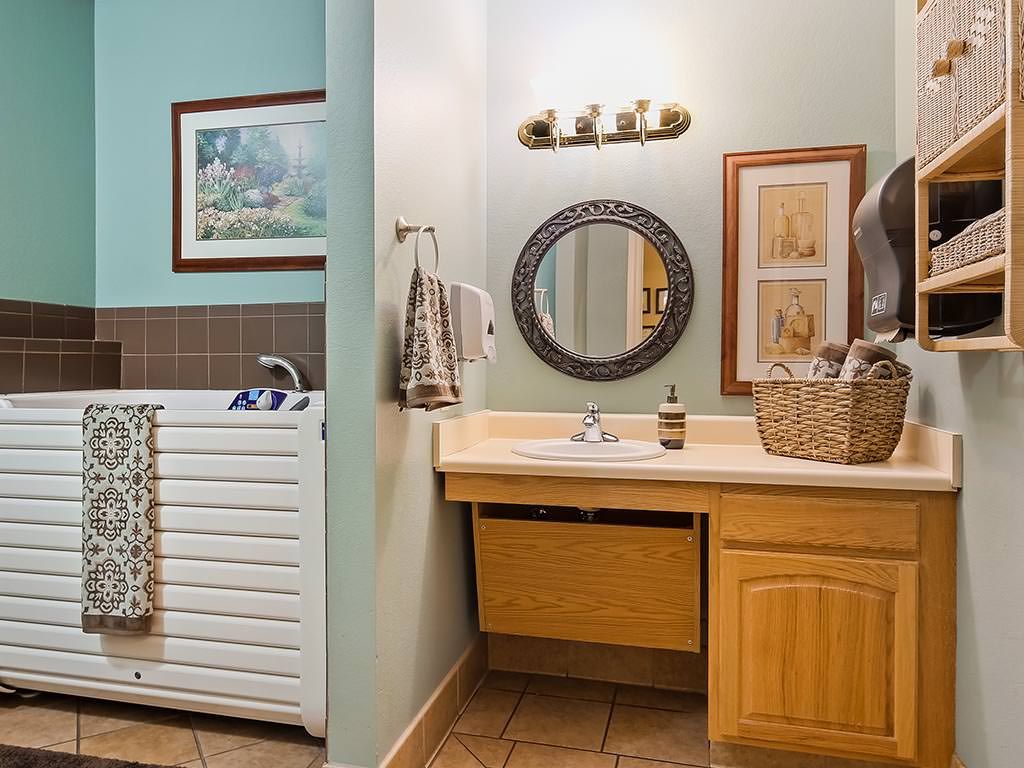
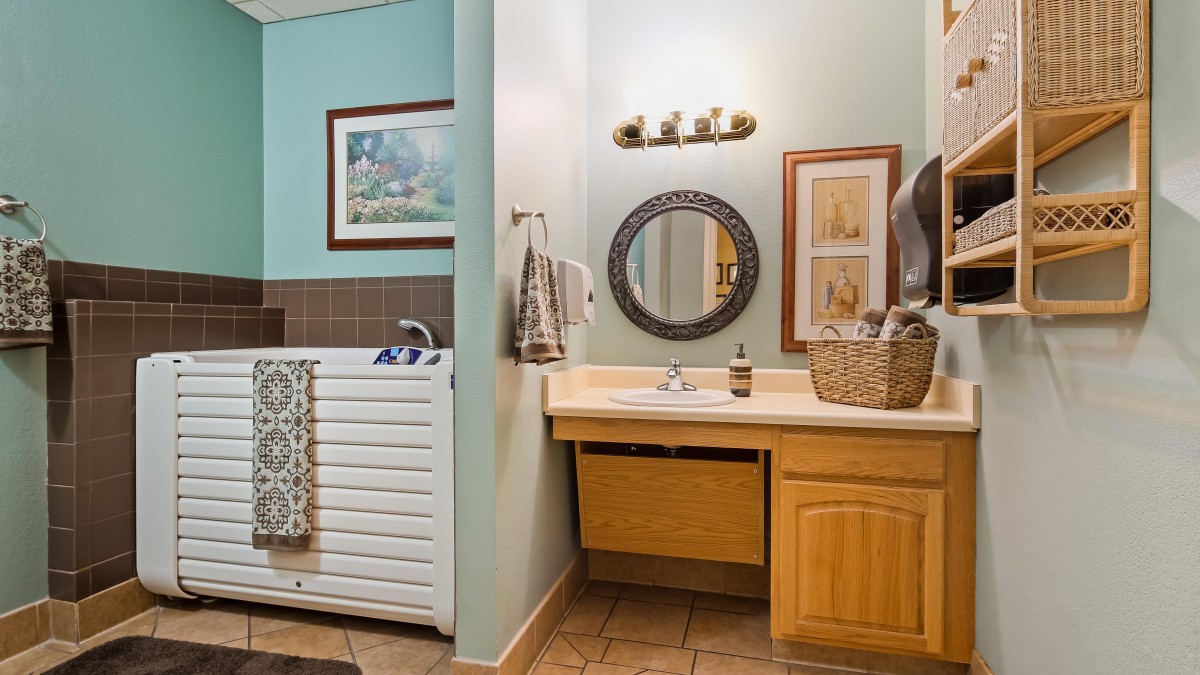
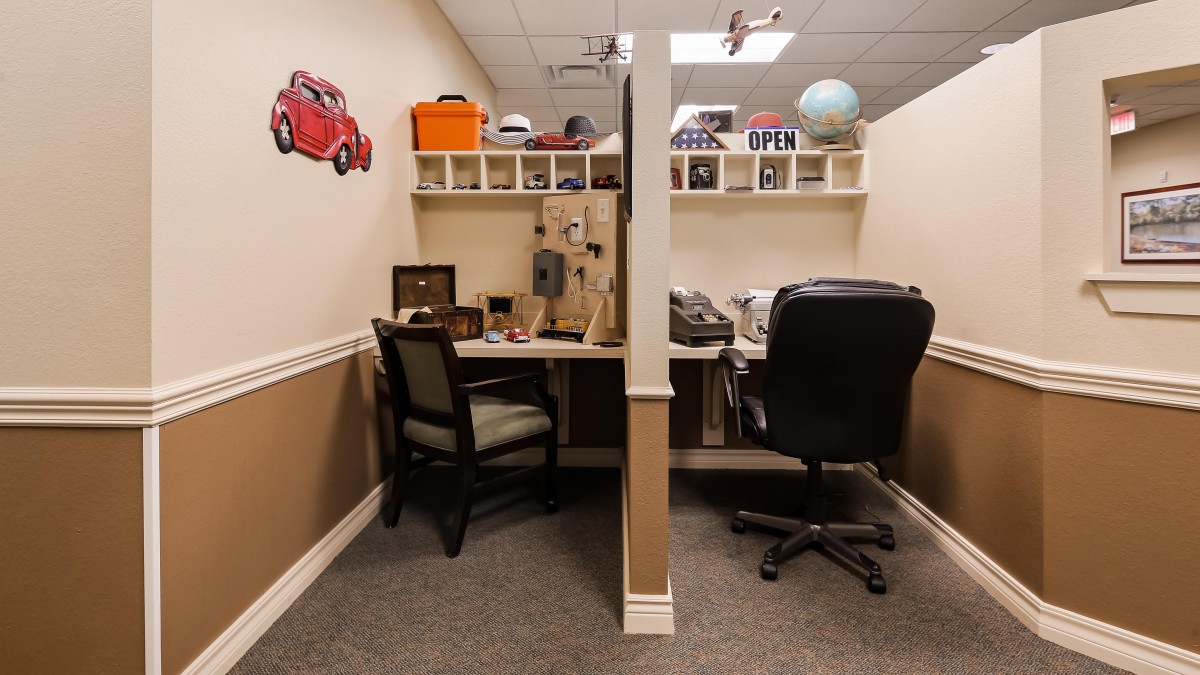
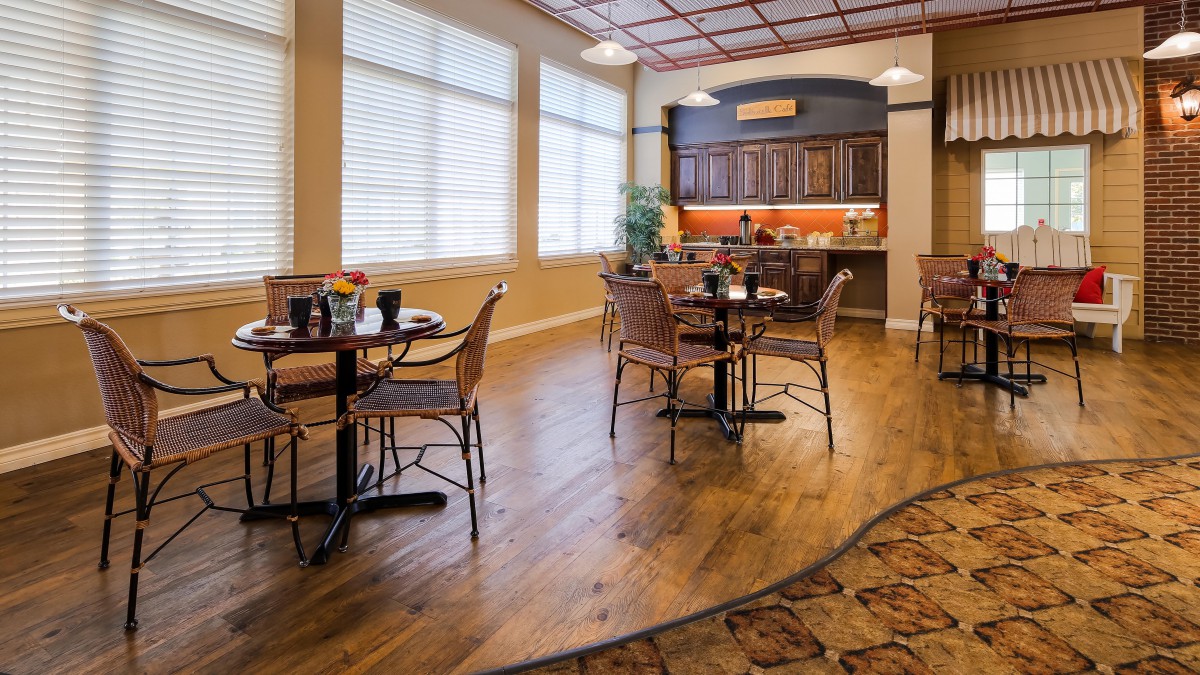
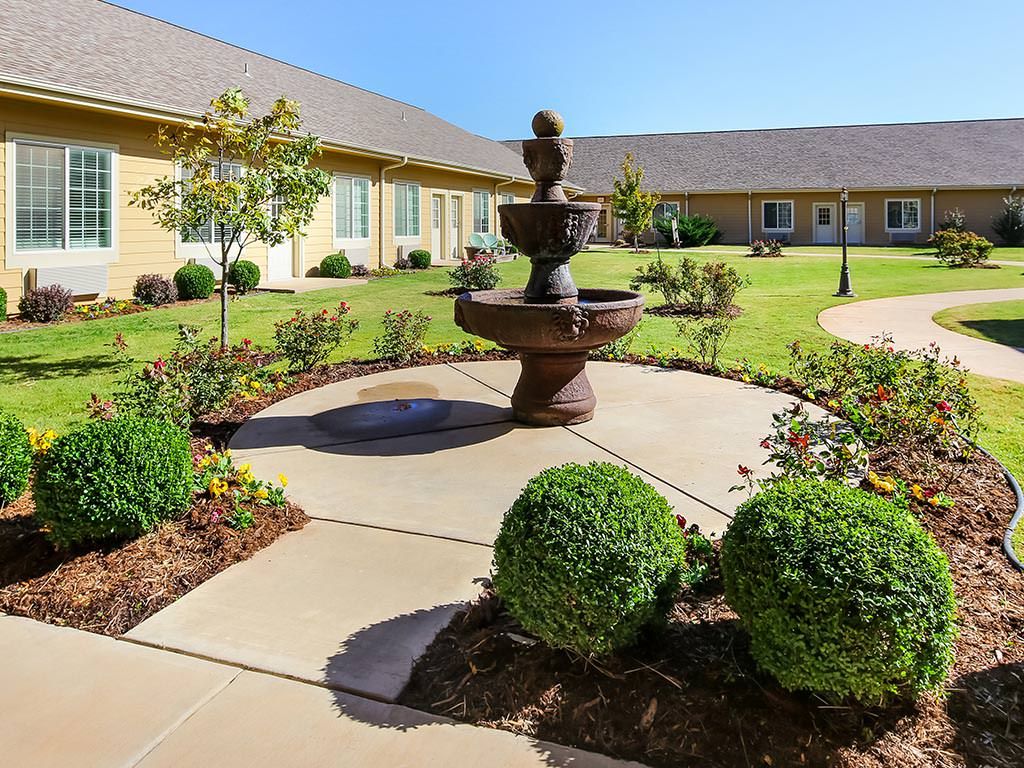
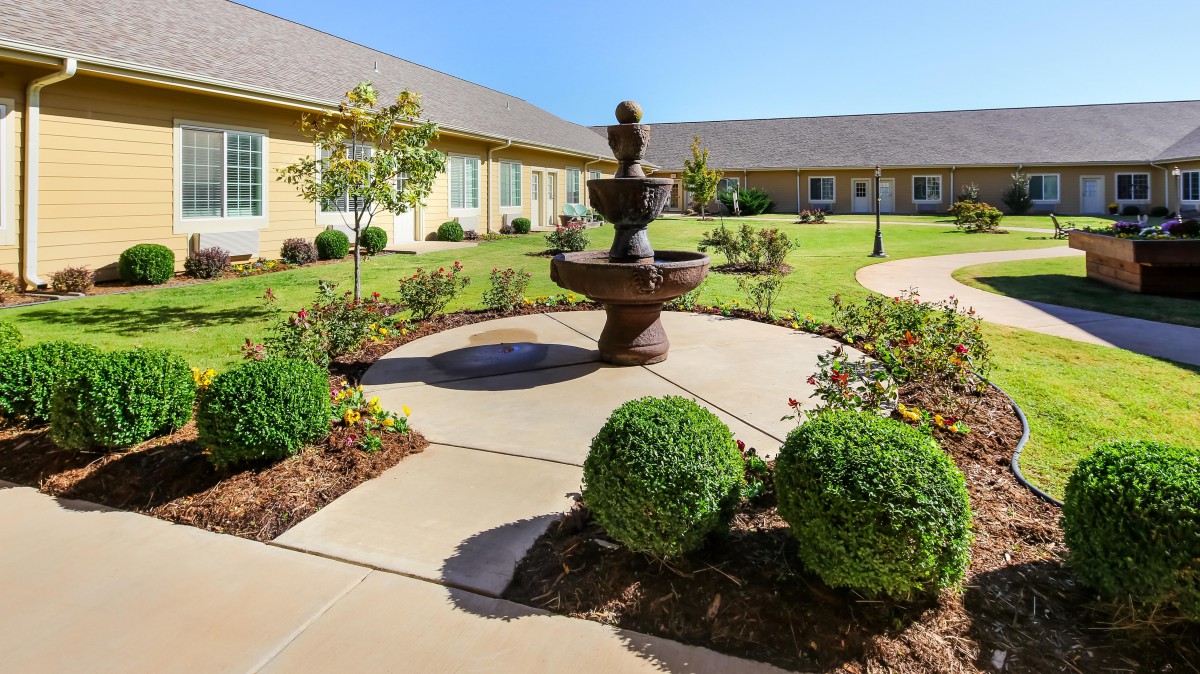
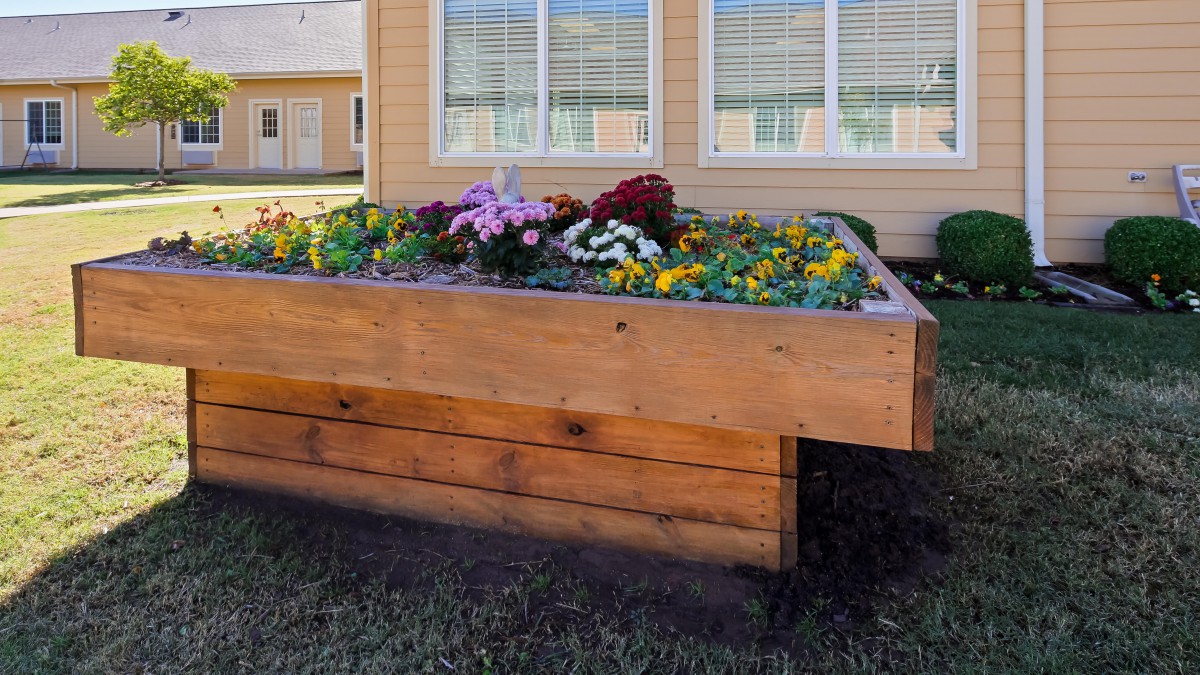
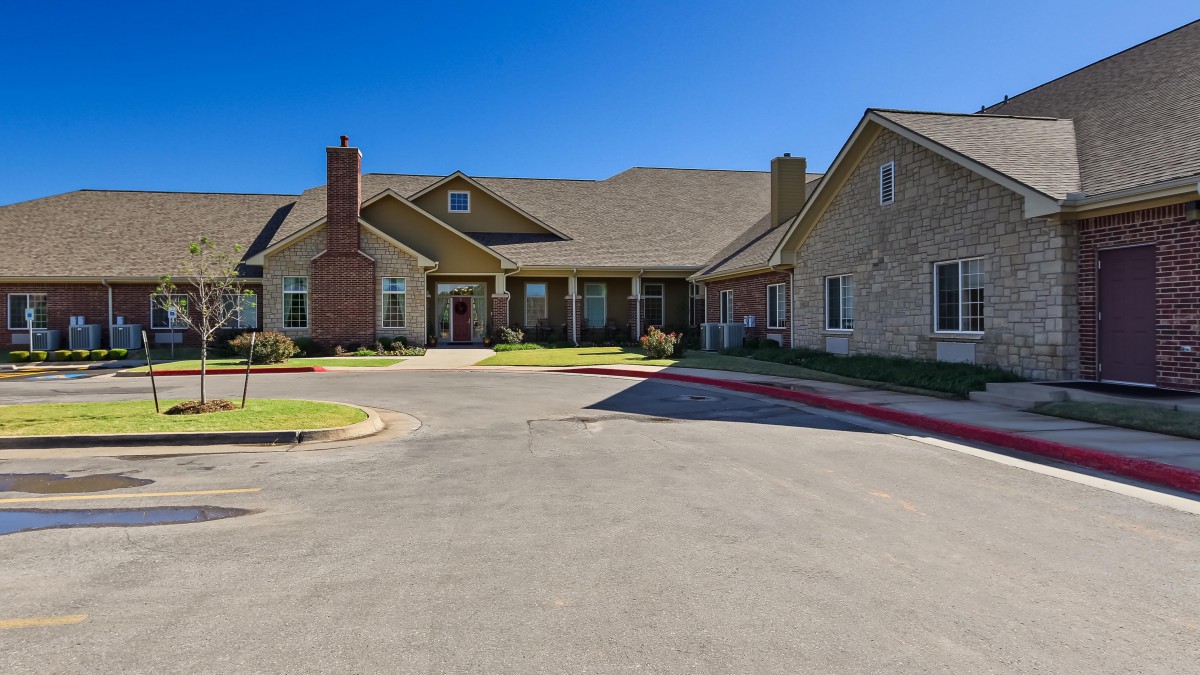
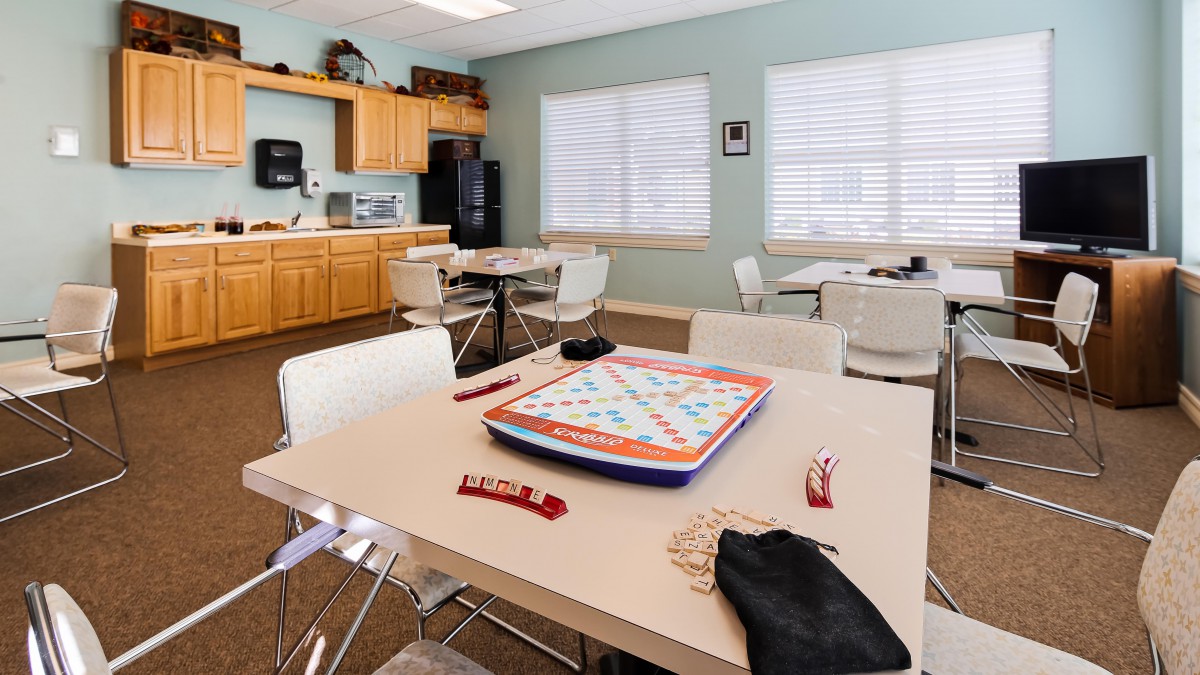
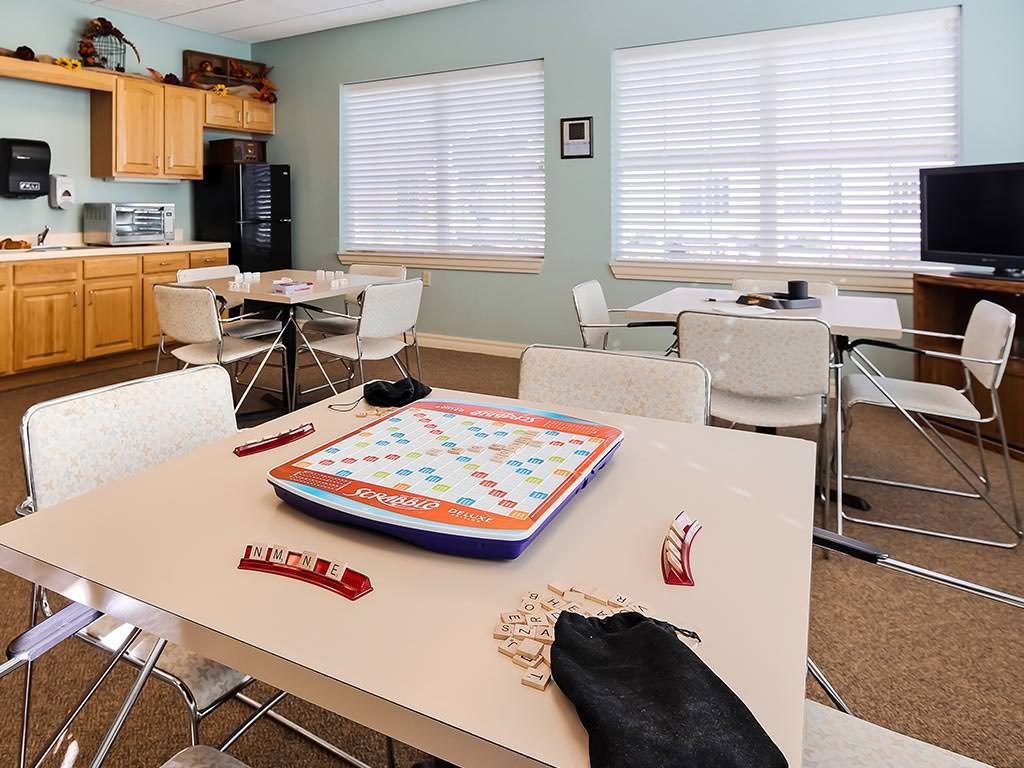
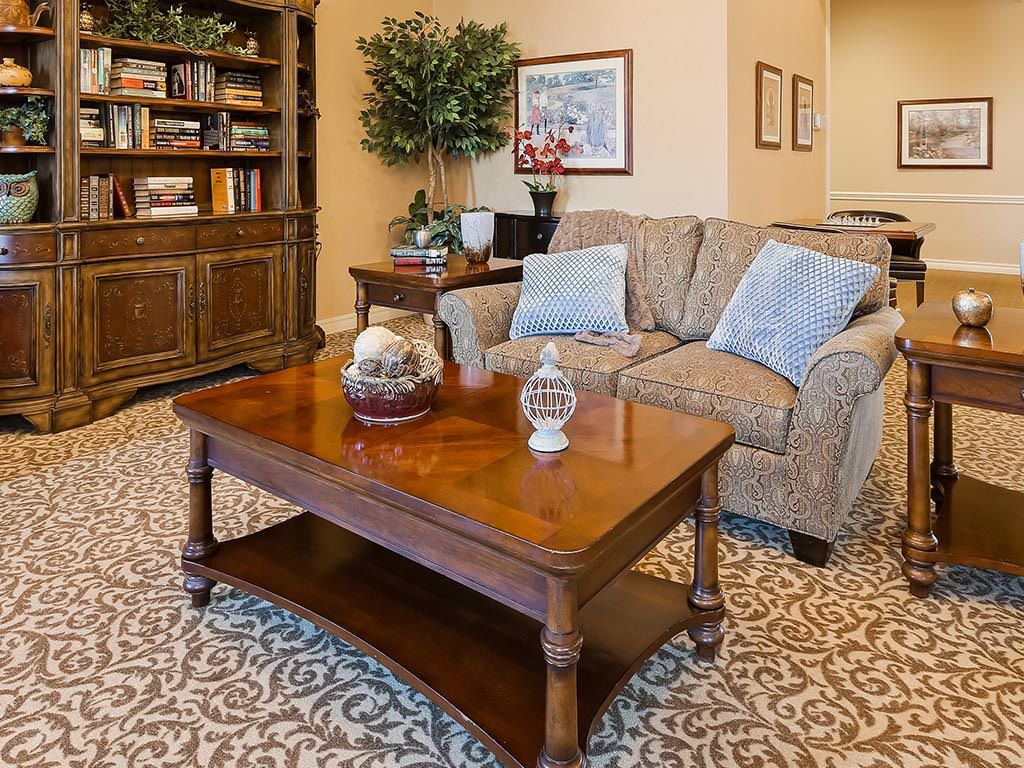
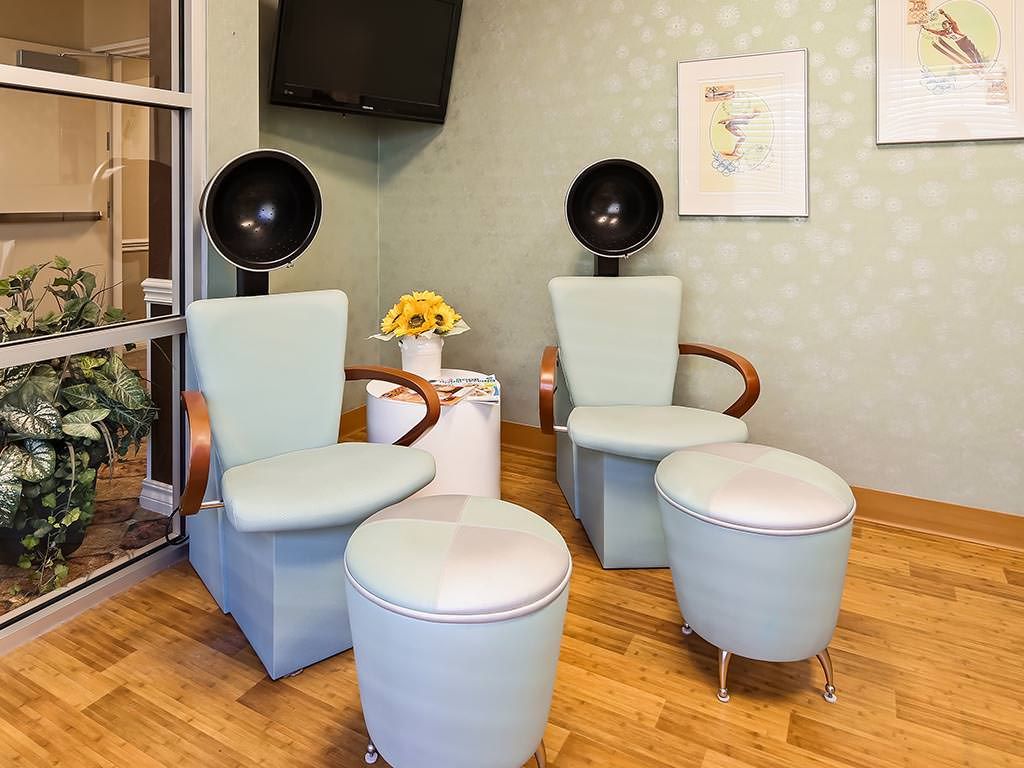
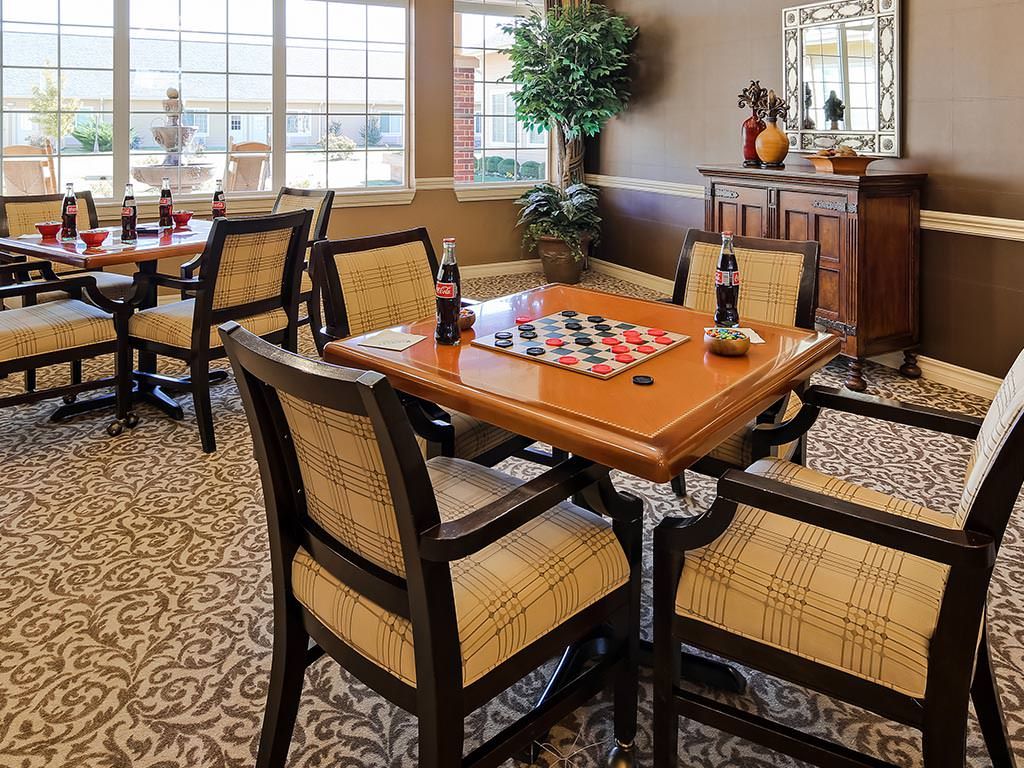
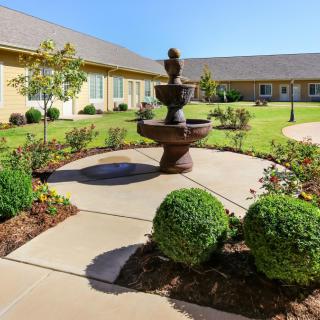
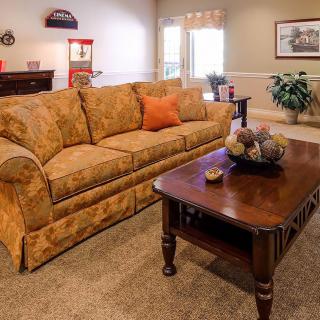
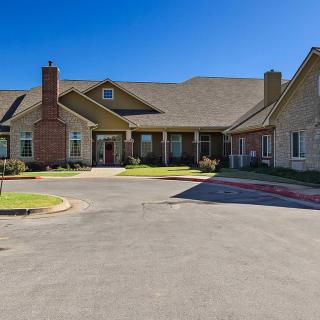
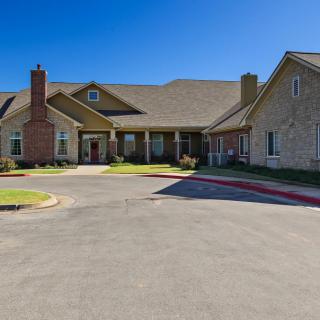
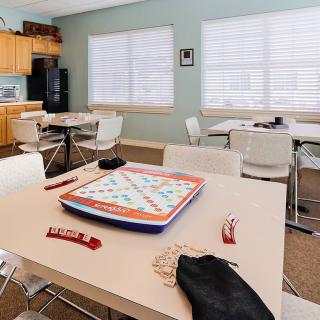
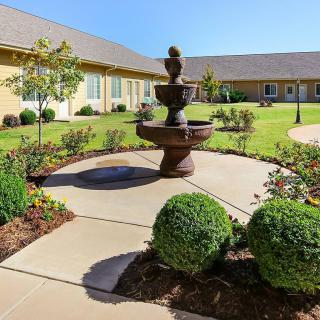
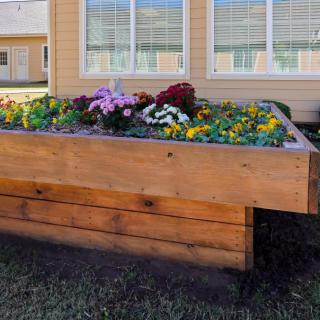
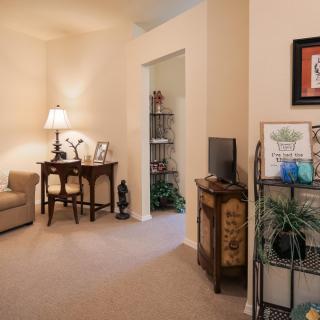
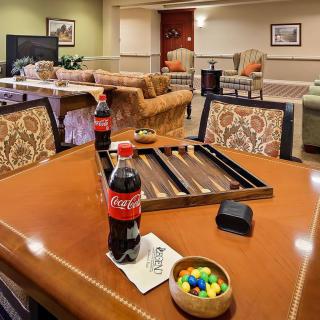
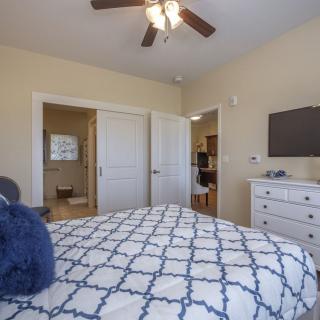
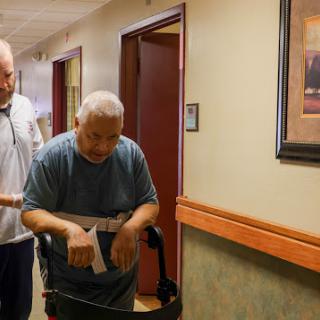
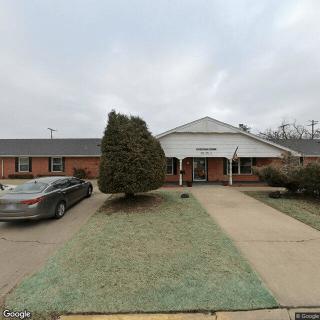
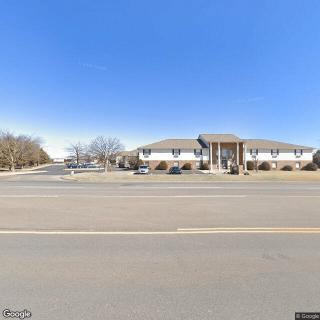
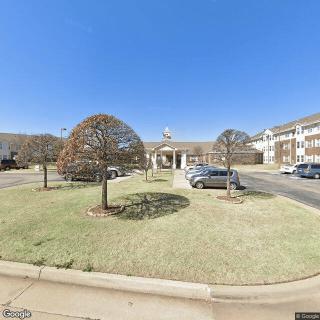
Legend at Council Road on seniors.fyi includes 44 photos including images showing interior, decor, dining, living room, office, seating area, landscaping, salon, and more.
Nearby Communities
Hefner Mansions Senior Independent Living
Oklahoma City, OK
4.4 from 50 reviews
$2,295 to $2,995 / month
Friendly staff and residents with a clean, active community.
Northhaven Place
Oklahoma City, OK
4.6 from 53 reviews
$2,311 to $4,013 / month
Warm, home-like environment with friendly staff and clean, well-decorated spaces.
Superior Care Homes
Oklahoma City, OK
3.5 from 2 reviews
$6,900 / month
Private ensuite bathrooms; quality dining; on-site theater.
Baptist Village Of Oklahoma City
Oklahoma City, OK
4.1 from 39 reviews
Clean, modern, home-like facility with attentive staff and comprehensive rehab/memory care services.
Superbia Retirement Village
Oklahoma City, OK
3.6 from 70 reviews
Improving management and helpful staff.
Heritage Assisted Living
Yukon, OK
4.6 from 41 reviews
$3,095 to $3,195 / month
Clean, welcoming environment with caring, long-tenured staff and engaging activities.
Saint Ann Retirement Center
Oklahoma City, OK
4.4 from 31 reviews
$1,800 to $2,835 / month
Competitive pricing for studios and 1- and 2-bedroom units (lower than county/state averages).
Concordia Life Care Community a CCRC
Oklahoma City, OK
4 from 51 reviews
$2,904 to $6,059 / month
Clean, well-maintained facility with varied care options and engaging activities.
The article compares assisted living and skilled nursing facilities, detailing their differing levels of assistance, medical support, cost structures, and day-to-day experiences. It emphasizes that assisted living is for those needing help with daily activities while maintaining independence, whereas skilled nursing facilities provide intensive medical care with 24-hour staff supervision.
Vibrant Senior Living emphasizes active senior living communities that promote independence and engagement through diverse amenities and activities, fostering wellness and social interaction among older adults. These communities range from independent to assisted living, with a focus on personal growth, family involvement, financial planning, and leveraging technology to enhance residents' experiences.
Assisted living provides moderate support for seniors seeking independence, while memory care offers specialized support for individuals with dementia or cognitive impairments through structured routines and trained staff. Key differences include care approaches, environment security measures, staff training levels, activity types, and cost considerations.
Get PricingAsk A QuestionSchedule A TourContact Senior Advisor
By clicking submit, you agree to our Partner's Terms of Use. You
also consent to receive calls and texts, which may be autodialed, from our Partner. Your consent is not a condition to
using our Partner's service. Please visit our Partner's Privacy Policy for information about their privacy practices.










 1-bedroom apartments
 Assisted Living
 Memory Care
 Skilled Nursing Facility
 Cats allowed
 Dogs allowed
 Activities off-site
 Air-conditioning
 Beautician on-site
 Cable or satellite TV
 Devotional services on-site
 Dining room
 Financing advice
 Full kitchen
 Fully furnished
 Garden
 Ground floor units
 Guest parking
 Handicap accessible
 Hiking trails
 Housekeeping services
 Indoor common areas
 Laundry
 Move-in coordination
 Outdoor common areas
 Overnight guests
 Party space
 Respite or short term stays offered
 Spa
Spa Telephone
 Wheelchair accessible showers
 Wi-Fi/high-speed internet available
 Will Rogers World (14 miles away)
 Transportation & parking
 24-hour supervision
 Ambulatory care
 Assistance with bathing
 Assistance with dressing
 Assistance with transfers
 Diabetes diet
 Diabetic care
 Hospice waiver
 Incontinence care
 Meal preparation and service
 Medication management
 Mental wellness program
 Physical therapy
 Special dietary restrictions
 Transportation arrangement (medical)
 Art classes
 Bible study group
 Day trips and outings
 Educational speakers / life long learning
 Fitness programs
 Games
Games Live dance or theater performances
 Live musical performances
 Stories
 English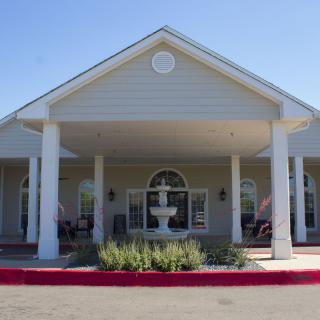
 Friendly staff and residents with a clean, active community.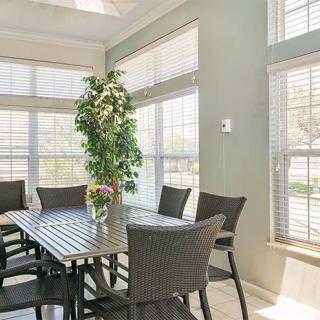


 Exploring the Contrasts Between Assisted Living and Skilled Nursing
 Vibrant Senior Living: A Comprehensive Guide for Active Older Adults
 Assisted Living and Memory Care: Understanding Their Core Differences