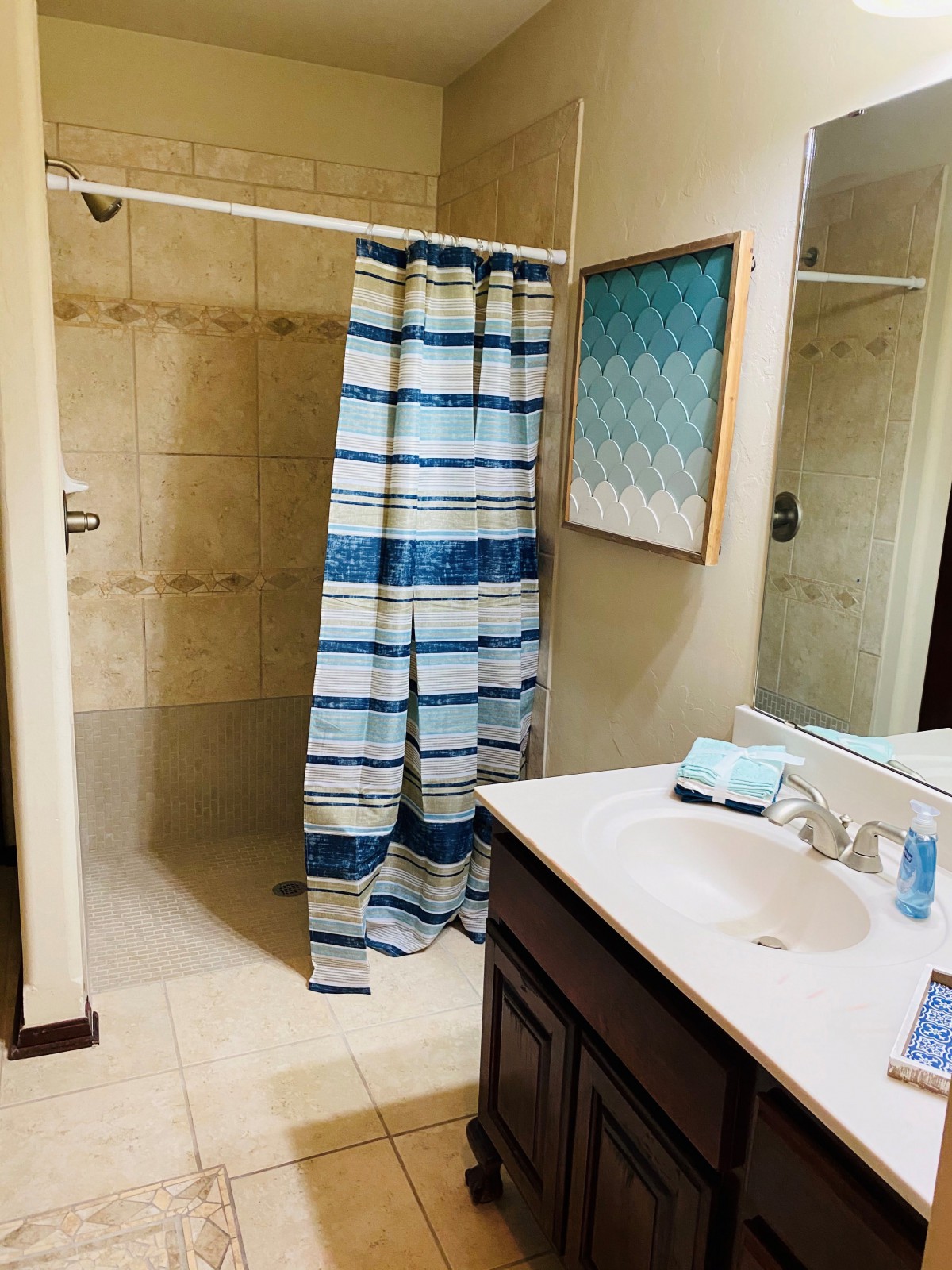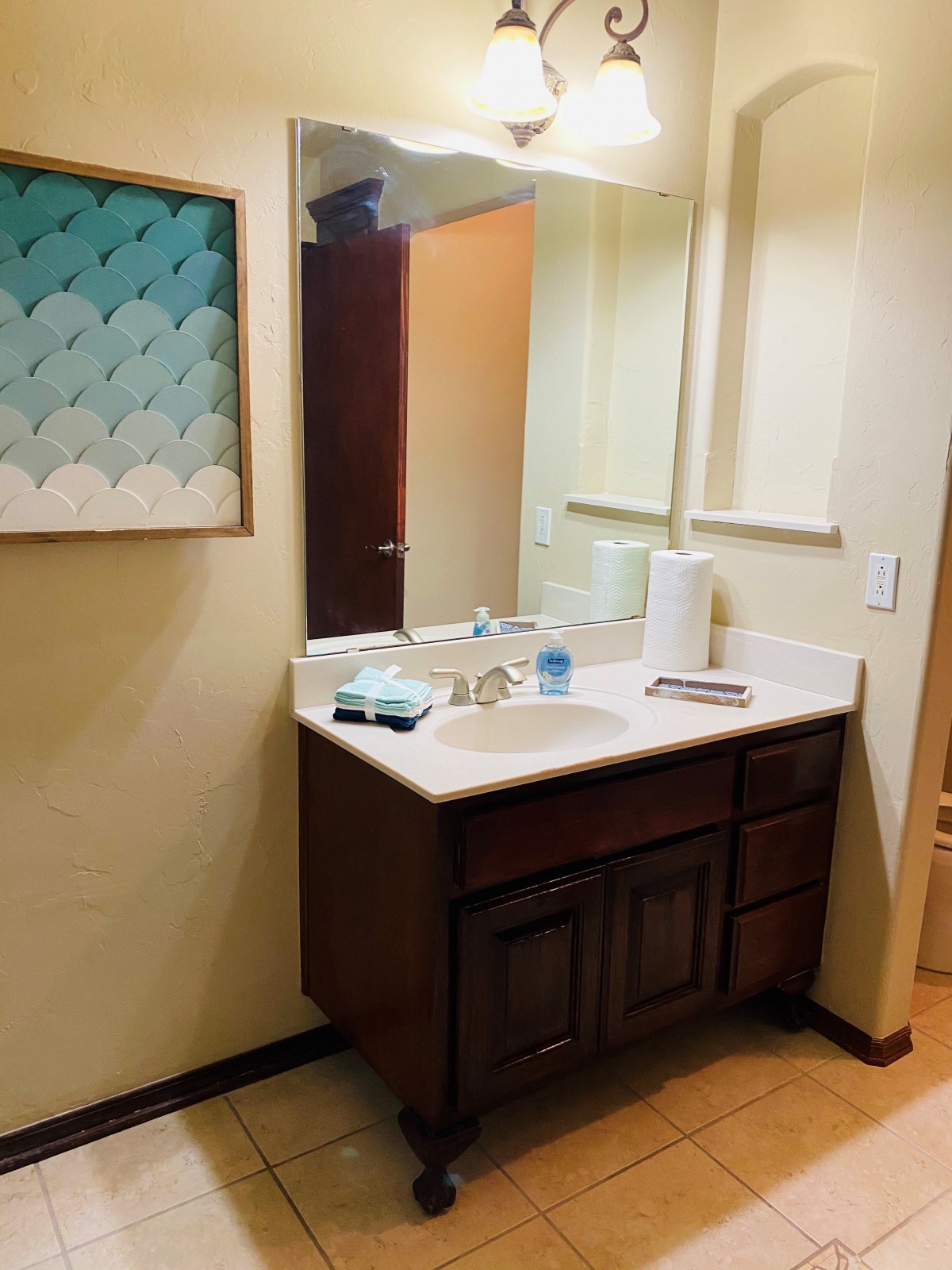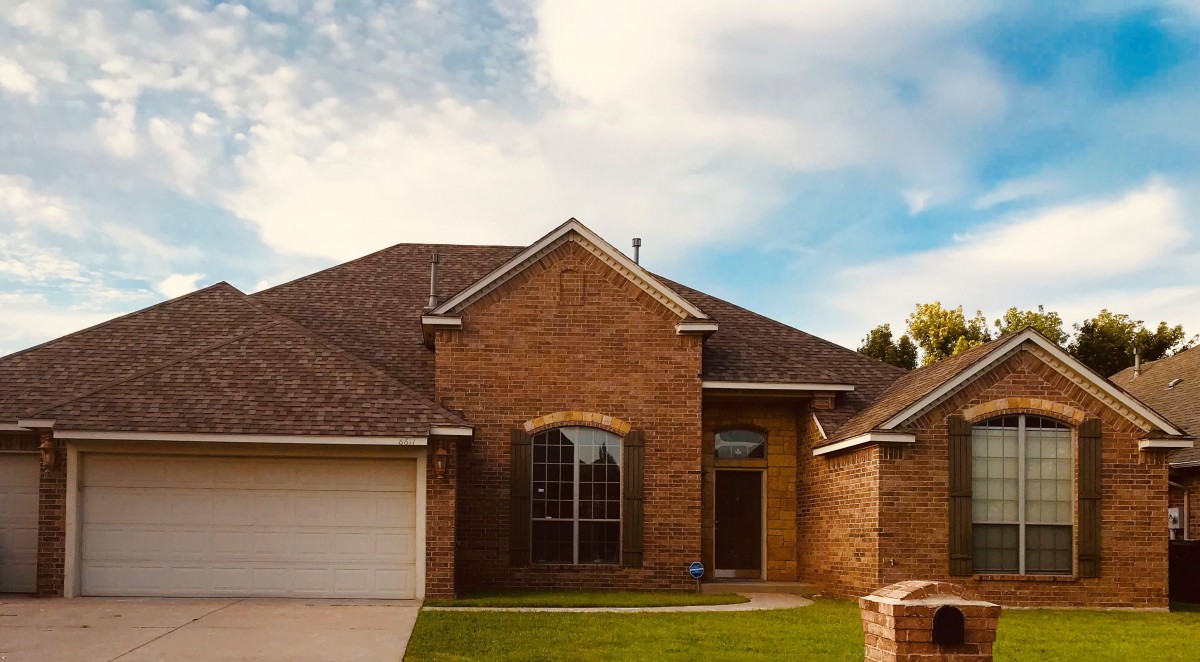
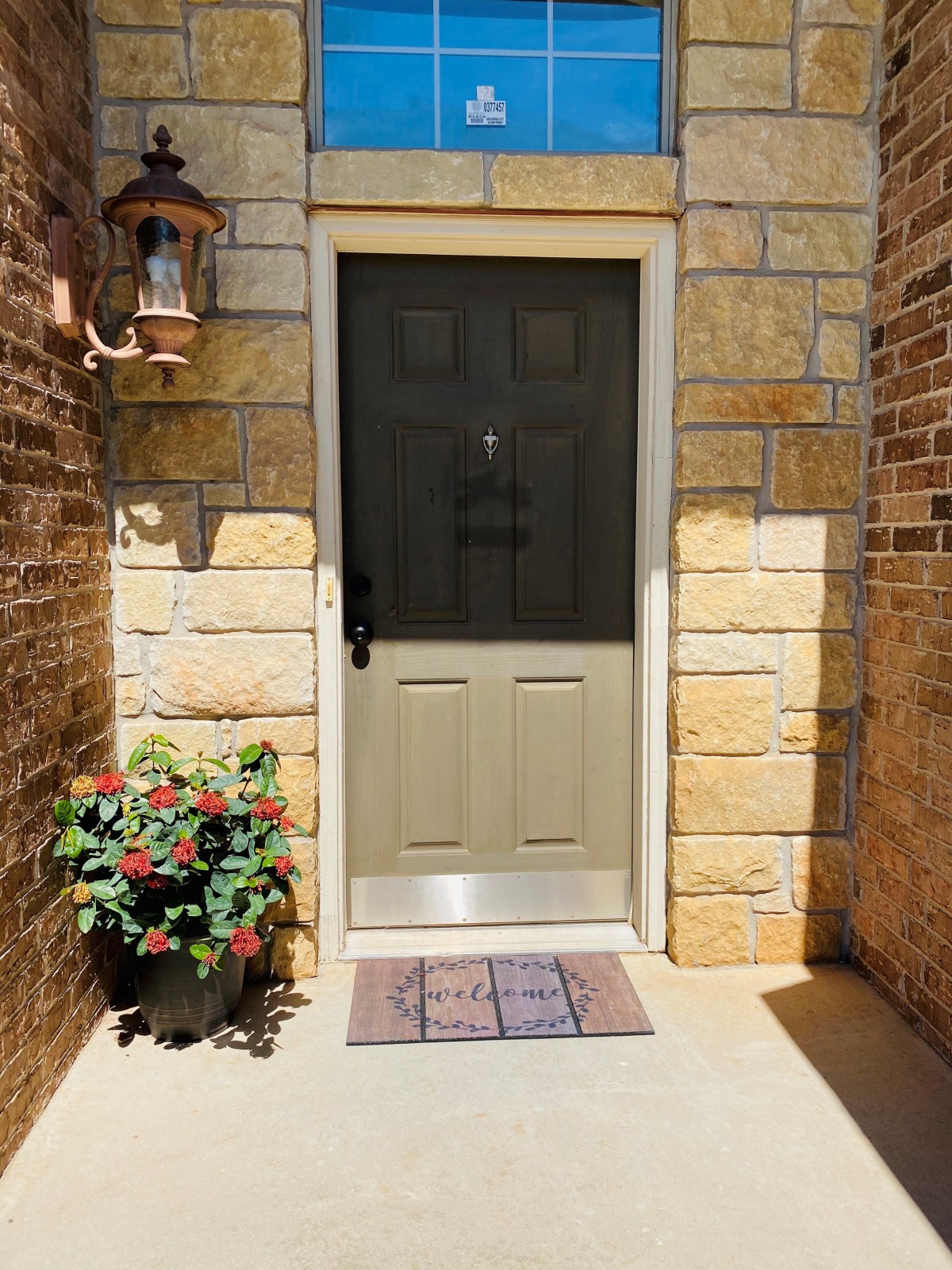
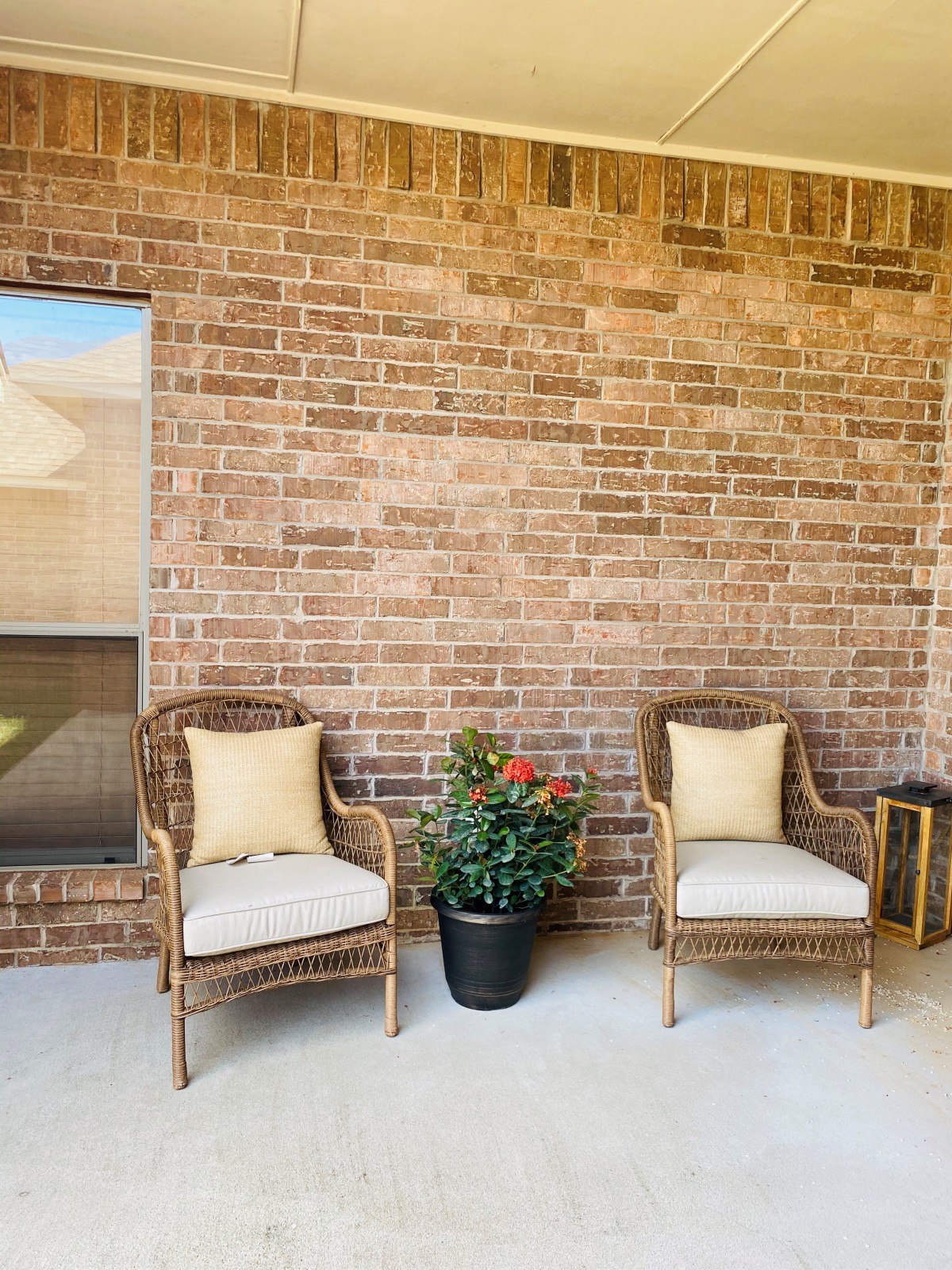
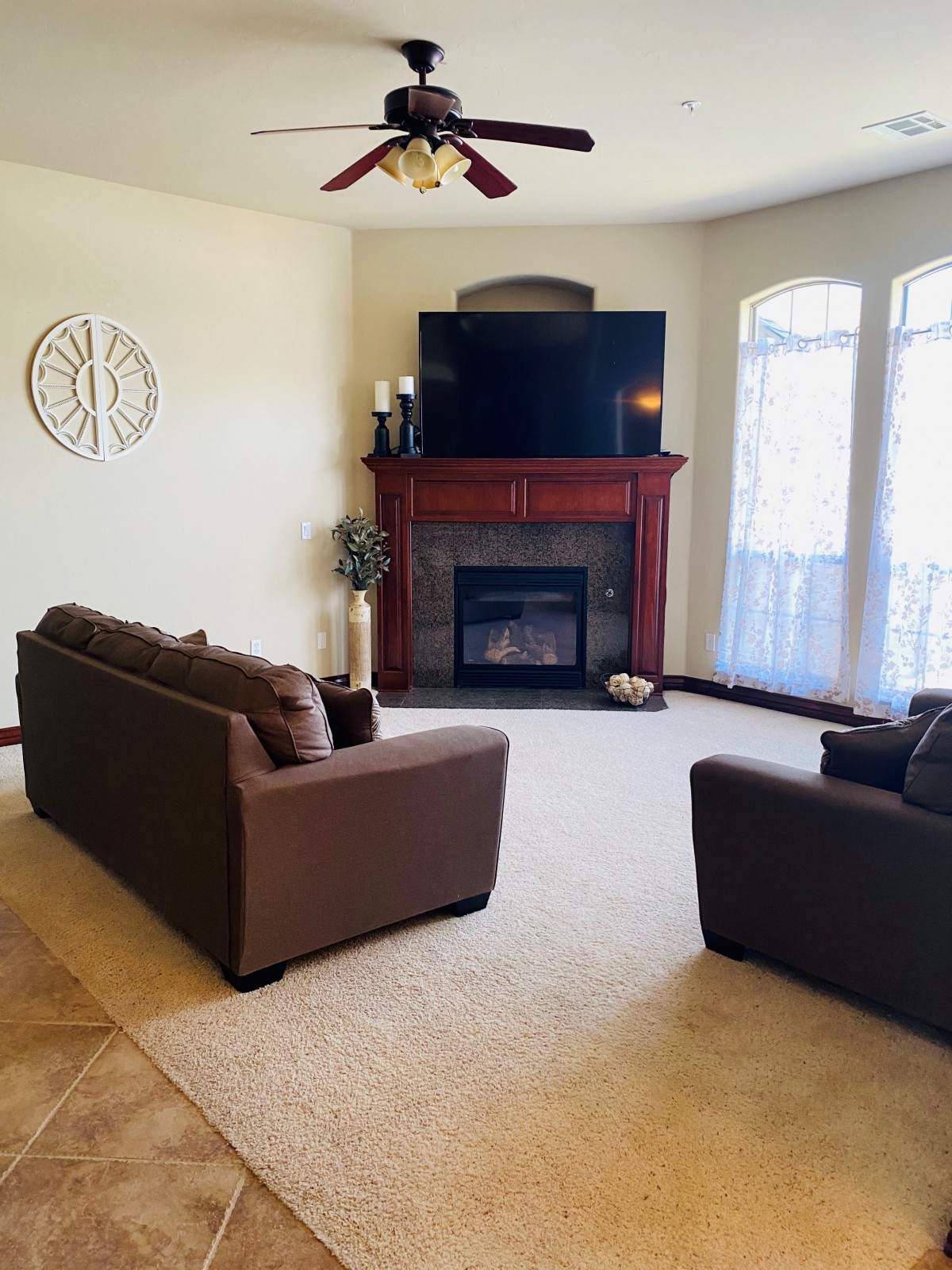
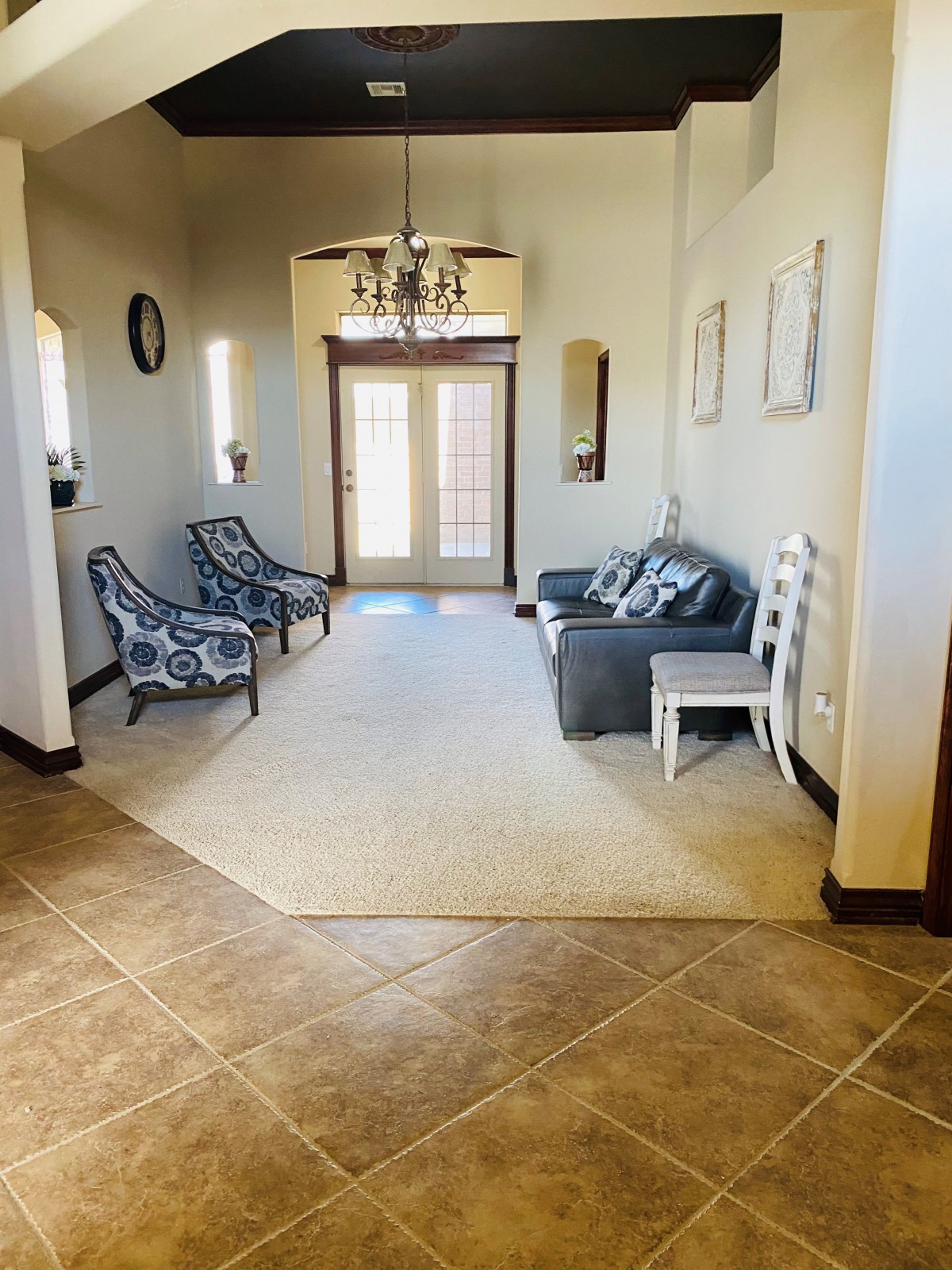
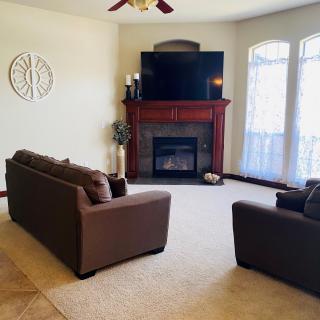
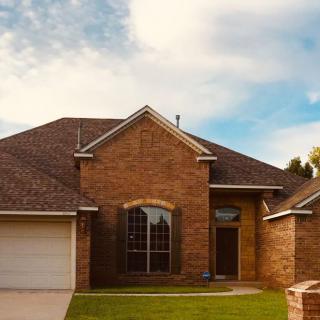
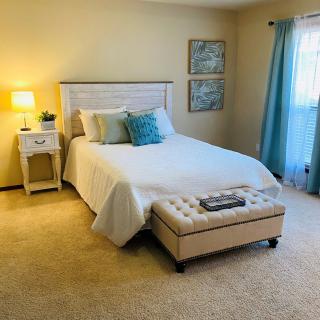
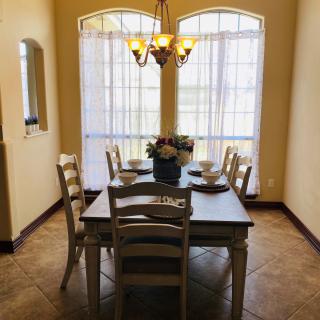
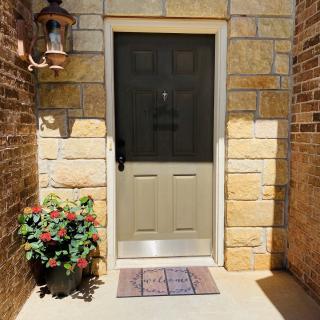

8817 NW 121st St, Oklahoma City, OK 73162
To contact a resident: (405) 367-7213
For more information about senior living options: (866) 208-4318
Superior Care Homes Costs & Pricing
At Superior Care Homes, the monthly cost for a private room is $6,900, which reflects our commitment to providing exceptional care and amenities tailored to each resident's needs. In comparison, the average cost in Oklahoma County is lower at $5,637, while the broader state average stands at $4,618. While we acknowledge that our pricing may be higher than both county and state averages, it is important to consider the enhanced services and personalized attention that residents receive at Superior Care Homes. Our focus on quality ensures a superior living environment where comfort and care are paramount.
| Floor plans | Superior Care Homes | Oklahoma County | Oklahoma |
|---|---|---|---|
| Private | $6,900 | $5,637 | $4,618 |
Senior living communities with a similar price nearby
-
from -$400 / mo
Iris Memory Care Northwest Oklahoma City
$6,500 / month2.8 miles away -
from -$1305 / mo

HarborChase of South Oklahoma City
$5,595 to $7,035 / month17.3 miles away -
from +$300 / mo

Eden House at the Greens
$7,200 to $7,800 / month4.4 miles away -
from -$1100 / mo

The Heaven House LLC, St Clair
$5,800 / month7.3 miles away -
from -$1100 / mo
The Heaven House Treadwell
$5,800 / month7.5 miles away
Overall Review of Superior Care Homes
Pros
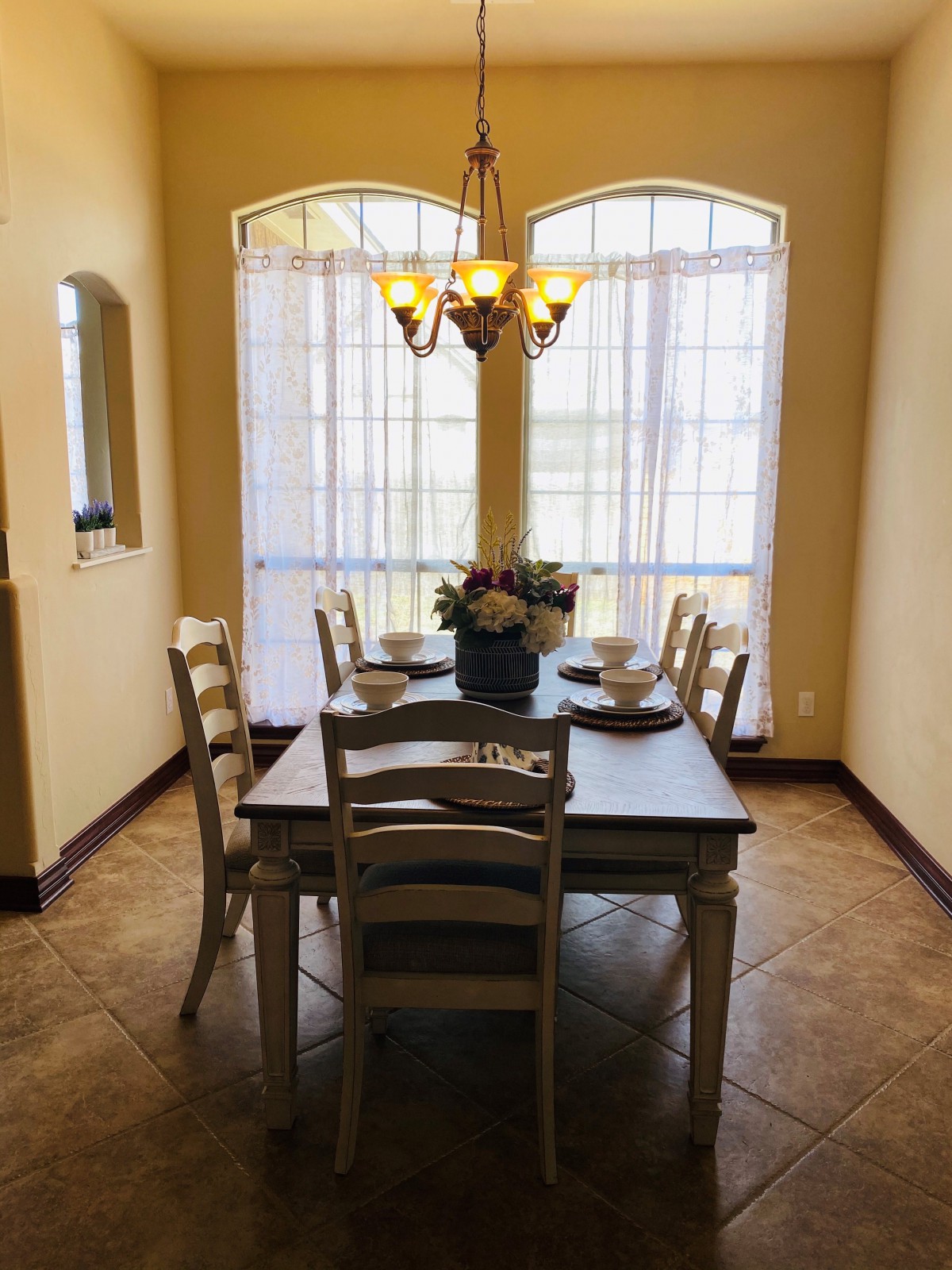
 They love the food here.
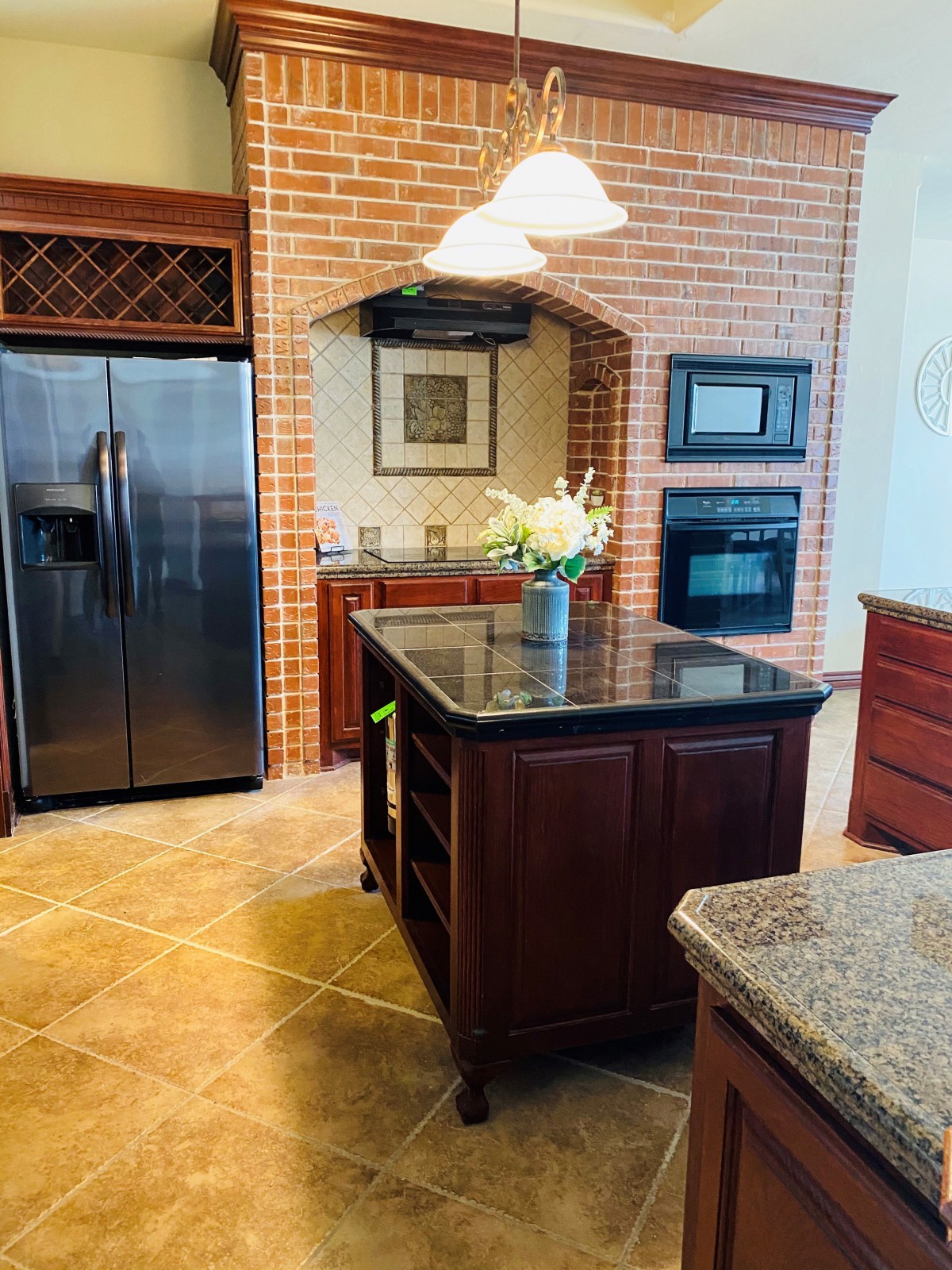
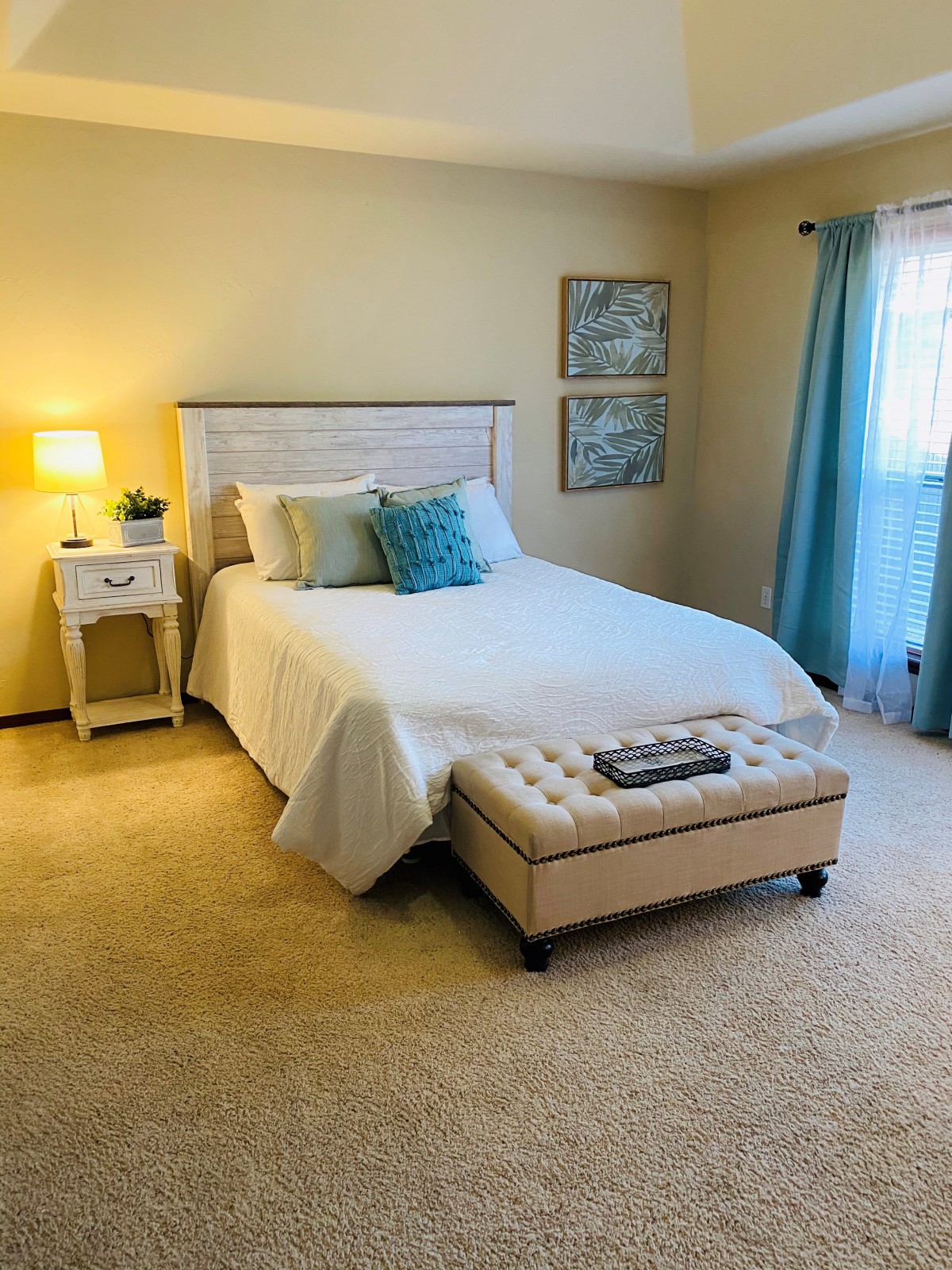
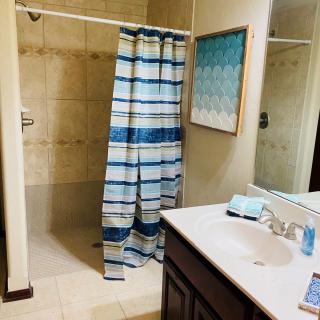
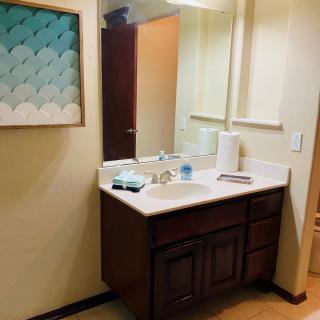
- Each room has its own private ensuite bathroom.
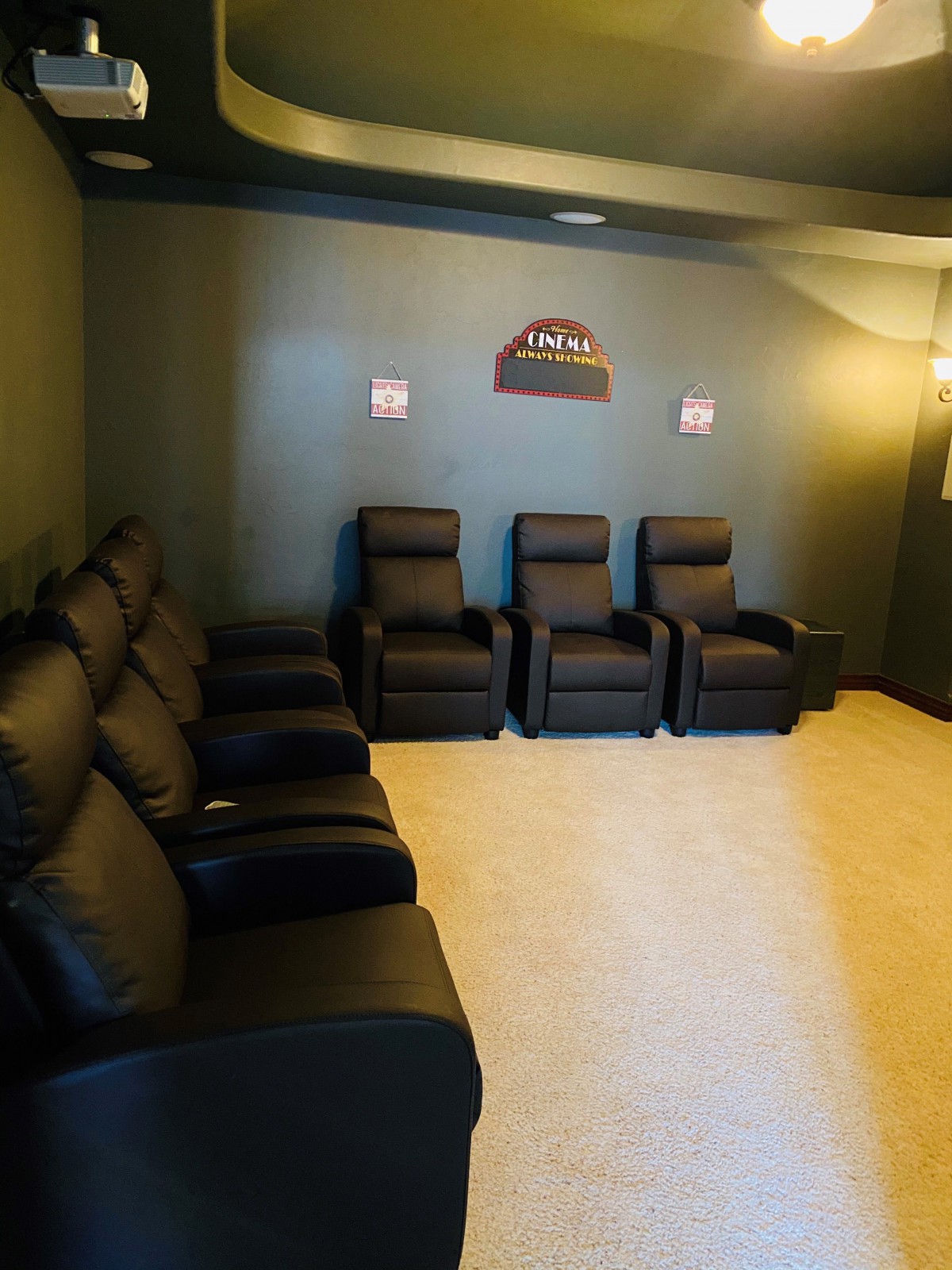
- The theater is a nice touch.
Cons
 The rent was raised by over 100%, making it impossible to pay.
- The claim that care would improve did not materialize; care did not increase in proportion to the rent.
- Management discourages families from using cameras or engaging with workers through cameras.
- If a loved one is harmed, the suggested action is to report it to the state ombudsman.
- Four of the six medications sent home were expired, indicating medications were not given regularly.
- Hospice workers observed showers where the resident was covered in dried feces.
- The resident was left sitting at the dining table alone after others finished, with staff not assisting.
- There was hardly any engaging activity or conversation, just TV.
- The cost is not worth it; families should consider keeping their loved one at home or choosing a different facility.
Review
Superior Care Homes in Oklahoma City is best suited for families that prize private en-suite rooms, solid on-site dining, and a populated entertainment slate, and who are prepared to absorb a steep and ongoing rise in fees. The community leans into comfort and routine, delivering private living space and predictable daily rhythms that can feel like a bridge between independent living and full assisted care. For households where the financial willingness to fund a substantial price jump is present, and where privacy and amenities are prioritized over aggressive care targets, this facility can deliver a livable, even pleasant, day-to-day experience.
Those evaluating alternatives should be mindful of cost stability and consistently attentive caregiving as nonnegotiables. The most decisive red flags here are affordability volatility and questions around whether rising charges are paired with proportional gains in care. If budgeting requires predictable monthly costs, or if evidence of reliable, hands-on assistance and daily support is essential, other options should be explored. In short, a facility that can promise steadier pricing and demonstrably robust caregiving will usually be a better fit for families under long-term care pressure.
The visible positives, private rooms with ensuite baths, strong dining, and a theater/amenities lineup, will comfort families seeking comfort and routine. Those features matter, particularly when a loved one will spend substantial time in a single room or participate in in-house activities. Yet these advantages do not negate the more troubling gaps that have emerged in this setting. The claim that care levels rose with price increases is not borne out by the reported experiences, and the practical daily realities around medication management, personal hygiene, and staff engagement point to deeper, systemic shortcomings. A facility can be warm and well-appointed while still failing to deliver reliable, respectful caregiving; in this case, the gaps tilt the balance against long-term placement at a high price.
From a risk-management perspective, the most serious concerns hinge on safety and daily oversight. Expired meds being returned home, inconsistent assistance during routine tasks like showers, and residents left sitting at meals without staff engagement all signal meaningful lapses in basic caregiving. The absence of proactive interaction beyond passive TV viewing compounds the risk, especially for residents who rely on staff for reminders, monitoring, and social stimulation. The management stance toward resident oversight, specifically discomfort with cameras as a means to verify care, further complicates accountability. In short, the protections one expects when a loved one is entrusted to a care setting are not consistently evident here, and that absence of reliability cannot be ignored when weighing options.
For families proceeding with caution, the recommended due diligence is concrete and practical. Request a current, itemized rate schedule with clear caps on annual increases, and obtain a written care plan that outlines staffing ratios, frequency of hands-on assistance, and escalation procedures. Seek recent, verifiable records of medication administration processes and a direct line of communication with the facility’s clinical leadership. Schedule an on-site observation focused on how staff interact with residents during meals, personal care tasks, and activity programming. Talk to any current or recent residents or families about responsiveness, and, if available, corroborate with state inspection findings and any hospice involvement. The goal is to separate pleasant conveniences from verifiable, day-to-day caregiving reliability.
In the end, the decision rests on balancing comfort features against the certainty of care quality and cost predictability. Superior Care Homes offers attractive living space, private suites, good hospital-grade meals, and in-house leisure amenities, that can make daily life pleasant. However, the price volatility and clear caregiving gaps make this option risky for families whose top priorities are steady care, reliable hygiene practices, and transparent pricing. For those who can secure firm cost controls and insist on demonstrable, high-quality daily care, this community may still be worth a careful trial. For everyone else, a more price-stable facility with proven daily caregiving excellence, or choosing in-home care with professional support, stands out as the wiser, more protective path.
 Board and Care Home
 Activities on-site
 Bath tubs
 Beautician on-site
 Cable or satellite TV
 Devotional services off-site
 Indoor common areas
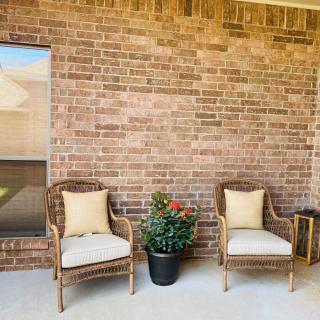
 Outdoor common areas
 Private
 Private bathrooms
 Respite or short term stays offered
 Wheelchair accessible showers
 Wi-Fi/high-speed internet available
 Will Rogers World (14 miles away)
 Ambulatory care
 Diabetic care
 High acuity care
 Incontinence care
 Medication management
 Gluten-free
 Art classes
 BBQs or picnics
 Birthday parties
 Gardening club
 Stretching classes
 Trivia games




 A Comprehensive Exploration of Common Misunderstandings about Powers of Attorney
 Senior Move Management: Understanding the Role, Value, and Associated Costs
 Weight Training for Seniors: Building Strength and Vitality