

9111 Sharrott Rd, Youngstown, OH 44514
To contact a resident: (330) 726-7110
For more information about senior living options: (866) 208-4318
Overall Review of Shepherd of the Valley-Poland
Pros
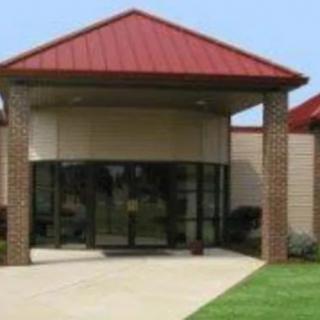
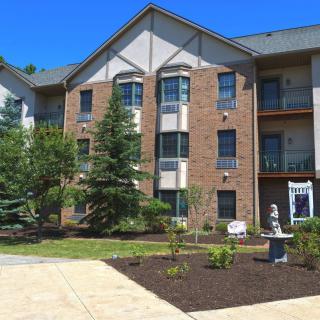
 The facility is nice.
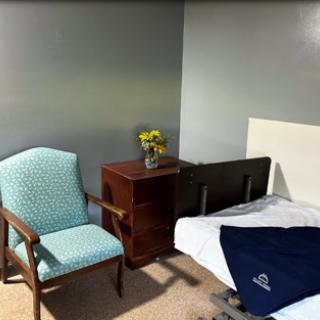
- The facility offers clean, spacious rooms, and a staff that is dedicated to helping residents.
- It appears to be a nice place.
Cons
 The facility is understaffed.
- It is not medically equipped to deal with residents with urinary problems.
- The housekeeping department is Mia most of the time.
- The facility is not a five-star facility.
- There have been incidences of theft on the premises.
- The open-door policy allows anyone to walk in, contributing to theft.
Review
Shepherd of the Valley- Poland is best suited for seniors who want a clean, comfortable setting with reasonably spacious rooms and a staff that appears genuinely engaged in resident care, provided the care needs are not highly complex. This community appeals to families seeking a pleasant, home-like atmosphere where daily living feels well supported on a surface level. For residents with significant medical needs, particularly those requiring robust urinary-care management or continuous skilled nursing, this is not the best fit. Those families will want to explore options with stronger on-site clinical resources and more aggressive care planning.
Those weighing alternatives should particularly consider residents who require consistent, high-level medical oversight, comprehensive continence programs, or strong security protocols. An open-door environment and reported security gaps can be a red flag for families prioritizing safety and controlled access. If a resident’s routine involves complex wounds, catheter care, or frequent medication management, another community with verified nursing coverage and tighter access controls will likely deliver more reliable outcomes. In short, those who cannot tolerate care gaps or security vulnerabilities should look elsewhere.
On the upside, the facility presents clean, well-maintained spaces and rooms that feel roomy and welcoming. The staff, when present, comes across as attentive and genuinely committed to helping residents, which translates into meaningful day-to-day interactions and a sense of personal attention. This combination, clean surroundings plus responsive staff, can make daily life feel calmer and more orderly for residents with moderate needs and less demanding clinical requirements. For families prioritizing comfort, ambiance, and friendly service, these elements matter and should be weighed carefully against staffing realities.
The major drawbacks center on staffing levels and the breadth of medical capabilities. Several accounts note that the campus is under staffed, which translates into slower response times, gaps in routine care, and a potential mismatch between need and resource. The specific concern around urinary or continence care indicates a vulnerability for residents who depend on timely, competent management of incontinence issues. Housekeeping reliability also dips at times, described as inconsistent by some, which can erode the daily sense of order that supports well-being in senior living. Equally troubling are reports of theft tied to an open-door policy, suggesting security weaknesses that could unsettle families who value safeguarding residents’ possessions and privacy.
Taken together, the positives do not fully offset the gravity of the cons. Cleanliness and a dedicated staff are meaningful benefits, and they can sustain a reasonable quality of life for residents with moderate care needs and families who stay closely involved. However, the combination of understaffing, limited clinical readiness for urinary problems, inconsistent housekeeping, and tangible security concerns creates a palpable risk profile. For residents who require timely medical intervention, predictable staffing coverage, and reinforced safety measures, this community falls short of the level seen in better-staffed facilities with stronger internal controls.
For families considering this option, a disciplined, evaluative visit is essential. Ask for current staffing ratios, the existence of on-site nursing coverage, and how urinary-care needs are managed day-to-day. Inquire about security protocols, satisfaction with incident reporting, and what steps are taken to prevent theft or unauthorized access. If those assurances feel inadequate, move decisively toward communities known for robust nursing support, tighter visitor control, and proven housekeeping consistency. If choosing Shepherd of the Valley- Poland, go in with clear expectations about response times, clinical capability, and security, and insist on visible improvements or set a firm plan for escalation if gaps persist.
 Board and Care Home




 Comprehensive Guide to Qualifying for Home Health Care Services
 Powerful Realities of Elder Abuse and the Most Effective Ways to Report It
 Ten Vital Duties of a Senior Caregiver: A Comprehensive Guide