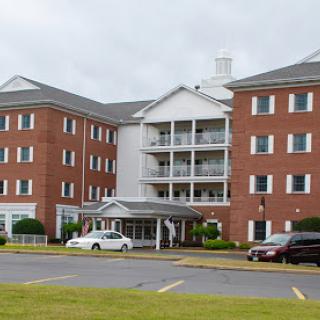
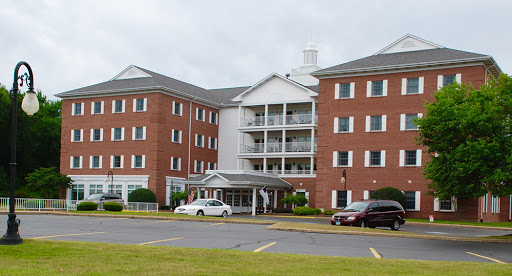
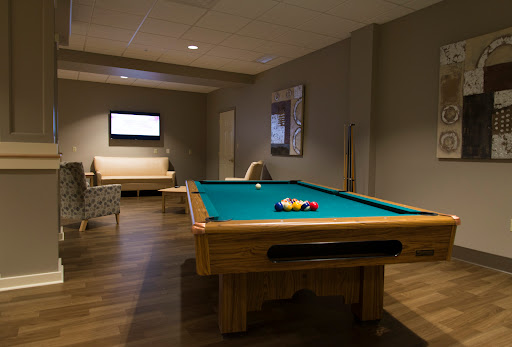
301 West Western Reserve Road, Poland, OH 44514
For more information about senior living options: (866) 208-4318
Shepherd Of The Valley Poland Costs & Pricing
At Shepherd Of The Valley Poland, the monthly cost for a one-bedroom unit is set at $3,500. This figure positions the facility competitively within the local landscape of Mahoning County, where the average cost for similar accommodations stands at $3,657. In comparison to the broader state level in Ohio, which averages $3,712 for a one-bedroom, Shepherd Of The Valley Poland offers attractive pricing that reflects both value and quality care. This makes it an appealing option for those seeking residential services in a supportive community environment while maintaining affordability relative to other facilities in the area.
| Floor plans | Shepherd Of The Valley Poland | Mahoning County | Ohio |
|---|---|---|---|
| 1 Bedroom | $3,500 | $3,657 | $3,712 |
Skilled Nursing Facilities with a similar price nearby
-
from +$151 / mo
Celebration Villa of Chippewa
$3,651 to $5,090 / month20.9 miles away -
from -$489 / mo
Ohio Living Lake Vista
$3,011 to $4,896 / month24.4 miles away -
from -$520 / mo
Garden Way Place
$2,980 to $5,910 / month20.2 miles away -
from +$500 / mo

Austintown Healthcare Center
$4,000 / month7.7 miles away -
from +$535 / mo

Liberty Arms Assisted Living
$4,035 to $5,420 / month12.2 miles away
Overall Review of Shepherd Of The Valley Poland
Pros
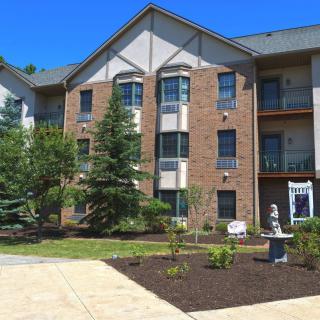
 The facility is nice.
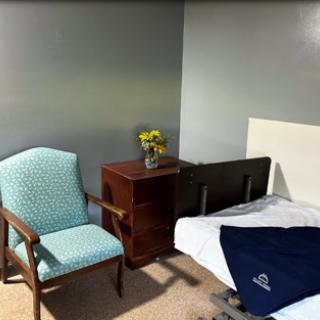
- The rooms are clean and spacious, and the staff are dedicated to helping their clients.
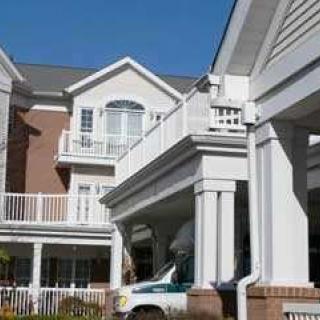
- It looks like a nice place on the surface.
Cons
 The facility is understaffed and not medically equipped to handle residents with urinary problems.
- A nurse failed to apply BiPAP as ordered, allowing CO2 levels to rise and endangering the patient.
- The nurse claimed she didn’t know how to use the BiPAP machine and did not seek help, risking the patient’s safety.
- A nurse was reportedly fired on the same day, indicating lapses in care quality.
- There have been multiple theft incidents on the premises.
- The open-door policy allows anyone to walk in, which is an unacceptable security risk.
- The facility is not up to five-star standards.
Review
Shepherd Of The Valley Poland is best suited for seniors who prize a clean, inviting physical environment and reliable daily support, yet do not require heavy, around-the-clock medical management. The community delivers clean, spacious rooms and a visible commitment from staff to assisting with routine tasks, meals, personal care, and social engagement. For families that can participate actively in oversight and care planning, the setting can feel both comfortable and reassuring, a solid base for a resident who mainly needs help with daily living rather than advanced clinical needs.
Those with significant medical complexities should seriously consider alternatives. The reviews flag a pattern of staffing gaps and limited clinical readiness, including an incident where a BiPAP machine was not used as prescribed, risking dangerous CO2 buildup. That kind of lapse points to gaps in medical oversight and emergency responsiveness that can be consequential for residents with respiratory or other complex needs. Additionally, the facility’s housekeeping and overall clinical preparedness appear strained, and there are clear concerns about accountability when medical protocols fail. A couple of reviews also raise security questions, noting an open-door policy that invites unauthorized access and potential theft, which compounds risk for vulnerable residents and anxious families.
The facility’s strengths are tangible in daily life: clean, well-maintained rooms and an apparently dedicated staff striving to help residents with routine needs. The immediate benefits, assistance with activities of daily living, a pleasant living environment, and staff who appear engaged, can translate into a respectable quality of day-to-day life for someone who mostly requires help with dressing, bathing, meals, and social participation. Yet the big caveat remains: those everyday positives do not fully offset the heavier cons. When medical acuity rises or rapid escalation becomes necessary, the apparent gaps in staffing, training, and clinical equipment may erode confidence and safety. In decision-making terms, the environment can support comfort and companionship, but clinical security and emergency management appear fragile enough to require vigilant oversight or outside backup.
Specific red flags deserve careful consideration. A nurse’s failure to apply the prescribed BiPAP, with no timely escalation, is not a minor hiccup but a potentially life-threatening lapse. The subsequent report of a staff member being fired the same day signals turnover and accountability issues that ripple through care quality, reliability, and resident trust. Open-door access and the associated theft concerns add another layer of risk, especially for residents who require supervision or have memory or wandering challenges. These factors do not automatically preclude choosing this community, but they fundamentally shape risk assessment and the level of family involvement and governance that will be necessary to sustain safety and quality.
From a decision-making perspective, the path requires concrete diligence. Demand up-to-date staffing data, including nurse-to-resident ratios, on-site availability of respiratory therapy equipment, and clear daily rounds by licensed nursing staff. Insist on a formal plan for respiratory support and urinary management, detailing device deployment, troubleshooting, documentation, and escalation procedures. Probe security protocols: visitor controls, incident-reporting practices, alarm systems, and how the open-door policy is managed in practice. When comparing with similar communities, weigh those with stronger clinical staffing, more consistent emergency response, and stricter safety controls. If staying in the mix, insist on a trial period with explicit milestones and a care conference to address deficits upfront, ensuring ongoing access to the supervising nurse or administrator for accountability.
The bottom line is practical and decisive. Shepherd Of The Valley Poland can function as a sensible home for seniors who prioritize a pleasant, home-like atmosphere and reliable help with daily activities, provided medical needs remain modest and oversight remains substantive. For families facing higher medical demands, or for those unwilling to tolerate staffing gaps and security vulnerabilities, it is prudent to explore alternatives with higher nurse coverage, tighter access controls, and more robust management of respiratory and urinary care. The ultimate choice hinges on whether the resident’s daily comfort and social engagement can be paired with dependable clinical oversight and real, sustained accountability.
 75 resident community capacity
 Assisted Living
 Continuing Care Retirement Community (CCRC)
 Independent Living
 Skilled Nursing Facility
 Air-conditioning
 Beauty salon
 Cable or satellite TV
 Computer center
 Dining room
 Fitness room
 Fully furnished
 Gaming room
 Garden
 Housekeeping services
 Kitchenette
 Move-in coordination
 Outdoor space
 Private bathrooms
 Restaurant-style dining
 Small library
 Telephone
 Wellness center
 Wi-Fi/high-speed internet available
 Community operated transportation
 12-16 hour nursing
 24-hour call system
 Activities of daily living assistance
 Assistance with bathing
 Assistance with dressing
 Assistance with transfers
 Diabetes diet
 Medication management
 Mental wellness program
 Special dietary restrictions
 Concierge services
 Planned day trips


 Exploring the Path to Senior Living: A Comprehensive Look at Independent Living and Assisted Living
 Is Assisted Living Deductible on Your Taxes? Understanding the Complexities of Assisted Living Expenses and Deductions
 Assisted Living Support for Veterans: A Complete and Detailed Overview