
370 East Howard Street, Willard, OH 44890
For more information about senior living options: (866) 208-4318
Overall Review of Pristine Retirement Living Of Willard
Pros
 The staff were caring and attentive.
- The facility was clean and friendly.
- They experienced a peaceful end to their loved one's life.
- The facility is the best in the area.
- The staff were very friendly and made visitors feel welcome.
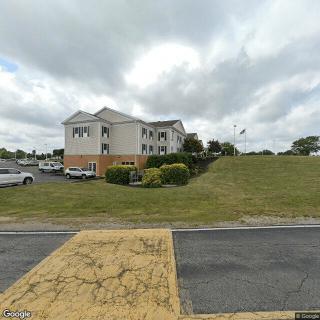
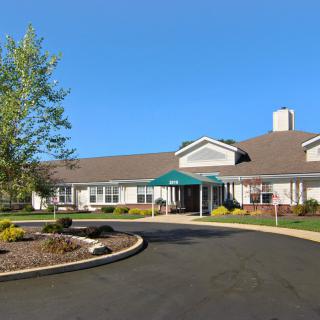
- The cleanliness of the building and grounds impressed visitors.
- The courtyards offered accessible outdoor spaces with personalized touches for residents.
Cons
 The reviewer claimed a patient was left in soaked adult diapers with vaginal sores while a nurse was on vacation, indicating neglect.
- The reviewer warned that if this neglect continued, they would not be nice, implying anger about the care.
- The reviewer suggested the facility deserved a zero-star rating based on what they heard.
Review
Pristine Retirement Living Of Willard is best suited for families seeking an intimate, care-forward setting where interactions with staff feel personal and residents are kept in a clean, calm environment. This community appears to appeal to seniors who do not require aggressive medical programming, and to families who value routine, straightforward care wrapped in a neighborly atmosphere. The strongest fit lives in the space where daily attentiveness and a sense of security matter most: regular contact with caregivers, predictable routines, and a home-like feel rather than a large-campus dynamic. For those prioritizing dignity in everyday care and easy visitation, this facility offers a compelling package, including evidence of kind staff and a focus on the resident’s comfort.
However, the decision should consider who may want alternatives. If a resident demands higher-level medical oversight, complex wound care, or highly structured programming, larger facilities with more robust clinical teams may be a safer bet. If consistency and guaranteed parity of care across shifts is non-negotiable, or if memory-care or chronic-condition management requires specialized protocols, exploring other options is prudent. Families should also be wary of staffing reliability and communication patterns; the best-fit candidates are those who can tolerate some variability but insist on clear lines of accountability and timely updates.
On the plus side, several observations point to genuine warmth and diligence. In a highly favorable account, staff were described as caring and attentive during the span of months with a relative, and the environment was noted as clean and friendly. Another strong signal is the report of a peaceful end-of-life experience thanks to attentive caregivers, suggesting consistent bedside presence and compassionate routines when needed. Visitation appears feasible and staff interactions generally reflected a welcoming tone. When the team is at its best, residents benefit from personal attention, a sense of belonging, and a daily life that feels manageable and respectful.
Yet a stark and credible warning runs through the mixed feedback. A family recounted a troubling lapse: a nurse who visited infrequently, then left a resident in soiled conditions with wounds while that nurse was on vacation, followed by threats of retaliation for reporting. This kind of account raises red flags about supervision, incident response, and the level of immediate care residents receive during staff gaps. With several one-star impressions and a 3.3 overall rating from eight reviews, the pattern is clearly uneven. Potential families must weigh the risk that care quality can sharply dip during staff shortages or vacations, even if other days look routine and orderly.
How the positive aspects interplay with the negatives matters for decision-making. Cleanliness, a friendly atmosphere, and compassionate caregivers can deliver a high floor of everyday living, but that value is undermined if critical moments of care, diaper management, skin integrity, timely updates, are allowed to fall behind. The pro is that when staffing is cohesive and communication is robust, the good days outweigh the worry, with residents staying comfortable and families feeling informed. The con is that without strong policies for coverage, escalation, and accountability, a few lapses can escalate into serious harm. Pros offset cons only to the extent that oversight and consistency are enforced.
For families pursuing this community, the practical path is to demand concrete assurances before move-in. Seek a current, detailed care plan with assigned staff, on-site supervision during all shifts, and a clear protocol for when regular caregivers are unavailable. Request regular, scheduled updates with direct contact points, not generic notes, and verify how incidents are logged and acted upon. Tour at different times to observe staff-resident interactions and cleanliness, ask about staffing ratios and turnover, and review grievance procedures. If the facility cannot provide credible commitments on these fronts, it is wise to compare other options that offer steadier staffing and transparent care management.
 30 resident community capacity
 Assisted Living
 Skilled Nursing Facility
 Beauty salon
 Cable or satellite TV
 Dining room
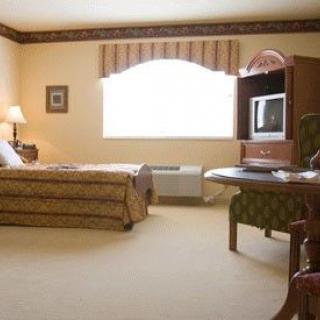
 Fully furnished
 Garden
 Housekeeping services
 Kitchenette
 Move-in coordination
 Outdoor space
 Restaurant-style dining
 Small library
 Telephone
 Wi-Fi/high-speed internet available
 24-hour call system
 Activities of daily living assistance
 Assistance with bathing
 Assistance with dressing
 Assistance with transfers
 Diabetes diet
 Medication management
 Mental wellness program
 Special dietary restrictions



 Vibrant Senior Living: A Comprehensive Guide for Active Older Adults
 When to Transition from Assisted Living to Memory Care: Key Indicators, Steps, and Finding the Right Community
 Assisted Living and Memory Care: Understanding Their Core Differences