4220 North Holland Sylvania Road, Toledo, OH 43623
For more information about senior living options: (866) 208-4318
4.1 from 40 reviews
5 stars
20
4 stars
12
3 stars
2
2 stars
4
1 stars
2
The Grove at Oakleaf Village at Toledo Costs & Pricing
The Grove at Oakleaf Village in Toledo offers competitive pricing for various room types compared to both Lucas County and the broader state of Ohio. For a studio apartment, residents can expect to pay $2,879 per month, which is notably lower than the average costs in Lucas County ($3,843) and Ohio ($3,727). One-bedroom units are priced at $3,419, slightly above the county's average of $2,789 but still competitive with the state average of $3,712. Meanwhile, two-bedroom accommodations are offered at $3,899, significantly exceeding Lucas County's average of $2,513; however, they remain within range of Ohio's average cost of $3,501. Overall, The Grove at Oakleaf Village presents a unique balance between quality living options and affordability in comparison to surrounding areas.
Floor plans
The Grove at Oakleaf Village at Toledo
Lucas County
Ohio
Studio
$2,879
$3,843
$3,727
1 Bedroom
$3,419
$2,789
$3,712
2 Bedrooms
$3,899
$2,513
$3,501
Memory care communities with a similar price nearby
Overall Review of The Grove at Oakleaf Village at Toledo
common22 reviews mention this
Staff are consistently helpful
Residents and families repeatedly describe the staff as kind, encouraging, and responsive to needs.
Across many reviews, residents are described as “in good hands,” with staff members who feel present and willing to help. Several families specifically mention communication and follow-up, including being checked on after a loved one was out longer than expected. Even when reviews point out other issues, they still often single out the staff as a standout part of the experience.
caveat6 reviews mention this
Food quality is mixed
Dining reviews are split, with some calling meals excellent and others reporting food served cold or below expectations.
Some reviewers say the food is very good or excellent, and others mention enjoying meals and snacks. At the same time, multiple reviews describe dining as disappointing, including food served cold, items not being available, and selections that do not work as well for seniors. One review also links dissatisfaction to value, saying the meal quality doesn’t match what’s charged.
caveat4 reviews mention this
Pricing feels high overall
Several reviewers call the community expensive or out of reach for their budget.
Cost comes up often, with families describing the community as “ridiculously expensive” or too costly for the apartment and services. Even where someone mentions the value as reasonable compared with other places, affordability is still a recurring concern. Another review mentions the community being out of their price range, even while noting they would consider it for other reasons.
differentiator2 reviews mention this
Memory care neighborhoods approach
Families considering memory care describe dementia neighborhoods and programs designed around that level of care.
One reviewer mentions separate dementia “neighborhoods” with small unit groupings, and another describes a memory-care-focused setup with structured dementia programming across the day. These reviews also connect the layout and activities to their mother’s needs, describing engagement as part of the care experience.
How we summarize
Counts show how many written reviews mention each theme; a review can touch several themes, and only frequently mentioned themes are displayed.
The Grove at Oakleaf Village in Toledo offers competitive pricing for various room types compared to both Lucas County and the broader state of Ohio. For a studio apartment, residents can expect to pay $2,879 per month, which is notably lower than the average costs in Lucas County ($3,843) and Ohio ($3,727). One-bedroom units are priced at $3,419, slightly above the county's average of $2,789 but still competitive with the state average of $3,712. Meanwhile, two-bedroom accommodations are offered at $3,899, significantly exceeding Lucas County's average of $2,513; however, they remain within range of Ohio's average cost of $3,501. Overall, The Grove at Oakleaf Village presents a unique balance between quality living options and affordability in comparison to surrounding areas.
The Grove at Oakleaf Village at Toledo offers a comprehensive range of features that significantly enhance the quality of life for residents with dementia or Alzheimer's disease. With 24-hour supervision, residents receive constant care and support, ensuring their safety and well-being at all times. Assistance with activities of daily living, including bathing, dressing, and transfers, aids in maintaining personal dignity while fostering independence as much as possible. Meal preparation and service are tailored to meet dietary needs, promoting nutrition and routine in daily life. Medication management ensures that residents receive their prescribed treatments on time, which is crucial for maintaining health stability. The mental wellness program addresses cognitive needs through stimulating activities that engage residents' minds positively. Additionally, specialized memory care programming is designed to cater to the unique challenges faced by individuals with even mild cognitive impairment. Physical therapy further supports mobility and overall health, creating a holistic approach that enhances both physical and emotional well-being for those navigating memory-related conditions.
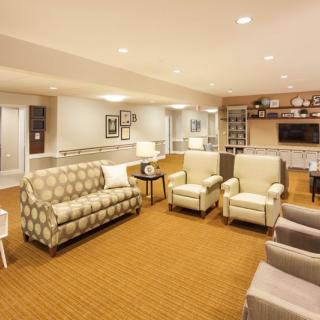
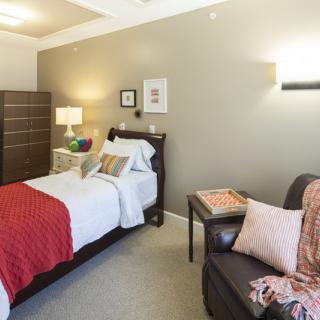
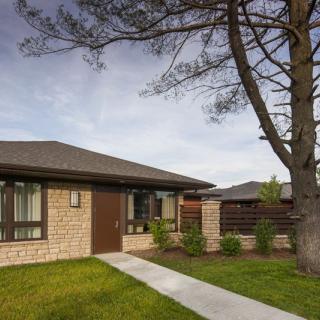
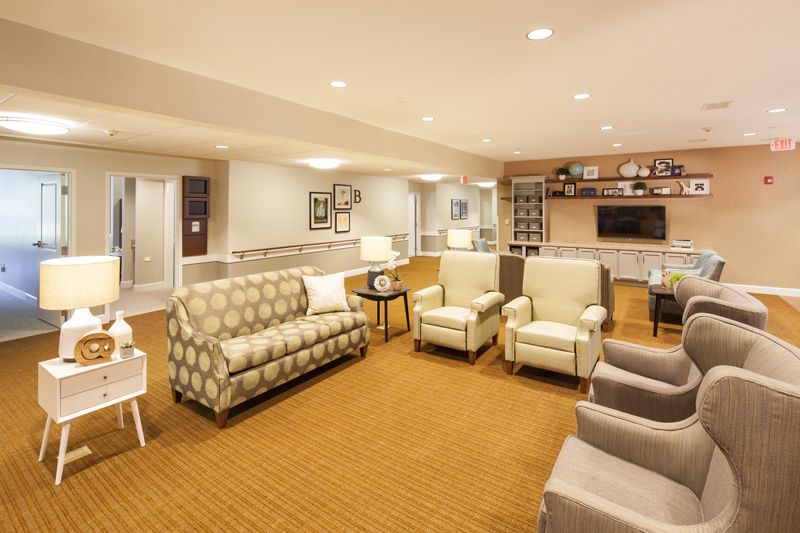
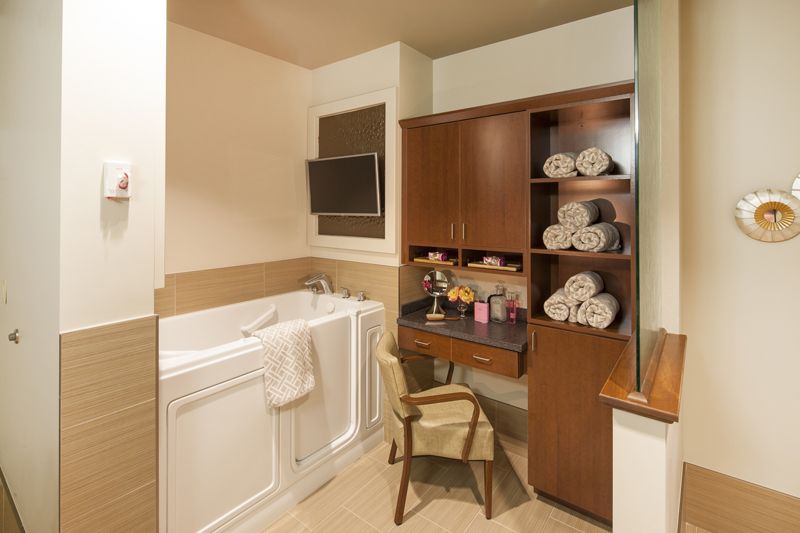
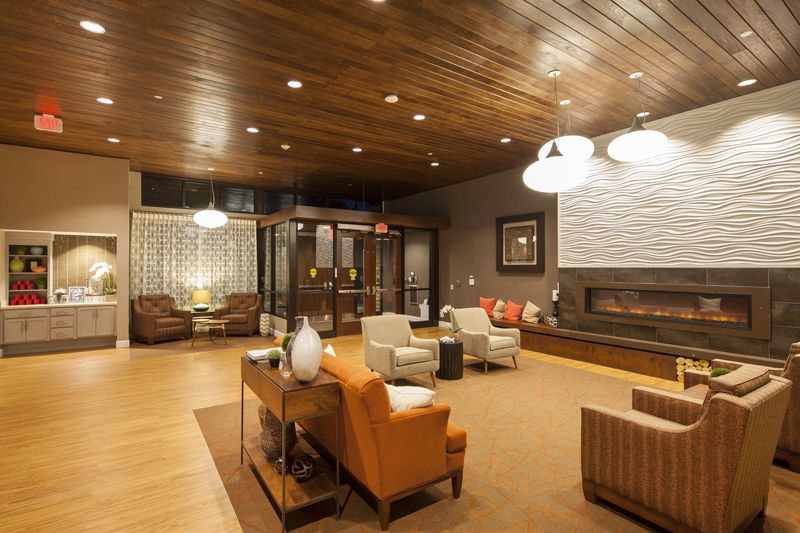
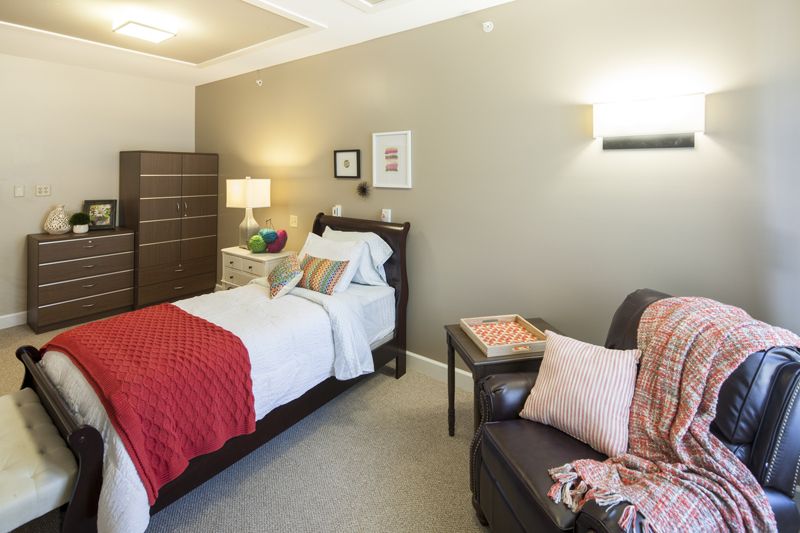
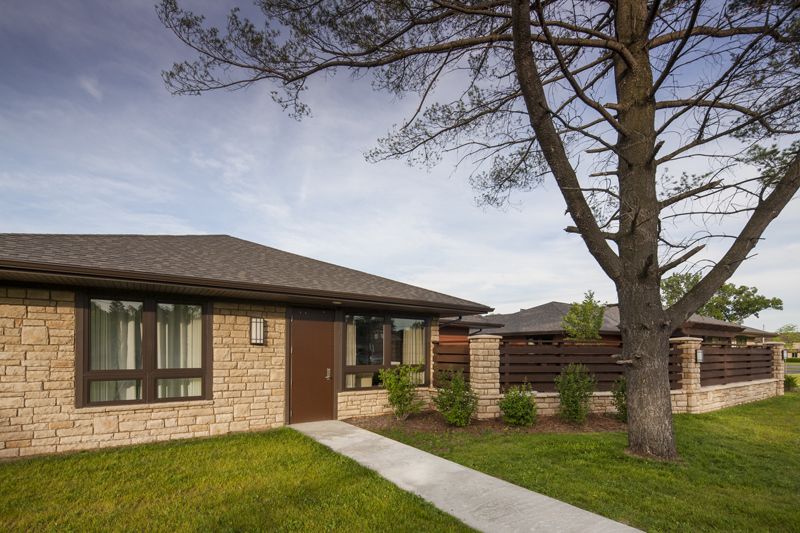
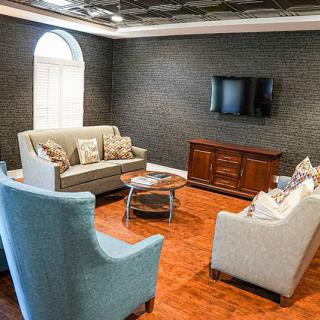
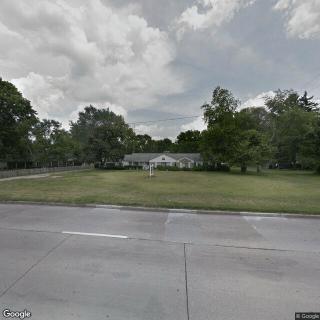
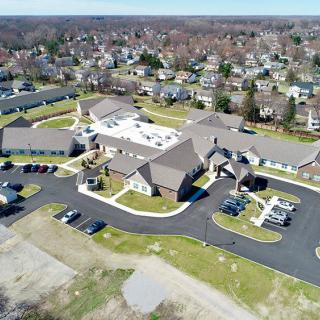
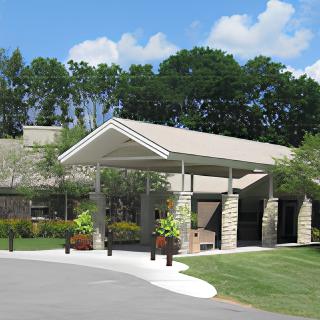
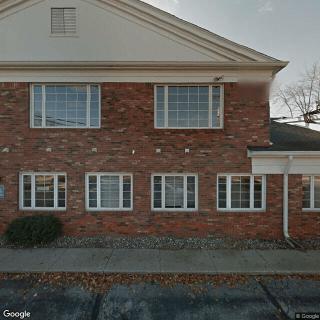
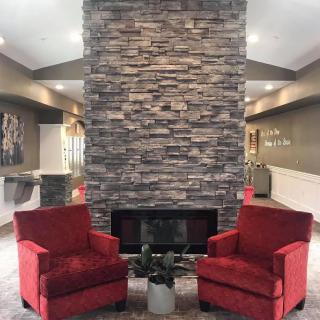
The Grove at Oakleaf Village at Toledo on seniors.fyi includes 5 photos including images showing interior, bedroom, living room, lighting, bathroom, pathway, television, landscaping, and more.
Nearby Communities
Wellington House Apartments
Toledo, OH
4.1 from 33 reviews
Convenient access to cafes, parks, healthcare, dining, worship, and entertainment nearby for seniors.
Franciscan Care Center Sylvania
Toledo, OH
3.3 from 72 reviews
Restaurant-style dining, on-site beauty salon, fitness programs, and transportation support.
Charter Senior Living of Oak Openings
Sylvania, OH
4.4 from 89 reviews
$5,350 to $7,795 / month
Friendly, caring staff in a clean, well-designed facility with engaging activities.
Promedica Goerlich Center
Sylvania, OH
3.7 from 26 reviews
Friendly, professional staff and pleasant, well-maintained apartments.
Heartland At Promedica Flower Hospital Campus
Sylvania, OH
2.8 from 119 reviews
Hospital-campus location with comprehensive care, dining, activities, and transportation.
As Needed Healthcare Inc
Sylvania, OH
Personalized care in a tranquil, amenity-rich location near healthcare and social options.
The Lakes Of Sylvania
Sylvania, OH
4 from 57 reviews
$2,200 to $3,650 / month
Friendly staff, active social calendar, and pleasant, well-kept facilities
Alpine House of Toledo
Toledo, OH
3.5 from 30 reviews
$2,220 to $3,150 / month
Caring staff in a home-like, small-community setting with pleasant dining.
Hampton Manor of Bedford
Lambertville, MI
4 from 26 reviews
$950 to $4,650 / month
Caring, professional staff in a newer, clean facility with engaging activities.
Alzheimer’s disease is a progressive neurological disorder that significantly impacts memory and cognitive functions, accounting for 60-80% of dementia cases, with early diagnosis being crucial yet challenging. It involves brain changes like beta-amyloid plaques and tau tangles, influenced by genetic and lifestyle factors, and while there is no cure, symptom management and support for caregivers are essential.
Dementia, influenced by aging and certain medications, may be exacerbated by drug classes such as anticholinergics, benzodiazepines, and antipsychotics, which are associated with cognitive impairment. Regular medication reviews by healthcare professionals are crucial for older adults to manage risks and optimize cognitive health.
Dementia often results in disrupted sleep patterns, leading to excessive daytime sleeping due to factors like brain damage affecting circadian rhythms, medication side effects, and lack of structure in daily activities. Caregivers must monitor these changes closely, as oversleeping can increase risks such as malnutrition or dehydration, and provide necessary support and routines to enhance patient engagement and well-being.
Get PricingAsk A QuestionSchedule A TourContact Senior Advisor
By clicking submit, you agree to our Partner's Terms of Use. You
also consent to receive calls and texts, which may be autodialed, from our Partner. Your consent is not a condition to
using our Partner's service. Please visit our Partner's Privacy Policy for information about their privacy practices.




 223 resident community capacity
 Studio apartments
 Assisted Living
 Independent Living
 Memory Care
 Cats allowed
 Dogs allowed
 Activities on-site
 Air-conditioning
 Bath tubs
 Beautician on-site
 Cable or satellite TV
 Computer center
 Devotional services off-site
 Dining room
 Fitness room
 Full kitchen
 Fully furnished
 Gaming room
 Garden
 Ground floor units
 Guest parking
 Handicap accessible
 Housekeeping services
 Indoor common areas
 Laundry
 Move-in coordination
 Outdoor common areas
 Private bathrooms
 Restaurant-style dining
 Small library
 Telephone
 Wellness center
 Wheelchair accessible showers
 Wi-Fi/high-speed internet available
 Toledo Express (10 miles away)
 Community operated transportation
 12-16 hour nursing
 24-hour call system
 Ambulatory care
 Assistance with bathing
 Assistance with dressing
 Assistance with transfers
 Diabetes diet
 Diabetic care
 Medication management
 Mental wellness program
 Physical therapy
 Special dietary restrictions
 Art classes
 Bible study group
 Concierge services
 Cooking classes
 Day trips and outings
 Educational speakers / life long learning
 Happy hour
 Live musical performances
 Wine tasting
 English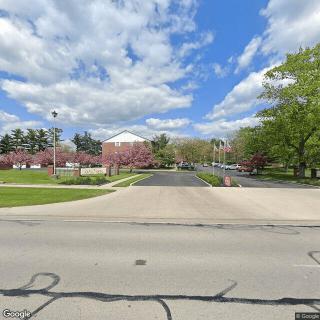
 Convenient access to cafes, parks, healthcare, dining, worship, and entertainment nearby for seniors.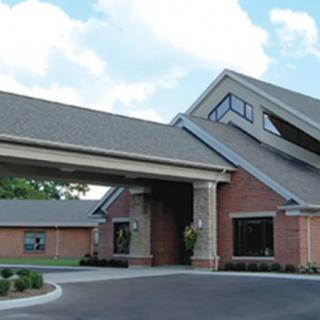



 Illuminating Insights About Alzheimer's Disease: Ten Crucial Realities
 A Thorough Discussion of Medications Potentially Linked to Dementia Risk
 Why Do Dementia Patients Sleep So Much? Understanding Oversleeping, Stages, and Care Approaches