
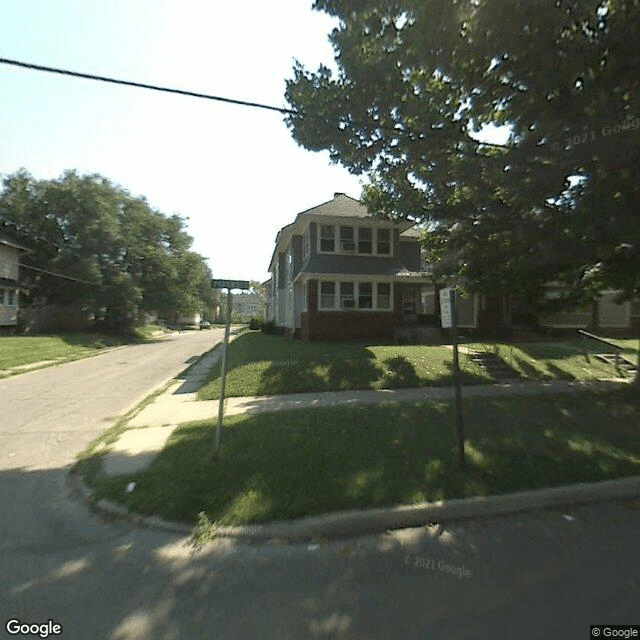
3218 Parkwood Avenue, Toledo, OH 43610
To contact a resident: (419) 243-2014
For more information about senior living options: (866) 208-4318
Overall Review of Robin Mccant Adult Care Homes
Pros
 Parkcliffe Memory Care Community offers a safe environment with around-the-clock care and family-style meals.
 - The caregivers are knowledgeable, warm, and consistently provide attentive, personalized care.
- The staff at Parkcliffe are amazing, kind, compassionate, and engaged with residents.
- Parkcliffe maintains excellent communication with clinicians, families, and local home health, therapy, and hospice providers.
- Families express gratitude for the loving atmosphere and caring staff at Parkcliffe.
- Parkcliffe is praised as one of the best memory care options in the area.
- The Parkcliffe team is repeatedly described as courteous, friendly, and dedicated to residents.
Cons
 The last facility was described as absolutely horrible, with the resident’s diapers not changed regularly and causing severe sores.
- Attendants told him to just “go” in his diaper because they didn’t have time to take him to the bathroom.
- His meals were taken away before he finished.
- His teeth and face were sometimes dirty.
- His clothes were stolen several times, and his room heater was stolen.
- Despite meetings with the director, nothing changed.
- The facility was described as extremely understaffed, with residents treated poorly, calls ignored, and medications not delivered.
- For about $3,000 a month, the family expected staff to answer the phone so loved ones could know how he was doing, which did not happen.
- The reviewer felt residents were not safe there due to staff choices or the visiting families.
Review
This Toledo memory-care community is best suited for families seeking around-the-clock, dementia-focused support where a loving, attentive caregiving team can coordinate hospice and related services. It builds on the premise of safe, family-style meals and staff who know residents well, with many caregivers described as genuinely caring and consistently engaged. For families who value continuity of care, visible warmth from aides and nurses, and a facility that presents as clean and welcoming, this option is a strong match.
However, potential residents and their families should explicitly consider alternatives if safety certainty, reliable communication, and consistent operations are non-negotiable. Several reviews flag inconsistent responsiveness to families, with calls sometimes going unanswered and critical updates not being conveyed promptly. There are also persistent concerns about management attention and accountability, which can translate into real-world risk if incidents or needs are not addressed in a timely manner. For households that require rigorous oversight, transparent incident reporting, and a demonstrable track record of dependable performance, exploring other options is prudent.
On the plus side, the most compelling strengths lie in the memory-care core: 24/7 supervision tailored to cognitive impairment, a care team that demonstrates familiarity with individual resident preferences, and the integration of hospice partners to support progressive needs. Families consistently cite attentive caregiving and the ability of staff to provide personalized care for challenging memory-care situations. The facility also earns praise for maintaining a clean environment and for staff who communicate with clinicians, enabling more cohesive, resident-centered treatment plans. When a loved one’s daily routines, social interactions, and dignity are prioritized, these attributes can meaningfully offset some logistical friction.
The most serious drawbacks, however, are real and nontrivial. Understaffing is repeatedly cited, leading to experiences where assistance can feel delayed or inconsistent. Reports of missed medication delivery, calls that go unanswered, and even security lapses such as theft or unsafe handling of personal items paint a troubling picture for families weighing long-term placement. A few reviewers describe management as almost non-existent or ill-equipped to handle problems promptly, which compounds the risk for residents who rely on constant oversight. In short, the cons threaten the very stability that memory-care residents depend upon every day.
Weighing the pros against the cons, the facility can be a compelling match for families prioritizing compassionate memory-care expertise and strong hospice coordination, particularly when personal interactions with caregivers and nurses have proven meaningful. Those benefits can outweigh noticeable gaps if due diligence during placement confirms robust staffing during peak hours, transparent communication channels, and a credible plan for addressing any staffing or operational lapses. Yet the balance tilts away from suitability for households with heightened safety anxieties or a preference for unquestioned reliability and proactive issue resolution.
Practical steps should guide the next moves. Arrange a candid, in-person tour and request to speak with the director about staffing ratios on each shift, caregiver training, and retention rates. Probe the facility’s emergency and incident reporting processes, and review the most recent weeks’ call and medication delivery logs. Talk with current residents’ families, if possible, to gauge whether communication and responsiveness have improved over time. Ask for specific examples where care teams successfully prevented or resolved problems, and request a trial period or clear assessment milestones. Finally, benchmark against other local memory-care providers with stronger safety records and more consistent oversight to ensure the chosen community aligns with the resident’s needs, expectations, and the family’s comfort with risk versus reward.
 Board and Care Home
 Toledo Express (14 miles away)




 Understanding the Nuances of Palliative Care and Hospice: A Comprehensive Exploration
 Fecal Incontinence in Older Adults: A Comprehensive Guide
 Recognizing the Journey: Understanding and Navigating Anticipatory Grief