Parkcliffe presents a range of monthly costs that reflect its higher-end offerings compared to both Lucas County and the broader Ohio area. For instance, the studio apartments range from $4,150 to $6,503, significantly surpassing the county average of $3,843 and state average of $3,727. One-bedroom units at Parkcliffe are priced at $4,750, which is markedly higher than the county's $2,789 but slightly more competitive than Ohio's average of $3,712. Similarly, semi-private rooms are listed at $5,003 compared to Lucas County's $3,659 and Ohio's $3,965. Private rooms command a premium at Parkcliffe with a cost of $6,003 against local and state averages of $4,341 and $4,771 respectively. This pricing structure indicates that Parkcliffe likely offers premium amenities and services that cater to individuals seeking elevated living environments in their later years.
Floor plans
Parkcliffe
Lucas County
Ohio
Studio
$4,150 to $6,503
$3,843
$3,727
1 Bedroom
$4,750
$2,789
$3,712
Semi-Private
$5,003
$3,659
$3,965
Private
$6,003
$4,341
$4,771
Memory care communities with a similar price nearby
Parkcliffe positions itself around dementia and memory care, and residents describe a dementia-focused approach to daily life.
Several reviews describe Parkcliffe’s memory-care setup and how it supports residents with dementia or progressive memory impairment. Residents and families also mention a more social, less institutional feel, including engagement that’s designed around memory needs. Some reviewers specifically note the community’s different care levels and specialized dementia operation.
common22 reviews mention this
Staff communication and compassion
Families repeatedly describe the staff as caring, knowledgeable, and engaged with residents and clinicians.
Many reviews praise staff members for being compassionate and attentive, with caregivers and nurses described as engaged with residents. Multiple families also mention communication—such as keeping them informed, calling about incidents, and coordinating with clinicians—so they feel involved in care decisions. A number of reviews connect that responsiveness to the comfort residents experienced while living at Parkcliffe.
common3 reviews mention this
Food and dining style
Dining stands out for family-style and home-style meal experiences, with at least one reviewer criticizing food quality.
Some families describe meals as family style and home cooked, and they connect the dining setup with a safer, more comfortable environment. Not all feedback is positive—one reviewer felt the food leaned toward frozen meals. Overall, dining is discussed as part of the community’s day-to-day atmosphere rather than just a one-time perk.
common6 reviews mention this
Clean, homelike environment
Reviews describe a generally clean, homelike setting with both shared spaces and resident comfort in mind.
Several reviewers say the community looks clean and well maintained, and others describe it as homelike rather than institutional. A few mention comfort details like furnishings and a kitchen or sitting areas, alongside private bedrooms. There are also negative cleanliness reports, including one tour experience with strong odors.
caveat6 reviews mention this
Safety and care follow-through
A recurring concern in reviews is inconsistent care follow-through, including staffing, safety, and medication handling.
A subset of reviews raises serious concerns about care delivery and safety, including reports of not responding to calls and not changing adult diapers as needed. Others describe understaffing and management being hard to reach, along with medication delivery problems. One review also states residents do not feel safe, while another calls out an error involving the timing and dosage of medication.
common6 reviews mention this
Activities and socialization
Many reviewers mention activities and socialization, though a few say there were too few for their needs.
Families describe a social feel and include examples like participating in activities and observing residents engaging with others. At least one reviewer liked the dementia-focused communal model for reducing isolation. Others disagree—some reviews mention limited activities or that a resident couldn’t participate in the activities being offered.
caveat2 reviews mention this
Pricing and perceived value
Pricing is discussed as a tradeoff, with one reviewer criticizing the cost and another calling it good value.
One review directly questions pricing at about $3,000 a month in relation to responsiveness when family members call. Another reviewer frames Parkcliffe as better value than some alternatives, noting other places were thousands more while offering similar things. Based on the pricing ranges, most unit types are priced above county and state benchmarks, which helps explain why value comes up alongside the criticism.
How we summarize
Counts show how many written reviews mention each theme; a review can touch several themes, and only frequently mentioned themes are displayed.
Features
Types of Care
Assisted Living
Memory Care
Amenities
Activities off-site
Activities on-site
Air-conditioning
Beautician on-site
Cable or satellite TV
Devotional services off-site
Devotional services on-site
Ground floor units
Handicap accessible
Indoor common areas
Kitchenette
Outdoor common areas
Wheelchair accessible showers
Wi-Fi/high-speed internet available
Transportation
Toledo Express (14 miles away)
Care Services
Diabetic care
High acuity care
Incontinence care
Medication management
Dining
Anytime dining
Gluten-free
Guest meals
International cuisine
Kosher
Low / no sodium
Meals provided
No Sugar
Room service
Special dining programs
Vegan
Vegetarian
Activities
Art classes
Cooking classes
Day trips and outings
Devotional activities offsite
Devotional activities on-site
Educational speakers / life long learning
Karaoke
Live musical performances
Live well programs
Other religious services
Visiting chaplain or priest
Nearby Places of Interest
This part of Toledo, Ohio offers a convenient location with a variety of amenities nearby for seniors looking to live in the area. With several physicians and pharmacies within close proximity, residents have easy access to healthcare services. There are also numerous cafes and restaurants for dining options, as well as parks for outdoor recreation. The area is home to hospitals such as St Jude Children's Hospital and ProMedica Toledo Hospital, providing quality medical care within a short distance. Additionally, places of worship like Immaculate Conception Catholic Church and Corpus Christi University Parish offer spiritual support for those seeking religious community. Overall, this neighborhood provides a well-rounded environment with essential resources for senior living.
Physicians
Mercy Family Physicians-Mercy Campus (0.4 miles)
Mercy Health - Franklin Avenue Pediatrics (0.5 miles)
Mercy Diabetes Education (0.7 miles)
Toledo Cardiology Consultants (0.7 miles)
Mercy Family Physicians Phillips Avenue (1.9 miles)
Capital Care Network of Toledo (2.1 miles)
Nephrology Consultants of NW Ohio (2.2 miles)
Cafes
Grindhrs (1.2 miles)
BREW coffee bar (3.5 miles)
SIP Coffee (3.5 miles)
Starbucks (3.6 miles)
Tim Hortons (4 miles)
Restaurants
Chevy's Place (1.2 miles)
Tin Can Bar (1.3 miles)
Ye Olde Cock N Bull (1.3 miles)
Spaghetti Warehouse (1.4 miles)
Packo's at the Park (1.4 miles)
Ye Olde Durty Bird (1.4 miles)
Maumee Bay Brew Pub (1.7 miles)
Pharmacies
Health Mart Pharmacy (1.3 miles)
Rite Aid (2.1 miles)
Rite Aid (2.1 miles)
Rite Aid (2.2 miles)
CVS Pharmacy (2.8 miles)
Walgreens (2.8 miles)
ProMedica Pharmacy Counter - Central Ave (2.8 miles)
Parkcliffe presents a range of monthly costs that reflect its higher-end offerings compared to both Lucas County and the broader Ohio area. For instance, the studio apartments range from $4,150 to $6,503, significantly surpassing the county average of $3,843 and state average of $3,727. One-bedroom units at Parkcliffe are priced at $4,750, which is markedly higher than the county's $2,789 but slightly more competitive than Ohio's average of $3,712. Similarly, semi-private rooms are listed at $5,003 compared to Lucas County's $3,659 and Ohio's $3,965. Private rooms command a premium at Parkcliffe with a cost of $6,003 against local and state averages of $4,341 and $4,771 respectively. This pricing structure indicates that Parkcliffe likely offers premium amenities and services that cater to individuals seeking elevated living environments in their later years.
Medication management at Parkcliffe ensures that residents receive their prescribed medications accurately and on schedule, which is critical for maintaining their health and managing symptoms associated with dementia or Alzheimer's disease. By employing trained staff to oversee this process, the risk of medication errors is significantly reduced, allowing residents to experience a sense of stability and security. Incontinence care further plays a vital role in enhancing the quality of life for residents by providing dignity and comfort during sensitive moments. Caregivers are specially trained to handle these needs discreetly and compassionately, which not only helps to maintain hygiene but also fosters an environment of respect and understanding, essential for individuals coping with cognitive challenges. Together, these features contribute significantly to the overall well-being of residents, promoting both physical health and emotional reassurance.
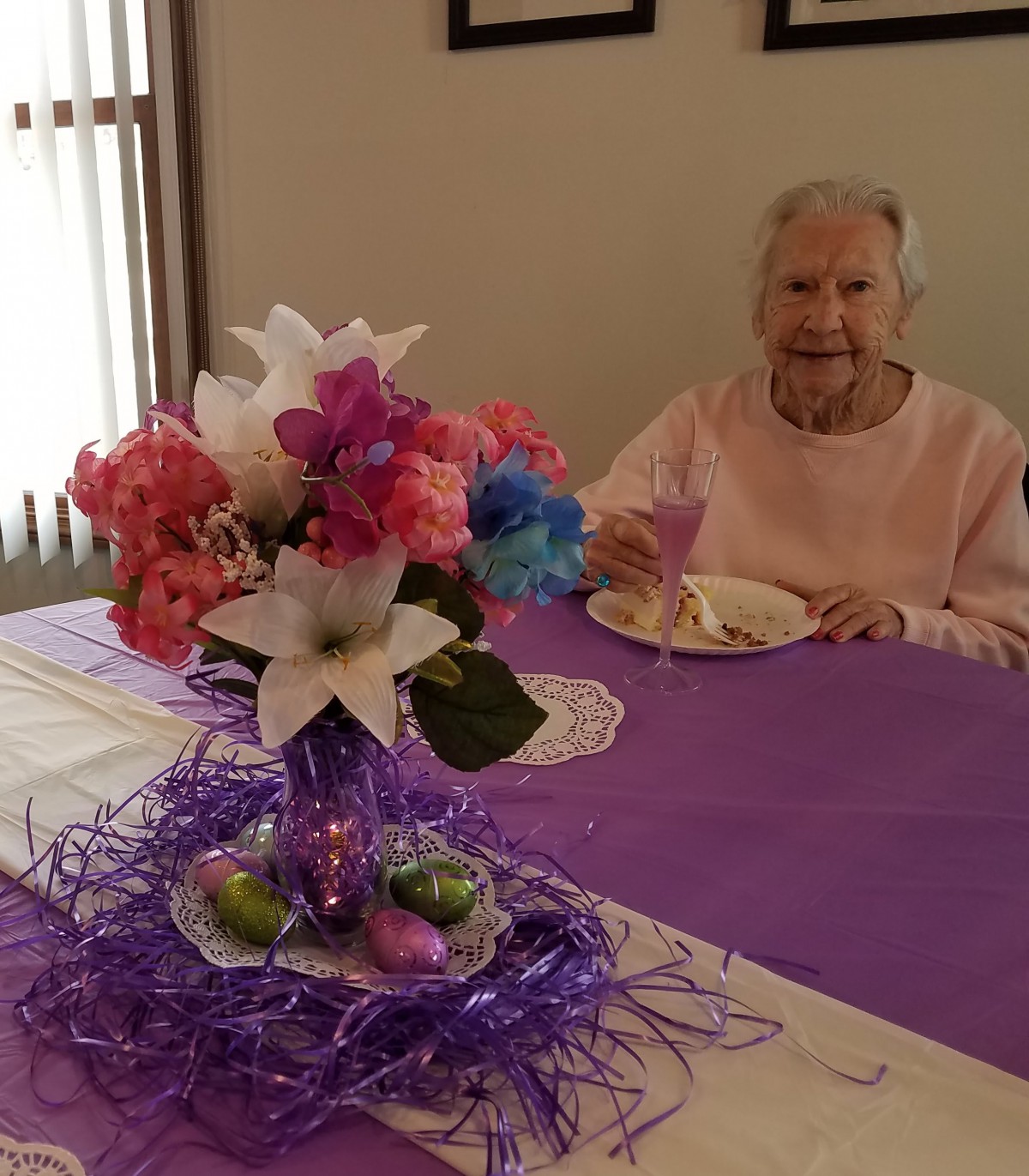
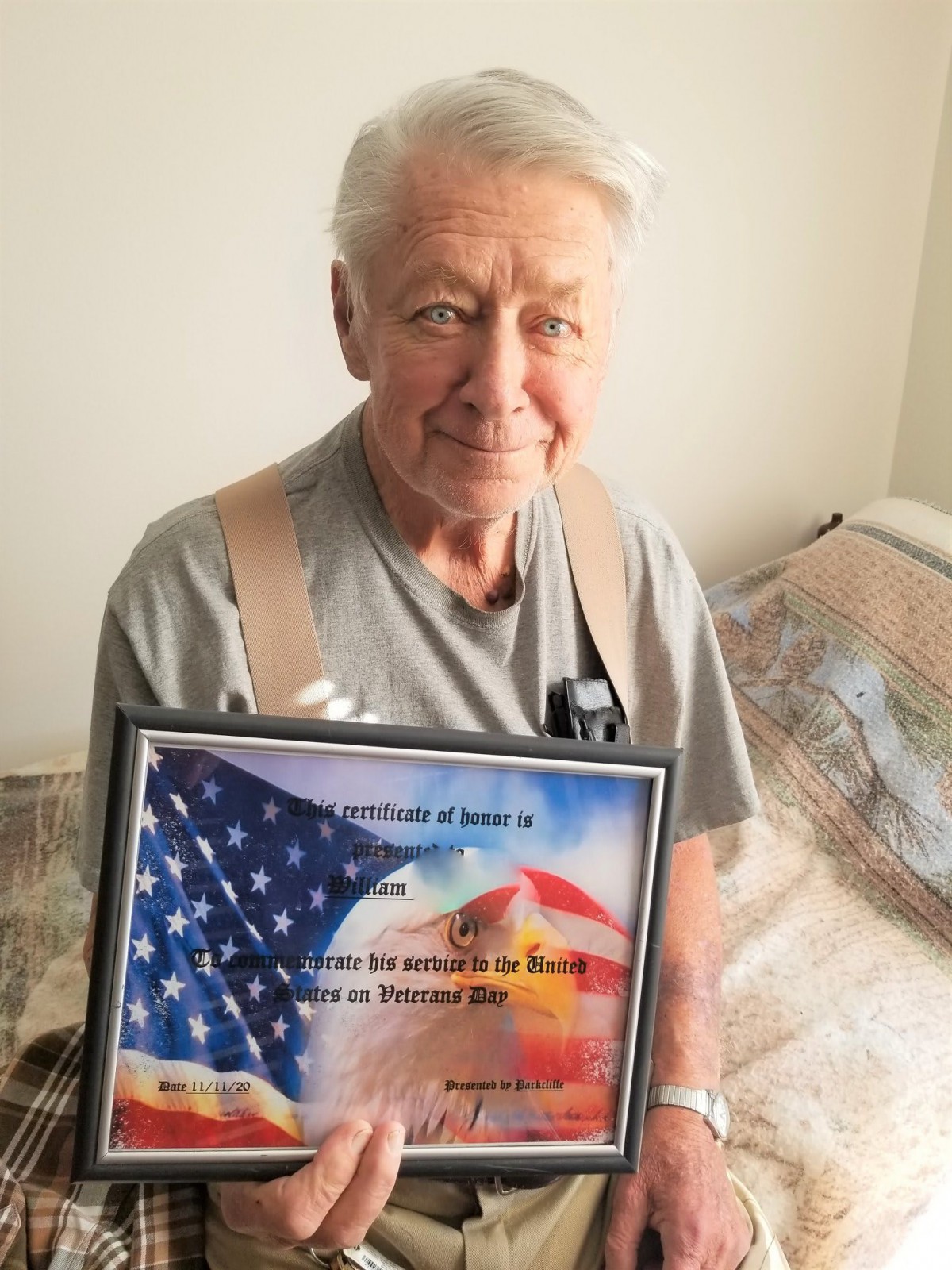
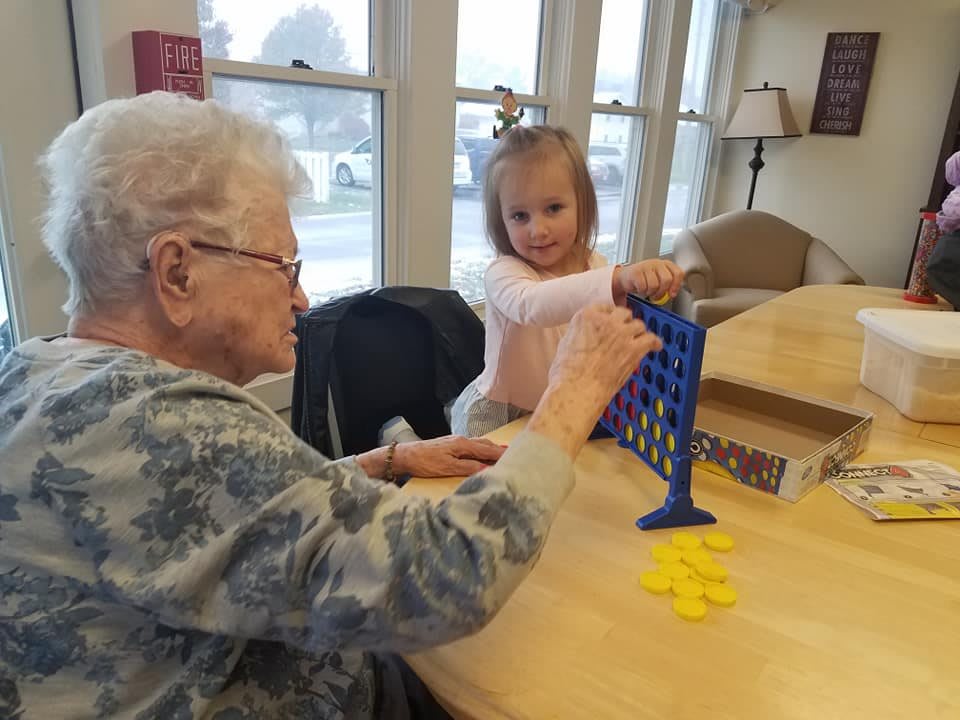
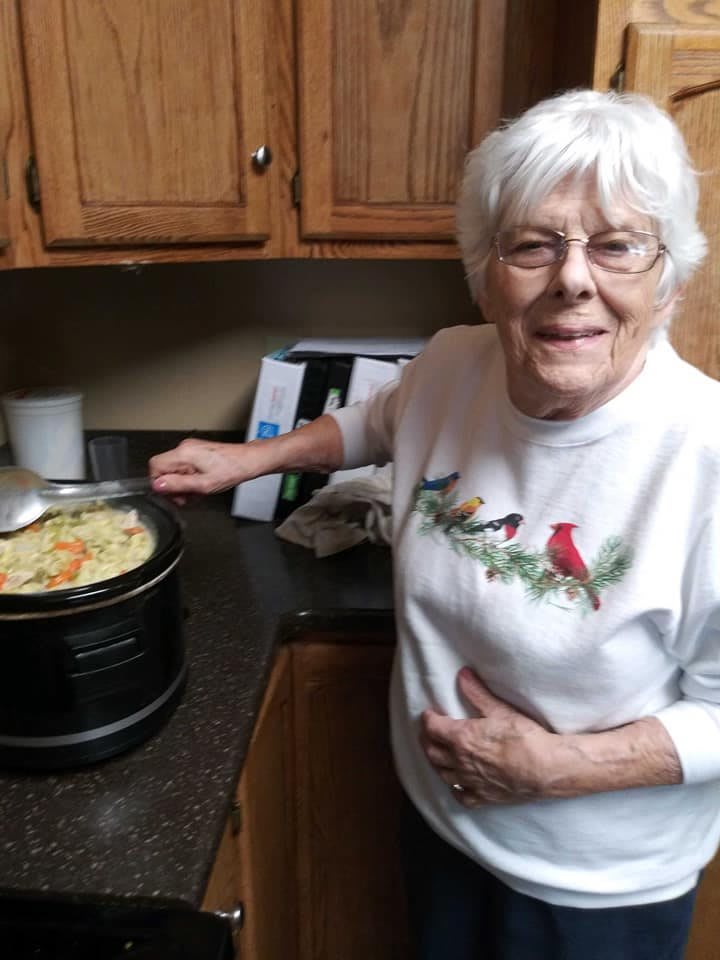
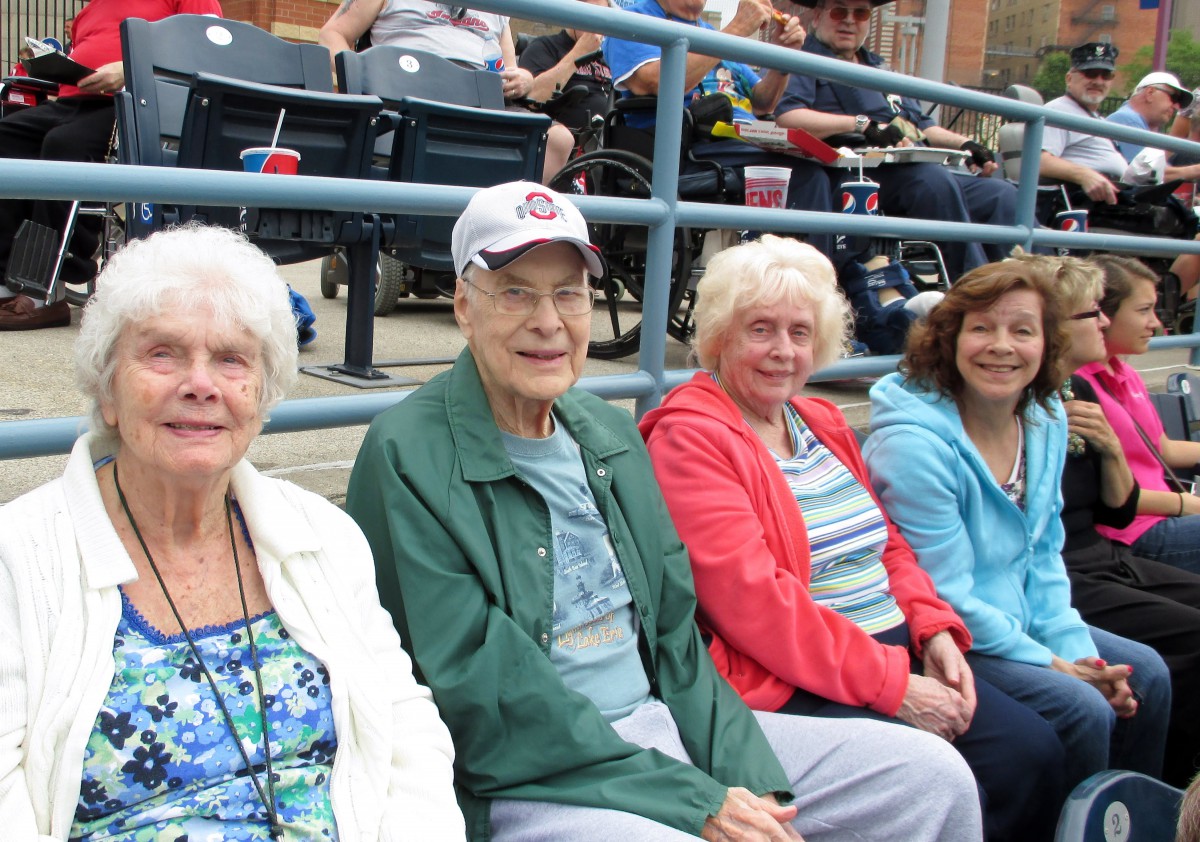
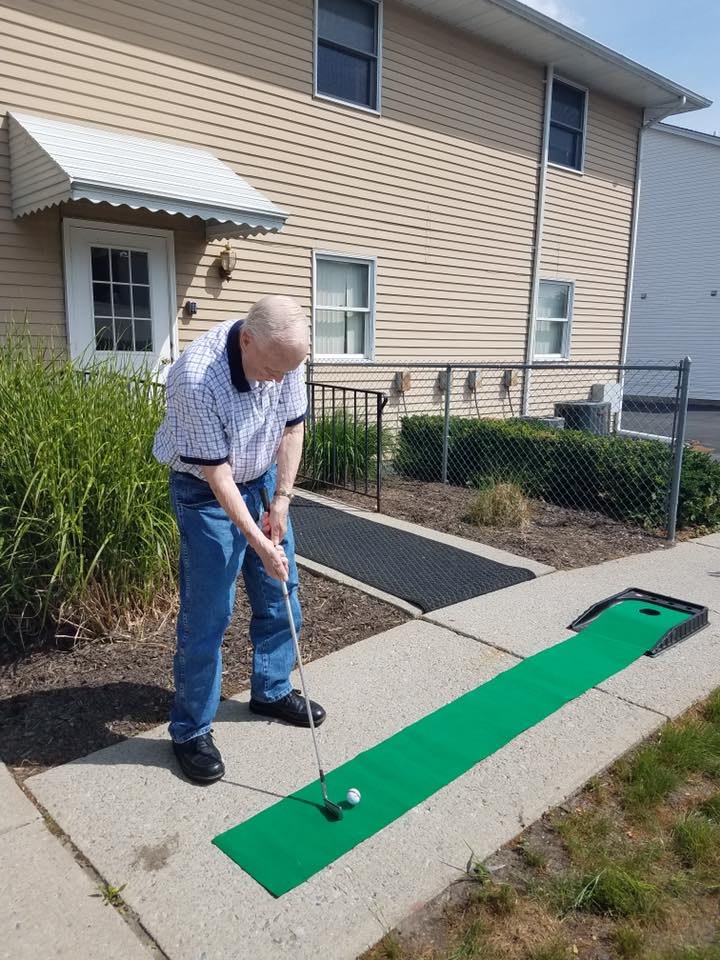
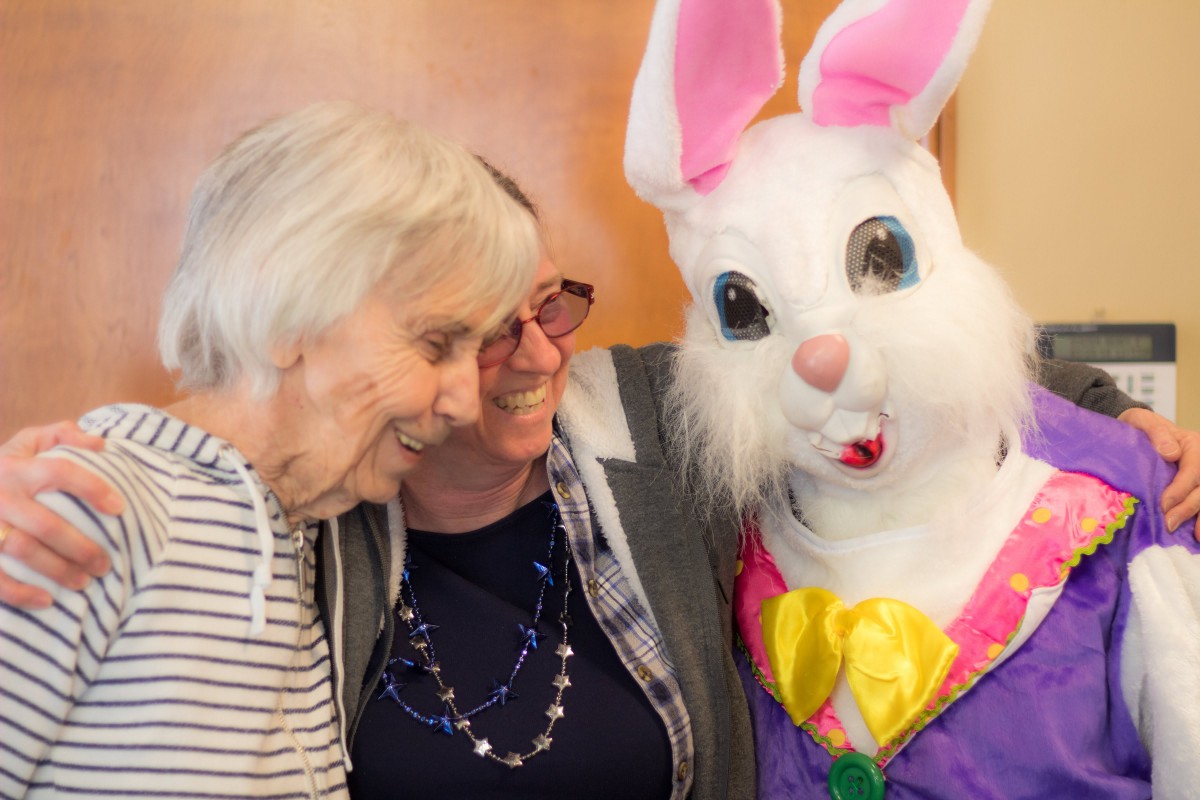
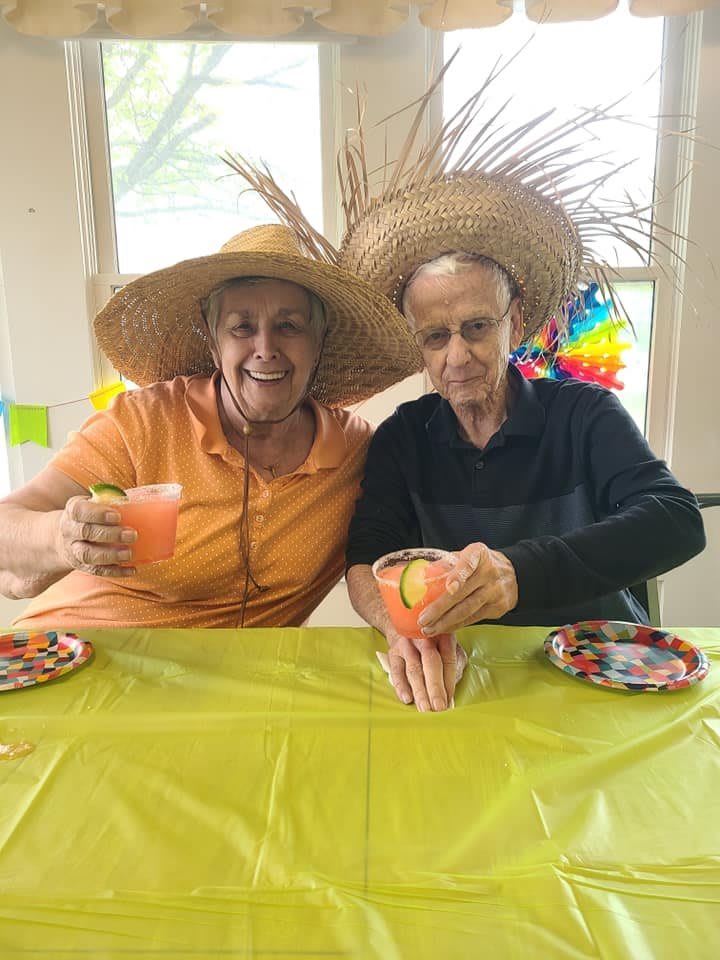
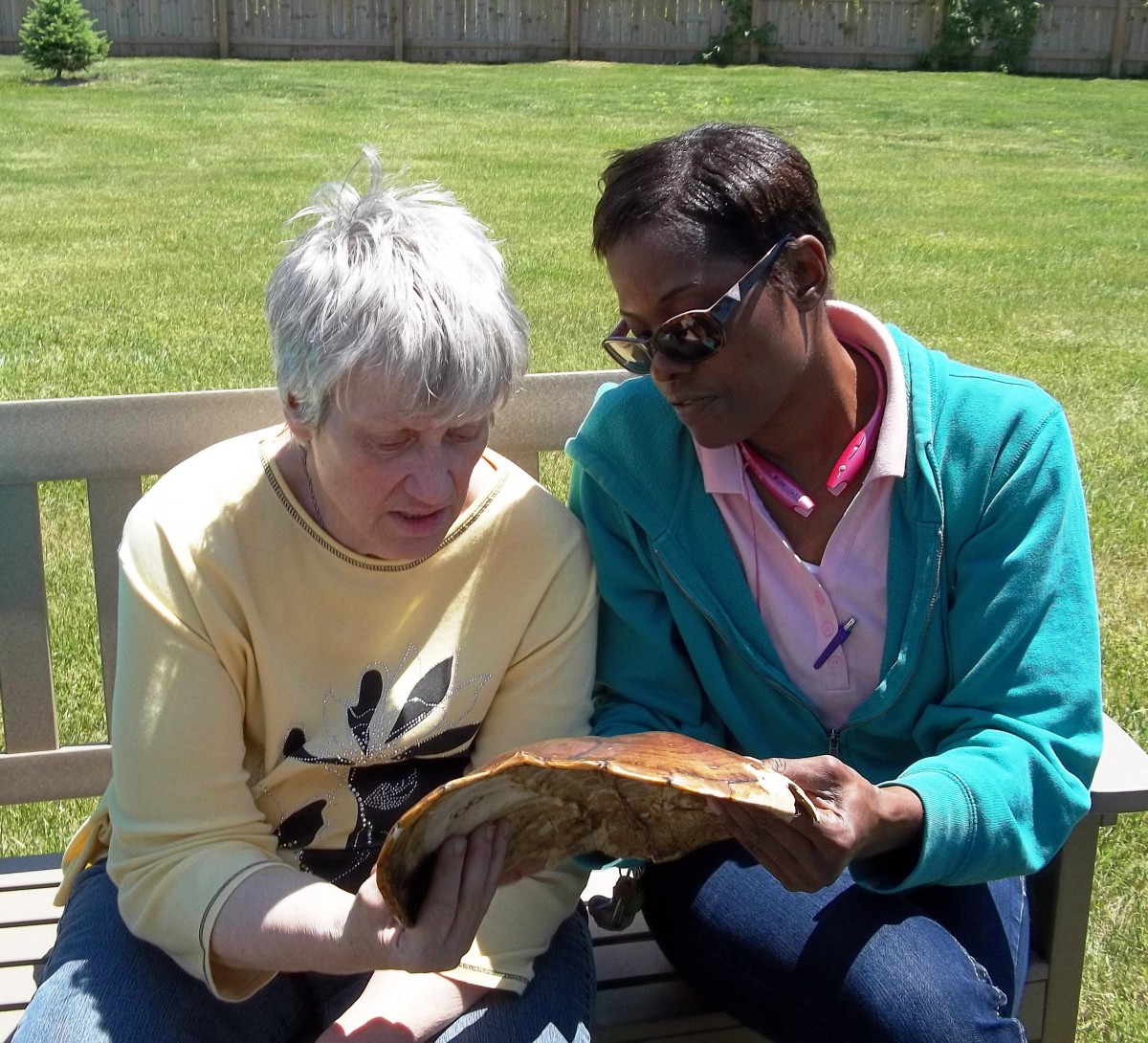
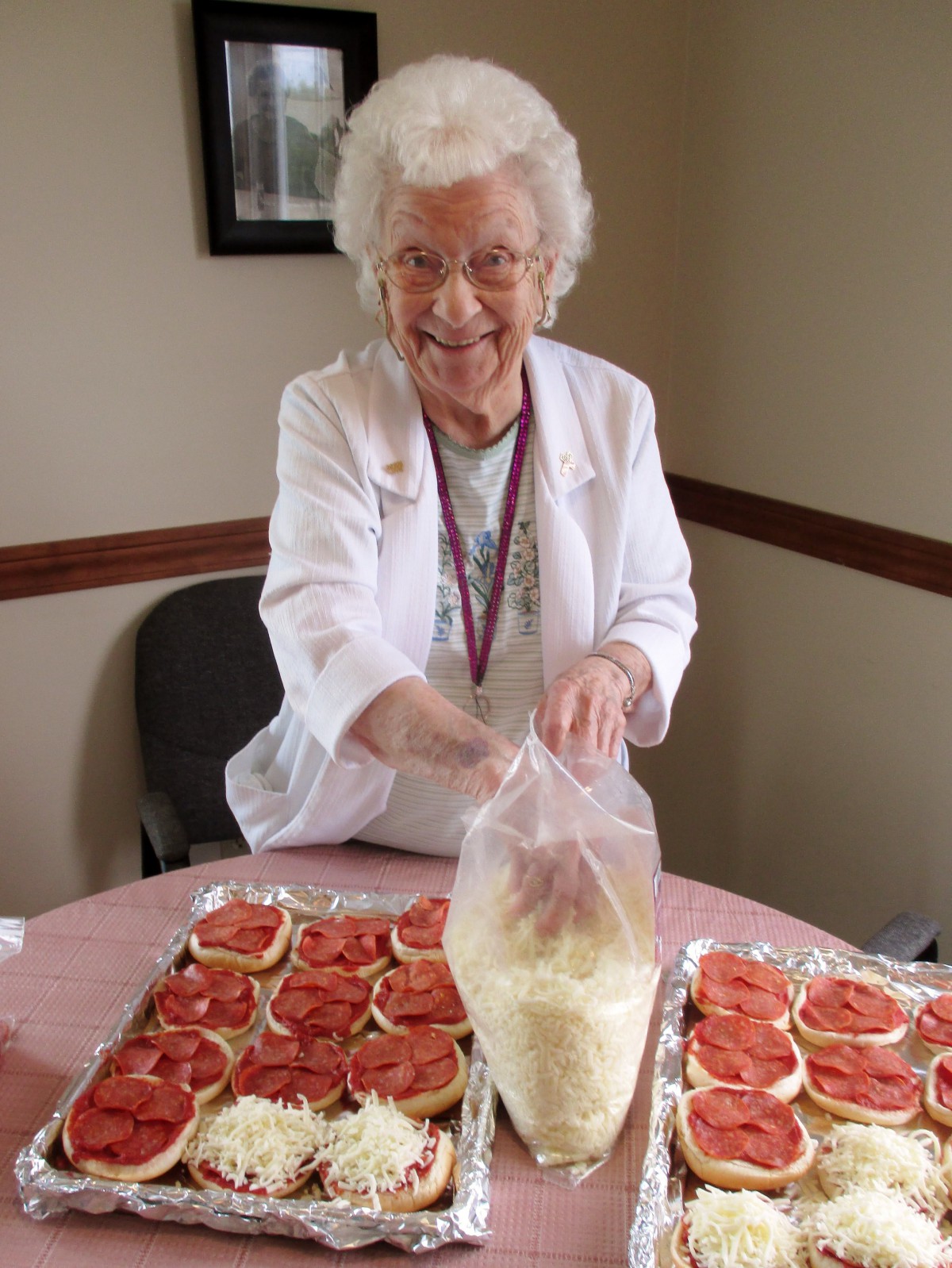
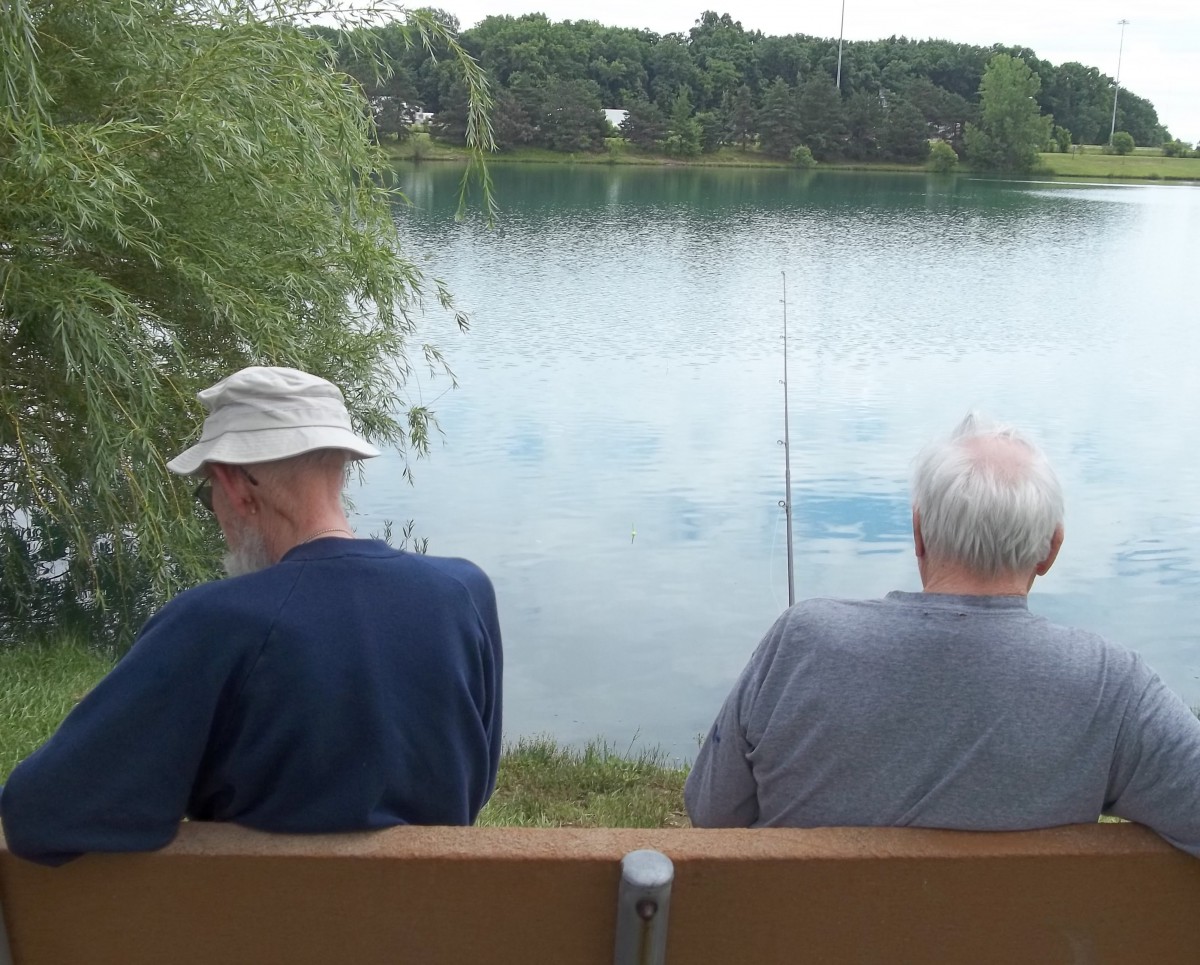
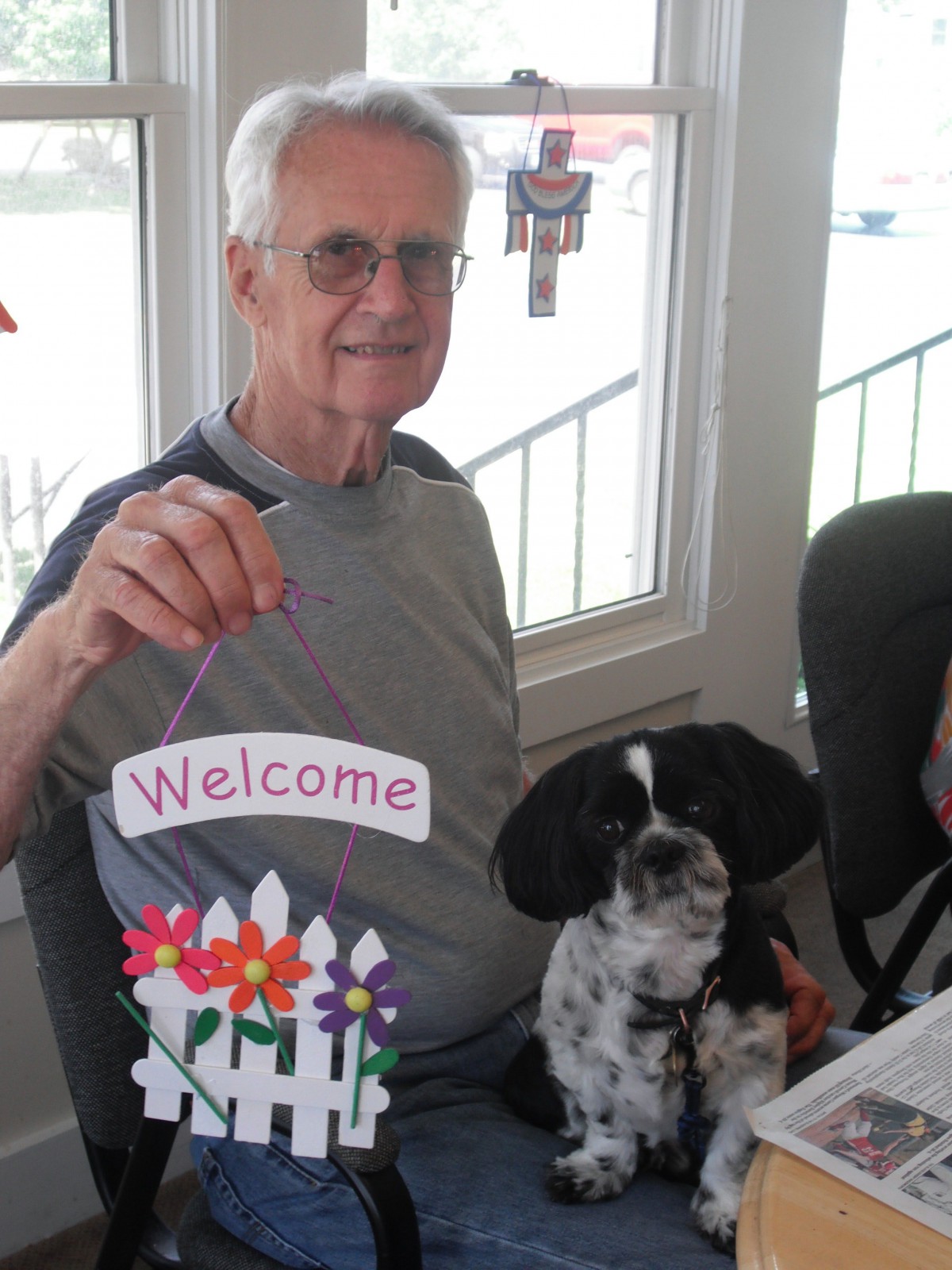
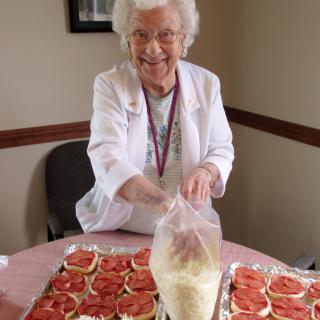
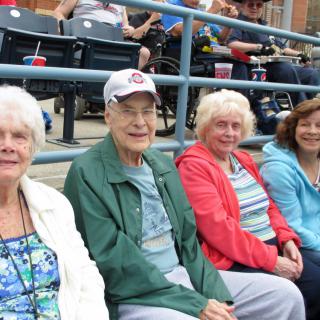
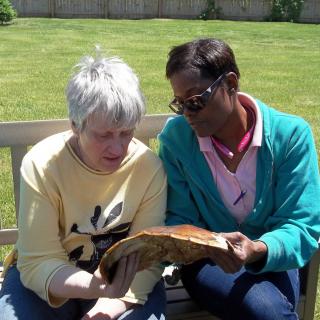
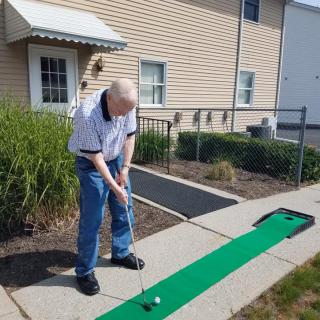
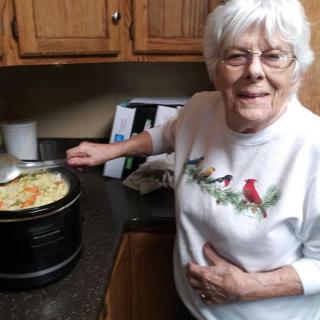
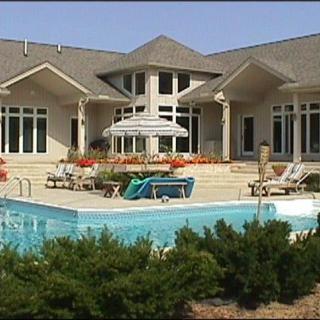
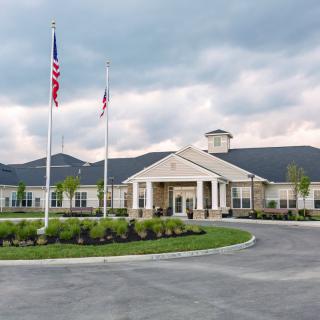
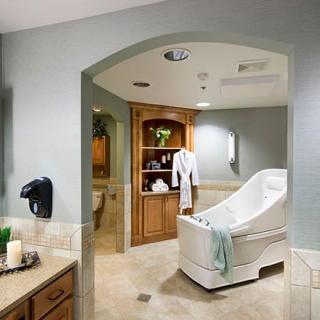
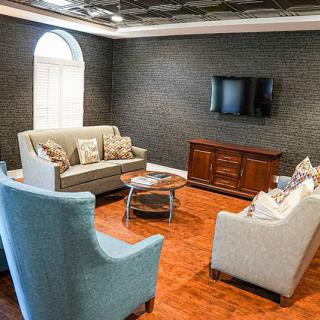
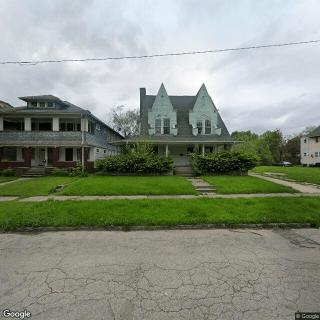
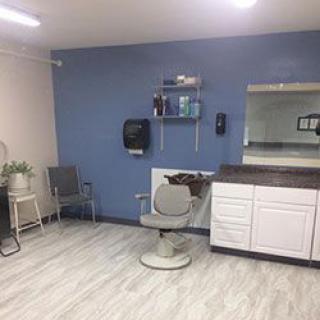
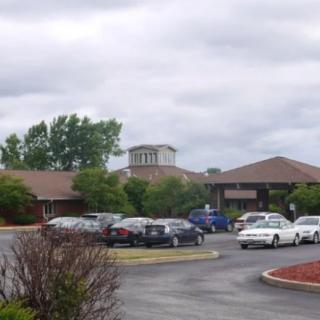
Parkcliffe on seniors.fyi includes 19 photos including images showing outdoors, interior, cooking, kitchen, gardening, reading, lake, nature, and more.
Nearby Communities
Toledo Healthcare
Toledo, OH
2.6 from 16 reviews
Comprehensive care options (memory care and skilled nursing) with extensive on-site amenities and activities.
Plaza Care Ctr
Toledo, OH
3.6 from 92 reviews
Extensive access to healthcare, pharmacies, and daily amenities nearby.
Christies Home
Toledo, OH
$2,000 to $2,500 / month
Competitive pricing with private/semi-private rooms and comprehensive care.
Ashley's Manor Residential Care
Toledo, OH
2.7 from 102 reviews
$1,200 / month
Affordable $1,200 private/semi-private rooms.
Park Lane
Toledo, OH
4.2 from 55 reviews
Excellent proximity to amenities (cafes, restaurants, parks, pharmacies, physicians, hospitals, transportation, and places of worship).
C & H Enterprises LLC
Toledo, OH
Excellent access to healthcare, dining, parks, and other amenities nearby.
Merit House
Toledo, OH
2.7 from 43 reviews
Small, personalized CCRC with 24/7 supervision and extensive onsite amenities.
Lakewoods Apartments
Toledo, OH
3.9 from 61 reviews
$559 to $678 / month
Historic charm with clean, spacious units and friendly staff in a convenient location.
Orchard Villa
Oregon, OH
3.3 from 117 reviews
Clean, well-maintained facility with attentive recreation staff.
Dementia leads to cognitive impairment and can cause emotional and behavioral changes, including aggression that arises from frustration, confusion, or fear. Effective coping strategies for caregivers include understanding dementia's nature, recognizing triggers, using empathetic communication, and employing non-pharmacological interventions like music and art therapy.
Dementia causes cognitive decline and challenging behaviors that caregivers must manage, necessitating an understanding of the neurological basis of these issues. Effective strategies and self-care for caregivers can enhance support for those with dementia and improve their daily lives.
The content outlines five key early indicators of dementia, including significant memory loss and confusion about time and place, while emphasizing the need for professional evaluation and emotional support for both individuals showing symptoms and their caregivers. It encourages family members to monitor these signs closely and use online quizzes for initial awareness.
Get PricingAsk A QuestionSchedule A TourContact Senior Advisor
By clicking submit, you agree to our Partner's Terms of Use. You
also consent to receive calls and texts, which may be autodialed, from our Partner. Your consent is not a condition to
using our Partner's service. Please visit our Partner's Privacy Policy for information about their privacy practices.





 Assisted Living
 Memory Care
 Activities off-site
 Air-conditioning
 Beautician on-site
 Cable or satellite TV
 Devotional services off-site
 Ground floor units
 Handicap accessible
 Indoor common areas
 Kitchenette
 Outdoor common areas
 Wheelchair accessible showers
 Wi-Fi/high-speed internet available
 Toledo Express (14 miles away)
 Diabetic care
 High acuity care
 Incontinence care
 Medication management
 Anytime dining
 Art classes
 Cooking classes
 Day trips and outings
 Educational speakers / life long learning
 Karaoke
 Live musical performances
 Live well programs
 Visiting chaplain or priest
 Comprehensive care options (memory care and skilled nursing) with extensive on-site amenities and activities.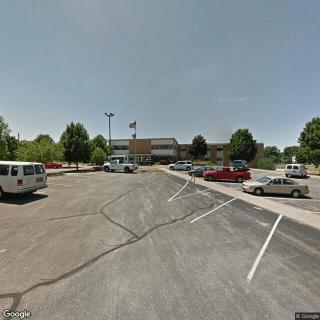
 When Dementia Sparks Anger and Aggression: Understanding the Connection and Ways to Cope
 Dementia Behaviors: In-Depth Understanding and Effective Coping Strategies
 5 Early Indicators of Dementia and What You Can Do