
6832 Convent Blvd., Sylvania, OH 43560
To contact a resident: (419) 824-3600
For more information about senior living options: (866) 208-4318
Overall Review of Rosary Care Center / Our Lady of Grace Assisted Living
Pros
 The care is wonderful and the staff are great.
- The facility is well taken care of and the residents are well cared for.
- Jerry Dollard from the kitchen is appreciated by the residents.
Cons
 Schedule changes are made at the last minute and staff are placed on the schedule without warning.
- They hid a friend's chart, violating state law.
- An aide dropped her from four feet and did not call for a second helper.
- Her diet was not respected and she was fed sugar.
- The facility is totally understaffed and disregards patient care.
- There is something fishy going on at the facility.
- They hide behind a Christian front while being money-grubbing corporate shills.
- The night nurse is lazy, careless with medications, and denies residents access to the bathroom on duty.
- The nursing director is a condescending liar and the administrator is a spineless wimp.
- A loved one suffered a fatal fall and the facility covered it up, failing to call family or hospice and lying on reports.
- The facility is not recommended for loved ones.
Review
Rosary Care Center / Our Lady of Grace Assisted Living in Sylvania is best suited for families seeking a warm, faith-based atmosphere with moments of genuine caregiver warmth, and who are prepared to act as vigilant advocates to secure reliable daily care. The facility can feel like a comfortable home when staff connect with residents on a personal level, and there are clearly caring individuals in the mix. Yet this appeal rests on a fragile foundation: inconsistent staffing, uneven care delivery, and governance concerns that surface repeatedly in reviews. For a senior whose needs are light-to-moderate and whose family can supervise closely, it may suffice; for anyone counting on dependable nursing oversight, it is prudent to look elsewhere.
Those who should consider alternatives are families facing complex medical needs that demand consistent, professional nursing management around the clock, or anyone who cannot tolerate abrupt schedule changes and opaque incident handling. The combination of understaffing, frequent last-minute scheduling, and problematic reporting practices raises legitimate safety questions for residents who rely on timely med pass, mobility assistance, or routine monitoring. Additionally, leadership concerns, allegations of problematic administration and a perceived lack of accountability, signal a governance environment where problems may persist without swift corrective action.
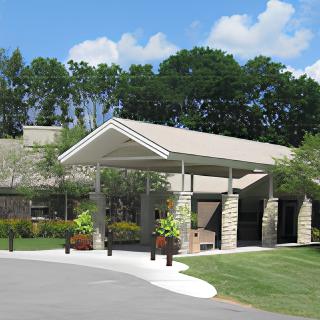
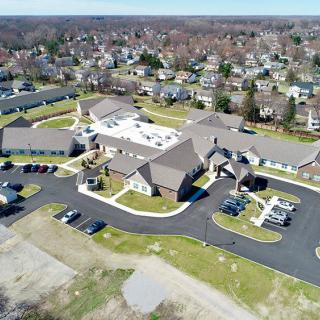
On the upside, the community feels well kept and livable, and there are testimonies of compassionate individuals who genuinely care for residents. The clean environment, and occasional standout staff, such as a trusted kitchen team member noted by a resident, suggest that attentive care does surface in practice. These positives matter: they create a baseline quality of life, social interaction, meals that residents enjoy, and days that are not spent in distress. However, these bright spots do not neutralize the deeper, recurrent issues that affect safety, consistency, and trust in day-to-day care.
The most troubling contradictions become clear when scheduling and safety are examined together. Scheduling irregularities disrupt routines and can delay essential services, while reports of understaffing correlate with gaps in patient care, missed medications, and limited assistance during critical times. Add to that accusations of chart concealment, improper handling of medical information, and a fall that allegedly led to death with insufficient or inconsistent communication to families, and a pattern emerges: reliable accountability and transparent processes appear inconsistent. The weight of these concerns is not erased by occasional acts of kindness or by a few well-meaning staff members.
For families evaluating options, the decisive questions center on staffing reliability, incident transparency, and oversight effectiveness. Request a detailed staffing plan showing nurse-to-resident ratios on each shift, and insist on access to incident reports, corrective action follow-ups, and training records. Seek to tour with a clinical manager, observe how med passes are performed, and verify that staff are cross-trained across floors or that floor-specific training is consistent. Establish expectations for advance scheduling, exceptions, and the process for elevating concerns to administrators. If these protections cannot be documented, the risks are too high for a senior who depends on consistent medical and daily-care support.
In the end, Rosary Care Center / Our Lady of Grace Assisted Living presents a mixed value proposition. It can deliver warmth, personal attention, and a respectful living environment on a good day, but the recurring themes of understaffing, scheduling volatility, and serious governance concerns tilt the balance toward caution. For families where robust oversight, transparent reporting, and reliable, high-quality nursing care are non-negotiables, stronger options merit serious consideration. The prudent path is a careful, firsthand assessment: demand current staffing data, review incident histories, and insist on clear accountability before deciding to entrust a loved one to this community.
 Assisted Living
 Activities on-site
 Devotional services off-site
 Indoor common areas
 Toledo Express (10 miles away)
 Ambulatory care
 Diabetic care
 Meals provided



 Beyond the Bingo Hall: 50+ Enriching Activities for Seniors in Assisted Living
 Understanding the Distinctions: Assisted Living and Memory Care Explained
 Guiding Elderly Parents Who Refuse Assisted Living: 6 Practical Steps