

308 Cadiz Road, Wintersville, OH 43953
To contact a resident: (740) 346-2667
For more information about senior living options: (866) 208-4318
Magnolia Manor Costs & Pricing
Magnolia Manor offers a competitive pricing structure for its private rooms, setting the monthly cost at $3,000. This fee is notably lower than both the average costs in Jefferson County, which stands at $3,825, and the state average across Ohio at $4,771. By maintaining such a favorable rate, Magnolia Manor not only ensures affordability for potential residents but also positions itself as an attractive option in comparison to local and statewide alternatives. The thoughtful pricing reflects a commitment to providing quality care while remaining accessible to families seeking support for their loved ones.
| Floor plans | Magnolia Manor | Jefferson County | Ohio |
|---|---|---|---|
| Private | $3,000 | $3,825 | $4,771 |
Senior living communities with a similar price nearby
-
from -$279 / mo
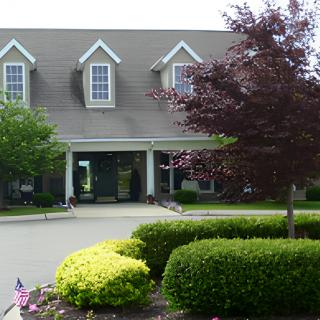
The Wyngate Senior Living Community
$2,721 to $5,157 / month9.5 miles away -
from -$250 / mo

Carriage House Assisted Living
$2,750 to $3,250 / month2.6 miles away -
from +$90 / mo
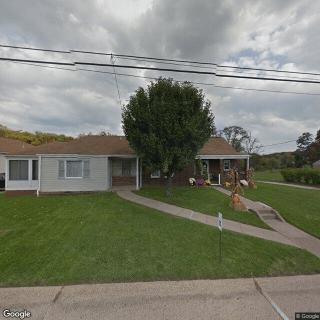
Woodland Hills Assisted Living
$3,090 to $3,660 / month7.9 miles away -
from +$500 / mo

Pepperberry Suites
$3,500 to $4,500 / month18.5 miles away -
from -$100 / mo

Hadzima Care Home
$2,900 / month17.3 miles away
Overall Review of Magnolia Manor
Pros
 The Magnolia Manor team provides magnificent care.
- Their care has a positive physical and mental impact.
- Top quality care elevates the quality of life.
Review
Magnolia Manor in Wintersville, Ohio is best suited for seniors who prioritize consistently attentive, high-quality caregiving that touches daily living as well as mood and motivation. Reviewers describe magnificent care delivered by a team that understands the right support extends beyond physical assistance to the mental and emotional well-being necessary for a meaningful life. The resulting quality of life improvement is not incidental; it appears to be the central aim of daily care, activities, and resident interaction. For families weighing options, Magnolia Manor stands out when the priority is dependable, dignified care that helps residents stay engaged, mobile, and hopeful in a familiar, supportive setting.
Those who must balance care quality with budget pressure, or who require highly specialized medical programming beyond typical assisted living, should actively explore alternatives. The review highlights a strongest value proposition in extraordinary caregiving but does not present a complete picture of cost, service breadth, or medical intensity. Prospective residents with limited resources or complex clinical needs may find options elsewhere that align more closely with financial constraints or require access to on-site physicians, memory care, or respite services configured differently.
Key pros, magnificent care, tangible physical improvements, and a positive mental impact, address the chief concerns families have about care environments: safety, responsiveness, and daily stimulation. When these elements are present at a high level, potential drawbacks such as inconvenient scheduling, average meals, or limited programming become less consequential. The absence of explicit cons in the report suggests no obvious red flags, and the care quality appears to offset typical tradeoffs like commute, flexibility, or cost to an extent. Still, this assessment hinges on ongoing staffing consistency and transparent communication about services and pricing, which must be verified during a visit.
Practical evaluation during a visit should focus on how staff interact with residents, response times, and the variety of meaningful activities. In addition, confirm staffing ratios, the availability of nurses or aides for overnight needs, and how care plans are created and updated. Inquire about meals, transportation, housekeeping, and safety measures that influence independence. Families should observe whether residents seem comfortable, engaged, and respected; ask about resident-to-staff turnover rates and tour the memory or cognitive care spaces if applicable. A transparent explanation of fees, what is included, and what incurs extra charges will also matter to avoid later surprises.
Move-in readiness matters as well: a structured transition, a welcoming orientation, and a plan to re-establish routines can dramatically affect adjustment. Family involvement should be encouraged, with regular updates and access to care notes. In this environment, the biggest practical question is whether Magnolia Manor can sustain the level of personal attention through weekend coverage and growing resident needs. The positive review paints a picture of a community where care is aligned with quality of life, but that alignment must be confirmed through a firsthand tour and conversations with current residents and staff.
Bottom line: for families prioritizing exceptional, uplifting care that actively supports physical function and mental well-being, Magnolia Manor presents a compelling choice in Wintersville. It stands out when the central decision criterion is the caliber of caregiving and its impact on daily life. Those with tight budgets or with needs that demand highly specialized medical services, or who crave a broader continuum of on-site clinical resources, should still examine alternatives to ensure a fit with finances and medical requirements. A disciplined visit, tour, questions, trial meals, and an honest read of the care philosophy, will reveal whether Magnolia Manor can deliver the sustained, compassionate care that this review suggests.
 Board and Care Home
 Activities off-site
 Bath tubs
 Beautician on-site
 Devotional services off-site
 Indoor common areas
 Outdoor common areas
 Private
 Respite or short term stays offered
 Wheelchair accessible showers
 Ambulatory care
 High acuity care
 Meals provided





 Understanding the Nuances of Palliative Care and Hospice: A Comprehensive Exploration
 Fecal Incontinence in Older Adults: A Comprehensive Guide
 Nurturing Well-Being Through Gardening: A Detailed Guide for Senior Enthusiasts