

48444 Bell School Road, Calcutta, OH 43920
For more information about senior living options: (866) 208-4318
Overall Review of Calcutta Health Care Center
Pros
 Sam is still a patient there and is receiving the best of care.
- He speaks highly of the nursing staff every day.
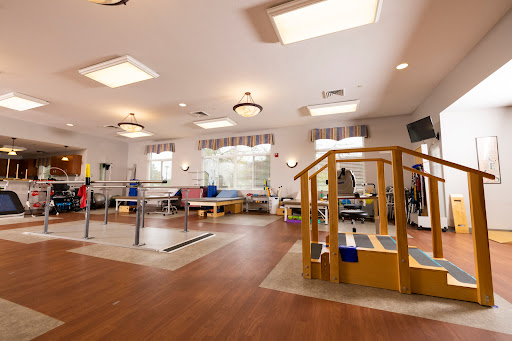
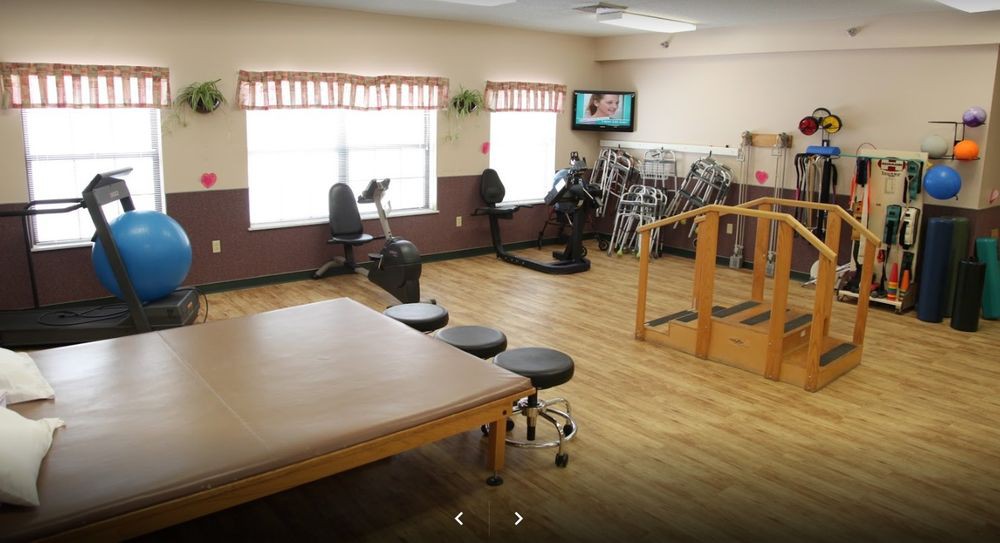
- The rehab was the best around.
- The therapists are the best around.
- The aides and nurses take exceptional care of their patients.
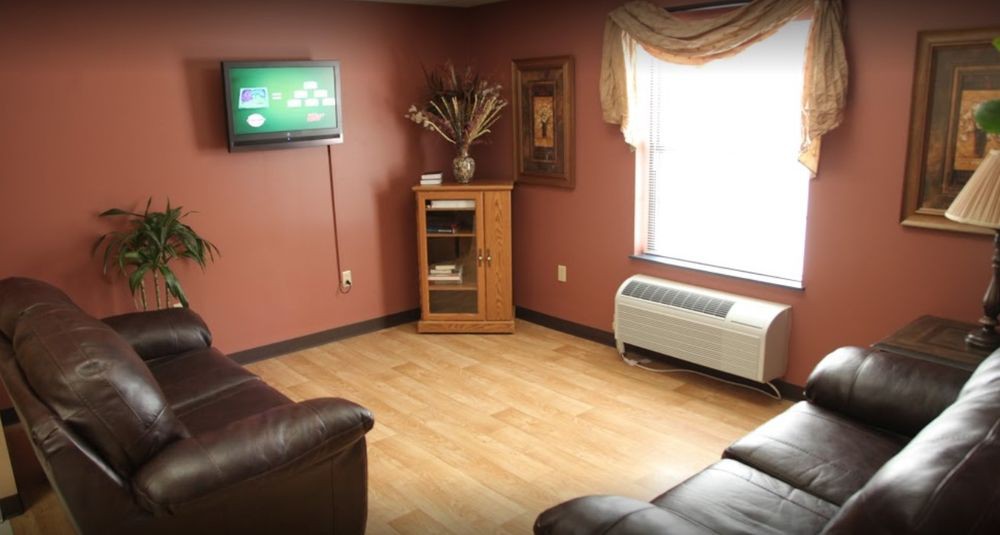
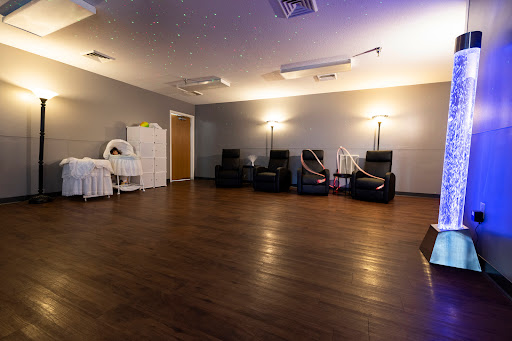
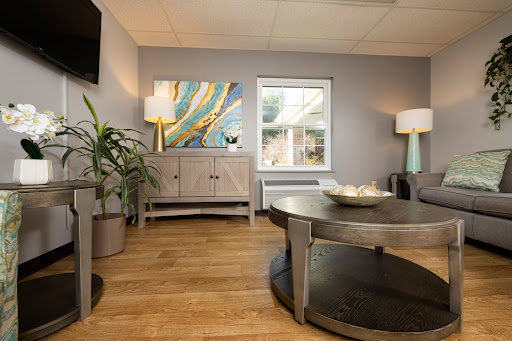
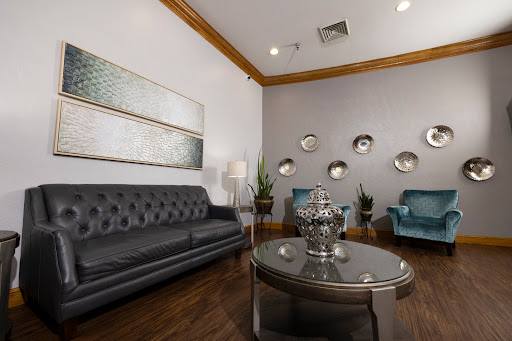
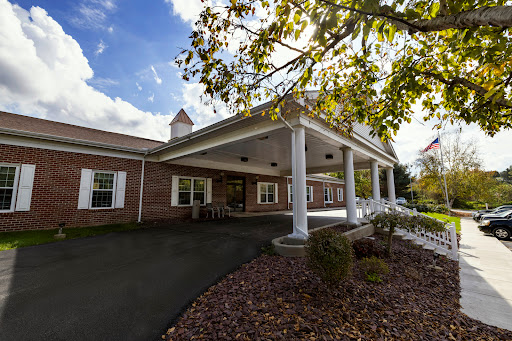
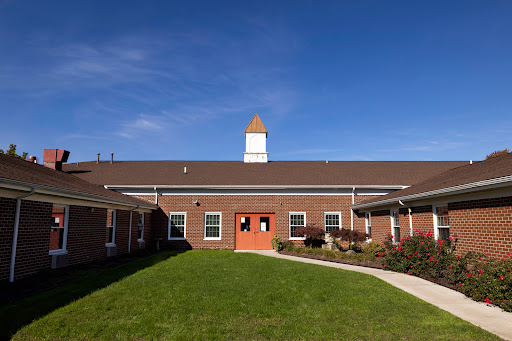
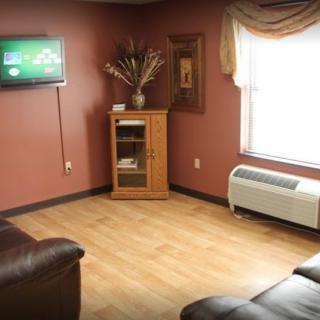
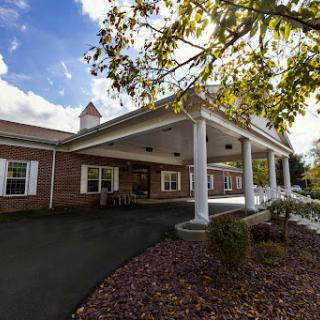
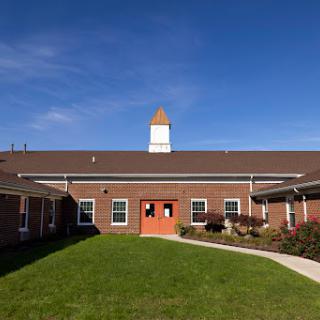
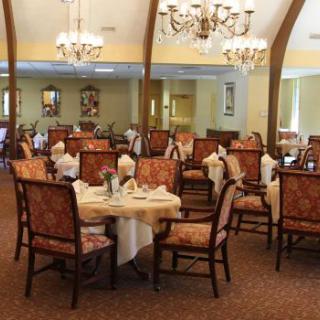
- The facility is a very good place for the care of loved ones, and it is beautiful.
Cons
 The staff did not treat the grandfather with the care he needed and bombarded his grandmother with calls, repeatedly saying how horrible he was.
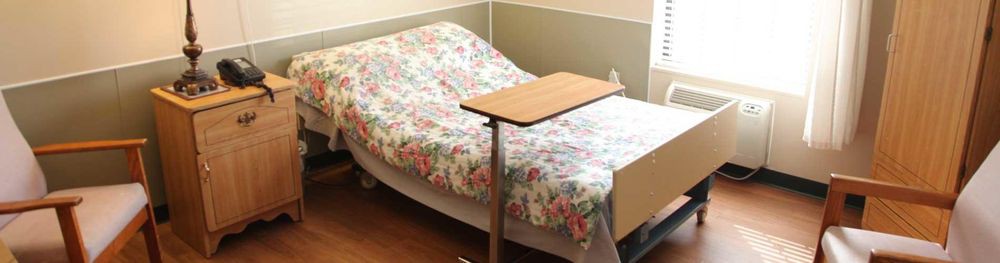
- The rehab move was a big mistake, as residents no longer have private rooms and there is no shower in their rooms.
- The staff were very slow at taking care of patients, and a social worker allegedly made up stuff about the clients to keep people from leaving.
- The facility was understaffed and not properly trained, leading to multiple room changes, missing clothes and blankets, and a resident being left unattended in the bathroom where she fell.
- Some nurses focused on medication routines to the point of neglecting residents’ comfort, and some staff spent time chatting about personal issues.
- Complaints to supervisors and owners went unanswered, and the patient got worse instead of better.
- Nutrition visits were sporadic and often non-existent.
Review
Calcutta Health Care Center is best suited for families seeking a smaller, home-like environment where long-tenured staff and a sense of community can offer continuity of care. The facility has repeatedly drawn praise from residents and families who value personal connections with caregivers, the presence of a stable nursing team, and an atmosphere that feels more intimate than larger campuses. For those seeking a place with regular religious or spiritual programming and a rough sense of community, Calcutta can feel like a supportive bridge for transition or ongoing, lower-key care. It is less ideal for those who require robust, consistent skilled nursing, private spaces, and highly reliable rehab services, especially where safety and meticulous clinical oversight are non-negotiable. In short, this community works best for residents who prioritize warmth, familiarity, and a gentle pace over high-intensity medical optimization.
However, a number of strong caveats emerge from family experiences that cannot be ignored. Several reviewers describe episodes of neglect or slow response times, with complaints about attentiveness to patient needs and the perceived prioritization of routines over comfort. There are persistent concerns about staffing levels and training, including reports of rooms being moved, privacy diminished, and basic incidents, like clothing or personal items going missing, undermining trust. Specifically troubling are accounts of unattended moments, falls, UTIs, and more serious medical complications linked to perceived under-staffing and inconsistent supervision. While other families speak highly of the care teams, the weight of these negative experiences creates a real and legitimate caution for anyone evaluating Calcutta as a primary care or post-hospital recovery option.
The notable positives, caring attitudes from many staff members, long-standing relationships with caregivers, and a welcoming, community-oriented environment, do partially offset the drawbacks, but only in limited ways. For residents who prize continuity and a sense of being “known,” the staff can feel like a family, and some reviewers identify the nursing and rehab teams as compassionate and capable. The rehabilitation staff, at least before some operational changes, earned strong praise for their expertise, and several visitors highlight the facility’s beauty and the possibility of a transitional placement that can feel stabilizing during a difficult period. Yet these strengths do not eliminate the risks described by others, nor do they compensate fully for concerns about consistency, privacy, and safety in daily operations. The balance tilts toward a cautious endorsement for certain profiles rather than a broad recommendation.
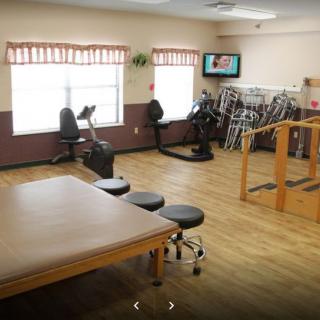
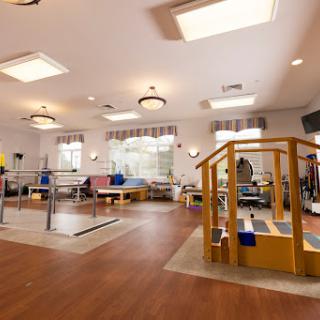
A critical fault line emerges around the rehab setup and the living arrangement after the relocation of rehabilitation services within the building. The move was described as a significant disruption, with private rooms removed and in-room showers eliminated, stripping residents of essential privacy and dignity during recovery. For families prioritizing strong rehab outcomes in a setting that preserves autonomy and privacy, this change is a deal-breaker. It also raises questions about whether the current configuration can consistently deliver the high-touch, patient-centered rehab experience that once existed. In practice, the offsetting pros, friendly staff, community feel, and perceived stability, no longer balance the loss of personal space and the potential erosion of rehabilitation quality, making this a pivotal factor in decision-making.
For families evaluating alternatives, the practical path is concrete: press for transparent staffing metrics, ask direct questions about patient-to-nurse ratios, and seek documented evidence of how concerns are addressed, especially in urgent situations. Tour the facility with a focus on room arrangements, privacy provisions, and the cadence of daily care, including response times to calls and how incidents are logged and resolved. Consider nearby facilities that offer private rooms, dedicated rehabilitative spaces, and demonstrable staffing stability, particularly for residents with dementia or complex medical needs. If spirituality, community activity, and a warm, familiar staff environment are nonnegotiable, Calcutta remains worth a visit, but pair that with rigorous, reality-based questions about safety, staffing, and governance.
Bottom line: Calcutta Health Care Center can be a meaningful option for families drawn to a homelike setting with established staff relationships and a quiet, community-driven culture. It is less compelling for those who require consistent, high-level medical oversight, reliable rehab services, and privacy that supports dignity and independence. The strongest recommendation targets families who can align expectations with the facility’s strengths, warmth, continuity, and community, while remaining vigilant about staffing adequacy, incident handling, and the impact of recent rehab-layout changes. For any resident with complex medical needs, dementia, or a strong emphasis on privacy and timely, proactive care, probing alternatives and shopping more options is prudent.
 121 resident community capacity
 Skilled Nursing Facility
 Air-conditioning
 Beauty salon
 Cable or satellite TV
 Computer center
 Dining room
 Fitness room
 Fully furnished
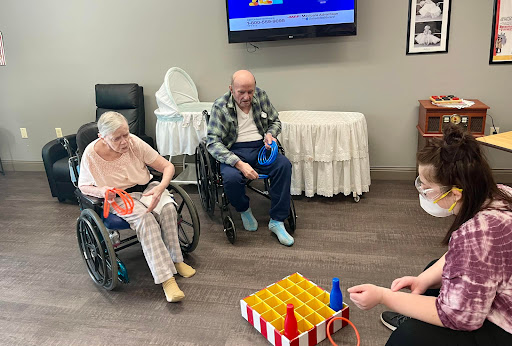
 Gaming room
 Garden
 Housekeeping services
 Kitchenette
 Move-in coordination
 Outdoor space
 Private bathrooms
 Restaurant-style dining
 Small library
 Telephone
 Wellness center
 Wi-Fi/high-speed internet available
 Pittsburgh International (22 miles away)
 Community operated transportation
 12-16 hour nursing
 24-hour call system
 Activities of daily living assistance
 Assistance with bathing
 Assistance with dressing
 Assistance with transfers
 Diabetes diet
 Medication management
 Mental wellness program
 Special dietary restrictions
 Concierge services
 Planned day trips





 Ten Vital Duties of a Senior Caregiver: A Comprehensive Guide
 9 Stimulating Memory Activities for Seniors: Puzzles, Cards, and Much More
 Managing Nursing Home Expenses After Medicare Coverage Ends