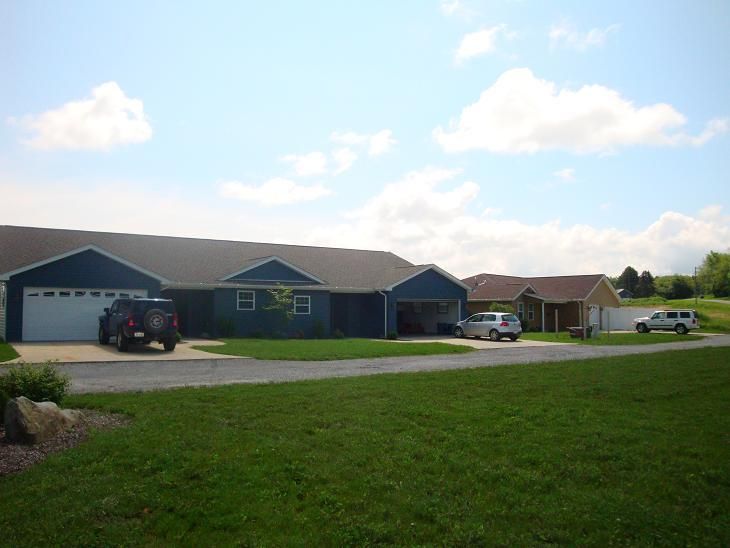
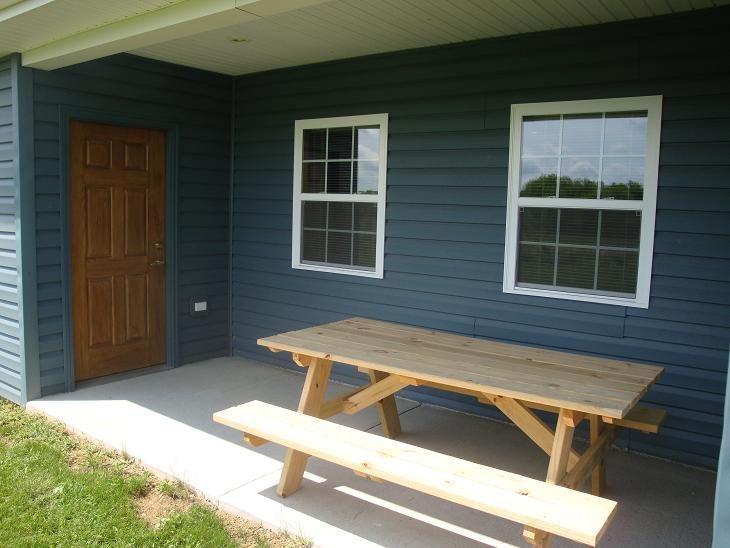
13280 Echo Dell Road, East Liverpool, OH 43920
For more information about senior living options: (866) 208-4318
Overall Review of CrossRoads At Beaver Creek
Pros
 CrossRoads is an amazing facility that families are thrilled to have their loved ones live at.
- The staff are wonderful, caring, and very responsive.
- It is super clean with a home-like atmosphere and plenty of activities.
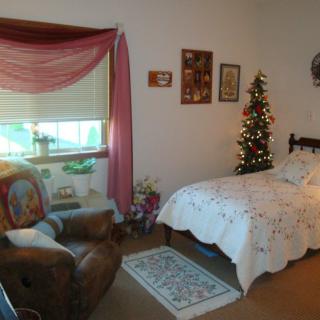
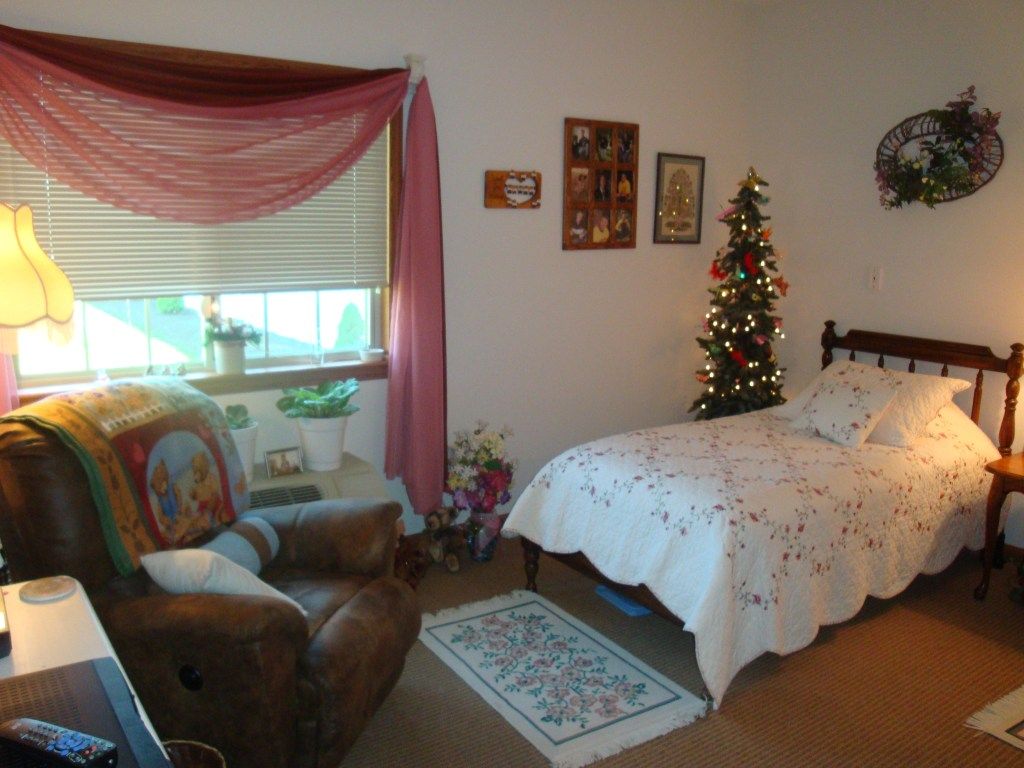
- Residents can bring their own furniture and decorations, making it feel like home.
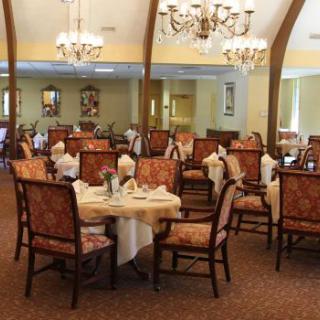
- The rooms are large, with private bathrooms, and the dining room is nicely set up.
- It doesn’t feel like a hospital; it feels warm and homey.
- There are many activities and amenities, including crafts, bingo, ice cream socials, and theater nights.
- Families report their loved ones are happy, social, and well cared for, with improvements in eating and daily routines.
Cons
 They described there being lot lizards everywhere.
- They stated the staff were unprofessional and disrespectful, including a nurse who allegedly wanted the grandfather out.
- They claimed there was never a nurse on site during the night shift.
- They felt the facility cared more about money than residents, implying care depended on family wealth.
- They described the atmosphere as high school drama, lacking professionalism.
- They asserted the quality of care was far from top notch and questioned the facility’s qualifications for assisted living.
Review
CrossRoads At Beaver Creek is best suited for seniors who want an apartment-style, all-on-one-floor assisted living that feels like home, not a hospital. The community excels for residents who value private rooms with private bathrooms, the option to bring personal furniture and décor, and a genuine sense of daily life happening in a bright, open environment. Families that prioritize clean, well-maintained spaces, consistent staff attentiveness, and a robust activities calendar will find this community a nearly ideal fit. The combination of homey dining, on-site basic medical access, and a theater room with regular social events supports residents who want independence within a supportive framework.
Those considering alternatives should note that CrossRoads At Beaver Creek may not be the best match for high-acuity needs or those requiring intensive, 24/7 skilled nursing beyond standard assisted living. While the facility offers three levels of care pricing and on-site recurring medical services (a doctor visits weekly, a podiatrist on-site), some reviews flag concerns about overnight coverage and the consistency of care. Families with loved ones who require strong overnight nursing presence, constant care escalation, or very specialized memory-care oversight should compare offerings at other communities or insist on witnessing night-shift staffing patterns before deciding. A few reviews also flag situations where the level of care didn’t align perfectly with a resident’s needs, underscoring the importance of upfront acuity matching.
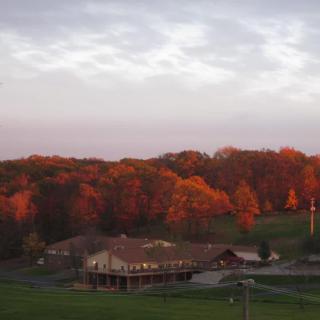
The strongest positives center on environment and daily life. The building’s all-on-one-floor design, wide halls, and large, private rooms minimize wheelchair or transfer risk and reduce the sense of being in a facility. The facility’s cleanliness and home-like atmosphere come through in staff interactions, well-kept common areas, and “hotel-like” presentation, with plenty of natural light and open spaces. Residents enjoy home-cooked meals, a varied activities slate, arts and crafts, bingo, ice cream socials, and theater nights, and ample common rooms that encourage socializing. The ability to personalize spaces, the option to furnish rooms with familiar items, and the presence of a dining room setup that feels social rather than institutional support sustained engagement and emotional well-being.
Where concerns appear, they are specifically actionable if not mitigated. A recurring theme is variability in staffing, particularly overnight, which can translate into moments of perceived gaps in coverage or responsiveness. A few families report experiences with staff professionalism that fall short of expectations, or concern that some caregivers were overstretched or not consistently present during night shifts. Dietary feedback is not universal, one caregiver-focused review notes meals that lack seasoning, which can matter for appetite and enjoyment. There is also awareness that dementia-level needs may require secure, specialized settings; while the campus offers a locked unit for Alzheimer's and dementia with outdoor access, ensure the resident’s cognitive trajectory aligns with the facility’s memory-care offerings and staffing approach.
Nevertheless, the pros largely offset the cons for the right resident and family. The home-like, private-apartment model, the ability to tailor the living space, and the visible commitment to communication (staff keeps families informed about status) create a solid foundation for trust and continuity of care. The on-site medical team, even on a weekly cadence, reduces the need for frequent hospital visits and supports timely management of chronic conditions. The community’s emphasis on social connection and meaningful activities is a meaningful counterweight to potential gaps in staffing, because engaged residents tend to experience fewer behavioral issues and greater overall satisfaction. The planned courtyard and ongoing enhancements signal a commitment to outdoor spaces and fresh air, which can significantly improve mood and physical health.
For families navigating a decision, CrossRoads At Beaver Creek offers a compelling blend of independence, privacy, and social vitality in a modern, easy-to-navigate setting. The best-fit scenarios are those where a loved one values a non-institutional atmosphere, regular staff communication, and a rich activity calendar, with a care plan that aligns to assisted-living expectations (and a clear understanding of pricing tiers). Prospective residents should verify night-shift coverage patterns and request concrete assurances about staffing consistency, especially for residents with higher needs or memory-care considerations. Also important: taste-test the dining experience, meet the care team on multiple shifts, and confirm the level of daily nursing support included in each pricing tier.
In the end, CrossRoads At Beaver Creek stands as a strong option for families seeking a warm, neighborly environment that treats daily living as the core mission. It shines for residents who prize a homey feel, private spaces, and a busy, social lifestyle backed by caring staff. It is less ideal for those whose loved one requires round-the-clock nurse staffing at all hours, or for families who cannot tolerate even occasional concerns about care consistency or meals. With proactive planning, confirming acuity fit, staffing patterns, and pricing details, CrossRoads At Beaver Creek can deliver a secure, engaging, and dignified next chapter for many seniors and their families.
 110 resident community capacity
 Assisted Living
 Independent Living
 Memory Care
 Air-conditioning
 Beauty salon
 Cable or satellite TV
 Computer center
 Dining room
 Fitness room
 Fully furnished
 Gaming room
 Garden
 Housekeeping services
 Kitchenette
 Move-in coordination
 Outdoor space
 Private bathrooms
 Restaurant-style dining
 Small library
 Telephone
 Wellness center
 Wi-Fi/high-speed internet available
 Pittsburgh International (25 miles away)
 Community operated transportation
 12-16 hour nursing
 24-hour call system
 Activities of daily living assistance
 Assistance with bathing
 Assistance with dressing
 Assistance with transfers
 Diabetes diet
 Medication management
 Mental wellness program
 Special dietary restrictions
 Concierge services
 Planned day trips



 Understanding Dementia Behaviors: Practical Insights and Strategies for Caregivers
 When Dementia Sparks Anger and Aggression: Understanding the Connection and Ways to Cope
 Dementia Behaviors: In-Depth Understanding and Effective Coping Strategies